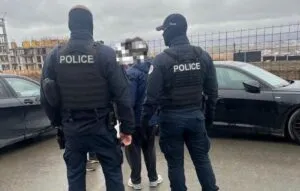
"Crime as a service" with call centres in Macedonia too: over 4 million euros in damage, victims in 50 countries
04.11.2026


04.11.2026
04.11.2026
04.11.2026

04.11.2026

04.11.2026

04.11.2026

04.11.2026
03.11.2026
03.11.2026

04.11.2026

04.11.2026

03.11.2026

04.11.2026

04.11.2026

04.11.2026

04.11.2026

03.11.2026

02.11.2026

04.11.2026

04.11.2026

04.11.2026

04.11.2026

04.11.2026

03.11.2026
04.11.2026
03.11.2026
02.11.2026

23.04.2026

23.04.2026

12.04.2026

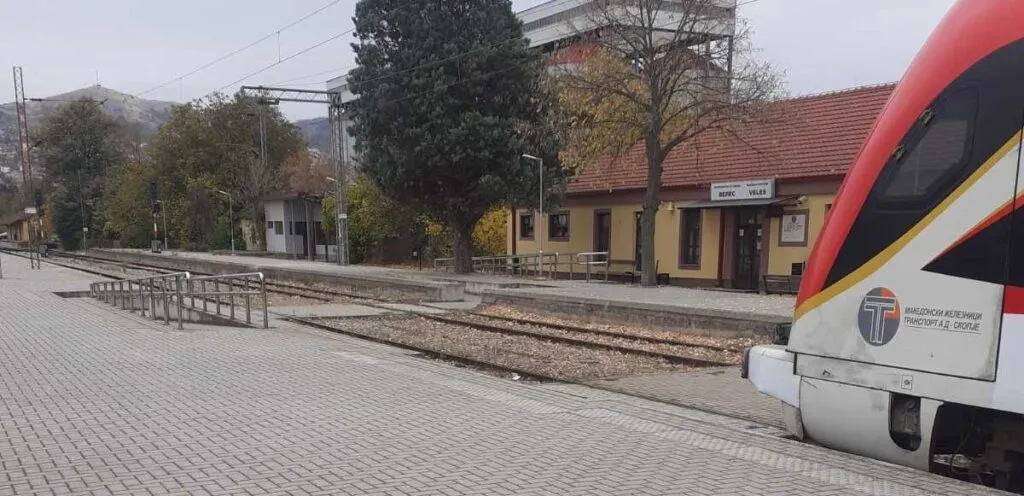
Eighty public and state institutions in Veles were asked a simple question: can a person in a wheelchair, a blind or a deaf person walk in on their own and get their business done? Twenty replied. From the other 60 - silence.
The questionnaire is part of the "Veles - A Right for Everyone" project by the Impact Net Foundation, funded by EU funds, in which secondary-school students from four Veles schools took part. After six months of work, an accessibility register was created along with a module in the Green Map mobile app. Institutions are marked like a traffic light: red means inaccessible, yellow partly accessible, green fully accessible. There is also a blue label, for those that meet all six modules of the questionnaire - not only for wheelchair users, but also for people with impaired sight and hearing.
The numbers from the institutions that did reply are nothing to boast about. 57 percent have no lift, even though their services are on upper floors. 42.9 percent have no accessible toilet. 86 percent have no space for breastfeeding or changing babies, and 72 percent have no trained staff who can help a visually impaired person. None has information in Braille, or a defibrillator. And 43 percent haven't even set aside a budget to improve accessibility, 58 percent not even a plan.
And these are the ones that at least had the will to reply. Are the sixty that stayed silent better or worse? It's hard to believe an institution with a ramp, a lift and an accessible toilet would miss the chance to show off. On top of that, the institutions graded themselves - the data is now being checked to see whether the situation on paper matches reality.
Green labels went to the Vasil Glavinov primary school together with the grammar school and the chemistry school, which share one building, then the health centre, the hospital, the Church of Sts. Cyril and Methodius, the railway station and the Basic Court. The State Attorney's Office and the Public Prosecutor's Office are not on that list. And the only traffic lights in Veles have no audio signals.
According to data presented by project manager Stefče Dečev, Macedonia has 94,800 people with some form of disability, 2,500 with impaired sight or blindness and more than six thousand with impaired hearing. Add the families who help them and the number reaches 200,000 citizens. That many people check every day whether they will be able to get into an institution they pay for with their taxes. Institutions that won't even answer a questionnaire - how do they answer the person in a wheelchair standing at the bottom of the stairs?
The latest 10 news from this category

446,000 hectares, more than two hundred endemic species in Lake Ohrid and about 455,000 residents. Meanwhile Prespa is losing water...
A Music Room, a City Room and a room for the history of the Officers' Club, opened in honour of...

More than 10,000 animals culled, 400,000 EU vaccine doses arrived in the evening, and the agency's director resigned. His successor,...
The court accepted a mortgage on property valued at 1,140,781 euros, and Perparim Bajrami is leaving custody before the legal...

After 50 litres of rain in Demir Kapija, stable and dry weather from Wednesday. On Saturday and Sunday the mornings...

The three Skopje municipalities founded in 1976 celebrated the anniversary with guests from Belgrade and Sarajevo, scholarships and folk dancing....

A fault on an 80-millimetre pipe on Borka Taleski Street. The water utility announces an outage "until the repair is...
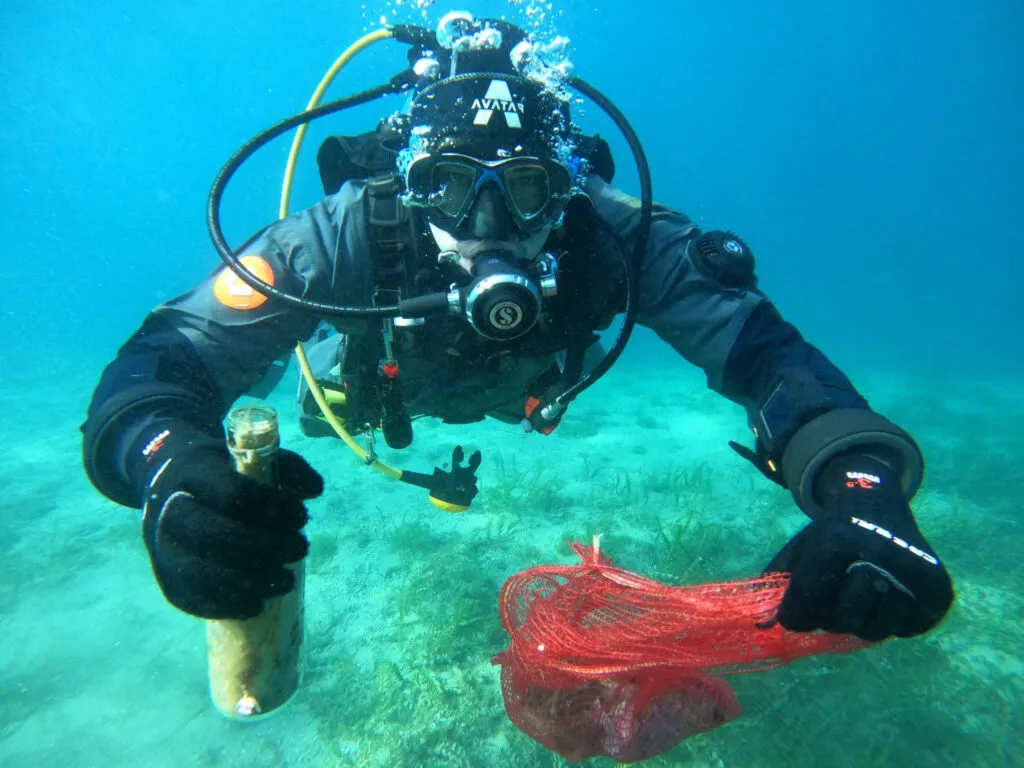
Divers pulled plastic, glass, cans and car tyres out of a lake that is millions of years old. The clean-up...
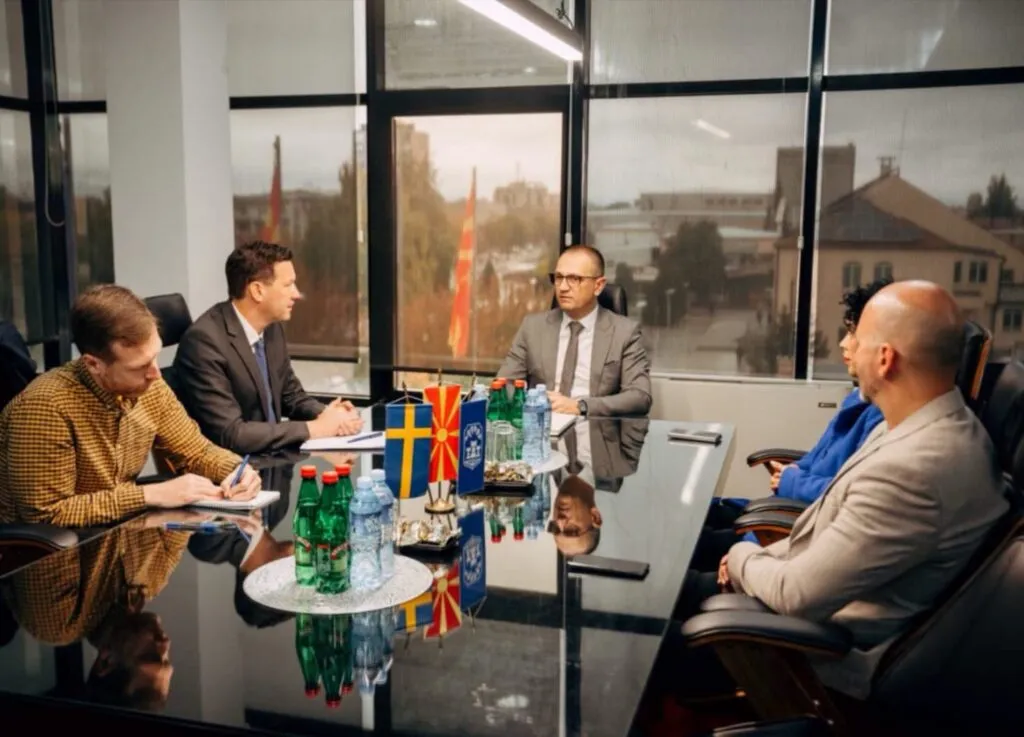
The Swedish ambassador toured the sorting facility and the new collection point, and the mayor promised a model for other...
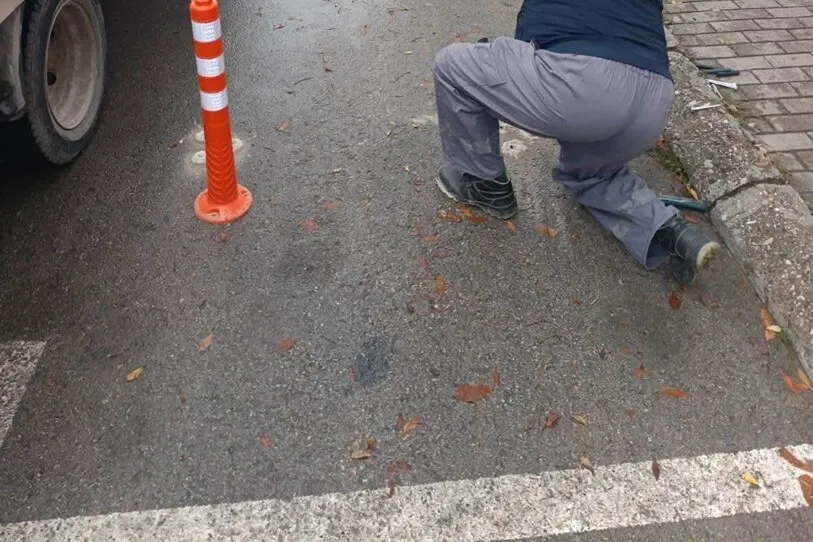
New plastic bollards and mirrors at risky intersections are good news for pedestrians. Except the municipality doesn't say how many...
This site uses cookies - is that okay? Learn more
Be the first to know when Metla launches something new
Leave your email and we'll write to you when there's a new guide or something new on Metla.