"Crime as a service" with call centres in Macedonia too: over 4 million euros in damage, victims in 50 countries
04.11.2026


04.11.2026

04.11.2026
04.11.2026

04.11.2026

04.11.2026

04.11.2026
04.11.2026

03.11.2026
03.11.2026

04.11.2026

04.11.2026

03.11.2026
04.11.2026

04.11.2026

04.11.2026

04.11.2026

03.11.2026

02.11.2026

04.11.2026

04.11.2026

04.11.2026

04.11.2026

04.11.2026

03.11.2026

04.11.2026
03.11.2026
02.11.2026

23.04.2026

23.04.2026

12.04.2026

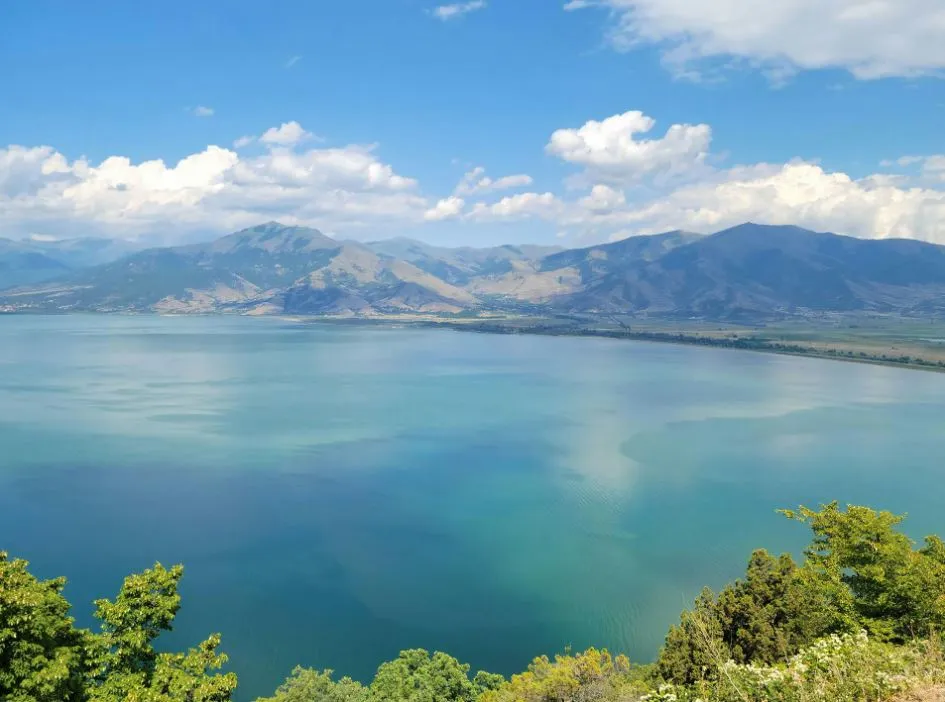
On November 3 the world marked the International Day for Biosphere Reserves. The day is young - UNESCO proclaimed it in 2021 and it was first observed in 2022. In a global network of more than 750 reserves in over 130 countries, Macedonia has its place with the cross-border "Ohrid - Prespa" reserve, declared in June 2014 together with Albania.
The numbers are impressive. According to UNESCO data, the Macedonian part covers 279,757 hectares and the Albanian part 166,653 - a total of about 446,410 hectares, home to around 455,000 people. Inside are both lakes, the mountains between and around them, and the Galičica and Pelister national parks on the Macedonian side.
A biosphere reserve isn't a national park with a "keep out" sign. The idea comes from the 1971 "Man and the Biosphere" programme: nature can't be protected if you shut out the people who live in it. That's why every reserve has three zones - a strictly protected core, a buffer zone for research and education, and a transition zone where people live and work without destroying the landscape they depend on. The status doesn't prohibit, it obliges. And it opens the door to projects, funding and ecotourism.
It's hard to find an area that deserves this more. Lake Ohrid is more than a million years old and home to over two hundred endemic species, including the Ohrid trout. It has been on UNESCO's World Heritage List since 1979, and in 2019 the protection was extended to the Albanian part. Lake Prespa is linked to Lake Ohrid through underground channels, so whatever happens in one is sooner or later felt in the other.
This is where the uncomfortable part begins. For decades Prespa has been losing water and is being polluted by agriculture. Ohrid is struggling with unplanned construction, an urbanised shoreline and untreated wastewater. UNESCO has repeatedly warned that the Ohrid region could end up on the List of World Heritage in Danger if the state doesn't implement the recommended measures. The recognition is slowly turning into a warning.
So the question for November 3 isn't how many hectares we have, but what we're doing with them. Is the title a brand for tourist brochures, or an obligation to manage the place properly? On paper the reserve has three tidy zones. On the ground - can anyone show where the protected core ends and the concrete begins?
The latest 10 news from this category
57 percent have no lift, 43 percent don't even have a budget for accessibility, and none have information in Braille....
A Music Room, a City Room and a room for the history of the Officers' Club, opened in honour of...

More than 10,000 animals culled, 400,000 EU vaccine doses arrived in the evening, and the agency's director resigned. His successor,...
The court accepted a mortgage on property valued at 1,140,781 euros, and Perparim Bajrami is leaving custody before the legal...
After 50 litres of rain in Demir Kapija, stable and dry weather from Wednesday. On Saturday and Sunday the mornings...
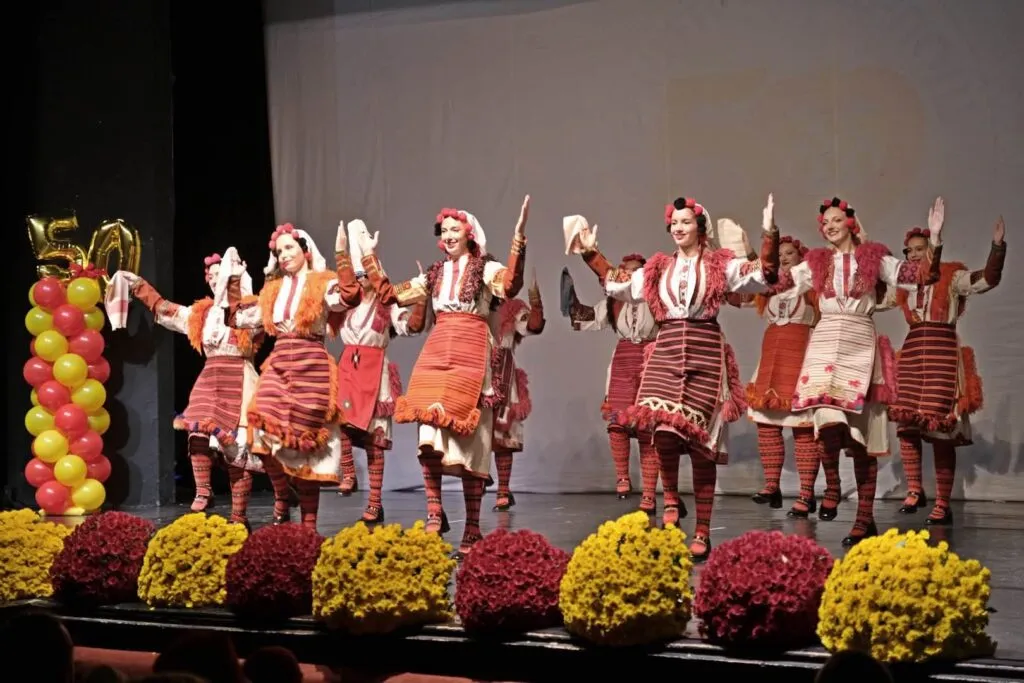
The three Skopje municipalities founded in 1976 celebrated the anniversary with guests from Belgrade and Sarajevo, scholarships and folk dancing....
A fault on an 80-millimetre pipe on Borka Taleski Street. The water utility announces an outage "until the repair is...
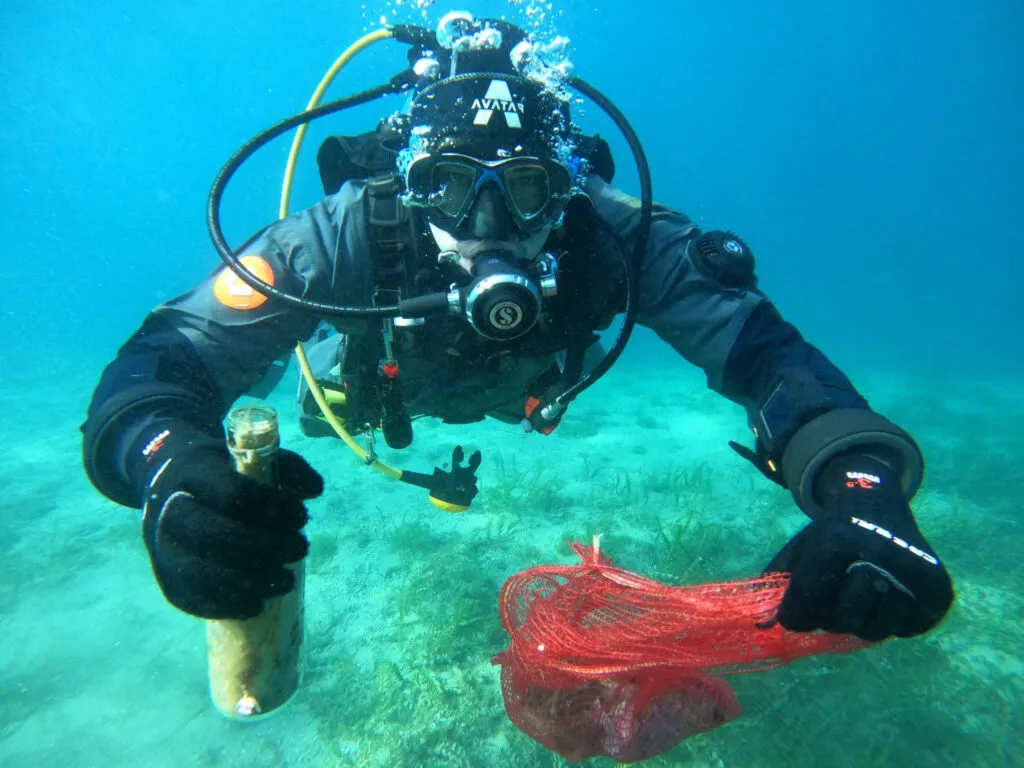
Divers pulled plastic, glass, cans and car tyres out of a lake that is millions of years old. The clean-up...

The Swedish ambassador toured the sorting facility and the new collection point, and the mayor promised a model for other...
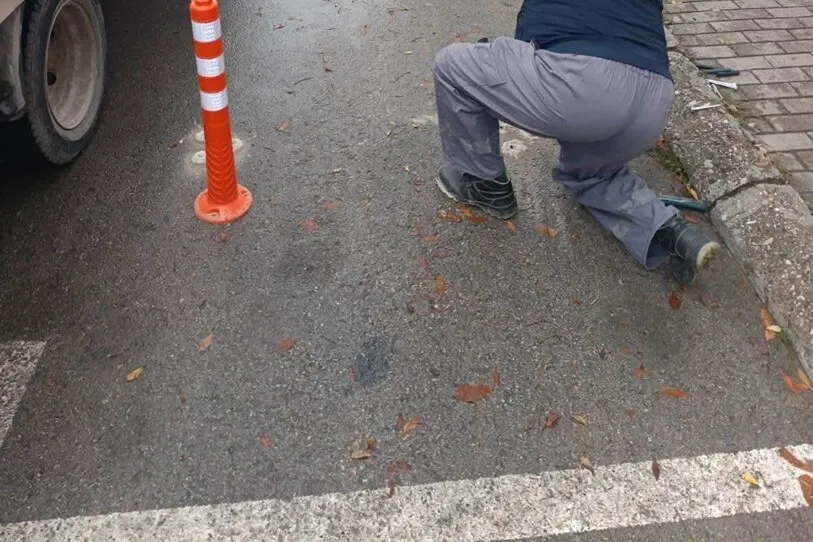
New plastic bollards and mirrors at risky intersections are good news for pedestrians. Except the municipality doesn't say how many...
This site uses cookies - is that okay? Learn more
Be the first to know when Metla launches something new
Leave your email and we'll write to you when there's a new guide or something new on Metla.