

They Rode In on Scooters, Torched the Shops and Left: The Fire in Shuto Orizari Burned for Three Hours, Setting It Took Fifty Seconds
13.09.2026


13.09.2026

13.09.2026

13.09.2026
13.09.2026
13.09.2026

13.09.2026
13.09.2026

12.09.2026

11.09.2026

13.09.2026

13.09.2026

12.09.2026

13.09.2026

13.09.2026

13.09.2026

13.09.2026

12.09.2026

11.09.2026

13.09.2026

13.09.2026

13.09.2026

13.09.2026

13.09.2026

12.09.2026

09.03.2026

27.02.2026

19.02.2026

13.09.2026

12.09.2026

11.09.2026

23.04.2026

23.04.2026

12.04.2026

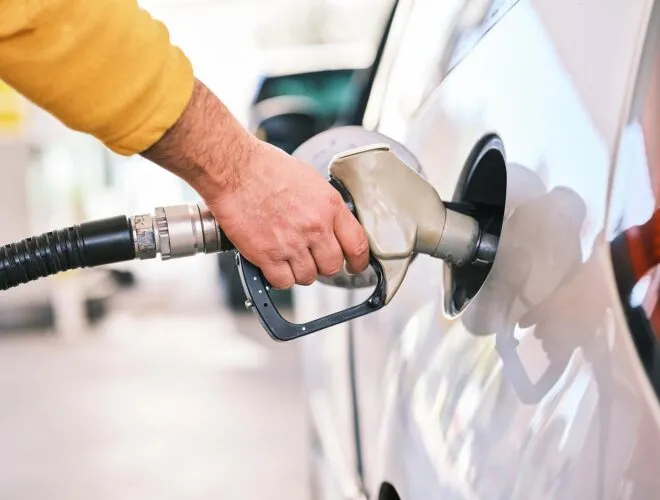
Drivers in the European Union paid a little less for fuel in June than a month earlier. But before they celebrate - the bill is still significantly higher than last summer. And in neighbouring Bulgaria, the price rise is among the biggest in all of Europe.
Eurostat data show a double picture. Fuel prices started falling on a monthly basis, but remained 13.7 percent higher than in June 2025. That is a slowdown compared with the previous two months - in April the annual rise was 20.8 percent, and in May 20.7 percent. So the rise is slowing, but it is not stopping.
What is interesting for us in the Balkans is who pays the most. The biggest annual increase in June was recorded in Bulgaria, where fuel was 26 percent more expensive than last year. Lithuania follows with 23.5 percent, Romania with 23.1 percent, Finland with 22 percent and Luxembourg with 20.7 percent. The smallest increases were in Hungary with just 2.3 percent and Poland with 5.8 percent.
The differences between countries are not accidental - they speak of different tax policies, different levels of market competition and different political will to protect drivers' living standards. When one country has 2 percent growth and its neighbour 26, that is not geology - it is politics.
The comparison with May does carry a little bit of relief, though. The average price of diesel in the EU fell by 6.4 percent, and petrol got cheaper by 4.2 percent. Diesel got cheaper in all member states, with the biggest drop in the Czech Republic. The question is whether this is the start of a lasting easing or just a pause before the next jump - especially now that Brent is once again climbing towards 100 dollars a barrel.
The latest 10 news from this category
The deficit target raised from 3.5 to 4.1 percent of GDP, spending growing faster than revenue, and the growth forecast...
On euro loans with a variable rate, the rise comes due at the next reset. On fixed ones, it does...
The agreed price for first class is 40 denars. At the collection points they pay 15 to 18. Across the...
A Skopje company owes 14.87 million euros and there is nothing to recover it from. In one month the total...
223,711 tourists and 795,083 overnight stays in July. Turkey still leads with 50,955 guests, but its number fell by 7.6...

When the two biggest firms in an industry ask for rules on how fast anyone may run, the rules rarely...
Not a single password fell. What fell was the assumption that a request from a government domain is automatically a...

The board voted, the founder kicked the administrators out of Slack and held out for three days. What does a...
An announcement is not an adopted tariff. A lower bill is good news only if its cost has not been...

The Balkans have a long tradition of producing something valuable and selling it under someone else's name. The difference between...
This site uses cookies - is that okay? Learn more
Be the first to know when Metla launches something new
Leave your email and we will write when there is a new guide or something new on Metla.
