

Kratovo man stabs police officer mid-intervention: prosecutors want the 40-year-old detained
15.09.2026


15.09.2026

15.09.2026
15.09.2026

15.09.2026

15.09.2026

15.09.2026
15.09.2026
14.09.2026
13.09.2026

15.09.2026

15.09.2026

14.09.2026

15.09.2026

15.09.2026

15.09.2026
15.09.2026

14.09.2026
13.09.2026

15.09.2026

15.09.2026

15.09.2026

15.09.2026

15.09.2026

14.09.2026

09.03.2026

27.02.2026

19.02.2026

14.09.2026

14.09.2026

13.09.2026

23.04.2026

23.04.2026

12.04.2026

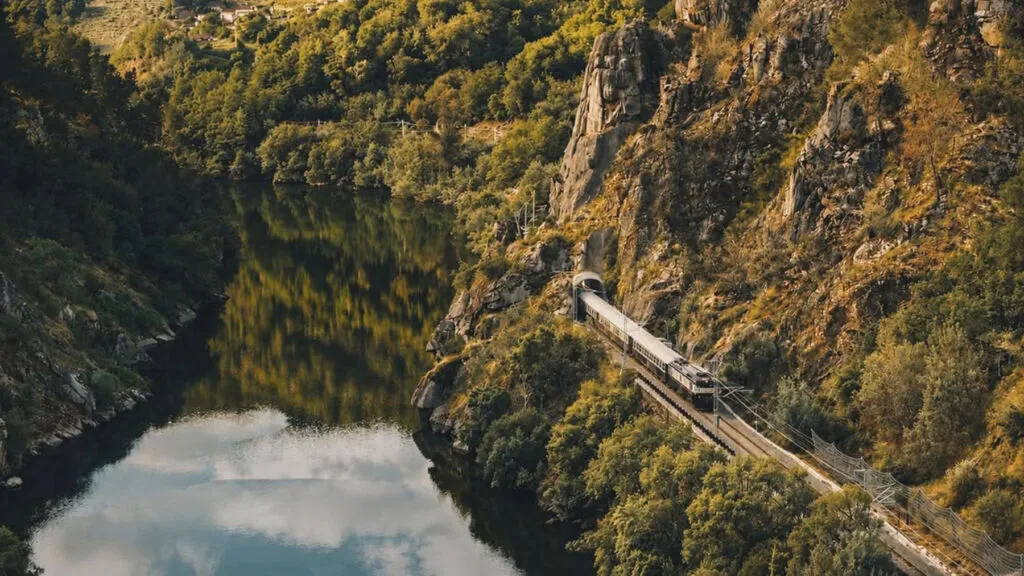
Sixty kilometres. One hour of travel in each direction. And a price of 28.95 euros per adult, return. That is the entire arithmetic of the Galaico Express - the train that runs every Saturday until the end of October from Ourense to Monforte de Lemos through Ribeira Sacra.
The carriages are from the eighties, restored, with their original wooden interiors and large windows. The locomotive is a series 269, built in Spain under a Mitsubishi licence, which is exactly why people call it "the Japanese Woman". Seats are numbered and reserved. Nothing in that description is new, fast or clever - and that is the whole point.
What you see through the window
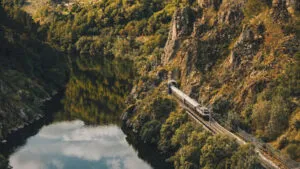
The line runs past Barra do Miño, a small riverside spot with a beach, then through Os Peares, where the Miño and the Sil meet. The most spectacular stretch comes at San Estevo do Sil, where the track threads its way above the canyon. Below is the river, above are terraced vineyards clinging to slopes that look far too steep to hold anything.
This is not scenery for its own sake. Ribeira Sacra is one of Europe's oldest wine regions precisely because somebody decided that this slope was worth working by hand, terrace by terrace, for centuries. If you have seen the vineyards above Tikveš or above Demir Kapija, you know how much labour a slanted hillside demands - the difference is that here that labour has been put on a timetable and is sold as a view.
What is at each end
Ourense is a thermal town - the springs at Outariz sit beside the river Miño, and As Burgas is right in the centre. Hot water in the open air, with no spa package in between. Monforte de Lemos, at the other end, holds the monastic complex of San Vicente do Pino and the Railway Museum of Galicia, which in a town at the end of a historic line is no coincidence.
The Sil canyon can also be seen from below, by catamaran. That is the second half of the same picture - once you see the canyon from the rail, once from the water.
What this train really sells is not a destination but a pace. One hour for sixty kilometres means nobody is rushing and nobody apologises for it. Would anyone here think to notice that an old line through a gorge is worth more as a view than as a shortcut?
The latest 10 news from this category
Two hundred and fifty tree species from every corner of the world, a monastery from 1628 and a palace that...
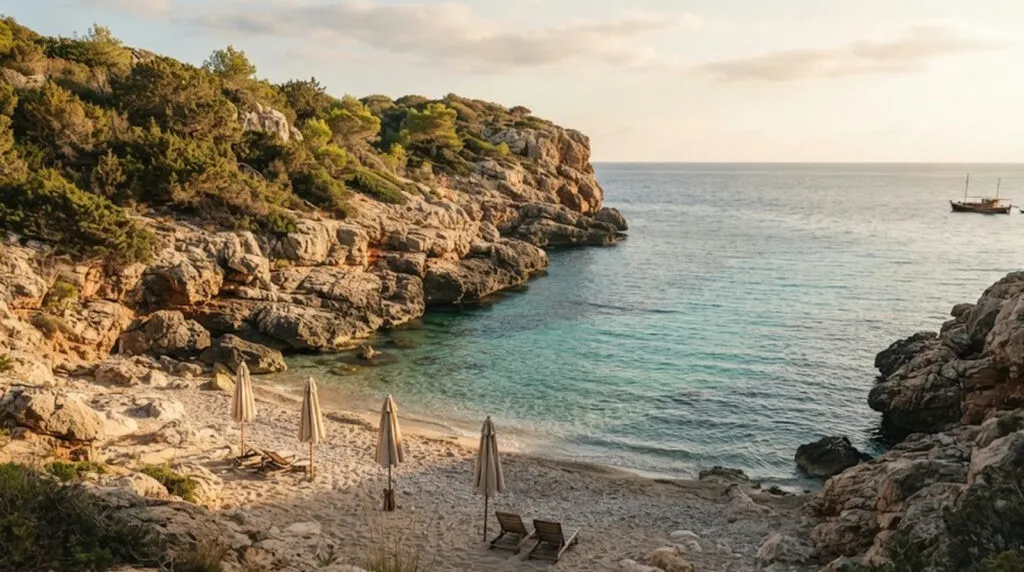
The same places cost more in August, look crowded and are experienced at half strength. The difference is made by...
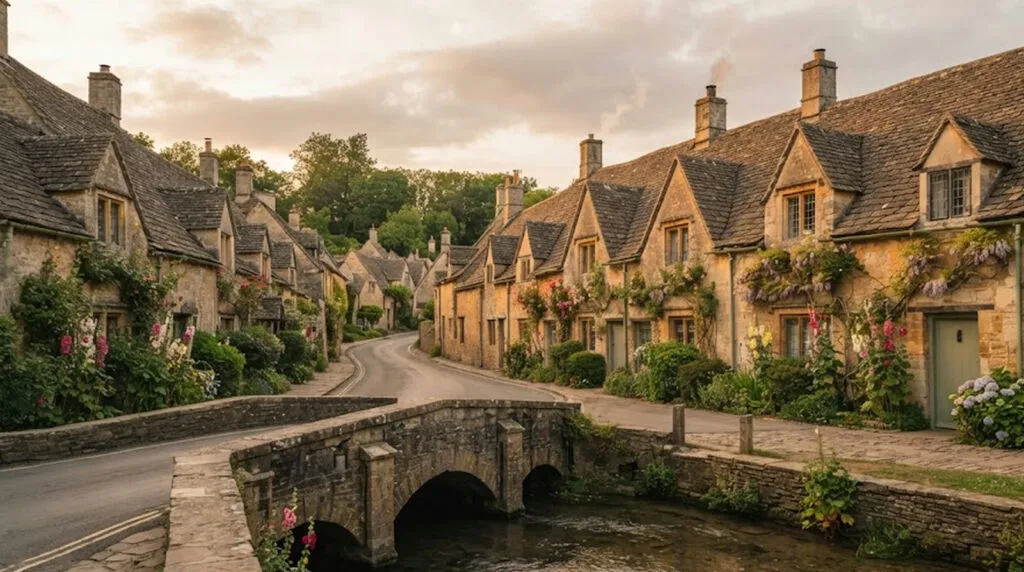
The Beckhams have a place there, so do Kate Moss and Ellen DeGeneres. But the Cotswolds needs none of those...

Down on the coast the buses pass each other with centimetres to spare and all you see is people. Up...

Empty warehouses, low rents and one real estate developer. A model we know without flying to Florida.
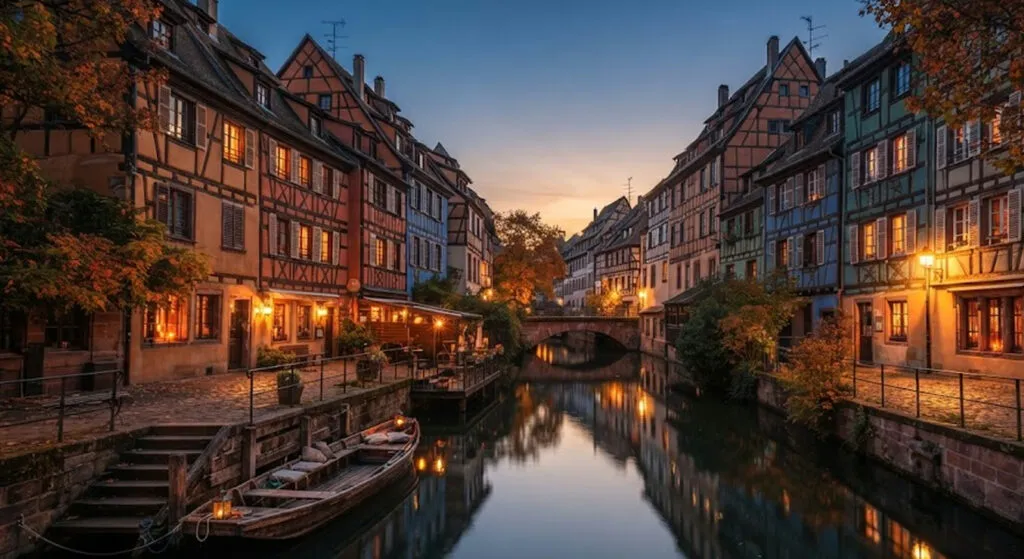
Old tanners' and dyers' workshops, built directly over the river. From 10 to 13 September the town puts boats and...
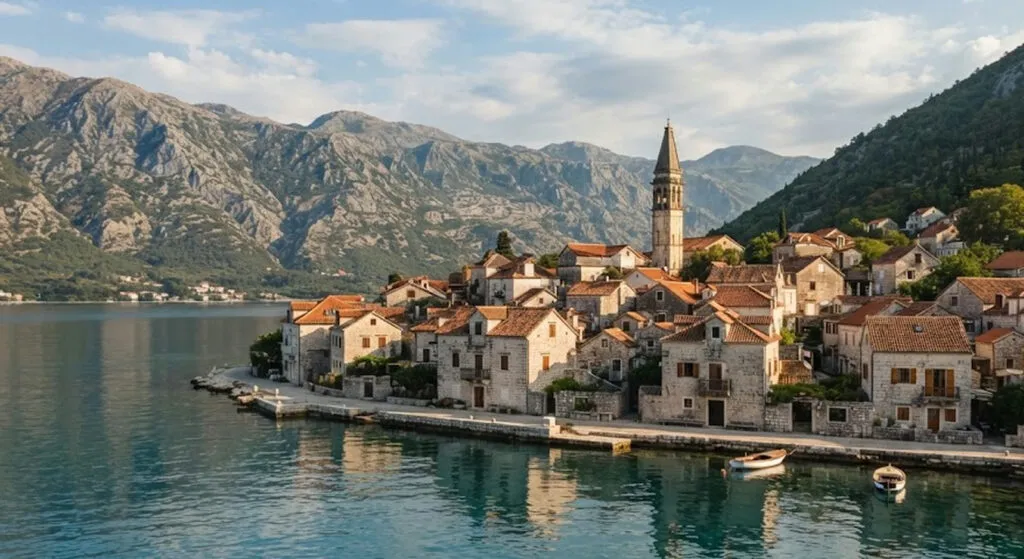
The Albanian Riviera, Montenegro, Sardinia, Lyon and the Algarve. The same weather as August, fewer people, and a bill that...
In a town that does not live off tourism, a coffee costs what it costs, not what it could cost.

Xi'an, Dunhuang, Angkor, Luang Prabang. Farmers found the Terracotta Army in 1974, and at Ta Prohm the roots hold the...
Four thousand historic buildings, a castle from 1069 and free thermal springs Dante wrote about. All within reach of a...
This site uses cookies - is that okay? Learn more
Be the first to know when Metla launches something new
Leave your email and we will write when there is a new guide or something new on Metla.
