A Pole Drove 164 km/h Where the Limit Is 80: The Camera Caught Him, the Border Stopped Him
23.08.2026


23.08.2026

23.08.2026
23.08.2026
23.08.2026
22.08.2026
22.08.2026

23.08.2026

23.08.2026

22.08.2026

23.08.2026

23.08.2026

23.08.2026
23.08.2026

22.08.2026

21.08.2026

23.08.2026

23.08.2026

23.08.2026

23.08.2026

23.08.2026

22.08.2026

09.03.2026

27.02.2026

19.02.2026
23.08.2026

23.08.2026
22.08.2026

23.04.2026

23.04.2026

12.04.2026
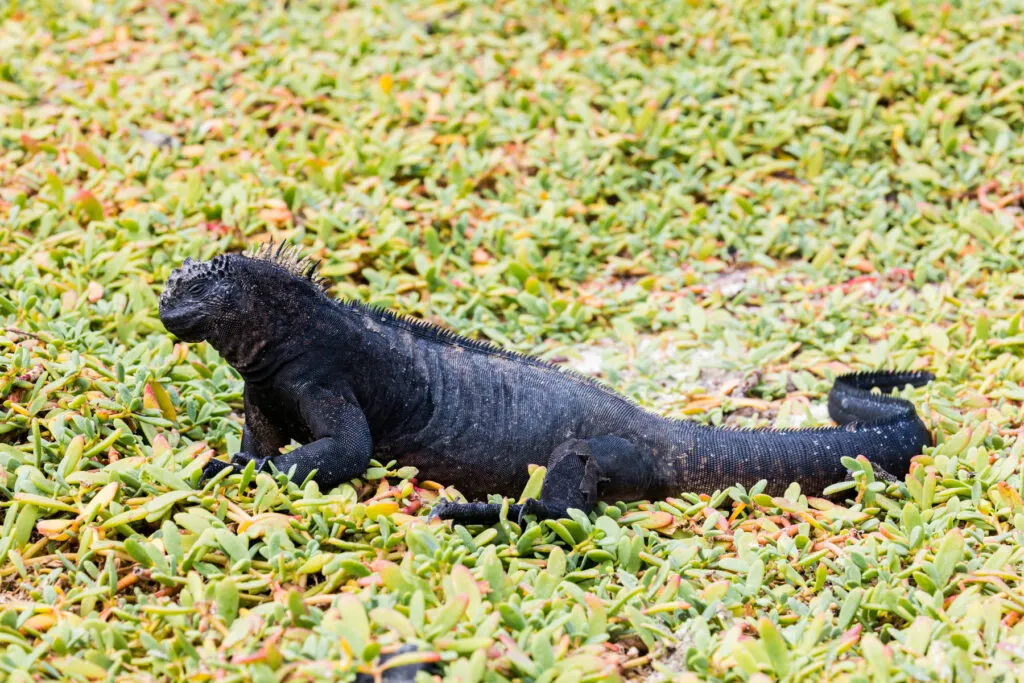
The animals there do not run from people. That is the first thing anyone arriving in the Galapagos notices - sea lions, iguanas and birds that stay a metre away from you, because over millions of years they had no reason to learn fear.
The archipelago belongs to Ecuador, but sits about a thousand kilometres out into the Pacific. It has 13 large islands, 6 smaller ones and over a hundred islets, rocks and reefs, all formed by volcanic activity. Fully 97 per cent of the land area is protected as a national park, with strictly regulated access.
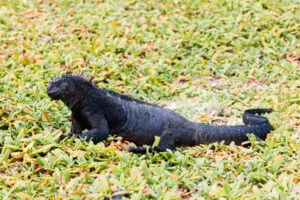
It is precisely that isolation that produced species found nowhere else. Giant tortoises, some of which have passed a hundred years. Marine iguanas - the only ones in the world that feed underwater. Penguins on the equator, flightless cormorants, albatrosses, sharks, rays, sea turtles and sea lion colonies.
Charles Darwin arrived here in 1835 aboard the Beagle. What he saw on these islands became the foundation of the theory of evolution - which means that one of the biggest shifts in how humans see themselves began with observing the beaks of birds. The archipelago is on the UNESCO World Heritage list and part of the biosphere reserve network.
The landscape is volcanic and looks nothing like a postcard. Black lava-covered shores with an almost lunar appearance, white sandy beaches, mangroves and cactus forests, craters. On Floreana, the Punta Cormorant site has greenish sand thanks to olivine crystals. Isabela, the largest island, has vast lava fields and the wildest terrain in the whole archipelago.
For the visitor, three islands carry the story. Santa Cruz combines nature with services and is home to the Charles Darwin research station and the Los Gemelos craters. San Cristobal has the provincial capital and Leon Dormido, a spot known for shark watching. Isabela is for those who want to see what everything looked like before humans.
The rules are part of the experience, not an obstacle. Protected zones can only be entered with an authorised guide and in a group, many areas have restricted access, and bookings are made a long way in advance. This is the place where restriction is not experienced as bureaucracy, but as the reason there is anything left to see.
Which is why the list of prohibitions there does not read like a punishment. It is the reason an iguana still lies on the path and does not move when you walk past - the only place in the world where that is still possible.
The latest 10 news from this category
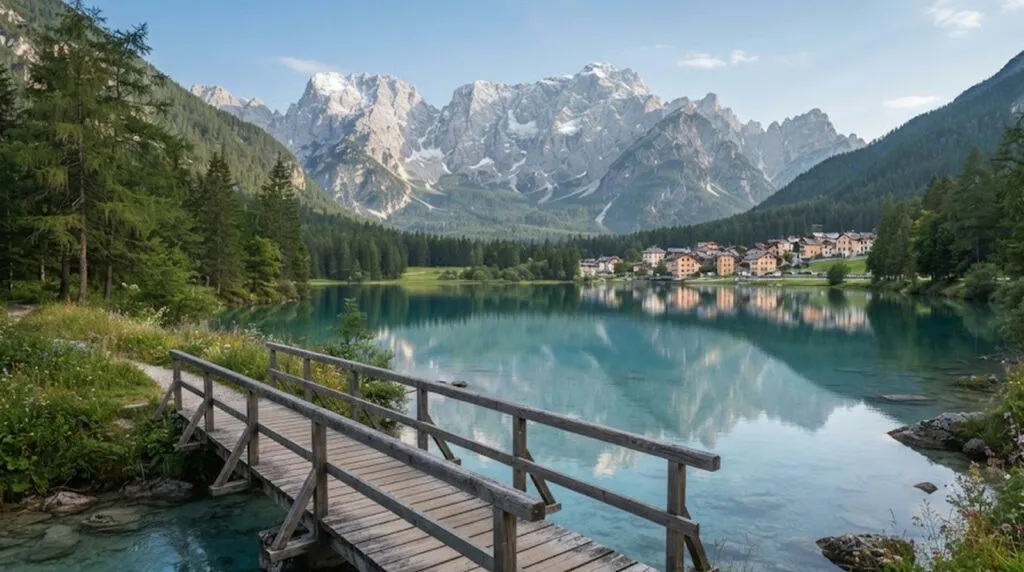
A 12th-century castle, a museum with 17,000 objects and surfers in the river in the middle of town. Thun is...
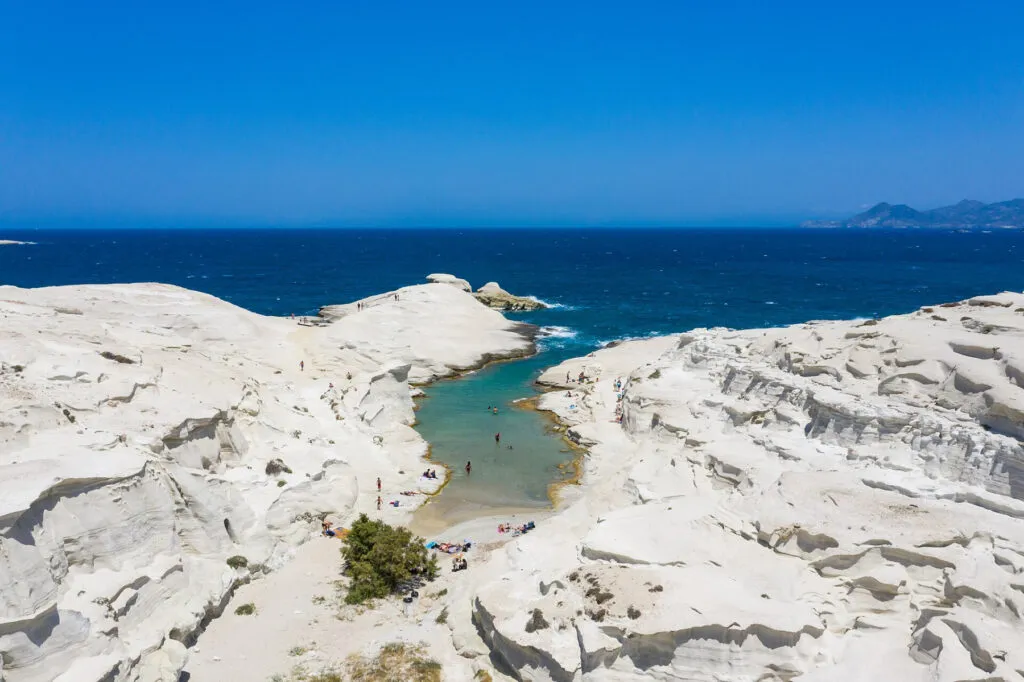
White rock polished as if it were poured, sea in a colour that looks overdone, and a statue the whole...
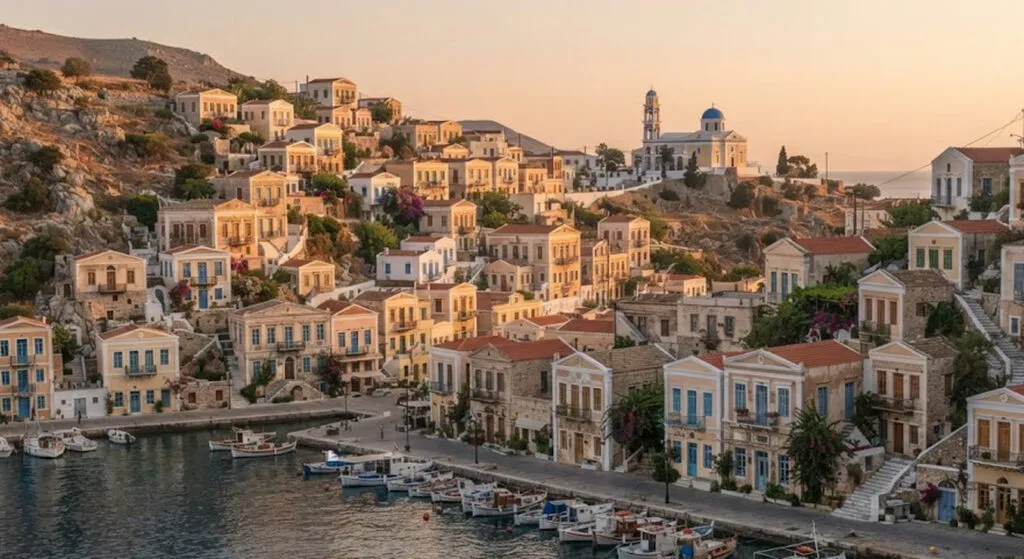
Syros has no windmills to photograph. It has neoclassical facades, a Venetian labyrinth built against pirates, and a life that...
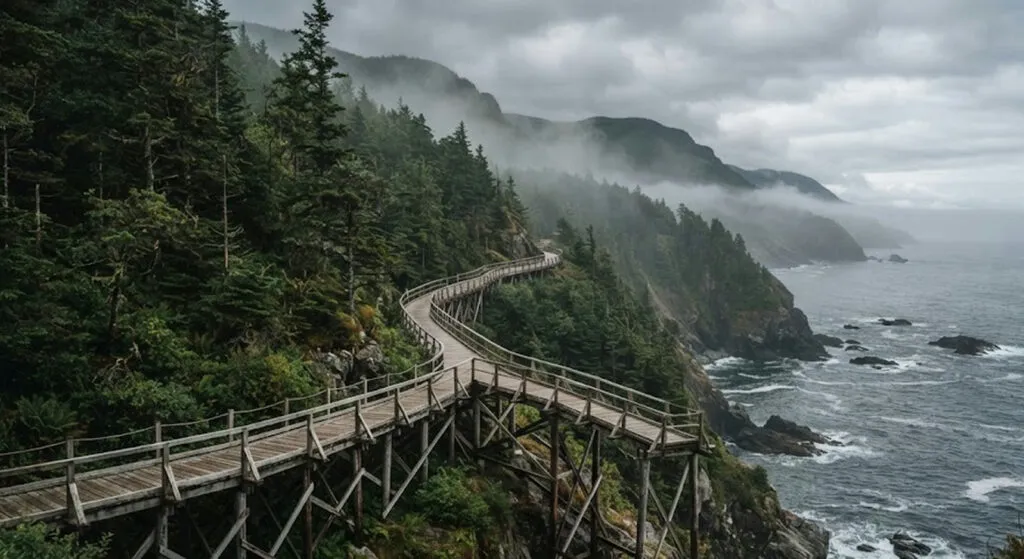
The only waterfall in Europe that falls straight into the sea, a dune more than a kilometre long, and a...
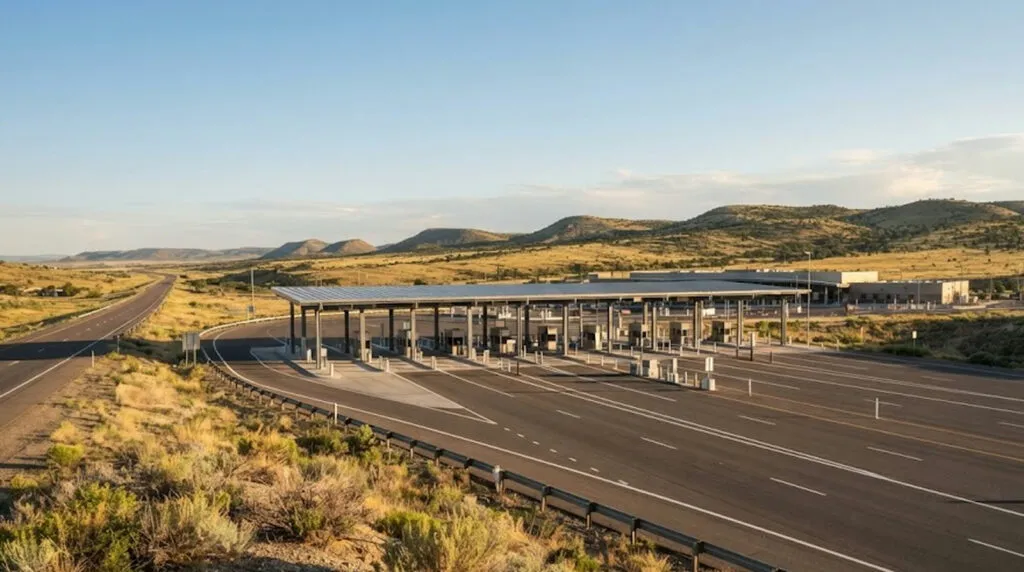
In the same hour on 18 August, the gap between the three exits to Greece was more than an hour...
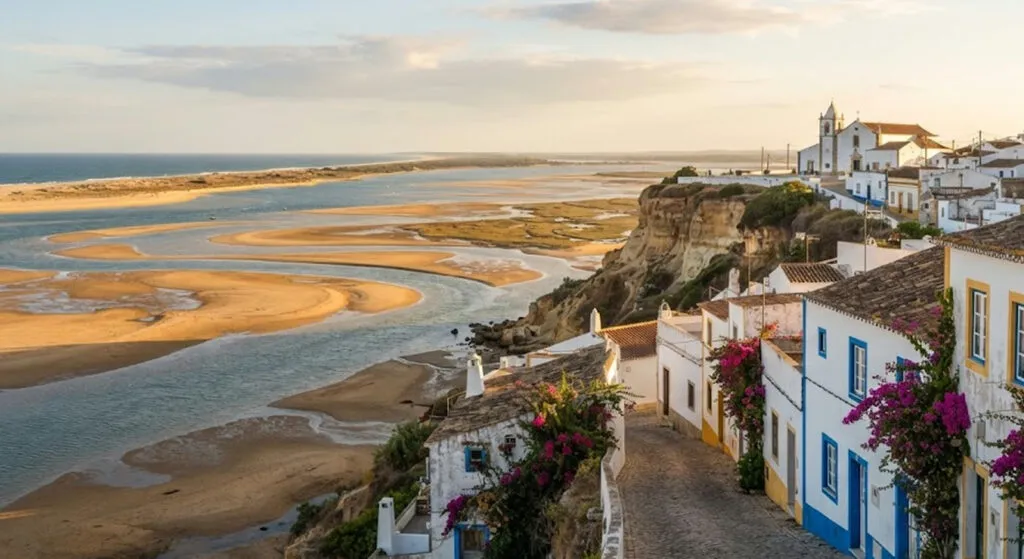
At low tide you walk to the sand. At high tide you either wade the channels with your things over...
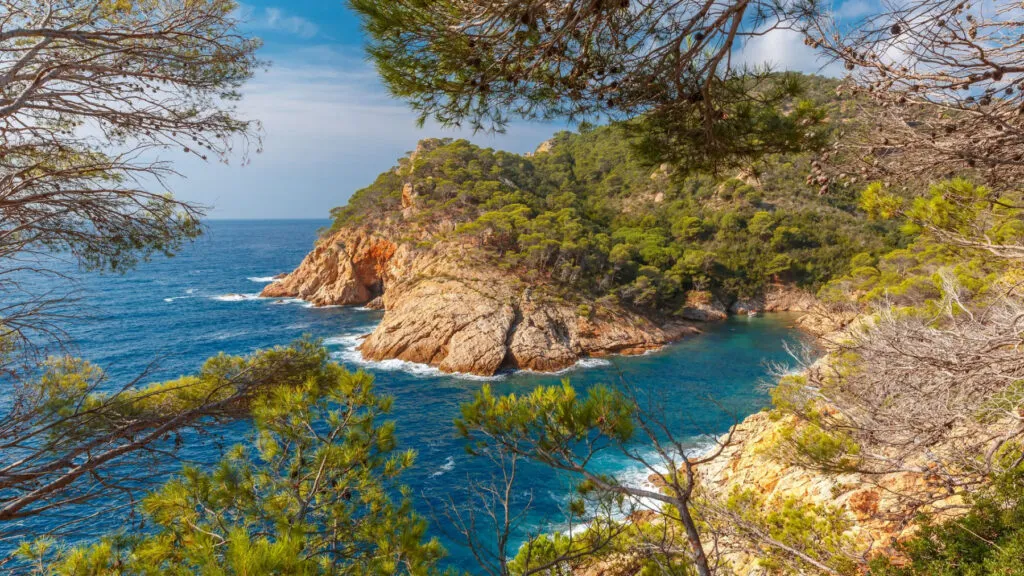
A coastline where the pine forest comes down to the water still looks like itself - but only for those...
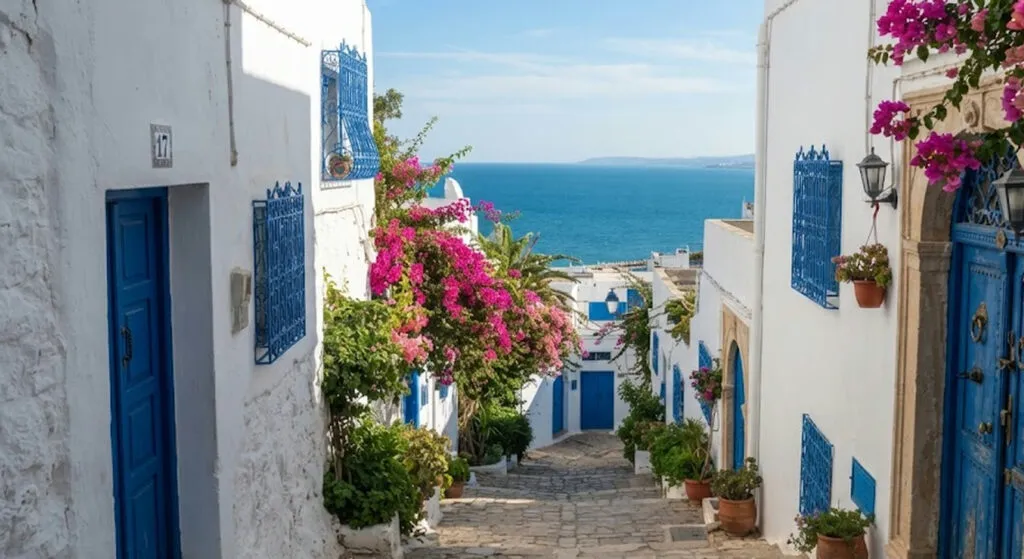
Twenty kilometres from the Tunisian capital, the most photographed village in the country. The aesthetic the world now protects was...
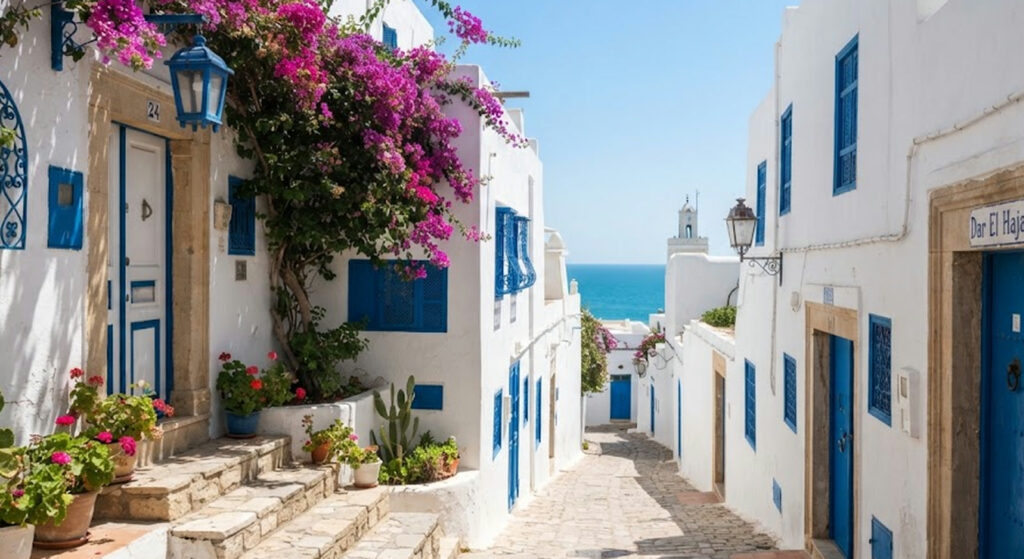
A British baron wrote the rule a century ago: facades white, doors and windows cobalt blue only. Not one owner...
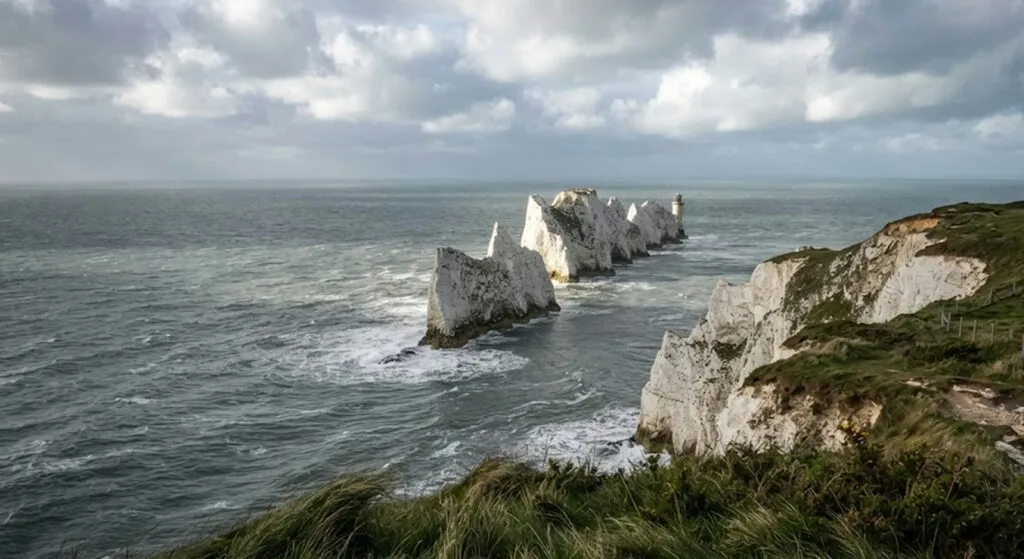
The world's only scheduled hovercraft service still runs there. Victoria called it her little paradise, so did Marx, and in...
This site uses cookies - is that okay? Learn more
Be the first to know when Metla launches something new
Leave your email and we will write when there is a new guide or something new on Metla.