


They Rode In on Scooters, Torched the Shops and Left: The Fire in Shuto Orizari Burned for Three Hours, Setting It Took Fifty Seconds
13.09.2026


13.09.2026

13.09.2026

13.09.2026

13.09.2026

13.09.2026
13.09.2026
13.09.2026

12.09.2026

11.09.2026

13.09.2026

13.09.2026

12.09.2026

13.09.2026

13.09.2026

13.09.2026

13.09.2026

12.09.2026

11.09.2026

13.09.2026

13.09.2026

13.09.2026

13.09.2026

13.09.2026

12.09.2026

09.03.2026

27.02.2026

19.02.2026

13.09.2026

12.09.2026

11.09.2026

23.04.2026

23.04.2026

12.04.2026

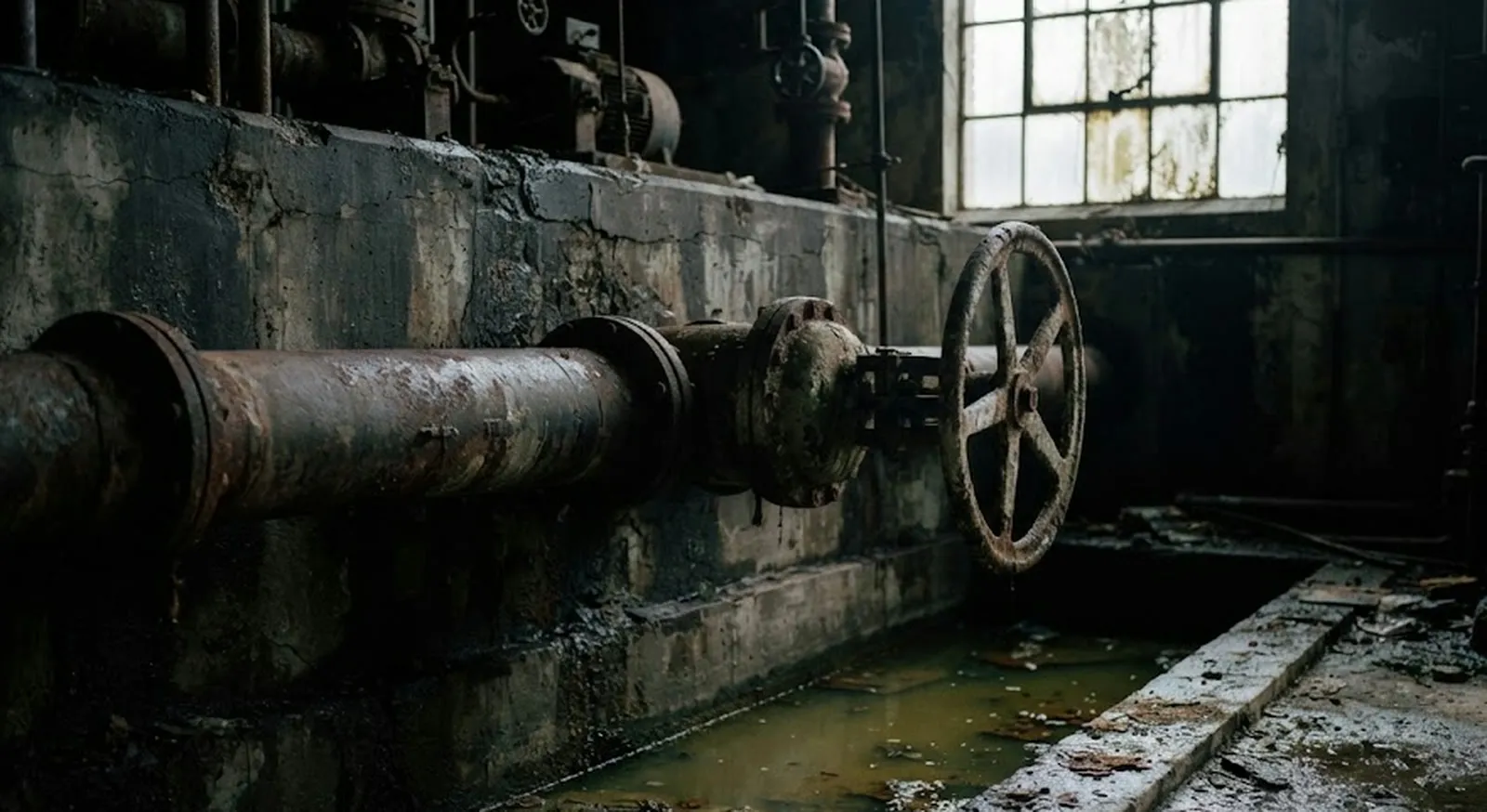
The number alone is alarming: 2,419.6 coliform bacteria per 100 millilitres of drinking water, against a permitted maximum of 50. That is 48 times over the safety line, and water like that flowed from the taps in Gostivar while more than 1,200 people sought medical help. But the hardest part isn't the number. According to the investigation, this wasn't a hole in a pipe - it was pumps deliberately installed to carry water from an open canal straight into the mains. Three managers at "Komunalec" have been detained. The pumps ran for three weeks before anyone reacted - which means the oversight that was supposed to stop this simply didn't exist.
The same day Gostivar counts its sick, in comes a report on the quality of the lake water. The beaches of Ohrid, Prespa and Dojran pass - for now. But under that wording the Institute of Public Health points to faecal matter, septic pits and pesticides, a problem decades old that nobody is fixing. The question is simple: how many reports does it take for one sewage collector? And in Skopje, the biggest ecological shield for the Vardar is 40 percent finished, but a clean river is promised only by 2030 - and the mayor himself admits the project is late because of red tape and unpaid bills.
In Vinica, Kocani and Gevgelija, in just 24 hours, four men were detained for attacking their wives and partners. In Vinica the children stopped the attack - they stepped in between their father and their mother. When the count for a single day is four, that is no longer an incident, it's a condition. The pattern is always the same: a report, a detention, a notified prosecutor - but only after the woman has already ended up injured. The protection mechanism exists. It just kicks in after the first blow lands.
The government came out with a budget rebalance, and Minister Dimitrieska-Kocoska stresses it is developmental, not a crisis one, and that wages and pensions are secure. The focus, they say, is on capital investment. But those are exactly the investments Macedonia has been promising for years - and the real test won't be at the press conference, but on the asphalt. Meanwhile, diesel jumped to 94 denars, and the "reduced" excise means only a smaller price hike, not cheaper fuel. For the driver at the pump the bill is the same - they pay more.
Summer in Skopje also means planned power cuts in Centar and Karpos in the middle of the heat - unavoidable maintenance, but it's always the same neighbourhoods on the list. The wind, meanwhile, brought a tree down on an 88-year-old woman in Kozle, who got away with a light injury, and the question the wind doesn't ask is how many old trees actually get checked before they snap. And on the roads - three bodies in an overturned Mercedes on a closed, unfinished motorway near Blace, and two seriously injured near Poroj in the dead of night. The same format, almost every week.
There is also news that looks ahead. The universities in Bitola and Stip opened thousands of places - UKLO 2,115, UGD 3,341. The deadlines are clear, the choice is wide. The hard question comes four years later: will the diploma be worth anything here, or only abroad. Skopje also saw a state visit by Indian President Droupadi Murmu - full honours and a business forum that has yet to show whether there's anything more than ceremony.
Among all these stories about institutions that don't work, at the Bigorski Monastery a dozen people gave 66 units of blood for someone they will never meet. Among the donors, people of different faiths and communities. The most ordinary thing in the world - and it's precisely that kind of news that rarely reaches the headlines. Maybe because it doesn't look for someone to blame - it just shows that when people want to, the mechanism works on the first try.
The latest 10 news from this category
The paperwork was complete, the decision unanimous, the statements went out the same day. And still the scheme ran six...
Three institutions made the news the same way today - somebody from outside had to force them to speak. A...

Three separate cases of influence for sale in a single day, and one final verdict over 16 deaths sent back...
One state-owned company turned up today both as the injured party in a 9.7-million-euro indictment and as the payer of...
Institutions took measures, issued warnings and made announcements today. The only story in which somebody actually decided something is a...
The day prosecutors admitted themselves they have no evidence for the heavier charge, and the city revealed it had been...
The eighth death came after the spraying was already over, the illegal dump burned after years of quietly piling up,...
Fires are set to cover up illegal logging, and one arrest stands against twenty active blazes. Everywhere the same pattern:...

In every one of today's cases the information existed before the failure. The dumps have a known address, the mosquitoes...
A day in which the state exists on paper, while fishermen, a vet from Bogdanci and one mayor are the...
This site uses cookies - is that okay? Learn more
Be the first to know when Metla launches something new
Leave your email and we will write when there is a new guide or something new on Metla.
