
Supreme Court: Kamčev has no right to 1.5 million euros in the Reket case - legal cases close, but the money stays in the fog
02.05.2026


02.05.2026

02.05.2026

02.05.2026

02.05.2026

02.05.2026

01.05.2026

28.04.2026

27.04.2026

27.04.2026
02.05.2026
02.05.2026
01.05.2026

02.05.2026

02.05.2026

02.05.2026

02.05.2026

01.05.2026

30.04.2026

02.05.2026

02.05.2026
02.05.2026

09.03.2026

27.02.2026

19.02.2026

14.04.2026

07.11.2025
07.11.2025

23.04.2026

23.04.2026

12.04.2026


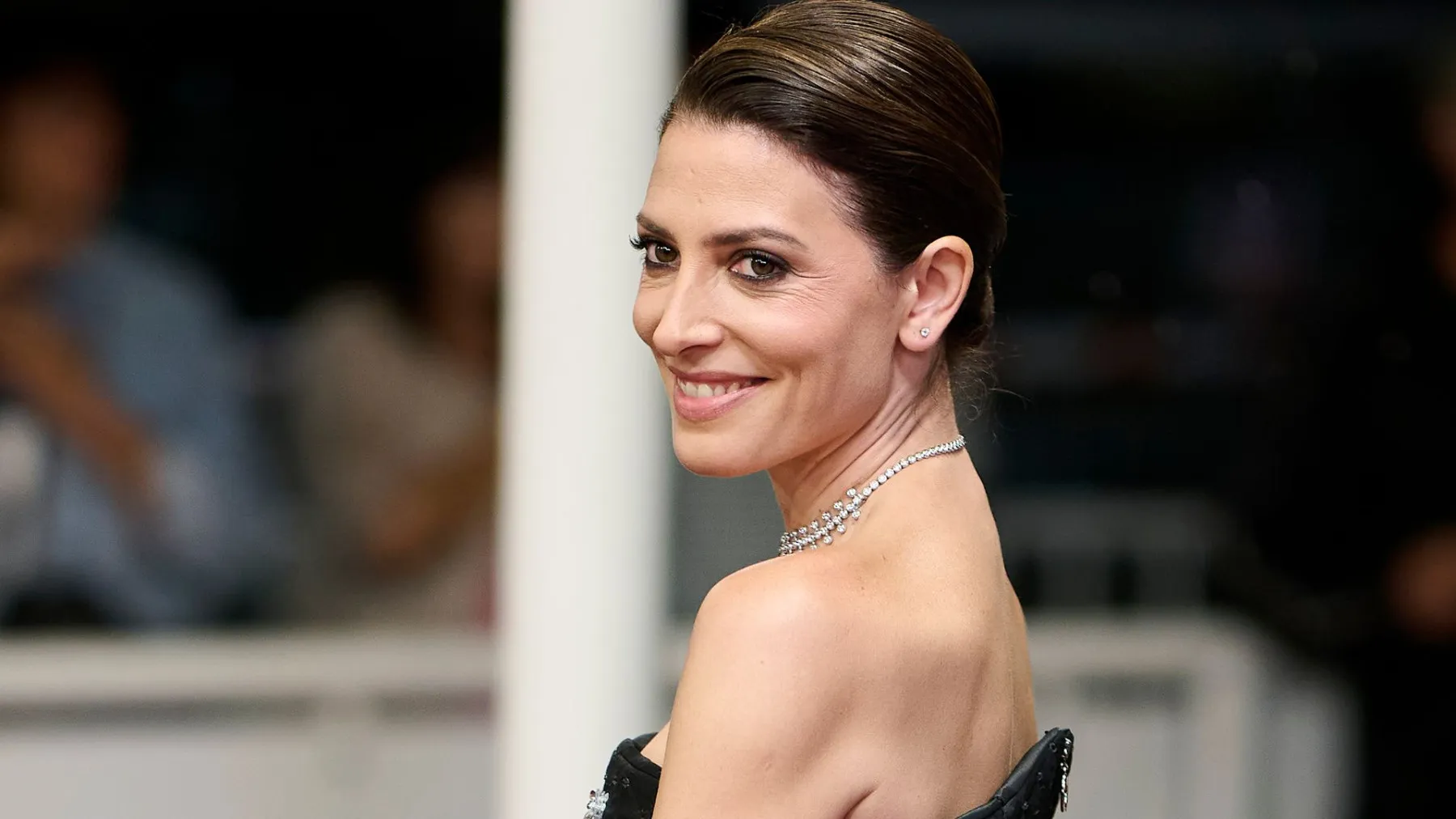
A healthy diet is not just a list of proteins and leafy greens. According to Spanish endocrinologist Dr. Iris Mercedes de Luna, one of the most common mistakes people who think they eat well make is that they consume food that is "superficially healthy but poor in nutrients". And that is exactly what wrecks their hormonal balance.
"Hormonal balance depends on a whole system, not on a single macronutrient," she says. In other words: if you add protein to everything in the name of a trend, no matter how much, you are not doing your body a favour. There are many hormones - insulin, glucagon, leptin, ghrelin, thyroid, sex hormones - and each demands a different kind of food to function properly.
Mistake number one according to her: a breakfast of just coffee. Many of us do that - on the run in the morning, coffee in hand, off to work. Even when you think it is "light", over time that combination shakes both cortisol and insulin. A balanced breakfast, she says, should include eggs or yogurt, oats or legumes, whole fruit and nuts - fibre, protein and complex carbohydrates together.
Another key line: "Sex hormones are produced from cholesterol." Sounds trivial, but it leads to a clear conclusion - diets that completely cut out fats (specific fatty acids and sterols) damage oestrogen and testosterone over time. Bread with a bit of olive oil is not a sin. It is infrastructure for the hormones.
"Nutrients need a nourishing context to deliver their benefit," she adds. Vitamin D is not absorbed without fats. Iron without vitamin C is only half as efficient. Calcium without magnesium is wasted time. Isolated "superfoods" are a marketing invention - food works as an ensemble, not as a soloist.
Where do we stand in all this? Balkan tradition had this solution long before the nutritionists showed up: eggs with tomatoes in the morning, lunch with legumes and oil, fruit between meals, walnuts and yellow cheese on the table. When our grandmothers cooked, they did not know what a "macronutrient" was, but their hormones worked better than ours do now. No wonder. The wonder is that today we need an endocrinologist to tell us what every grandmother used to know.
The latest 10 news from this category
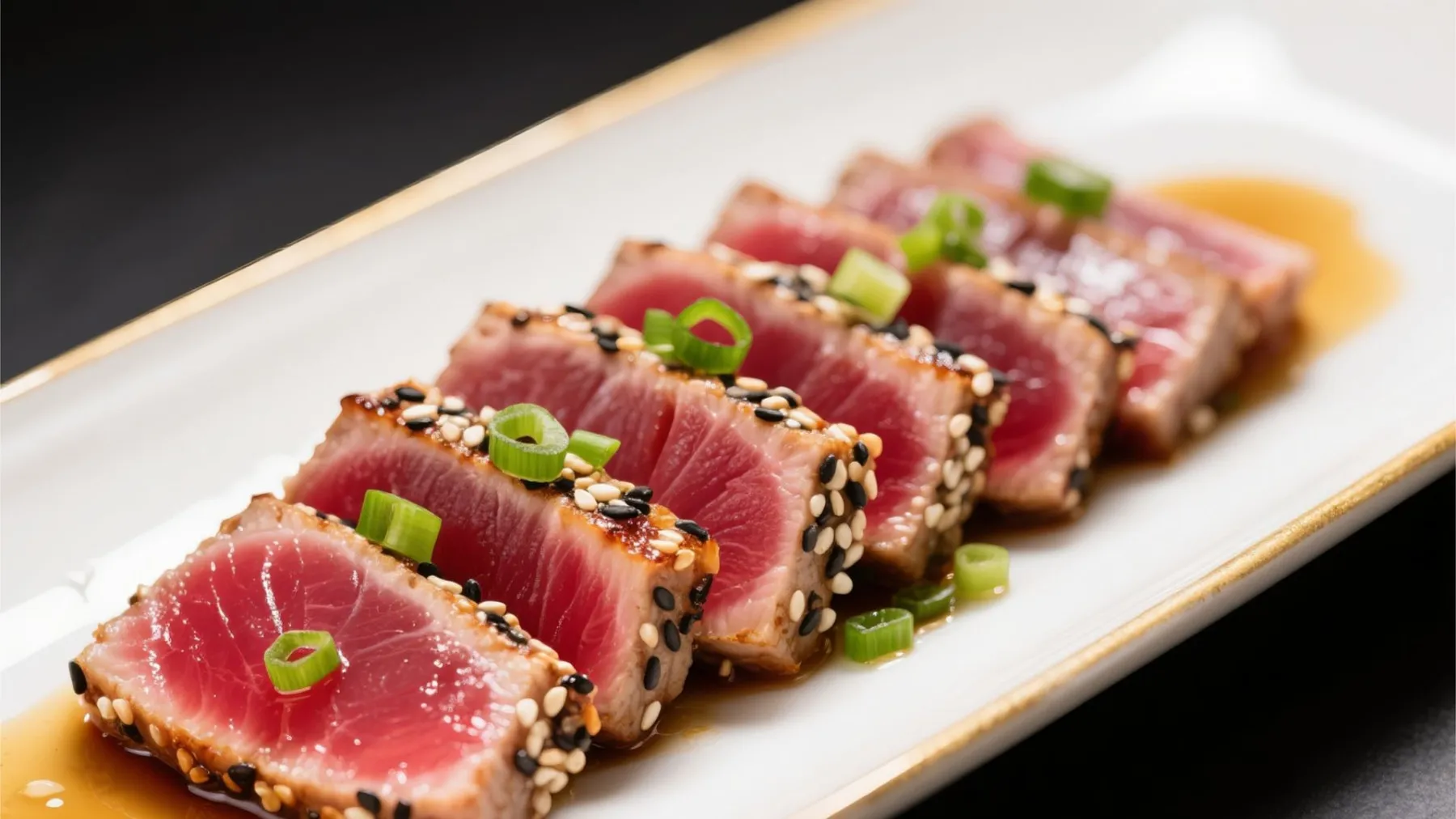
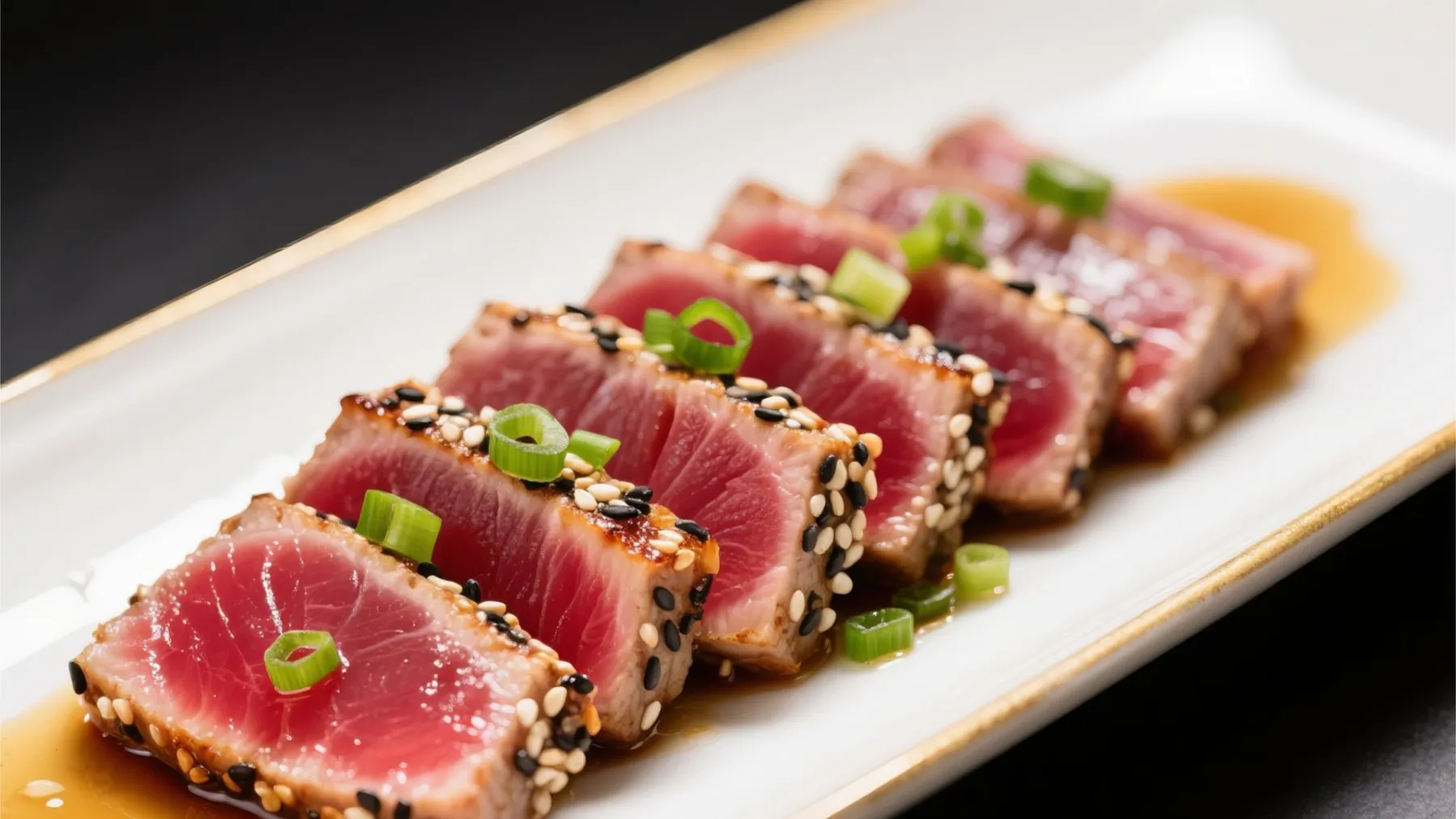
Sharp knife, hot pan, and the contrast between raw and seared. Tataki isn't a menu, tataki is discipline.
A space as big as a mat, a time as long as 20 minutes, and a body that thought it...
Ten seconds a side, a sharp knife and fresh tuna from the market. The whole technique is in the discipline,...

Neuroscientists say the brain has forgotten boredom, and Instagram serves us other people's plans as personal punishment. This isn't a...
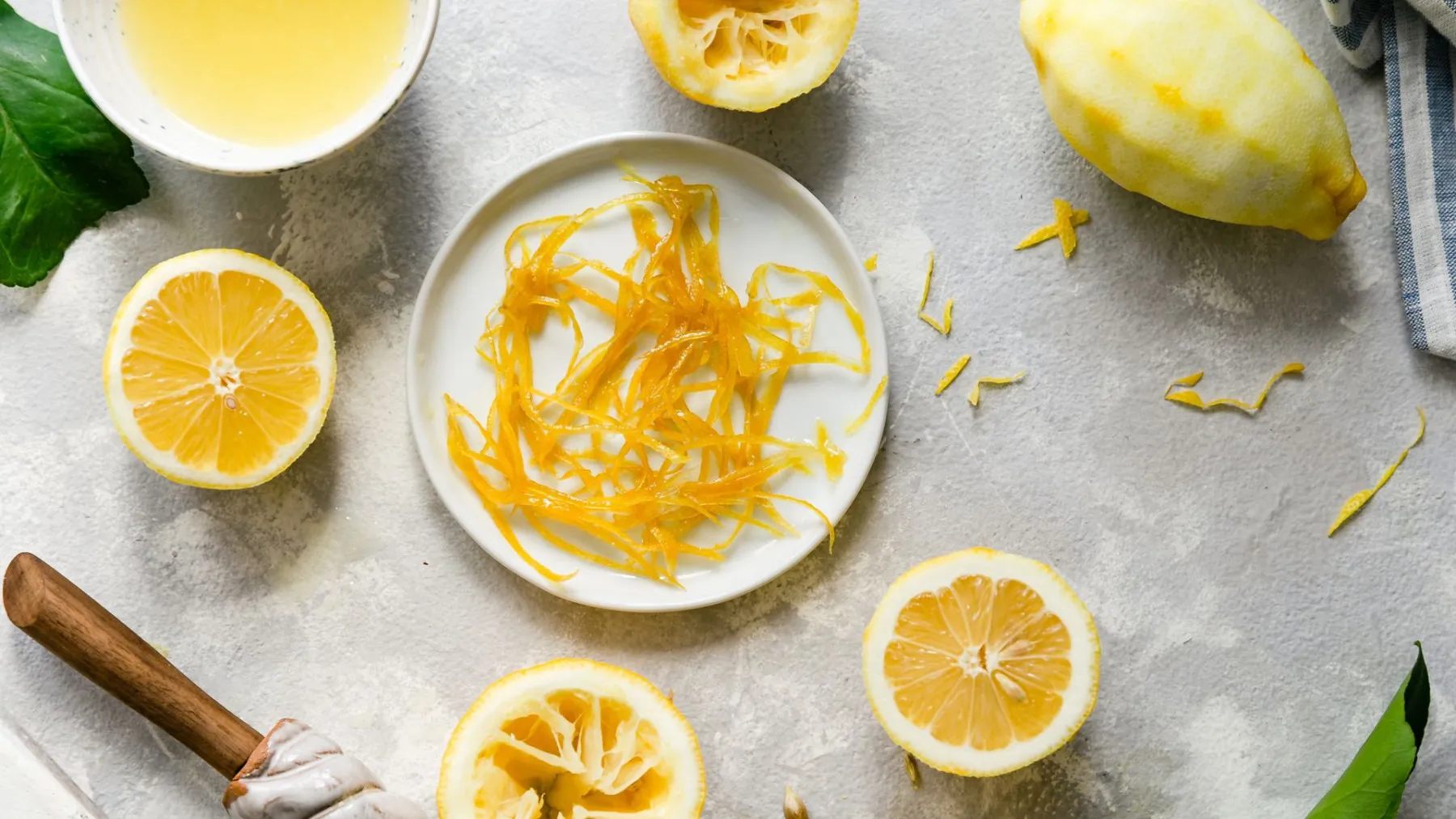
The juice goes into the tea, the rest into the bin. Mistake. The peel, the leaves, even the syrup -...
A disease you can stop before it even starts - but only in a country whose health system does not...
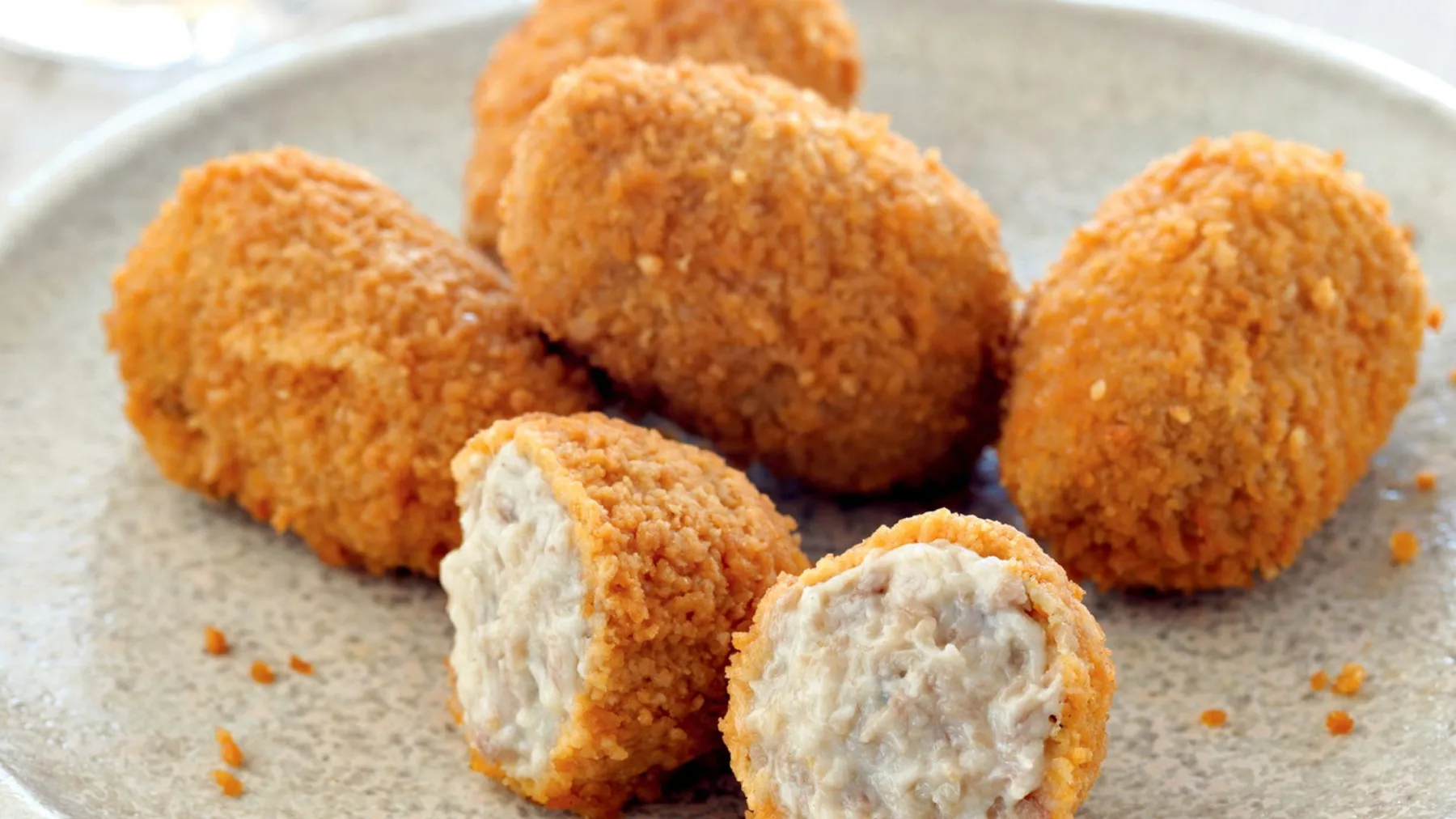
Spain's MasterChef just published a book of family recipes - and one of them isn't Spanish, isn't Italian, isn't Balkan....

The pop icon has announced a new album for July - but the question is how a 67-year-old body holds...
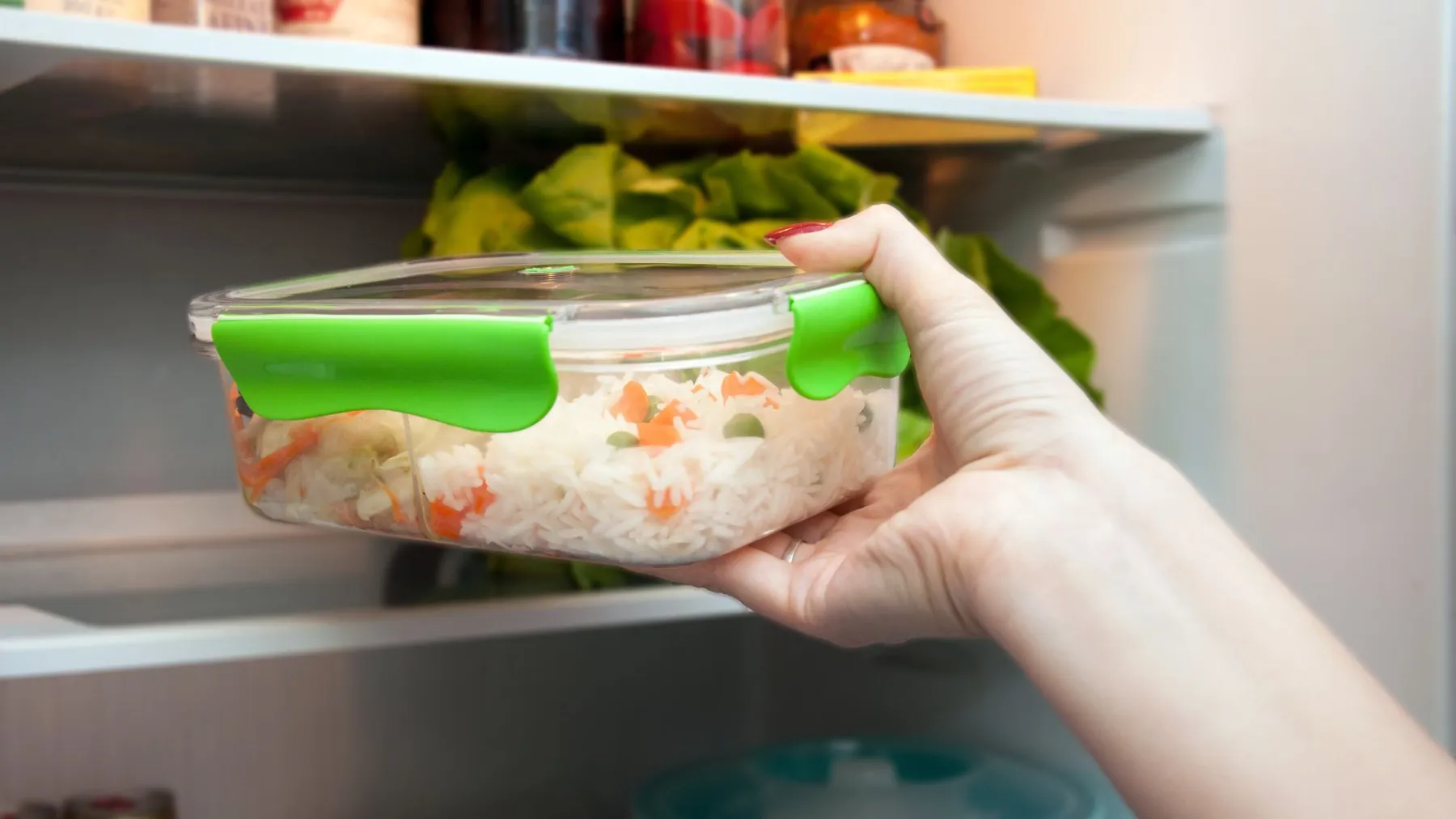
Nutritionists have concrete numbers - and the smell test almost always reacts too late.

Sleep specialists explain the phenomenon that hits every third person and that almost nobody understands properly.