A Fire Truck Burned Down Near Struga: Two Firefighters in Hospital, and the Season Has Barely Started
08.08.2026


08.08.2026
08.08.2026

08.08.2026

08.08.2026

08.08.2026

08.08.2026
08.08.2026
07.08.2026
06.08.2026
08.08.2026

08.08.2026

07.08.2026

08.08.2026

08.08.2026

08.08.2026
08.08.2026
07.08.2026
06.08.2026

08.08.2026
08.08.2026

08.08.2026
08.08.2026

08.08.2026
07.08.2026

09.03.2026

27.02.2026

19.02.2026
08.08.2026
07.08.2026
06.08.2026

23.04.2026

23.04.2026

12.04.2026
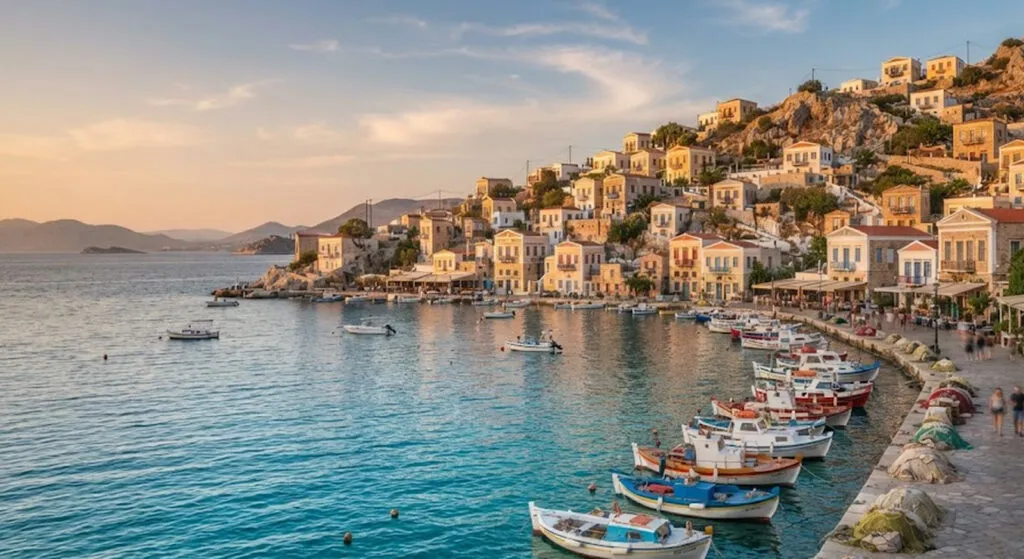
There are no cars on Hydra. No motorbikes either, no quad bikes. That is not the marketing slogan of some boutique hotel, but the island's rule: you reach the furthest corner by donkey, by horse, by boat or on foot. Imagine how many decisions on an island change once you take the car out of the equation.
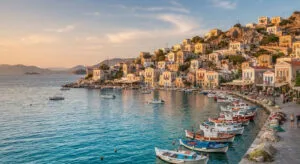
Hydra lies about two hours by ferry from Athens, in the Saronic Gulf. The port is the front door, and the first thing you see is an amphitheatre of stone houses climbing the slope. On the quay there are tavernas, jewellers, restaurants and water taxis. At the eastern end stands the Kavos bastion with the statue of Admiral Andreas Miaoulis, one of the heroes of the Greek War of Independence.
The island the fashion industry discovered but did not change
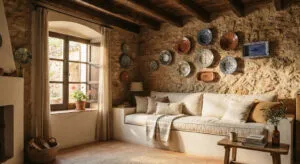
This year Hydra got attention it never asked for: a major Spanish home textiles brand shot its summer campaign at the To Pefkaki taverna, a wooden family taverna above the sea, at the end of a winding coastal path. The linen sheets, the local ceramics, the plain glasses and the candles became a reference for „Mediterranean style”.
It is a story we know in this part of the world too. Somebody arrives, photographs what people there have been doing for decades because it is practical, and then sells the same thing back as an aesthetic. The difference is that Hydra has no way of turning into something else - without cars, growth has a physical limit.
What there is beyond the port
From the quay, the promenade passes a row of elegant houses that once belonged to sea captains and today are hotels, galleries and small shops. To the west, a rocky headland leads to the two best-known beaches, Spilia and Hydroneta - clear water a few minutes from the centre.
The island has a surprising number of cultural spaces for its size: the DESTE foundation for contemporary art is housed in an old slaughterhouse, the Historical Archive has a neoclassical elegance, and the Cathedral of the Assumption is a former seventeenth-century monastery with a museum of Byzantine and ecclesiastical art.
Eleven trails and eighty kilometres
Here is Hydra's real story. The island has eleven walking routes and around eighty kilometres of paths crossing mountains, coves and monasteries. One of the most popular starts from the main town and leads to the monastery of Agia Fotini, where a small community of nuns still lives.
To the east the trail leads to the eighteenth-century monastery of Agia Triada, which served as a refuge during the War of Independence. From there the path splits - one branch drops down to Mandraki, an old naval harbour turned into a quiet coastal corner, the other continues towards the monastery of Agios Nikolaos.
The bays line up along the coast, each with its own character. Kaminia still looks like a calm fishing harbour. Vlychos invites a slower pace between clear water and greenery. Plakes is reached by water taxi. Bisti, surrounded by pines, rewards the visit with good conditions for diving.
Six hundred steps cut into rock
Hydra's most beautiful detail is not a beach. At the eastern end the terrain grows steep, and from a small cove begins a staircase of more than six hundred steps cut into living rock. They were made by a local shepherd who devoted ten years of his life to carving them.
At the top stands the monastery of Zourva, a cluster of white buildings where five nuns live. Every September the island's residents walk some seven kilometres in pilgrimage for their patron's feast day, sharing sweets, coffee and liqueurs with the sea as a backdrop.
And if you want one more step: the trail ends at Cape Zourva, where a nineteenth-century lighthouse stands. About a hundred and fifty metres from there is the small church of Saint Ioannikios, wedged almost impossibly into the rock. It was built by a captain who wanted to give thanks after surviving a storm. A local author described it as a place „deeply revered and dreamlike, where faith, the sea and the vertigo of the rock come together”.
That is the island - a beauty that is not trying to be noticed. The only question is how long that logic holds once the campaigns start discovering it.
The latest 10 news from this category
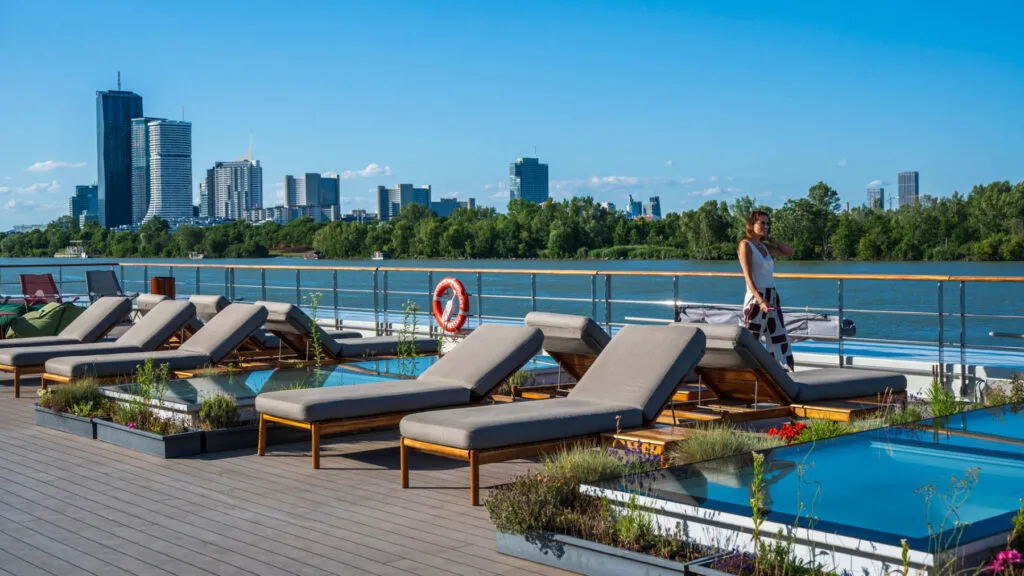
From Vienna to Budapest, stopping at Esztergom and Visegrád. A boat that docks in the old town centre, not twenty...
Everyone leaves early to beat the queue. The forecast says that is exactly when the queue is longest - and...
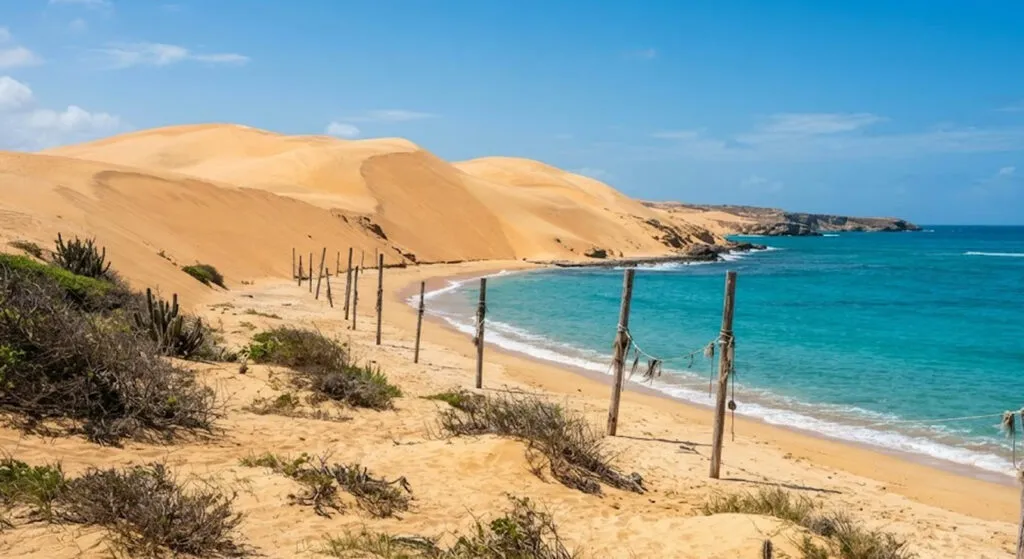
The town from One Hundred Years of Solitude does not exist. The landscape it was born from does, and it...
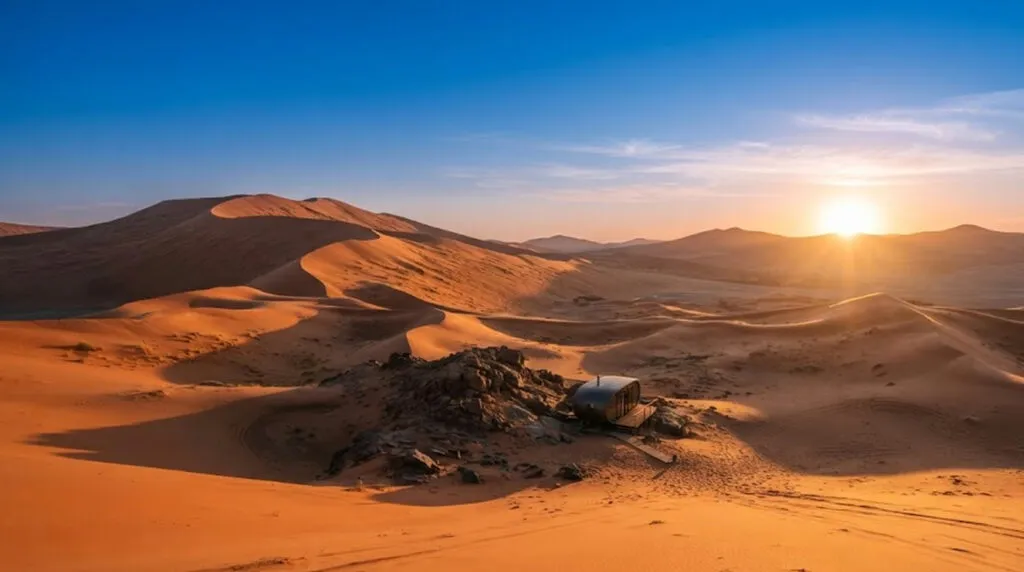
An oval structure of steel and glass on a rock in the Namib, with a telescope and a pool. The...
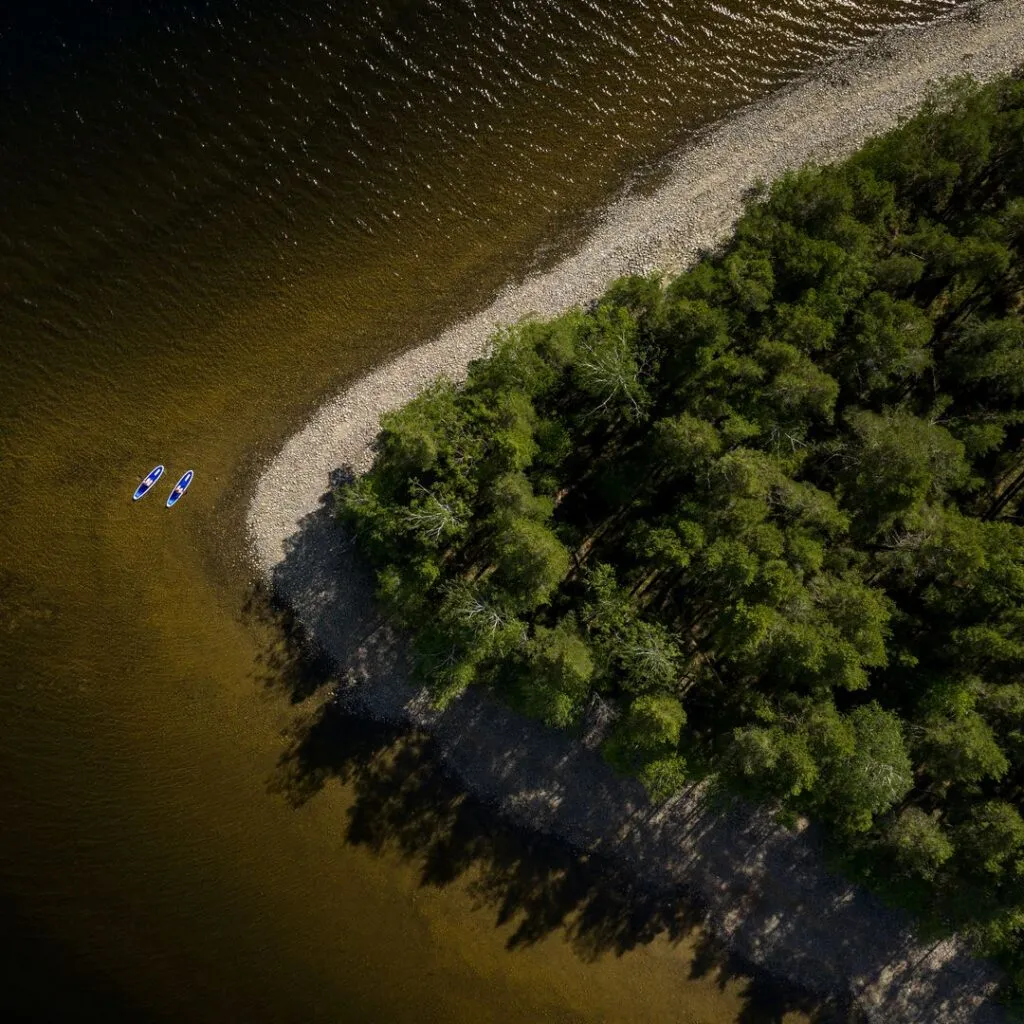
The ritual is wake, lake, forest, sauna, lake, sleep. Not one step requires a booking - and that is precisely...
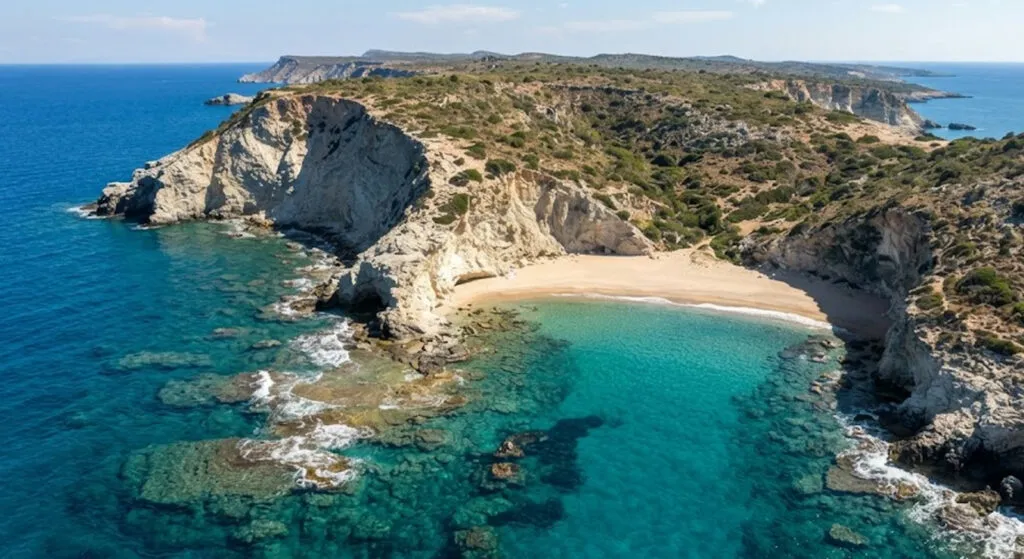
Black sand thrown up by volcanoes, a spring that kept pirates hiding here for centuries, and cliffs covered in fossils....
Bogorodica and Star Dojran are queued up, Medzitlija is moving. What the cameras show, when the jams hit, and what...
While some queue in traffic at 38 degrees, Europe has places where the August maximum is 13. Eight addresses that...
They call it the French California and that isn't an agency line. Four and a half kilometres of boardwalk, eleven...
The state of all three Greek border crossings live, with waiting times, a seven-day forecast and reports from drivers.
This site uses cookies - is that okay? Learn more
Be the first to know when Metla launches something new
Leave your email and we will write when there is a new guide or something new on Metla.