

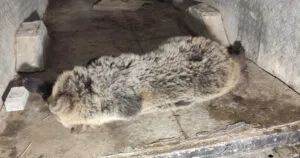
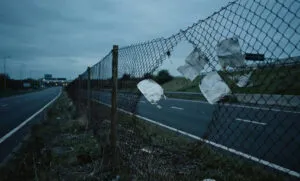
Bear cub killed on the Skopje-Tetovo motorway: the fence is a legal obligation, while the rescue team exists only in a Viber group
25.10.2026


25.10.2026
25.10.2026
25.10.2026
25.10.2026
25.10.2026
25.10.2026
25.10.2026
25.10.2026

25.10.2026
25.10.2026

25.10.2026
24.10.2026

25.10.2026

25.10.2026
25.10.2026
25.10.2026

24.10.2026

23.10.2026

25.10.2026

25.10.2026

25.10.2026
25.10.2026
25.10.2026

25.10.2026

25.10.2026
25.10.2026
24.10.2026
24.10.2026
22.10.2026
20.10.2026

23.04.2026

23.04.2026

12.04.2026

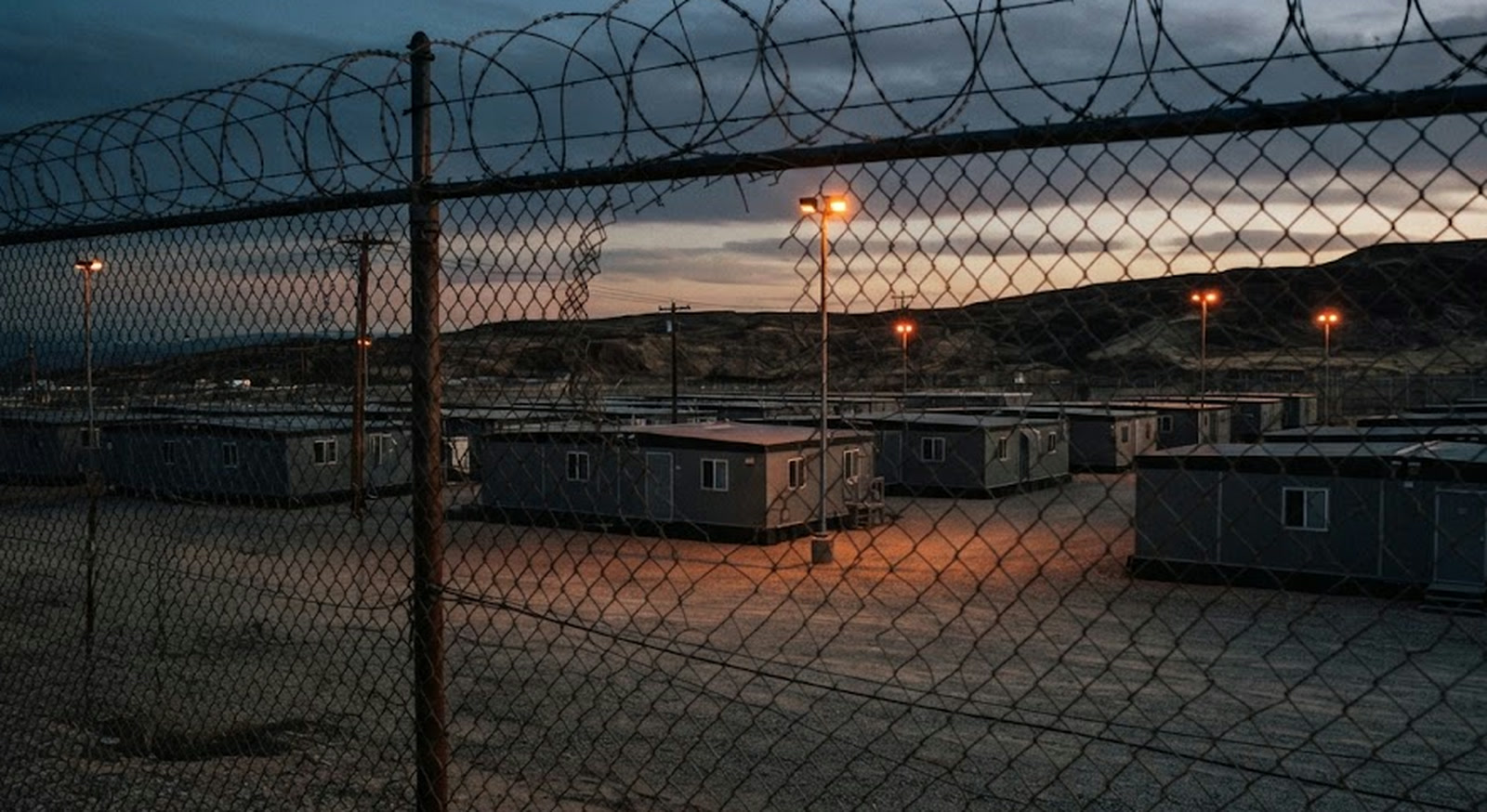
Italy came up with a model: migrant centres outside its own territory, in Albania, where Italian law applies as far as it is practical and oversight reaches as far as it is allowed. Amnesty International published a report on what happens inside. The numbers need no commentary.
At the Gjader centre, 42 critical incidents were documented in a period of just five weeks - between 11 April and 16 May last year. Among them: cases of self-harm, two attempted hangings and violent protests. According to Prime Minister Giorgia Meloni's party, over 500 people passed through the centre.
Eve Geddie, director of Amnesty's office at the European institutions, was blunt: „It is entirely clear that the Italy-Albania cooperation model cannot be implemented in line with Italy's human rights obligations.”
Why the location is the entire point
Gjader was opened in 2024, ostensibly for rescued migrants. It was then repurposed into a place holding male asylum seekers awaiting deportation. The report says detention in Albania endangers the rights to asylum and to legal protection - specifically because access to lawyers and courts is restricted.
That is not a side effect. That is the function. The distance between the detainee and the court is exactly what makes the model attractive to those who designed it.
Amnesty also states that the Italian government blocked independent oversight, limited parliamentary scrutiny and bypassed standard legislative procedures. The Italian government declined to comment. The research relied on correspondence with ministries, court documents, parliamentary reports, consultations with UN agencies and conversations with lawyers - so not on anonymous claims.
And now comes the part that concerns us directly
Despite all this, the model is gaining ever more support in the EU. Italian Foreign Minister Antonio Tajani recently argued for similar centres across African countries and in transit countries.
Transit countries. The Balkan route runs right through here. When Brussels starts looking for who will be the next Gjader, the candidate list will not be long and it will not be far away.
Albania has already shown what it means to host someone else's deportation policy: a centre on your soil, someone else's rules inside, and responsibility scattered widely enough that nobody is to blame. The question for every government in the region that gets such an offer is simple - what exactly do you get in return, and is it worth what it costs.
The latest 10 news from this category

Out of the canopy collapse that killed 16 people in Novi Sad grew a list that could topple Vučić. The...
Shot in his own home, and the suspects are people who knew him. From the mat, through the nightclubs, to...

Ipsos gives Vučić's list 47.4 percent and the students 40 percent, while the NSPM poll puts the students in front....
Over 6.4 million voters decide in a snap parliamentary election, and the last 48 hours are being spent on complaints,...

The last student rally before Serbia's election filled Slavija and the surrounding streets. The regime media looked the other way,...

An election-monitoring grant, given to an organisation that monitors elections, became proof of a plot to topple the government in...
Four days before a vote that could seriously threaten Vučić's grip on power, special forces are breaking down doors, and...
Eight days of stones and Molotovs in Tirana, and the Albanian prime minister sees a hand from outside. The Balkans...
Serbia's candidate for prime minister claims he warned the West several times. And when the question got specific, his answer...
Last year Bulgaria paid while Hungary, Czechia and Slovakia opted out. Now Sofia says "no" too - and Skopje gets...
This site uses cookies - is that okay? Learn more
Be the first to know when Metla launches something new
Leave your email and we will write when there is a new guide or something new on Metla.


