
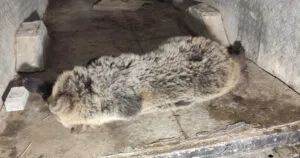
Bear cub killed on the Skopje-Tetovo motorway: the fence is a legal obligation, while the rescue team exists only in a Viber group
25.10.2026


25.10.2026
25.10.2026
25.10.2026
25.10.2026
25.10.2026
25.10.2026
25.10.2026
25.10.2026

25.10.2026
25.10.2026
25.10.2026
24.10.2026
25.10.2026

25.10.2026
25.10.2026
25.10.2026

24.10.2026

23.10.2026

25.10.2026

25.10.2026
25.10.2026
25.10.2026
25.10.2026

25.10.2026
25.10.2026
25.10.2026
24.10.2026
24.10.2026
22.10.2026
20.10.2026

23.04.2026

23.04.2026

12.04.2026


Serbia votes in snap parliamentary elections today, and for the first time in a long while the outcome isn't written in advance. The bloc of Aleksandar Vučić and the Serbian Progressive Party, which has ruled Serbia since 2012, is under serious threat for the first time - and not from the classic opposition, but from a movement born of tragedy. On 1 November 2024 the canopy of the railway station in Novi Sad collapsed, killing 16 people. Out of the anger over that canopy grew a list that today could bring down the most powerful man in Serbia.
Eighteen lists are competing for 250 seats, nine of them representing minorities. Just over 6.45 million citizens are eligible to vote, and the threshold is three percent, except for minority lists. In September Vučić gave up the presidency to head the list "Aleksandar Vučić - United Serbia" and return to the prime minister's office. He was prime minister from 2014 and then president of the country. His opponents accuse the government of controlling institutions and the media, abusing state resources and corruption. Vučić and the SNS reject all the accusations.
A doctor against the machine
The main challenger is called "Student List - The Students Are Winning". At the top of the list is Ilija Srdanović, a cardiologist from Novi Sad, born in 1970, working at the Institute of Cardiovascular Diseases of Vojvodina since 1997 and a full professor at the Faculty of Medicine. Among the 250 candidates are doctors, professors and people from the cultural world, most with no party experience whatsoever. Their issues are the rule of law, fighting corruption, opening up the secret contracts on big infrastructure projects and reviewing environmentally disputed projects, including lithium mining.
What the students avoid says almost as much as what they say. Kosovo, relations with Russia and EU membership have been pushed into the background, and Serbia's role in the wars of the nineties isn't touched at all - although the list is clearly against Kosovo's independence. Srdanović himself has an unexplained part of his biography: on one programme he said that during the war he was drafted as "a regular soldier, rifle in hand", but he didn't say which war, which army he served in, or where.
Also in the race are the "Stability Factor" of Ivica Dačić, the SNS's long-time partner in government, the pro-European coalition "European Serbia" of Marinika Tepić and Zdravko Ponoš, and Miloš Jovanović's "Authentic Right". Environmental activist Aleksandar Jovanović Ćuta withdrew from the election so as not to split the opposition vote and is backing the students.
A poll for everyone
Polls in Serbia say more about who commissioned them than about voters. Surveys close to the government give Vučić a commanding lead. A late September and early October survey by "Nova srpska politička misao", among decided voters, puts the students at 44.5 percent and Vučić at 42.7 percent. Turnout will be key: the SNS has a disciplined voter base, while the students depend on young people and on those who usually don't vote. Because of the D'Hondt system, votes for lists that don't pass the threshold indirectly strengthen those that make it into parliament.
The battle after the polls close
In Serbia people are already talking more about the night after the election than about the election itself. Nemanja Šarović, a former Radical and now president of the Love, Faith, Hope Movement, has called on citizens to resist peacefully if Vučić declares victory and people doubt the vote was fair. "Don't fight with the police. There are more of us," he said, calling for "Gandhian resistance" and a blockade of Serbia if the election is, as he put it, stolen.
Tension rose further with the arrest of political analyst Dejan Lučić, suspected of causing panic and unrest after posting a TikTok video claiming the election would be stolen and that the army and police would retreat before the crowd. The Association of Free Trade Unions called on institutions to protect citizens and stay impartial, and the academic crisis centre of the "Rebel University" initiative announced a 24-hour hotline for reporting repression, police brutality or arrests.
When unions and professors open hotlines for reporting police brutality before the vote has even happened, it tells you how worn out trust in institutions is. The Balkans know the scene: a canopy or a bridge falls because of someone's negligence, and responsibility runs from office to office. In Serbia, a political force grew out of that. Tonight we'll see whether anger on the street can turn into seats in parliament - and whether the government will accept the numbers once it has counted them.
The latest 10 news from this category
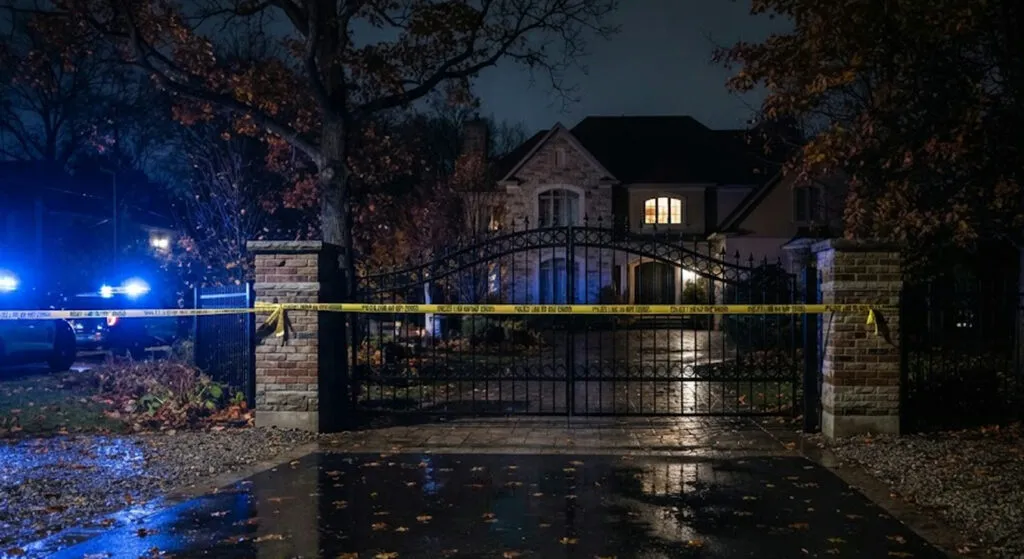
Shot in his own home, and the suspects are people who knew him. From the mat, through the nightclubs, to...

Ipsos gives Vučić's list 47.4 percent and the students 40 percent, while the NSPM poll puts the students in front....
Over 6.4 million voters decide in a snap parliamentary election, and the last 48 hours are being spent on complaints,...

The last student rally before Serbia's election filled Slavija and the surrounding streets. The regime media looked the other way,...

An election-monitoring grant, given to an organisation that monitors elections, became proof of a plot to topple the government in...
Four days before a vote that could seriously threaten Vučić's grip on power, special forces are breaking down doors, and...
Eight days of stones and Molotovs in Tirana, and the Albanian prime minister sees a hand from outside. The Balkans...
Serbia's candidate for prime minister claims he warned the West several times. And when the question got specific, his answer...
Last year Bulgaria paid while Hungary, Czechia and Slovakia opted out. Now Sofia says "no" too - and Skopje gets...
Seven MEPs are coming to monitor Serbia's election, and Brnabić knows they're biased before they've even landed. If the government...
This site uses cookies - is that okay? Learn more
Be the first to know when Metla launches something new
Leave your email and we will write when there is a new guide or something new on Metla.


