
Five Fire Fronts in One Night Near Raec: The Mayor Sounds the Alarm on Facebook, Prevention Is Once Again a Topic for September
03.08.2026


03.08.2026

03.08.2026

03.08.2026

03.08.2026
03.08.2026

03.08.2026

03.08.2026

02.08.2026

02.08.2026

03.08.2026

03.08.2026

02.08.2026

03.08.2026

02.08.2026

01.08.2026

03.08.2026

03.08.2026

03.08.2026

03.08.2026

03.08.2026

03.08.2026

09.03.2026

27.02.2026

19.02.2026

03.08.2026

03.08.2026

03.08.2026

23.04.2026

23.04.2026

12.04.2026
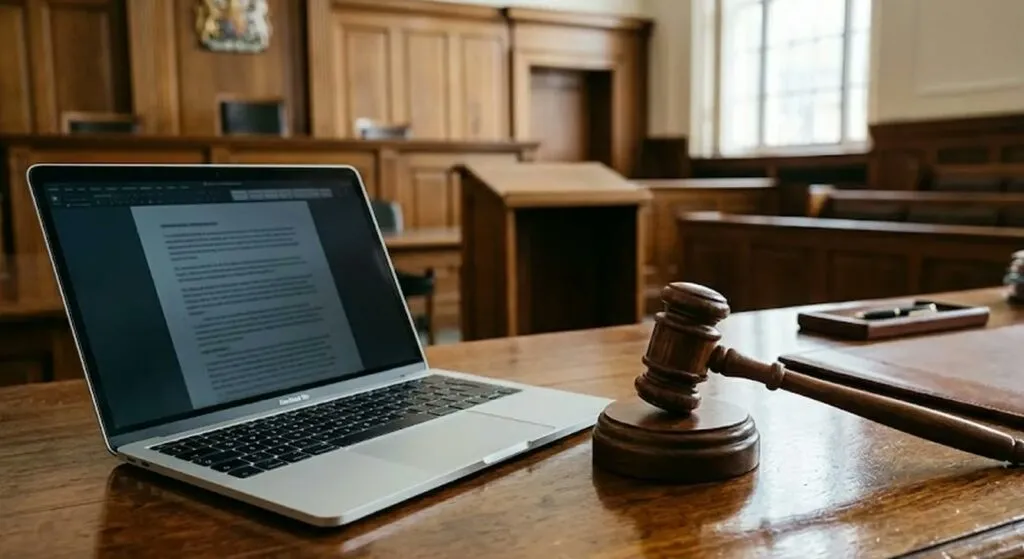
In the trial between Elon Musk and OpenAI, the final round of closing arguments came down to one question - can the people building artificial intelligence be trusted? Jurors are now deciding whether OpenAI breached some obligation when it mutated from a nonprofit into several different structures on the road to profit. The answer will carry weight far beyond this trial.
Musk's attorney, Steve Molo, aimed at the main fracture - the inconsistency of Sam Altman's statements. Asked about his testimony before Congress, where Altman said he had no shares in OpenAI, he answered that everyone understood the rules - he held a passive investment through the Y Combinator fund. He read this as "no shares." Musk's lawyers read it differently.
Journalist Kirsten Korosec, on a podcast discussion, looked at the problem more broadly. "This is a fundamental question for tech journalists, regulators and consumers - for all AI labs," she said, stressing that private companies keep transparency to a minimum. When companies with 900 billion dollar valuations operate almost in fog, the duty of truth is not just ethical - it is economic.
The contrast between the two leaders is interesting. Musk, Korosec noted, has a history of false claims on Twitter, but in court - he was combative and direct. Altman was muted, conciliatory, constantly signaling that he was "working on it." Two approaches that say something about different personal stances on accountability - but both end in the same place: doubt.
A podcast guest, Sean O'Kane, summarized what many in the industry think: "I don't believe him." That is not just a personal verdict. It is a stance that is spreading wherever there is financial interest - among investors, users, and regulators. The trust question will be a central part of future AI lab IPOs, and the answers so far do not sound convincing.
For the Balkans, this question is not far away. The same companies Europe leans on for tools in work, education, and healthcare are the same ones who, in a courtroom, cannot guarantee the honesty of their own statements. When regulators in Brussels are ready to act - and they already are, through the AI Act - the scene in California will be one of the key legal arguments.
The latest 10 news from this category
The operator covering 67 million consumers admitted it does not have power for everyone and decided in advance who gets...
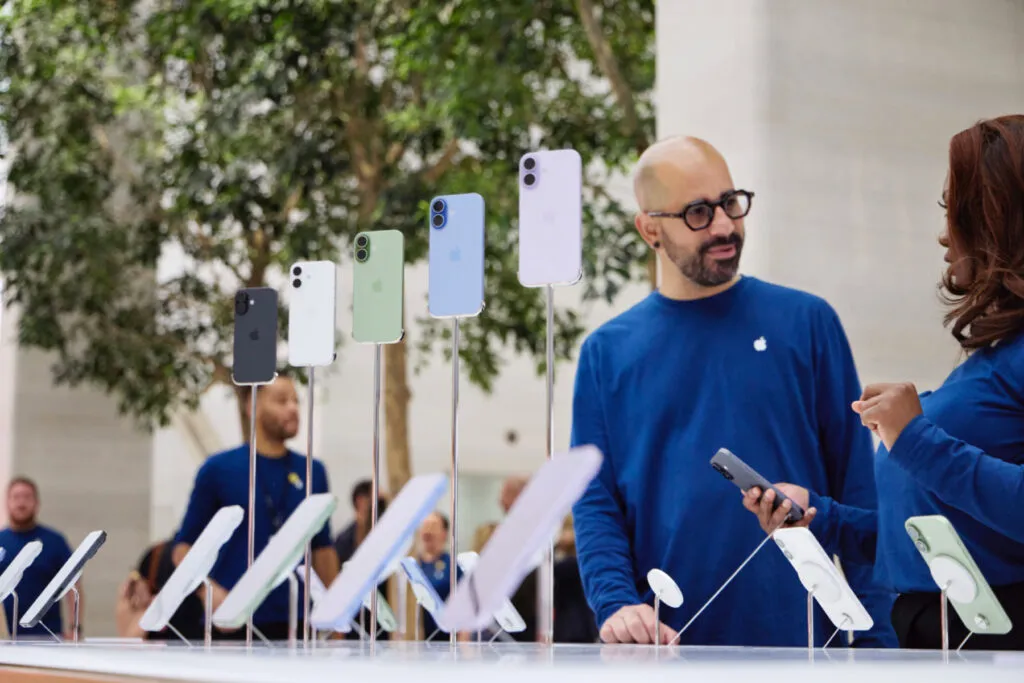
Sales are not falling because people got poorer, but because old phones stopped breaking on schedule. The industry's answer is...

Opus 5 set a record in the test and broke 11 agreements. Not one of the tricks is new -...

The billions were announced with a stage and slogans. The retreat is happening quietly, in sentences containing the word alignment.
In his last quarterly report Tim Cook announced the stronger Siri will be bought through iCloud+. The firm that paid...

The platforms that spent years convincing us automated content was the future are now patiently building filters against it. The...
Out of 141,006 test runs, three ended up inside the live systems of real firms. The oldest model worked out...
The strongest June quarter in its history, and the stock fell 6 percent. Artificial intelligence turned out to have a...

The FCC is closing the door to humanoid robots and power inverters, but only new ones. The millions of Chinese...

The player that raised the MP3 generation is betting nostalgia can be billed monthly. The new Winamp arrives in 2027,...
This site uses cookies - is that okay? Learn more
Be the first to know when Metla launches something new
Leave your email and we will write when there is a new guide or something new on Metla.