
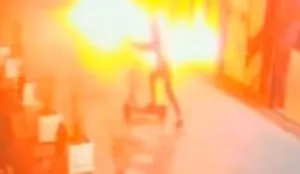
They Rode In on Scooters, Torched the Shops and Left: The Fire in Shuto Orizari Burned for Three Hours, Setting It Took Fifty Seconds
13.09.2026


13.09.2026

13.09.2026
13.09.2026

13.09.2026
13.09.2026

13.09.2026
13.09.2026

12.09.2026

11.09.2026

13.09.2026
13.09.2026

12.09.2026

13.09.2026

13.09.2026

13.09.2026

13.09.2026

12.09.2026

11.09.2026

13.09.2026

13.09.2026

13.09.2026
13.09.2026

13.09.2026

12.09.2026

09.03.2026

27.02.2026

19.02.2026

13.09.2026

12.09.2026

11.09.2026

23.04.2026

23.04.2026

12.04.2026

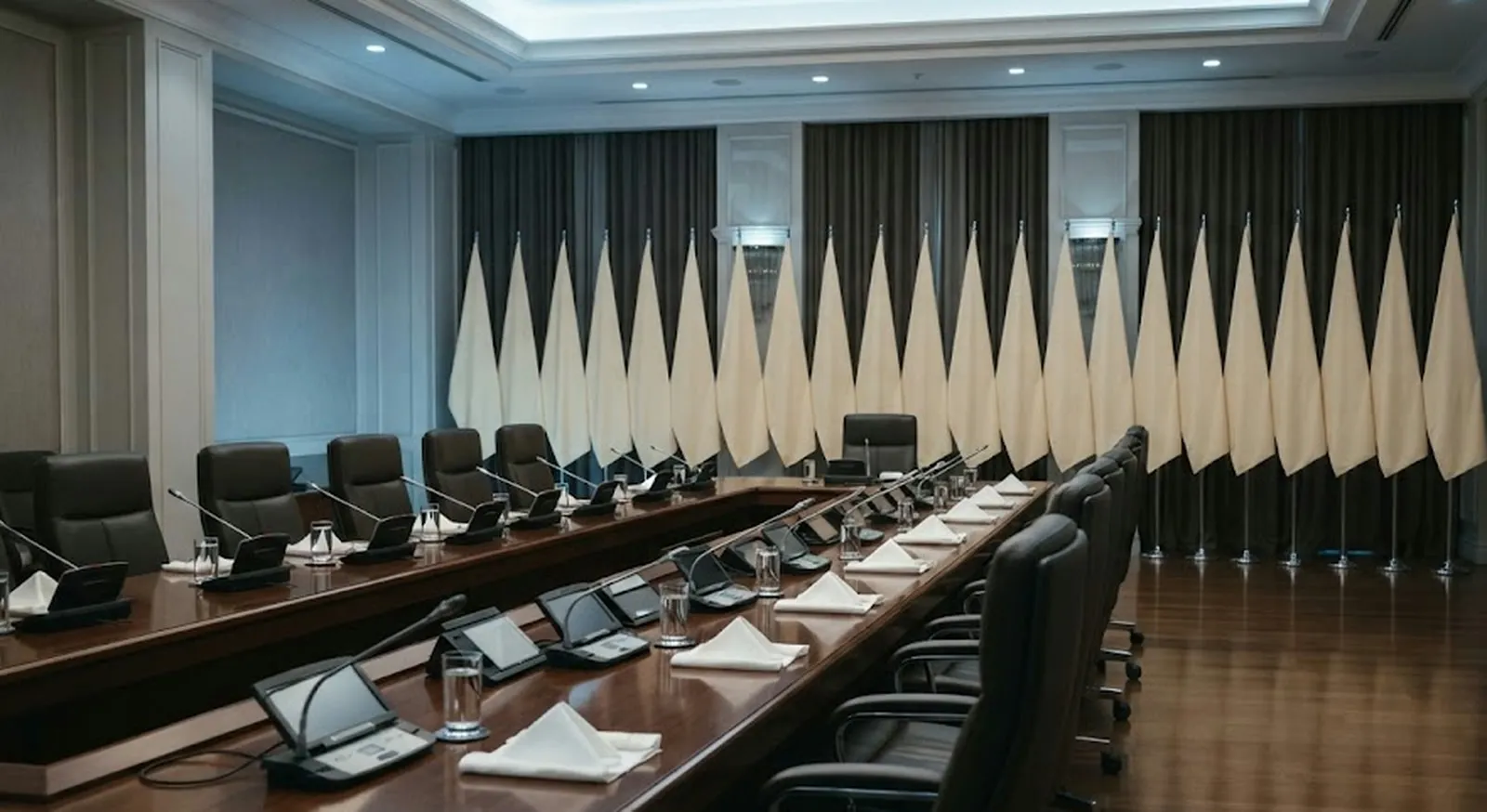
For the first time, Macedonia has sat down at the table of the “coalition of the willing” - the group of countries gathered around Ukraine. At the meeting in Paris on 13 July, focused on strengthening Ukraine’s air defence, Macedonia took part alongside Moldova as new members, given that it is already part of NATO.
Let’s clear away the dust from the sensational headlines circling the region right away. Macedonia is not entering the war and is not sending soldiers. This is about a political presence at a meeting where the talk is of missile defence and of ways to reinforce Ukraine’s defence against Russian attacks. The difference between “taking part in an air-defence meeting” and “joining a war against Russia” is enormous - and it is precisely that difference some outlets deliberately erase in order to scare.
The coalition is not small. The core is made up of nine European countries and Ukraine - Denmark, France, Germany, Italy, the Netherlands, Norway, Spain, Sweden and Britain - with around 37 countries involved in total, in person or by video link. This time the topic was a comprehensive missile-defence system and the details of the American plan to produce “Patriot” missiles directly in Ukraine.
What does this mean for us? Macedonia, as a NATO member, is moving in the same direction as the rest of the alliance - that is no surprise. But the question every citizen has the right to ask is this: how much does this presence cost, what exactly is expected of us, and why do we usually find out about decisions like this through foreign headlines rather than from our own government? Joining the big alliances carries both weight and a price. Clarity about that price is not a luxury - it is the duty of any government that decides in our name.
The latest 10 news from this category
A third attempt in three years, but this time the signatures came from the government benches too. Six MPs from...
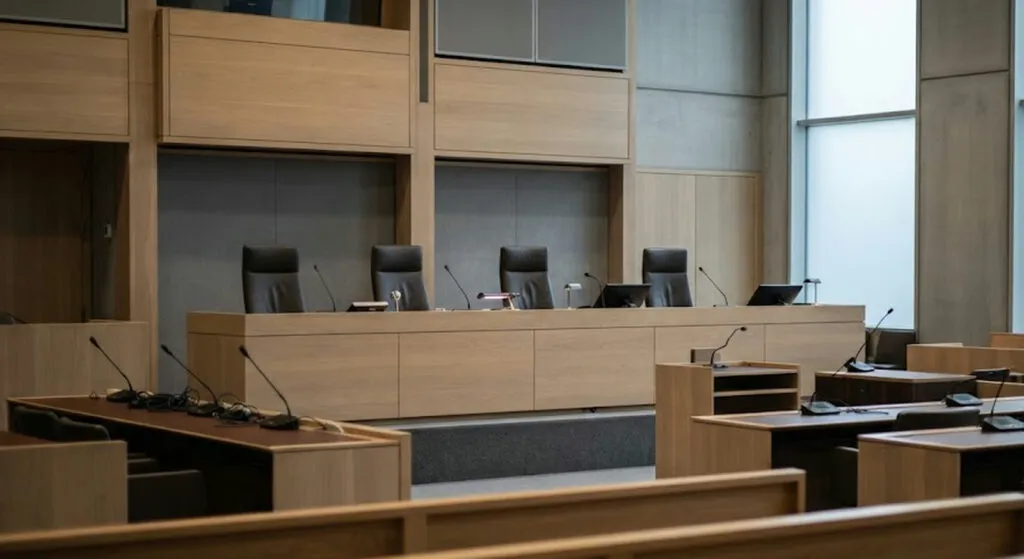
Four days before the Hague verdict, the square in Pristina told the court it should back down. Among the guests...

Nobody banned anything - the line item simply stopped paying for itself. That is the purest version of modern censorship,...

The stated reason is expensive production and weak commercial return. The timing is two months before an election. In Belgrade...

Zukan Helez asked the international community to withdraw its signature from the existence of Republika Srpska - then added that...
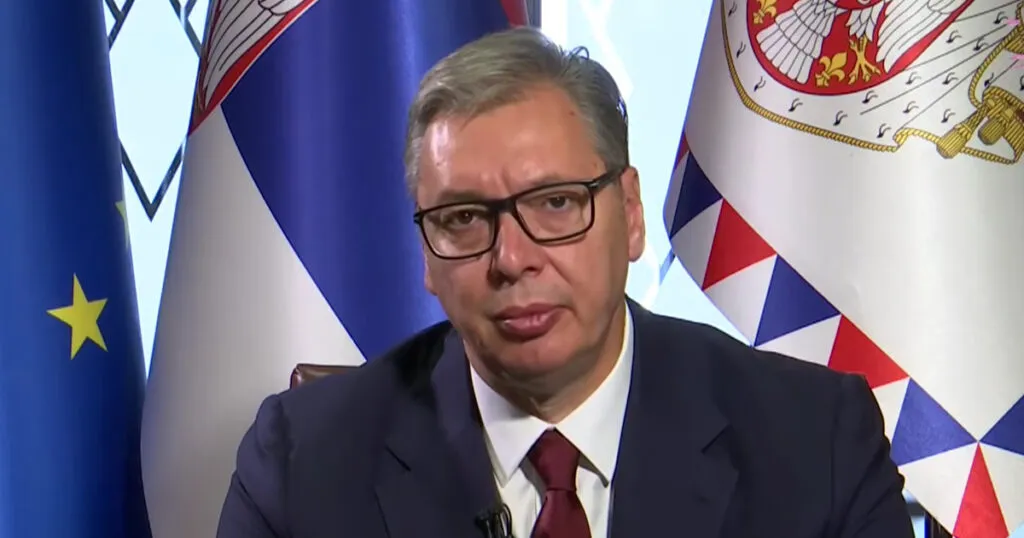
The government asked itself for elections, and packaged the reason as global instability. Serbia votes on 25 October - with...
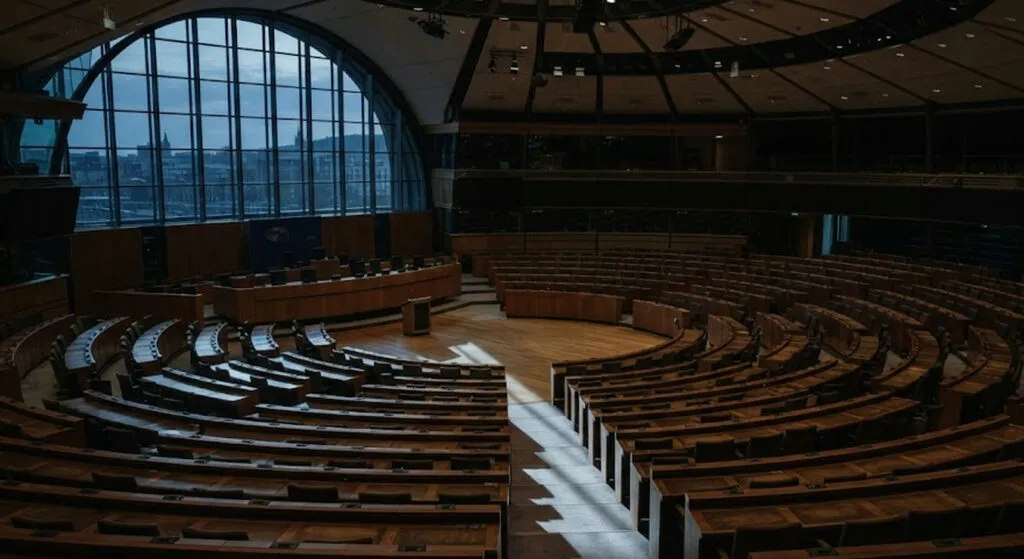
Almost every German party condemned the Serbian government over the state send-off for Ratko Mladic. The one that did not...
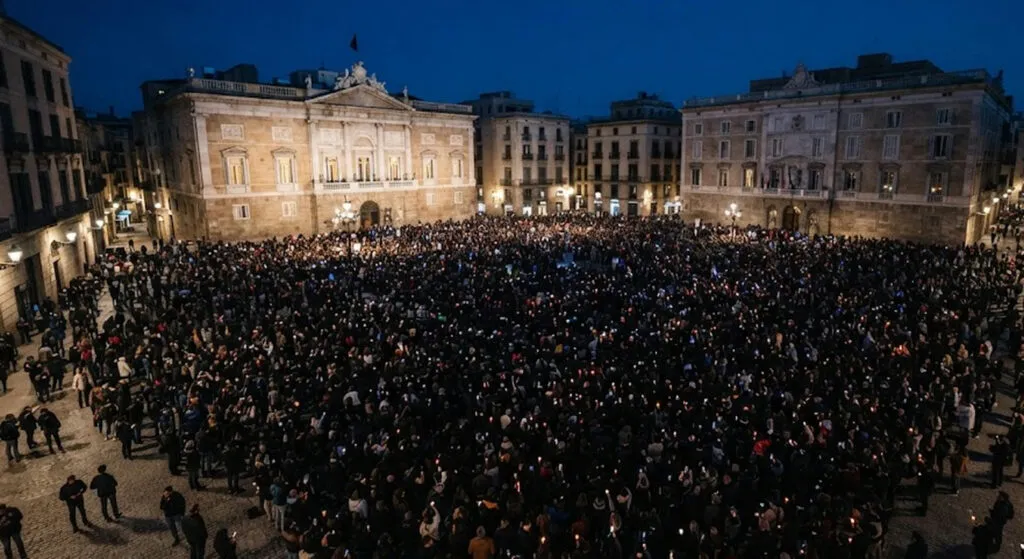
The previous government recognised Palestine. The new one is opening an Israeli embassy. Between the two there is not a...
Serbia sent six ministers but not the leadership of the state - and then claimed these were not state honours....
Belgrade kept the last direct air link between Russia and Europe, and is now opening a route to an enclave...
This site uses cookies - is that okay? Learn more
Be the first to know when Metla launches something new
Leave your email and we will write when there is a new guide or something new on Metla.
