
Торцида пееше за Аушвиц и Хитлер во Сплит, а основачите на ХДЗ бараат истрага дали зад тоа стои Србија
17.10.2026


17.10.2026
17.10.2026
17.10.2026

17.10.2026
17.10.2026

17.10.2026
17.10.2026
16.10.2026
15.10.2026

17.10.2026

17.10.2026

16.10.2026

17.10.2026

17.10.2026

17.10.2026

17.10.2026

16.10.2026

15.10.2026

17.10.2026

17.10.2026

17.10.2026

17.10.2026

17.10.2026

17.10.2026

16.10.2026

15.10.2026
14.10.2026
15.10.2026
13.10.2026

12.10.2026

23.04.2026

23.04.2026

12.04.2026

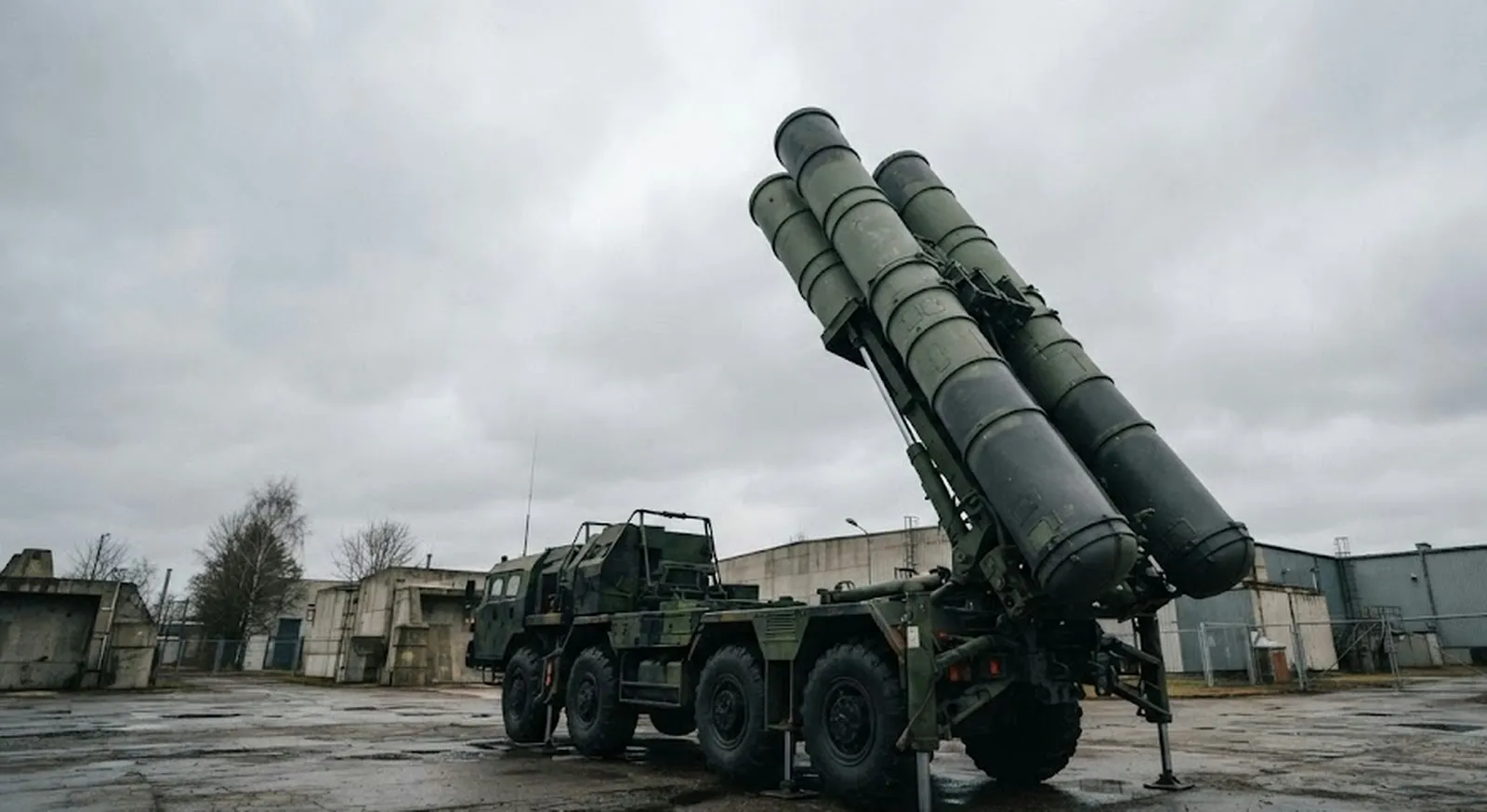
At the NATO summit in Ankara, Croatian President Zoran Milanović didn't keep quiet about a topic many in the region would rather avoid: the arming of Serbia. Milanović openly stated that Serbia possesses long-range Israeli missiles - with a range, in his words, of several hundred kilometres - and that it was his duty to raise it before the alliance. "NATO must know something about this," he said.
The Croatian president went a step further, announcing that Croatia would have to respond "symmetrically" - that is, equip itself with something similar, as he puts it, for defensive reasons. With that, the old Balkan logic returned to the table: the moment a neighbour buys weapons, you must too, because otherwise you stay "more vulnerable." We know the spiral by heart - everyone arms up "just for defence," and in the end the whole region sits on a bigger pile of weapons than ten years ago.
Serbia has for years openly modernised its army, acquiring hardware from Russia, China, and now, according to these claims, from Israel as well. Whether it really is missiles of such range, or a politically alarmist performance for the cameras at the summit, is hard to confirm without independent data. Milanović is a politician whose sharp rhetoric toward Belgrade has never hurt him at home.
But let's set aside who believes whom and how much. The point for the ordinary citizen in the Balkans is different and simpler: while leaders compete over who has longer missiles, not a single one of those millions of euros goes into hospitals, schools or wages. A region that has been emptying for decades of people fleeing abroad suddenly finds a budget for weapons. Every arms race in the Balkans has the same price - it's paid by those who stay.
The latest 10 news from this category
Осум хрватски услови, 2,7 милијарди евра за воен имот од СФРЈ и едно име на базен - доволно црногорскиот пратеник...
Еден руски воен блогер, неговата сопруга и уште три лица протерани од Црна Гора - и Москва веќе зборува за...
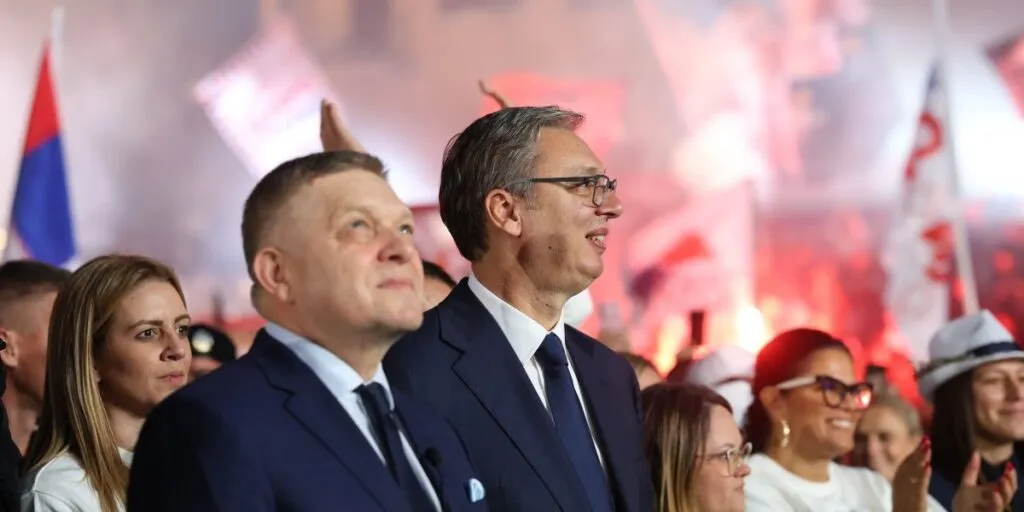
Премиер на земја од ЕУ и НАТО се качи на предизборна бина во Србија и порача дека странците не треба...
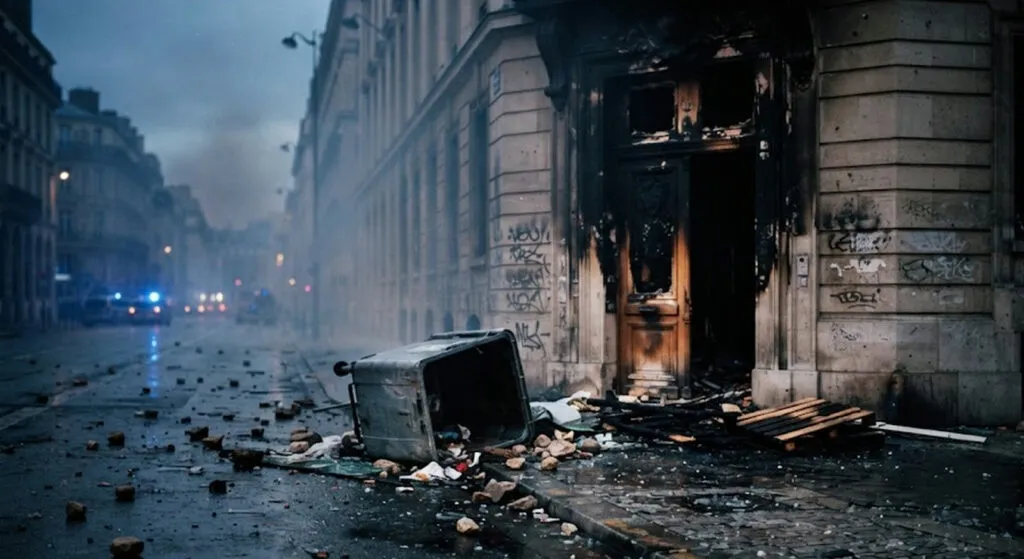
It started with expensive degrees and poor conditions at universities, and has reached burning ministries and 55 arrests. Is the...

Serbia accuses Zagreb of "the grossest interference in the electoral process" over newspaper articles, and Croatian reporters are bracing for...
Belgrade counted Croatian articles about Vučić and declared election interference. Meanwhile Vučić's campaign ad is almost a copy of a...
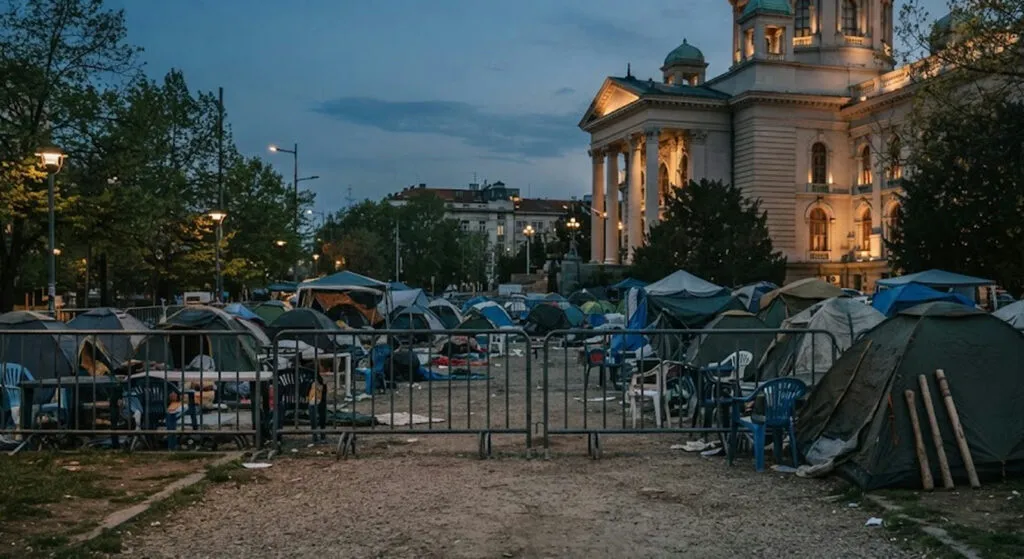
Batons, pepper sprays, balaclavas and a hundred-odd revolvers in Ćacilend, a salary for no work and cash from the city...
From November 1, Russians will no longer enter Montenegro on a passport alone, and Moscow immediately answered with visas for...
Belgrade has refused to sanction Moscow for years, and now Vučić claims even the US no longer fully enforces sanctions....
Of the four questions only one is binding, and the one that matters most to people from the former Yugoslavia...
This site uses cookies - is that okay? Learn more
Be the first to know when Metla launches something new
Leave your email and we will write when there is a new guide or something new on Metla.