
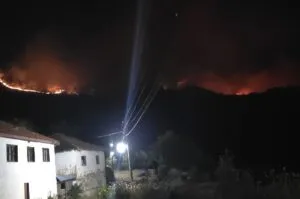
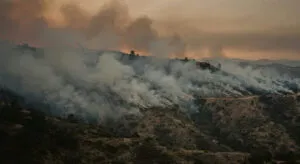
33 fires in 24 hours: a beech forest is burning in Kicevo, and near Kumanovo the flames reached the houses
24.08.2026


24.08.2026
24.08.2026
24.08.2026
24.08.2026
24.08.2026
24.08.2026
24.08.2026

23.08.2026
22.08.2026

24.08.2026

24.08.2026

23.08.2026
24.08.2026
24.08.2026

23.08.2026

24.08.2026
23.08.2026

22.08.2026

24.08.2026

24.08.2026

24.08.2026

24.08.2026

24.08.2026

23.08.2026

09.03.2026

27.02.2026

19.02.2026
24.08.2026
23.08.2026
23.08.2026

23.04.2026

23.04.2026

12.04.2026
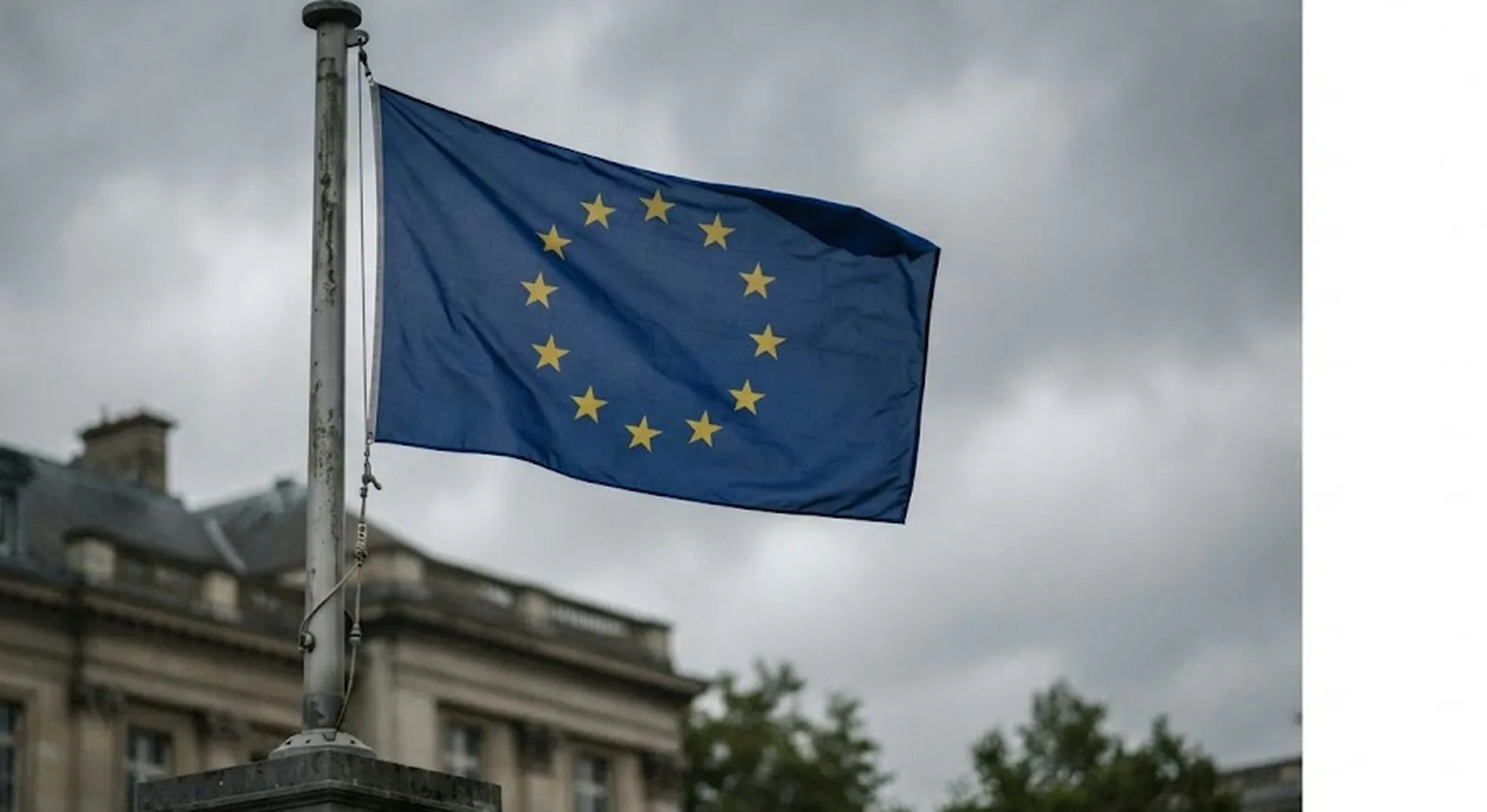
Serbia is again knocking on the door of the European Union, but this time a blow is being prepared from the inside. The Netherlands is preparing to block the opening of the new negotiating phase - the so-called "Cluster 3" - over concerns about the rule of law, the independence of the judiciary and human rights. And since every step requires the consent of all 27 member states, one is enough to say no.
The reasons are not pulled out of thin air. A confidential European Commission report points to "pressure on civil organizations and journalists" and "smear campaigns" against those demanding reforms. There is no progress in the major corruption cases either - including the investigation into the collapse of the railway station canopy in Novi Sad, in which 16 people died. Then there is the January legislation, which legal experts say undermines the independence of the judiciary.
And, of course, there is Russia. While Ukraine and Moldova wait for formal negotiations, Serbia maintains close ties with Moscow - something part of Brussels no longer wishes to ignore. The Netherlands is not alone; the blockade is backed by at least two more member states.
Belgrade responds with the usual vocabulary. Foreign Minister Marko Djuric claims that "the latest legislative and institutional steps strengthen the rule of law." Integration Minister Nemanja Starovic complained that "Serbia has been stuck at this point for almost five years now." Every government that has stood before the European door knows this sentence - the blame is always with others, never with the mirror.
For the whole region, this is a familiar and painful picture. The Balkans have stood in the same waiting room for decades, and the door opens just enough not to close entirely. The question we rarely ask out loud is whether the problem lies only with Brussels changing the conditions, or also with the fact that at home reforms stay on paper while officials look for who else is to blame. Europe asks for evidence, not statements - and evidence is built at home, not in press releases.
The latest 10 news from this category
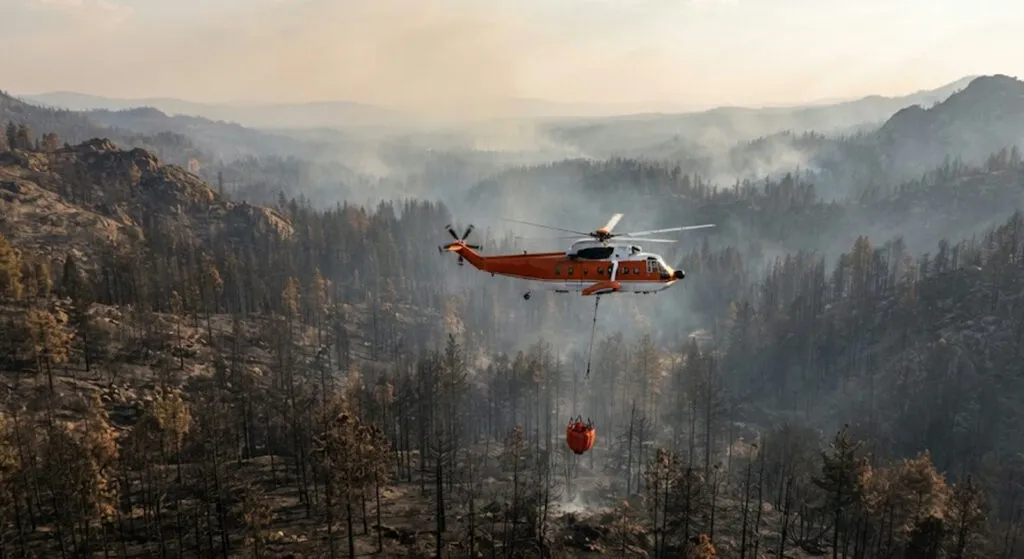
One portable toilet burned down, along with 3,960 hectares, and the helicopters are arriving from Czechia, Slovakia, Romania and Russia....
Four suspects, two of them minors. One admitted he was hired by a man with a record known for recruiting...
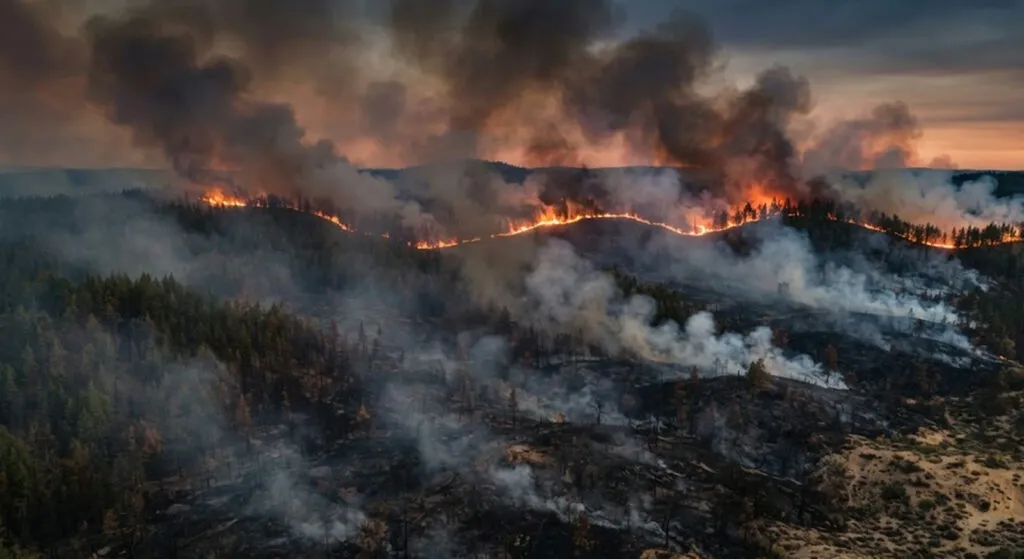
Dacic activated the European civil protection mechanism. The humus is burning below the surface, so areas declared extinguished flare up...
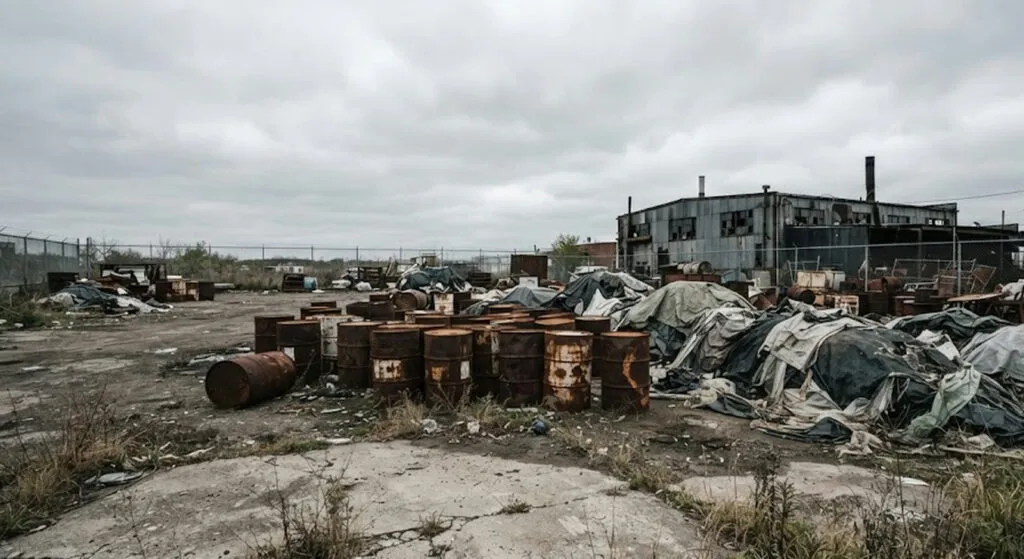
Croatia's prime minister invoked the Serbian canopy scenario to describe his own opposition. In the soil near Gospic, meanwhile, heavy...
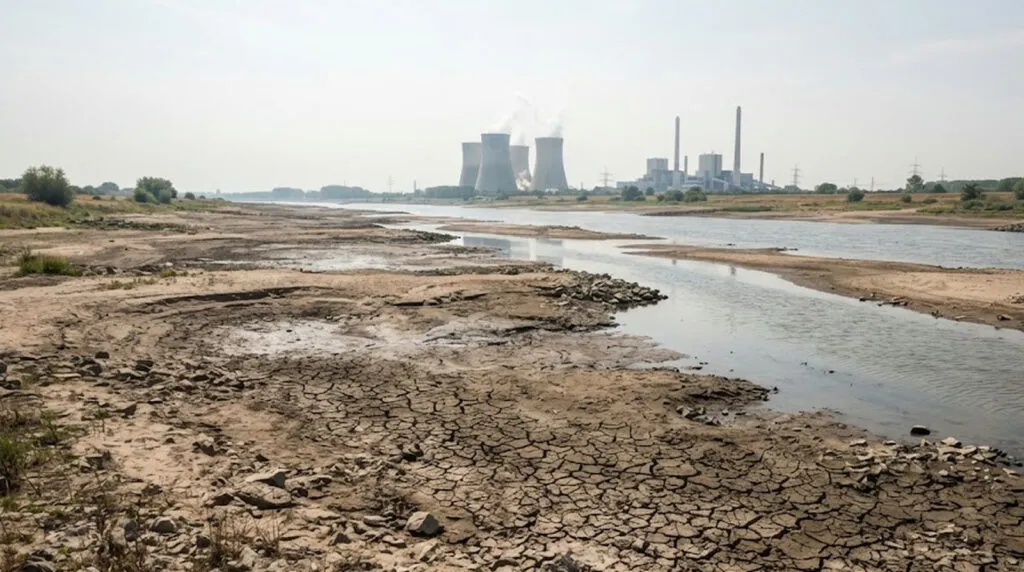
Not a fault, not a sanction - a drought. Kozloduy is cutting 120 megawatts, Paks and Cernavoda already reduced output....
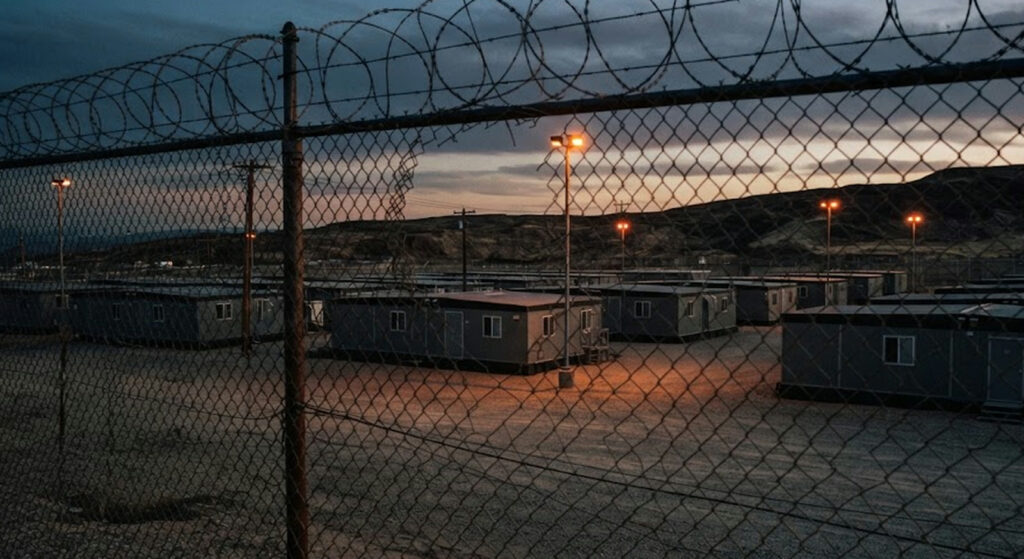
Two attempted hangings and self-harm at Gjader, Amnesty says. Tajani is already calling for similar centres in transit countries -...
A Portuguese fund has taken over Serbia's loudest critical newsrooms, and the management fell before Luxembourg approved the transaction. In...
The mechanism is worth a billion euros and stands open to everyone. Bosnia has not submitted a single project, and...
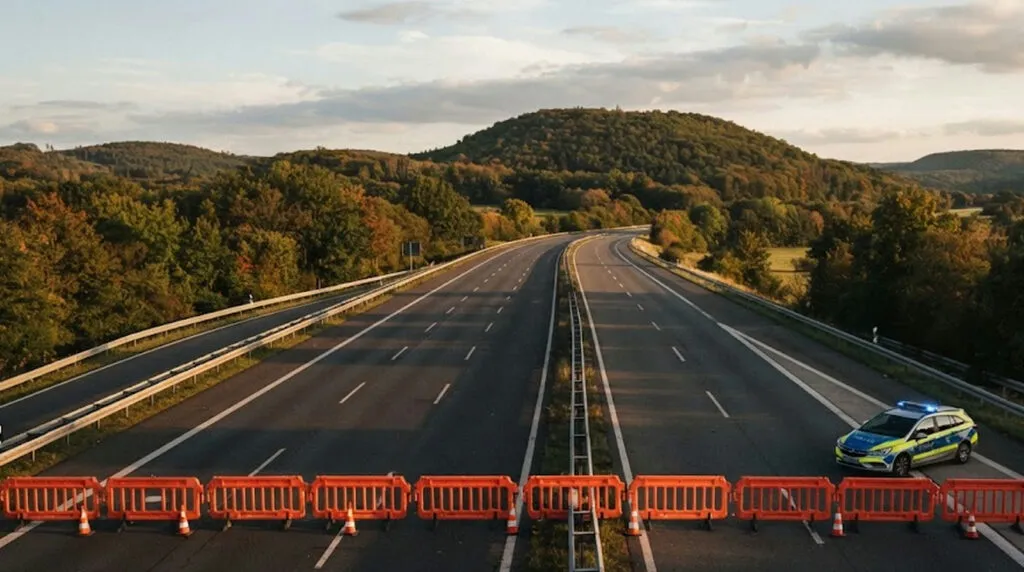
Police shut part of Croatia's most important motorway because a clash between football fans was expected at a service area....
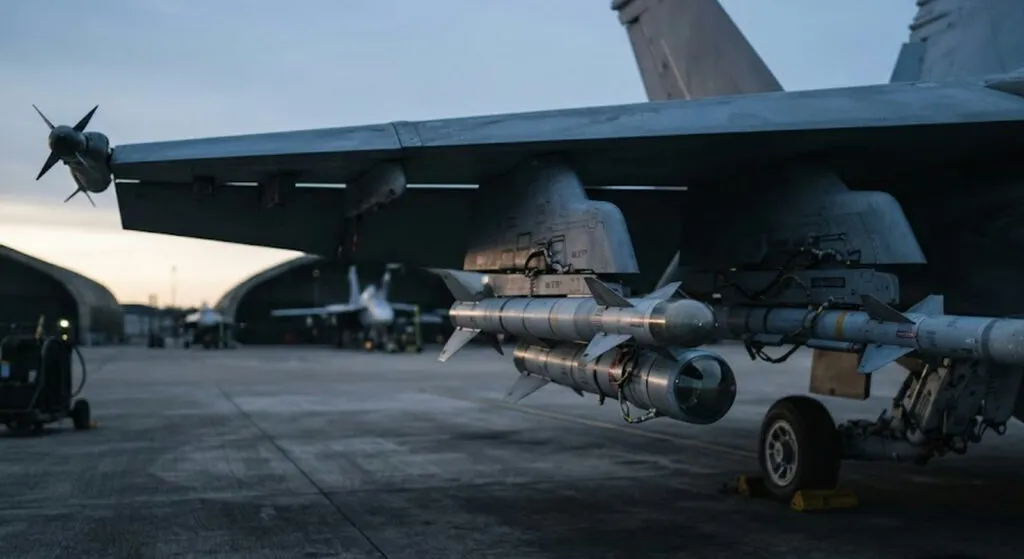
Milanovic joked about Serbia's "water pistols". Today Zagreb is hoping the Chinese CM-400 missiles stay in storage, and the Croatian...
This site uses cookies - is that okay? Learn more
Be the first to know when Metla launches something new
Leave your email and we will write when there is a new guide or something new on Metla.
