
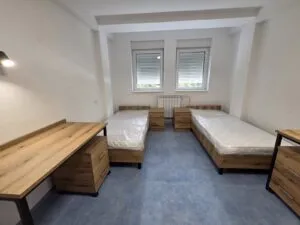
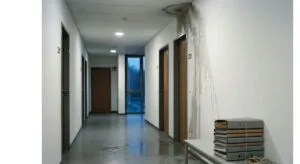
Stiv Naumov dorm renovated for around 10 million euros: a month later water runs through the walls and the ministry counts wet wipes
24.10.2026


24.10.2026
24.10.2026
24.10.2026

24.10.2026
24.10.2026

24.10.2026
24.10.2026

23.10.2026
22.10.2026

24.10.2026
24.10.2026

23.10.2026
24.10.2026

24.10.2026

24.10.2026

24.10.2026

23.10.2026
22.10.2026
24.10.2026

24.10.2026

24.10.2026

24.10.2026
23.10.2026
23.10.2026
24.10.2026
23.10.2026
23.10.2026
24.10.2026
22.10.2026
20.10.2026

23.04.2026

23.04.2026

12.04.2026

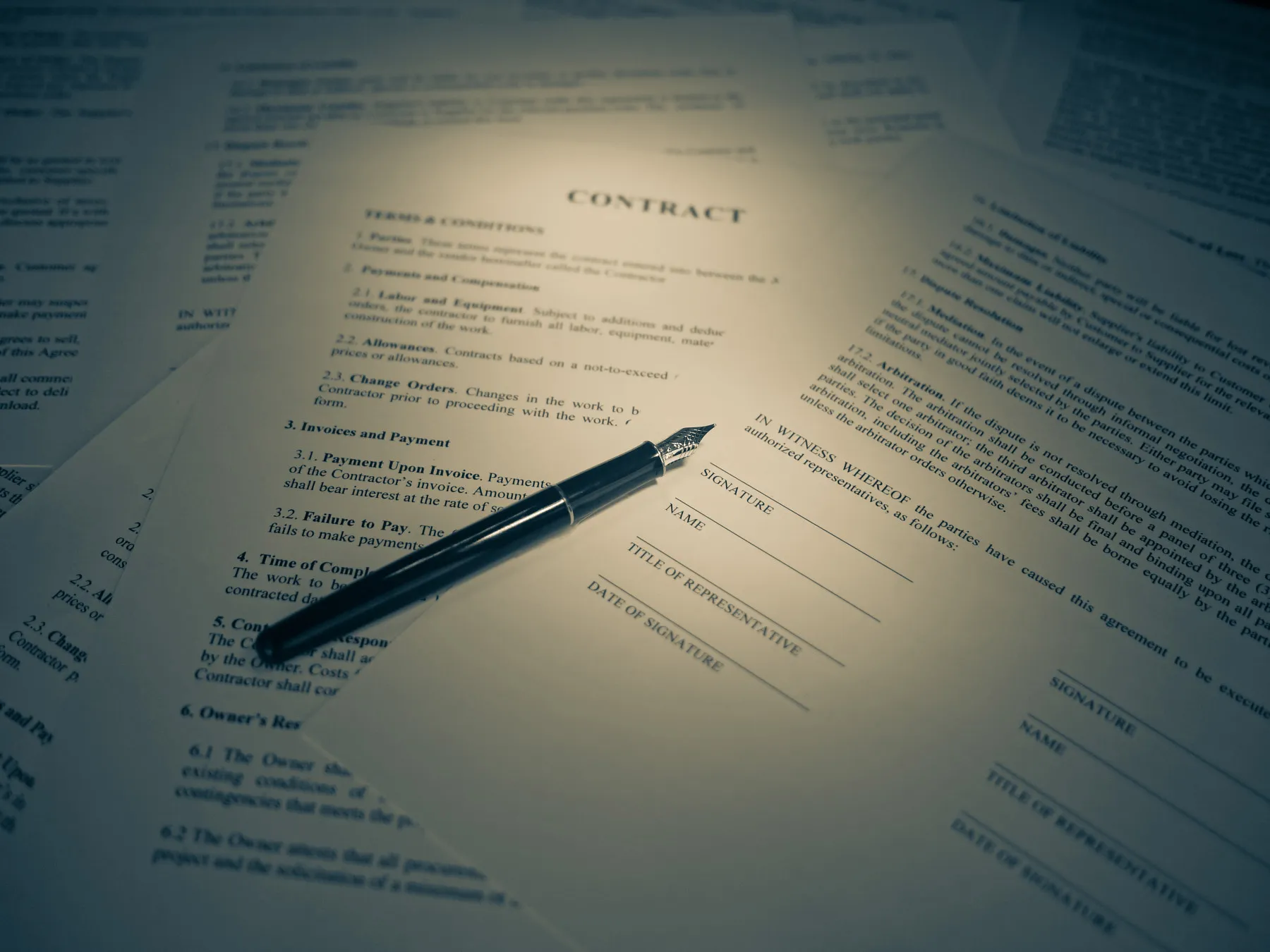
At the fifth „Southeast Europe - Ukraine“ summit in Kyiv, leaders from across the region gathered and signed a joint declaration of support for Ukraine. Everyone except one. Serbian President Aleksandar Vučić came, sat at the table - and did not put down his signature.
The declaration was signed by Ukraine, Albania, Greece, Moldova, Romania, Croatia, Slovenia, Macedonia, Montenegro and Bulgaria. The list is almost our entire neighborhood. The only blank on the document carries a Serbian name.
What exactly did those who signed commit to? Condemnation of Russian military aggression, a demand for the immediate withdrawal of Russian forces from Ukrainian territory, support for Ukraine's sovereignty within internationally recognized borders, strengthening of air defense, keeping sanctions against Russia in place, support for Ukraine's future NATO membership, and the formation of a special tribunal for the crime of aggression.
It is that last point - the tribunal for war crimes - that is seen as the main reason for Serbia's abstention. Belgrade has for years played both sides: it wants into the EU, but does not want to anger Moscow. This summit showed that more clearly than any statement - when the moment came to sign, Serbia stood alone.
And here is the part that concerns us directly. Macedonia signed. Our name stands on the same document as Greece, Romania and Bulgaria, and not next to Serbia. That is no small thing - it is a geopolitical choice that gets remembered. In a region where everyone watches who sits down with whom, Skopje said plainly which side it stands on.
The question that remains is whether such a choice carries a cost or a reward. Serbia defends its „neutrality“ as a virtue, but the very loneliness at that summit says otherwise. The next summit is scheduled for Slovenia in 2027. Until then, it's worth watching who stays at the table, and who starts counting the cost of having sat to the side.
The latest 10 news from this category

Ipsos gives Vučić's list 47.4 percent and the students 40 percent, while the NSPM poll puts the students in front....
Over 6.4 million voters decide in a snap parliamentary election, and the last 48 hours are being spent on complaints,...

The last student rally before Serbia's election filled Slavija and the surrounding streets. The regime media looked the other way,...

An election-monitoring grant, given to an organisation that monitors elections, became proof of a plot to topple the government in...
Four days before a vote that could seriously threaten Vučić's grip on power, special forces are breaking down doors, and...
Eight days of stones and Molotovs in Tirana, and the Albanian prime minister sees a hand from outside. The Balkans...
Serbia's candidate for prime minister claims he warned the West several times. And when the question got specific, his answer...
Last year Bulgaria paid while Hungary, Czechia and Slovakia opted out. Now Sofia says "no" too - and Skopje gets...
Seven MEPs are coming to monitor Serbia's election, and Brnabić knows they're biased before they've even landed. If the government...
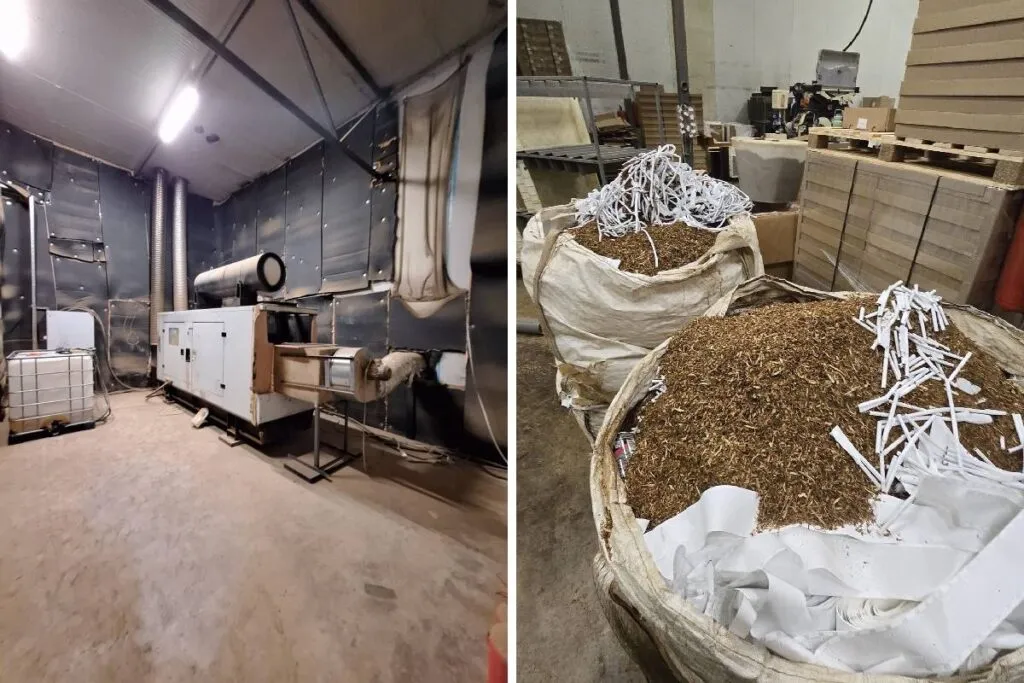
Thirty-four people travelled via Zagreb to a hall with no daylight, where they worked 12-hour shifts without pay. The only...
This site uses cookies - is that okay? Learn more
Be the first to know when Metla launches something new
Leave your email and we will write when there is a new guide or something new on Metla.