Three of Four Sensors Were Dead: Skopje's Vodno Cable Car Ran Fifteen Years Without a Real Service
17.09.2026


17.09.2026
17.09.2026
17.09.2026
17.09.2026

17.09.2026
17.09.2026

17.09.2026
16.09.2026

15.09.2026

17.09.2026

17.09.2026
16.09.2026
17.09.2026

17.09.2026

17.09.2026

17.09.2026

16.09.2026
15.09.2026

17.09.2026

17.09.2026

17.09.2026

17.09.2026

17.09.2026

17.09.2026

09.03.2026

27.02.2026

19.02.2026

23.04.2026

23.04.2026

12.04.2026

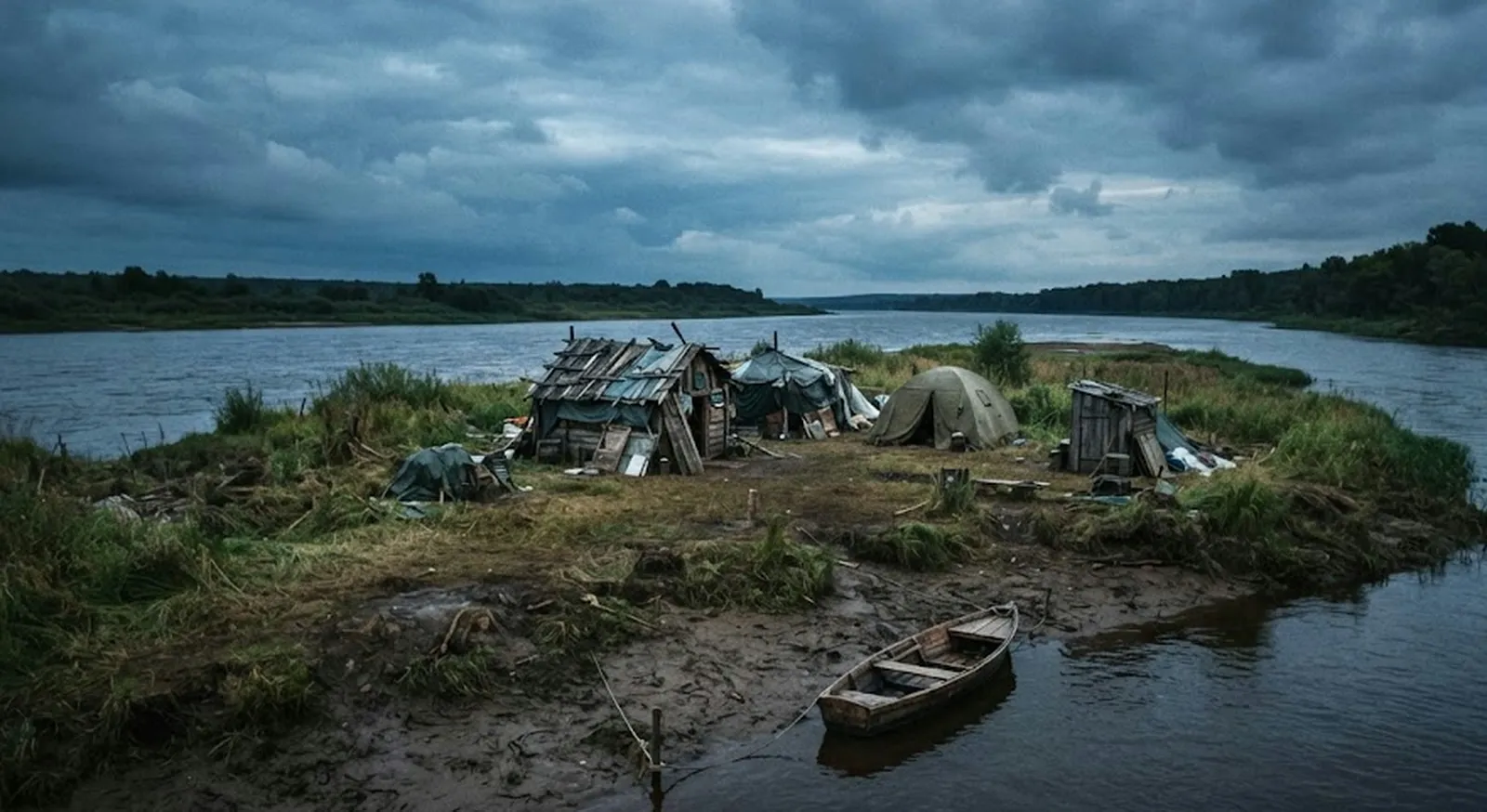
On a disputed patch of land between Croatia and Serbia, on the banks of the Danube, crypto billionaires are building their own "state" - no taxes, no democracy, and the votes are literally bought with money. It's called Liberland, and it's closer to us than it sounds.
Physically, the place looks like nothing - a flat, marshy floodplain with sparse trees, tents and wooden shacks, reachable only by boat because the Croatian authorities block land access. The project was founded by Czech entrepreneur Vit Jedlicka long ago, as a libertarian digital state. But what makes it interesting now are the deep-pocketed people behind it.
The main financier is Chinese crypto magnate Justin Sun, whose fortune is estimated at 8.5 billion dollars. He's the "prime minister" of Liberland, and at the same time he invested over 75 million dollars in the Trump family's crypto business. That same Sun became famous when he bought a work of art - a banana taped to a wall - for 6.2 million dollars, and then ate it. American regulators accuse him of fraud; he settled for 10 million.
The way it's governed is where the story gets genuinely unsettling. Voting isn't based on democracy, but on crypto tokens: the more tokens you hold, the more influence over who runs the "state". Or as the interior minister, former controversial Croatian MP Ivan Pernar, put it without shame, when asked whether money is the main mechanism for power - "well, of course".
Liberland isn't an isolated experiment. It's part of a whole wave of proto-states funded by the crypto elite - from Prospera in Honduras to Peter Thiel's ideas about cities on the sea. What they have in common is ideological: replacing the nation-state with mini-states run by shareholders and "CEO-monarchs", inspired by the controversial thinker Curtis Yarvin.
It sounds like science fiction, but it's happening on our Danube. And here's the real question for us in the Balkans: at a time when we struggle to build and defend our own states, what does it mean when the world's richest decide the state gets in their way at all - and buy themselves one? Democracy, for all its flaws, at least assumes one person is worth one vote. Here the vote comes with a price tag.
The latest 10 news from this category
The court established responsibility for 96 killed, 303 tortured and 385 unlawfully detained. The prosecution asked for 45 years. Serbia...
Thaci and Krasniqi got 25 years each, Veseli 18, Selimi 13. The court established 385 unlawfully detained, 303 tortured and...
"If it is acceptable to the participants" - that is the entire offer. What gets negotiated is the format, not...

Thousands walked from the Rectorate to the electoral commission, and the signatures had to be queued for all weekend because...
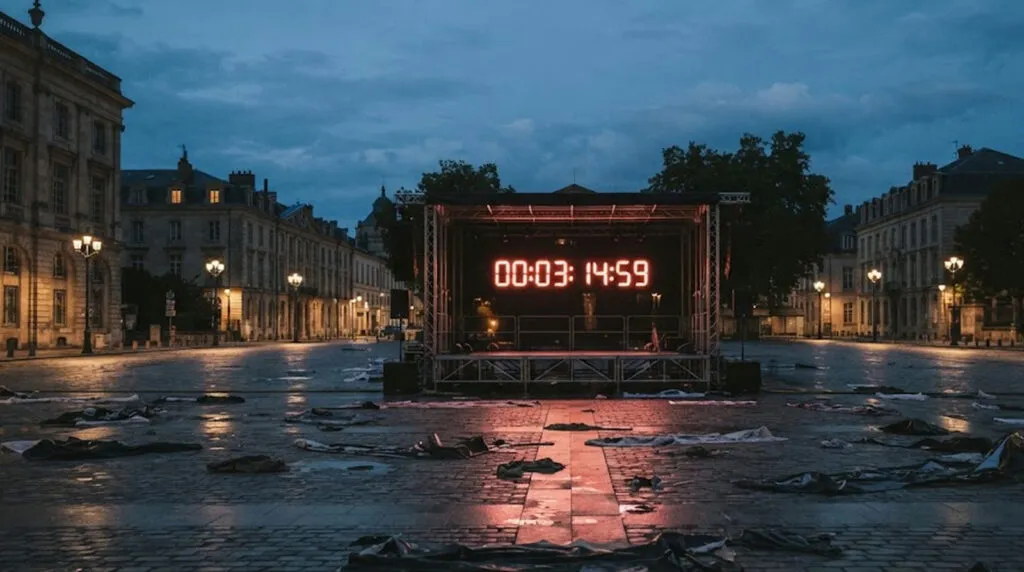
Thousands of people under a digital clock and a banner asking for them to be found innocent. On Wednesday The...
The ruling list sailed through without a single problem, the student list was left waiting in line. Nobody banned anything...
The same firm that supplied ammunition to Ukraine for years is burning for the second time in a month. Seven...
A third attempt in three years, but this time the signatures came from the government benches too. Six MPs from...
Four days before the Hague verdict, the square in Pristina told the court it should back down. Among the guests...

Nobody banned anything - the line item simply stopped paying for itself. That is the purest version of modern censorship,...
This site uses cookies - is that okay? Learn more
Be the first to know when Metla launches something new
Leave your email and we will write when there is a new guide or something new on Metla.