
The "Lottery" Trial: 231 Pieces of Evidence, and So Far Not a Single Message Between Grubi and Bajrami
24.09.2026


24.09.2026

24.09.2026

24.09.2026

24.09.2026

24.09.2026

24.09.2026

24.09.2026

23.09.2026

22.09.2026

24.09.2026

24.09.2026
23.09.2026

24.09.2026

24.09.2026

24.09.2026
24.09.2026
23.09.2026

22.09.2026

24.09.2026

24.09.2026

24.09.2026

24.09.2026

23.09.2026

23.09.2026

09.03.2026

27.02.2026

19.02.2026

24.09.2026

23.09.2026

22.09.2026

23.04.2026

23.04.2026

12.04.2026

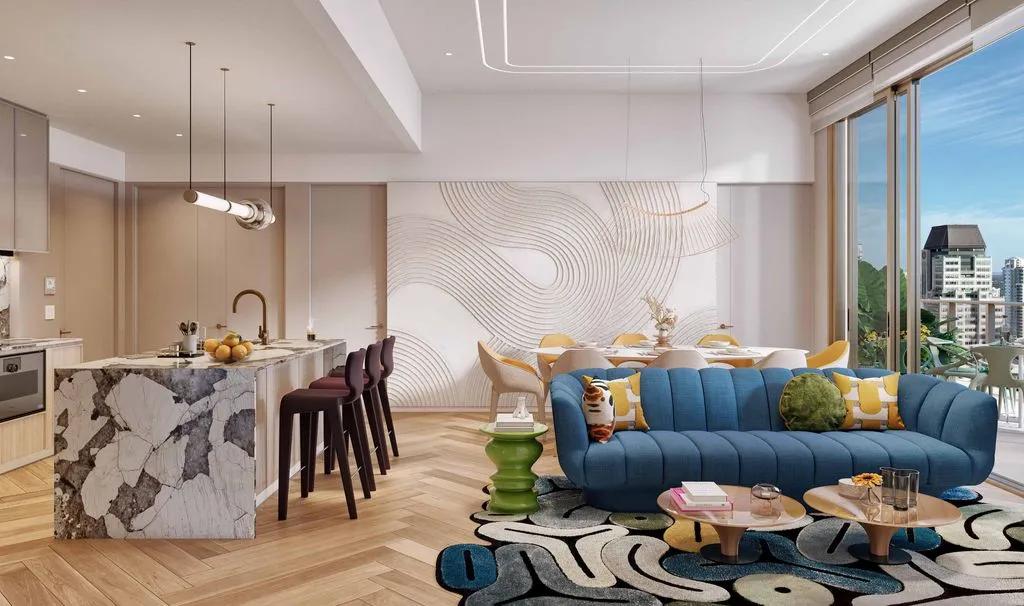
What is the difference between a pretty home and a home that heals? According to Maria Hill, architect and creator of the AENAD method for integrative neuroarchitecture, the difference comes down to three pillars: connection to nature, emotional personalisation, and biohabitability (a space free of chemical and physical toxins). All three can be applied without expensive renovation.
"The first step toward a healing home costs no money, it costs attention," Hill says. That means: observe your home at different points in the day. Where does the sunlight fall? Where does the air stand still? Which room draws you in, and which one do you flee from? Those observations are worth more than any renovation budget, because they tell you where to direct your effort.
What does the science say? Humans evolved in natural settings for eight million years, while we have only lived in artificial ones for a few decades. "The nervous system has not had time to adapt," Hill explains. That is why modern research shows: 51 percent of people suffer from stress, 25 percent from anxiety, and 48 percent from insomnia - numbers that no other period in history has come close to.
Natural light is the most powerful regulator. It controls the circadian rhythm, serotonin, cortisol, body temperature, hormones and mood. Cold artificial light (in the blue tone of the spectrum) suppresses melatonin and breaks sleep. First step: warm light in the bedroom, intense light only where you are working.
Visual order is a neurological necessity, not an aesthetic luxury. Clutter forces the brain into constant mini-decisions ("where did I put that", "I should tidy this", "what is that over there"), which creates cognitive fatigue. An orderly space does not have to be minimalist - it is enough that every object has its place and a visible reason to be there.
The colours that signal safety to the nervous system are natural ones: greens like vegetation, earth tones, blues like the sky and ocean, warm whites. The "dopamine decor" trend with garish contrasts delivers momentary joy, but over time it fatigues you with overstimulation. The Balkan tradition of whitewashed walls, terracotta tiles and wooden furniture actually lines up with modern neuroscience.
One more detail: strategic emptiness. Not every wall needs a picture, not every table needs to be loaded. Empty space lets the nervous system rest - and it is not the same as minimalist extremism, which itself creates stress through its uncomfortable sterility. A simple Balkan home with one blanket on the bench and one rug on the floor actually carries that balance.
For a practical start: switch on a warm lamp in the bedroom, place a living plant by the window, turn screens off 30 minutes before bed, and set aside at least one zone in the home without a TV or a phone. That is not "wellness luxury" - it is the minimum for a nervous system that evolved in forests and now lives between four walls.
The latest 10 news from this category
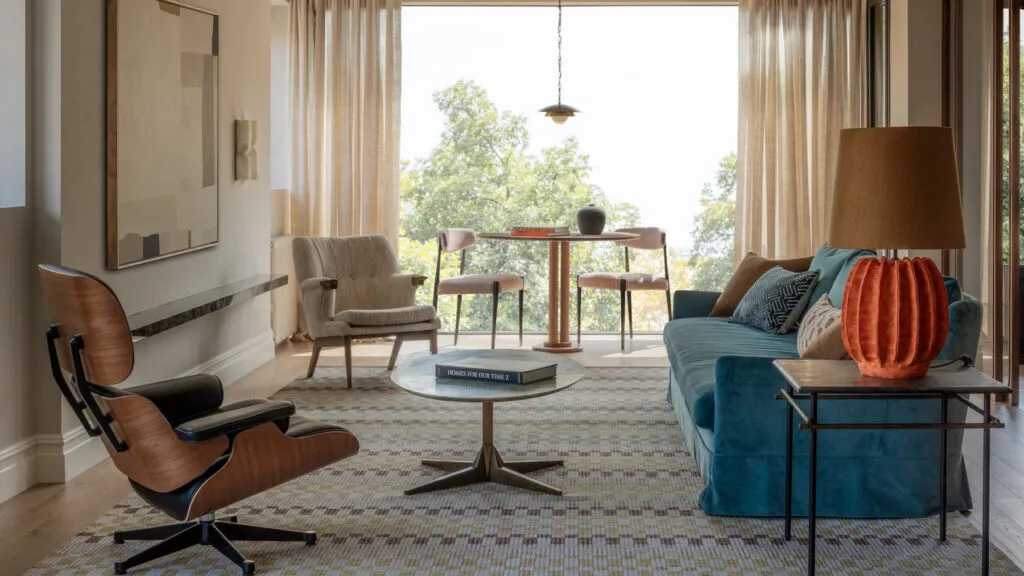
Luxury isn't about showing off, it's about detail, says the architect. That's why the best light in this flat went...
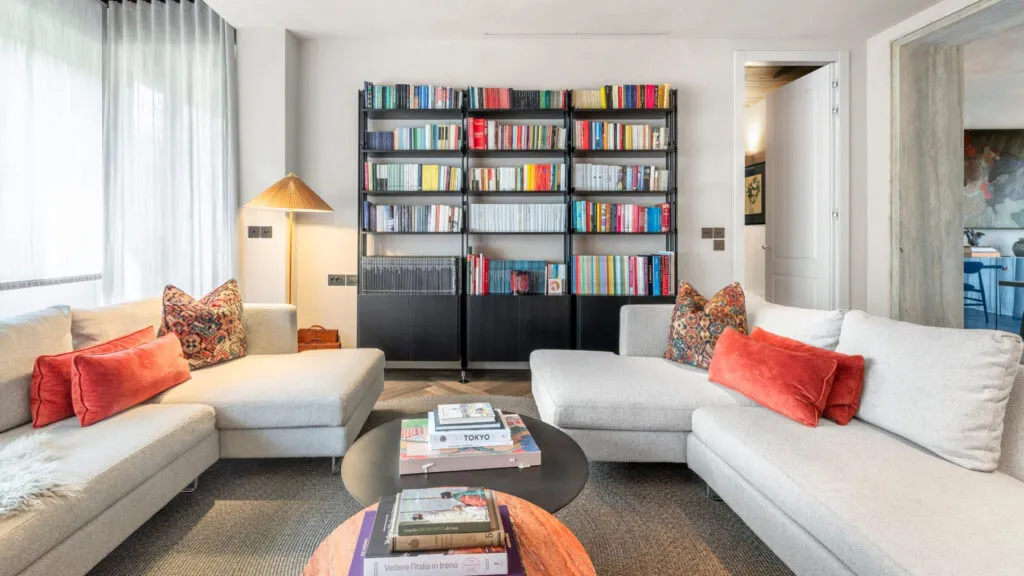
The exposed brick and ribbon windows stayed, and the entire palette came out of a single painting above the sideboard....

An Eames lounge chair from 1956, a Fratini shelving unit and a concave cobalt mirror that reflects the room curved....
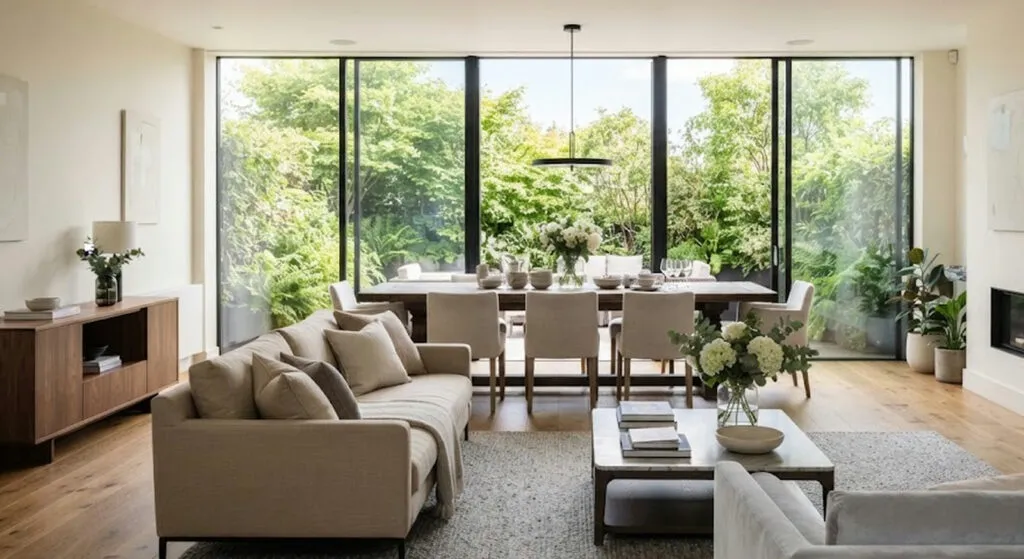
Four bedrooms, four bathrooms and one rug that keeps the dining area separate without a wall. Three things in this...

She did not decorate a house - she built a world. And behind all that fantasy there is no inheritance,...
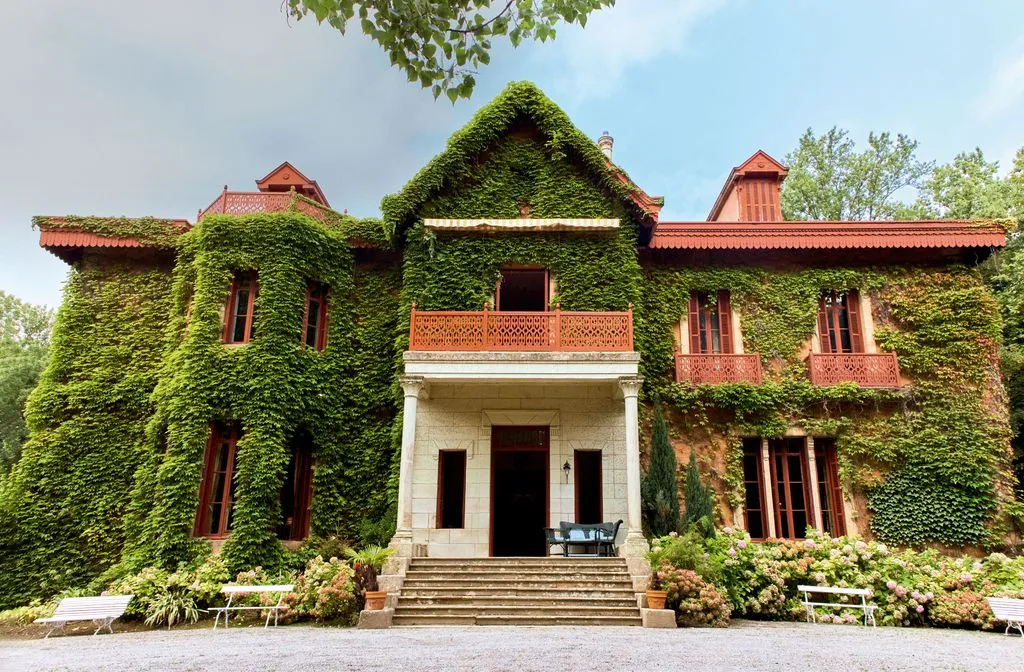
The stairwell has been turned into a gallery, and in the bedroom there is not a single attempt at an...

In the vast majority of flats the ceiling stays white because that is how it was found - not because...
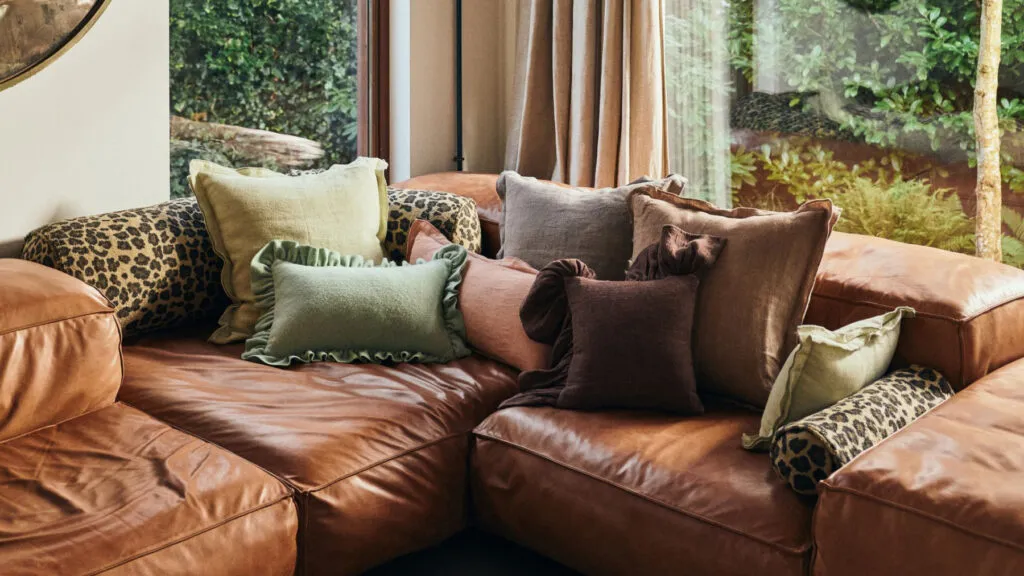
It is not hoarding and it is not maximalism. Ten things that used to be hidden when guests came and...
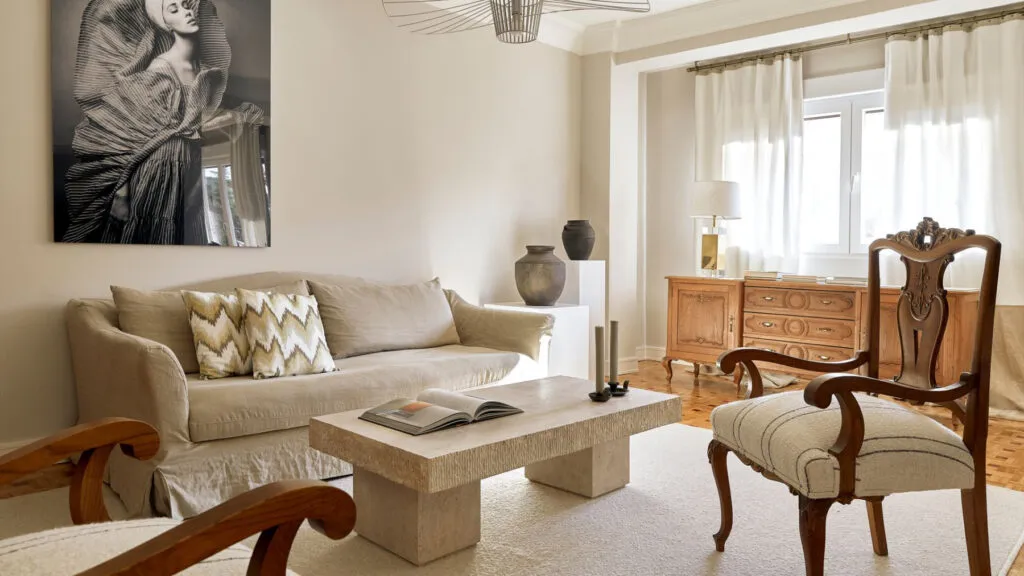
A bespoke console, reupholstered armchairs and wallpaper hung like art. The most expensive thing in the flat is the decision...
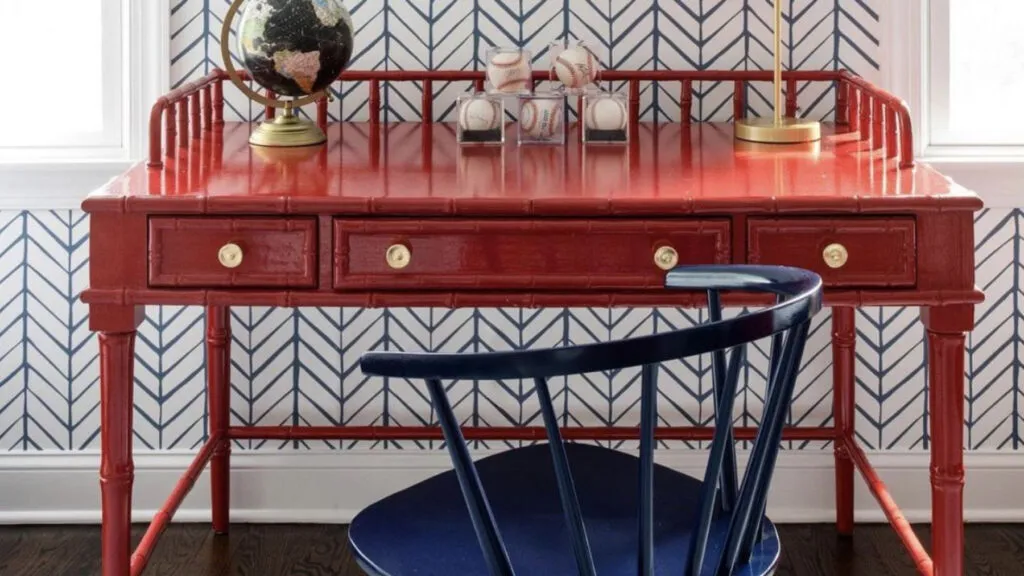
For years the rule was everything neutral and everything from the same collection. The result is a living room that...
This site uses cookies - is that okay? Learn more
Be the first to know when Metla launches something new
Leave your email and we will write when there is a new guide or something new on Metla.