
"Crime as a service" with call centres in Macedonia too: over 4 million euros in damage, victims in 50 countries
04.11.2026


04.11.2026

04.11.2026

04.11.2026

04.11.2026

04.11.2026

04.11.2026

04.11.2026

03.11.2026

03.11.2026

04.11.2026

04.11.2026

03.11.2026

04.11.2026

04.11.2026

04.11.2026

04.11.2026

03.11.2026

02.11.2026

04.11.2026

04.11.2026

04.11.2026

04.11.2026

04.11.2026

03.11.2026

04.11.2026

03.11.2026

02.11.2026

23.04.2026

23.04.2026

12.04.2026


The government has a law that it says itself is good but doesn't work - and instead of making it work, it has decided to repeal it. The bill to end the validity of the Law on Coordination of the Security and Intelligence Community passed its first reading in Parliament's Defence and Security Committee, with eight votes in favour and two against.
The explanatory note, prepared by the Ministry of Interior, is worth reading twice. It says the law is "systemically well set up and conceptually aligned" with EU and NATO standards, but that its application is limited because of "institutional distrust, too narrow a scope and a lack of operational capacity" in the security and intelligence community. In other words: the rules are good, the services don't cooperate, so let's delete the rules.
The law establishes the Coordination Council between the National Security Agency, the Intelligence Agency, Military Intelligence, the Financial Police and the Public Security Bureau. SDSM MP Oliver Spasovski asked why that Council has held not a single meeting, even though the law says it must meet at least once every three months. There is no answer to that question so far.
"Incapable" - but no resignations
MP Slavjanka Petrovska, also from SDSM, turned the government's logic against it. If an official document says the services lack operational capacity and mutual trust, then, in her view, resignations should follow the vote - from the interior minister and from the directors of the ANB and the Intelligence Agency. "There is no government in our recent or distant history that has described its security and intelligence services as incapable," she said.
Petrovska recalled that the weaknesses were identified a year ago, and instead of being fixed, repeal is now being proposed. The law, she says, was key to the reforms before NATO accession.
A merger without a map
All this is happening while the government announces a merger of the ANB and the Intelligence Agency. The opposition asks whether scrapping coordination is the first step towards that - and Petrovska warns that the government has offered no clear picture of what the new setup will look like or who will oversee the services. MP Goran Misovski asked whether this means abandoning the Priebe recommendations and asked President Gordana Siljanovska-Davkova for her position.
Macedonia remembers the wiretapping scandal well - the very affair that produced the Priebe recommendations. That's why this question isn't technical. If the services won't cooperate with a law, how will they cooperate without one? And who will answer for it when it turns out there was no coordination at all, exactly when it was needed most?
The latest 10 news from this category
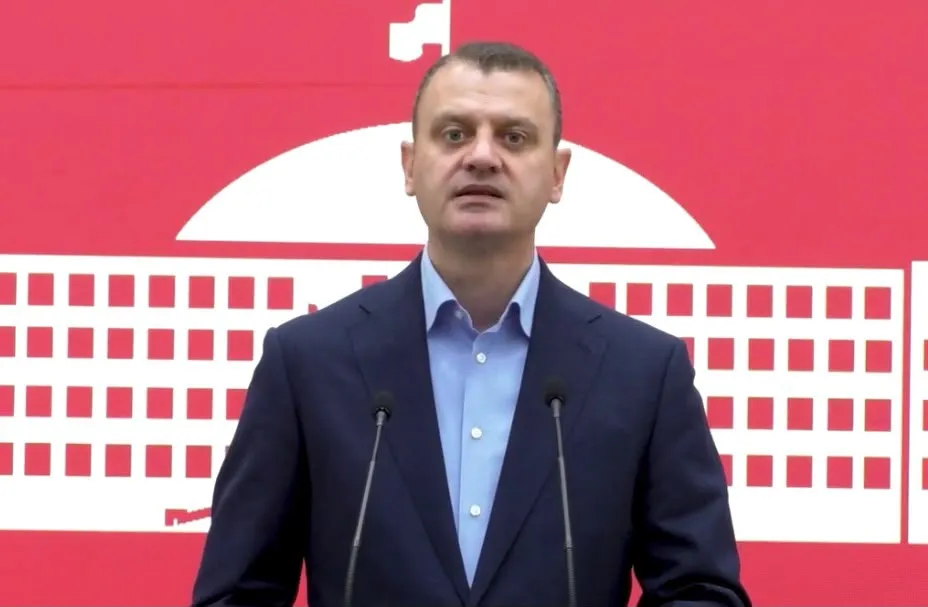
The opposition accuses the local self-government minister of glorifying a convicted war criminal, ties to Serbian intelligence structures and threats...
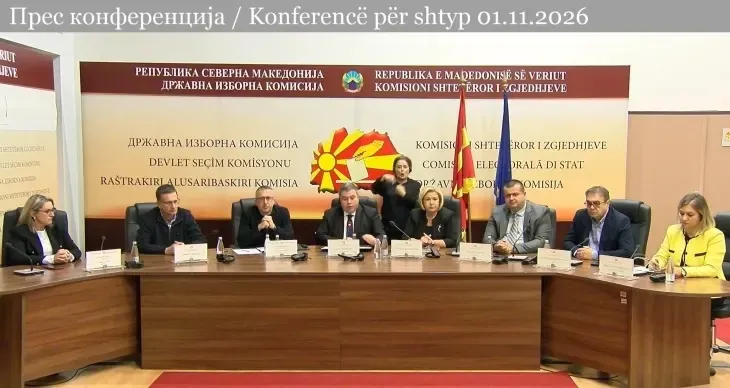
DUI took Brvenica, and for VMRO-DPMNE the result is "more than excellent" - even though its coalition partner VLEN ended...

The opposition announces an interpellation and demands an investigation, the governor answers with "Is that clear now?" How long the...

Mickoski counts a gain of 1,200 votes since the first round, but he doesn't have Brvenica. "Alone against everyone" sounds...

The opposition claims it warned for months, the prime minister leaned on the National Bank's checks. Somebody vetted the bank...

On 1 November Sofia elects its head of state. The debate was a squabble over who deserves the credit for...

At his closing rally he talked about unity and institutions that serve the citizen. Then, from the stage, he pointed...

On television, a bishop wished one party the longevity of a president for life and accused journalists of financial interest....

Iskra Hadži Vasileva is the new head of the Organized Crime Prosecutor's Office, chosen by her colleagues rather than by...
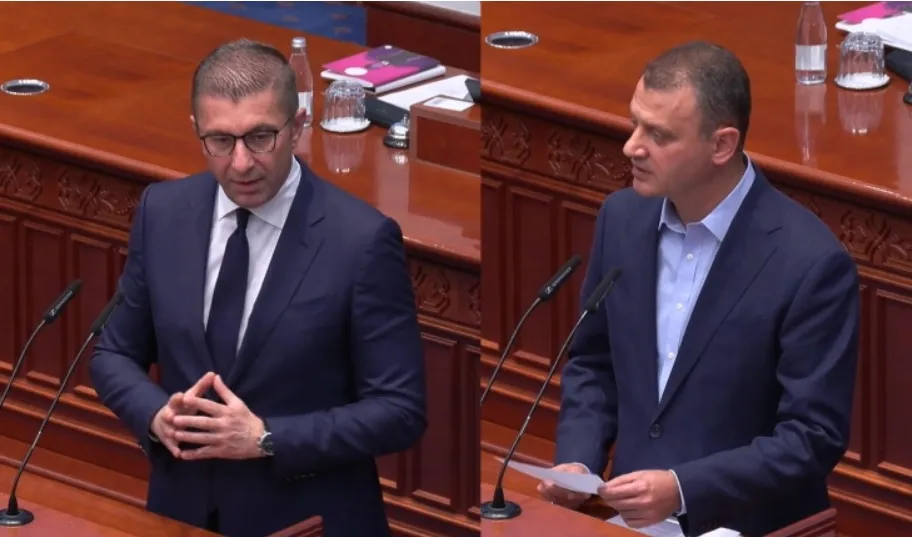
The prime minister promises a public debate and parliamentary oversight of the merged agency. The opposition brings up the wiretapping...
This site uses cookies - is that okay? Learn more
Be the first to know when Metla launches something new
Leave your email and we'll write to you when there's a new guide or something new on Metla.