


The Mother Wrote the Notes, the DNA on the Wrapping Is the Judge's: Who Walled Up 350,000 Euros in Negotino?
23.10.2026


23.10.2026

23.10.2026

23.10.2026

23.10.2026

23.10.2026

23.10.2026

23.10.2026

22.10.2026

22.10.2026

23.10.2026

23.10.2026

22.10.2026

23.10.2026

23.10.2026

23.10.2026

23.10.2026

22.10.2026

21.10.2026

23.10.2026

23.10.2026

23.10.2026

23.10.2026

23.10.2026

22.10.2026

23.10.2026

22.10.2026

22.10.2026
22.10.2026

20.10.2026

19.10.2026

23.04.2026

23.04.2026

12.04.2026

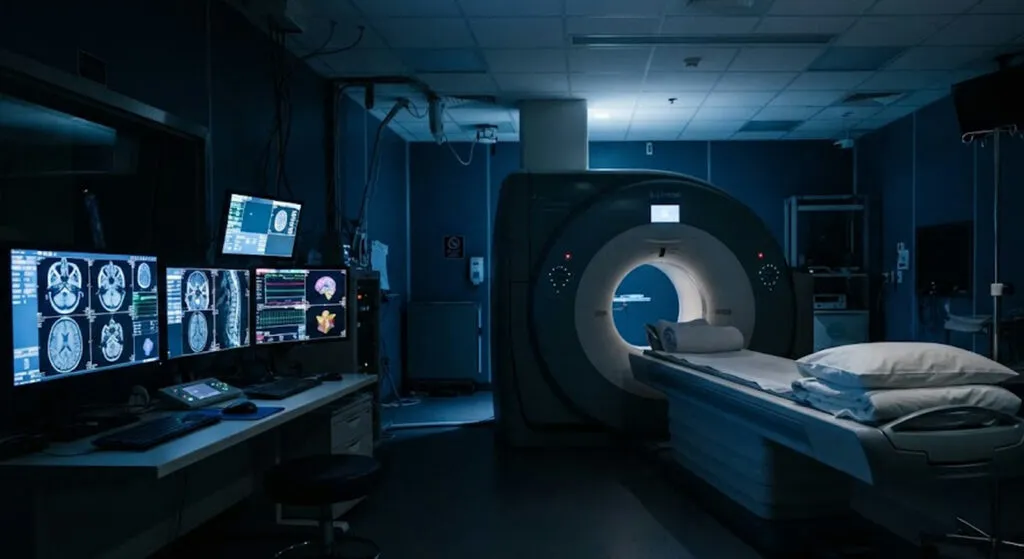
Microsoft's artificial intelligence made the correct diagnosis in 83 percent of complex medical cases, while general practitioners and internists, working alone with medical literature in front of them, got it right in 36 percent. The study was published in the journal Science, and Mustafa Suleyman, CEO of Microsoft AI, called it a step towards "medical superintelligence". A big word for a result obtained in a simulation.
The system is called MAI-DxO and works like a virtual panel of doctors: several AI agents question the patient, order tests and argue with each other until they agree on a diagnosis. The cases are taken from the New England Journal of Medicine, from the ones published precisely because they are difficult. And here is the small print missing from the headlines: in practice such cases are handled by specialists and teams of doctors - and they weren't part of the comparison.
The study's own data shows something Microsoft doesn't put on the front page: most of the improvement comes from stronger language models, not from the "panel". The company tested the system with models from OpenAI, Google, Anthropic, Meta and DeepSeek, and the best results came from GPT-5 and GPT-5.5 - OpenAI's models, not Microsoft's. GPT-5 on its own, with a short and simple prompt, got 78.9 percent of the complex cases right, at a cost of around 8,400 dollars (around 7,200 euros) per case. With MAI-DxO the cost fell by around 3,000 dollars, but accuracy rose by only four points.
With the newer GPT-5.5, released in April 2026, the picture is mixed. On the complex cases, the system raised accuracy from 72 to almost 87 percent, at a somewhat lower cost. On the emergency cases - no difference at all: with or without MAI-DxO the result is around 85 percent. It helps most with weaker models: Gemini 2.5 Flash gets 46.4 percent on its own and almost 69 with the system. But even then, the gap between the weak and the strong model is bigger than what Microsoft's orchestration adds.
Suleyman doesn't hide how convinced he is. "We're just true believers," he says, and predicts health models will get better "by a whole order of magnitude" in the next 24 to 36 months. Microsoft is training its own foundation model for health with the Mayo Clinic, due out next year, and Suleyman claims that in 2027 medical records will be on the verge of a breakthrough like the one AI made in programming. Forecast or sales pitch? Microsoft already sells doctors dictation and radiology tools, and Suleyman says openly that in the next few years the company "has to have the absolute best clinical decision support products".
The real exam is still to come. With Beth Israel Deaconess hospital in Boston, Microsoft will compare the system's recommendations with doctors' decisions for patients who agree to take part: they will be treated normally, while the AI gives its own opinion in parallel. Dominic King, vice president of health at Microsoft AI, says it will be "the largest study of its kind". Google has already published a study of its AMIE system with the same hospital in The Lancet, and OpenAI makes similar claims about its models. The race is about who gets into the doctor's office first.
King says the biggest problem in health care today is that demand for medical knowledge is growing faster than the number of doctors. That's exactly where AI will sell most easily. But when the machine gets it wrong and a tired doctor relies on it - who will be held responsible: the hospital, the doctor or the company that sold the system?
The latest 10 news from this category

Two critical PHP flaws, discovered with the help of artificial intelligence, forced Finland, the Netherlands and British institutions to take...

Pony.ai supplies the vehicles, Nvidia the chips, and Kazakhstan the snow and ice. Robotaxis are no longer just a US...
Revenue grew 26 percent, costs 68. The answer is a new class of shares: investors bring in money, and the...

You pay a cleaning fee, then get a list of chores on your way out. For bookings from November 20...
The company that sells artificial intelligence is now also offering the law that would control it. The checkers would be...

TikTok didn't run surveys on its users' ages, fearing it would have to show the results to the US regulator....
Nvidia did not win on chips alone, but on the software around them. Amazon is now attacking exactly that wall,...

Apple says App Store review blocked more than 150,000 apps last year. So how did "undressing" apps get through the...

The company that sells automation has published the numbers on its own staff: the beginners are disappearing, while the experienced...

The woman who fooled Silicon Valley with blood tests that didn't work is now filling cinemas. The Musk film, meanwhile,...
This site uses cookies - is that okay? Learn more
Be the first to know when Metla launches something new
Leave your email and we will write when there is a new guide or something new on Metla.


