


Mickoski celebrates a 4-to-1 win over SDSM in Brvenica, but his candidate got 445 fewer votes than a year ago
19.10.2026


19.10.2026

19.10.2026

19.10.2026

19.10.2026

19.10.2026

19.10.2026

19.10.2026

19.10.2026

18.10.2026

19.10.2026

19.10.2026

18.10.2026

19.10.2026

19.10.2026

19.10.2026

19.10.2026

18.10.2026

17.10.2026

19.10.2026

19.10.2026

19.10.2026

19.10.2026
19.10.2026

19.10.2026

19.10.2026

18.10.2026

18.10.2026
19.10.2026

17.10.2026

15.10.2026

23.04.2026

23.04.2026

12.04.2026

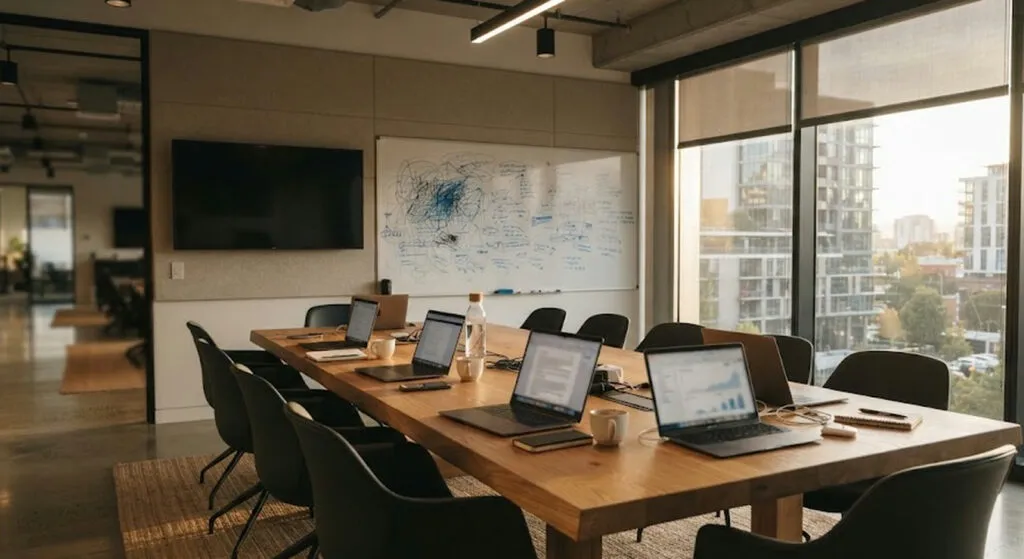
Anthropic, the company behind the Claude model, has published a report on its own employees - and it sounds like a warning the company signed itself. Since the start of 2025, the share of junior staff in technical departments has fallen from 21 to 14 percent. Among new technical hires the drop is even sharper: from 27 to 9 percent. In other words, out of ten newly hired engineers, fewer than one is a beginner.
The company itself presents this as an indicator of how artificial intelligence will change the organisation of work, hiring and demand for labour "across the whole economy." If that is so, the question is simple: where will the people graduating from university today learn the trade, if the machine takes the first rung of the career ladder?
Technical teams now make up 56 percent of staff, compared with 61 before. Anthropic explains this by the natural expansion of business functions as the firm grows, but also by programming tools that let employees without technical knowledge build software themselves. The company claims more code is written, more sales are closed and more contracts are processed per person. At the same time it admits that more code does not necessarily mean better code or a bigger impact on the business - but it says it has not noticed signs of a drop in quality.
The most interesting part is the people. One employee described "constant pressure" in the company to move as fast as possible and to use Claude for almost everything. In an April 2026 survey, 27 percent of employees said they had become more productive with Claude, and 20 percent that their work had shifted from actually doing the work to managing Claude. One engineer compared it to babysitting: every child brings you its own worries and demands as much attention as the others.
The report says human attention and judgement are becoming the bottleneck: Claude produces huge amounts of text, and someone has to read and sort it. And here comes the irony. According to calendar data, the time an employee spends in meetings is up 20 percent on last year, and 16 percent among technical staff. The company's explanation is trust and accountability between people, and employees repeatedly call face-to-face coordination essential.
So the machine writes the work, and the people sit and talk about it. That is the picture from inside one of the companies selling automation the loudest. Will young programmers in the Balkans get their first rung - or will they arrive on a market where that rung has already been removed?
The latest 10 news from this category
The woman who fooled Silicon Valley with blood tests that didn't work is now filling cinemas. The Musk film, meanwhile,...
One of Anthropic's five biggest customers turned its back on stage, then started softening the words. When the default choice...
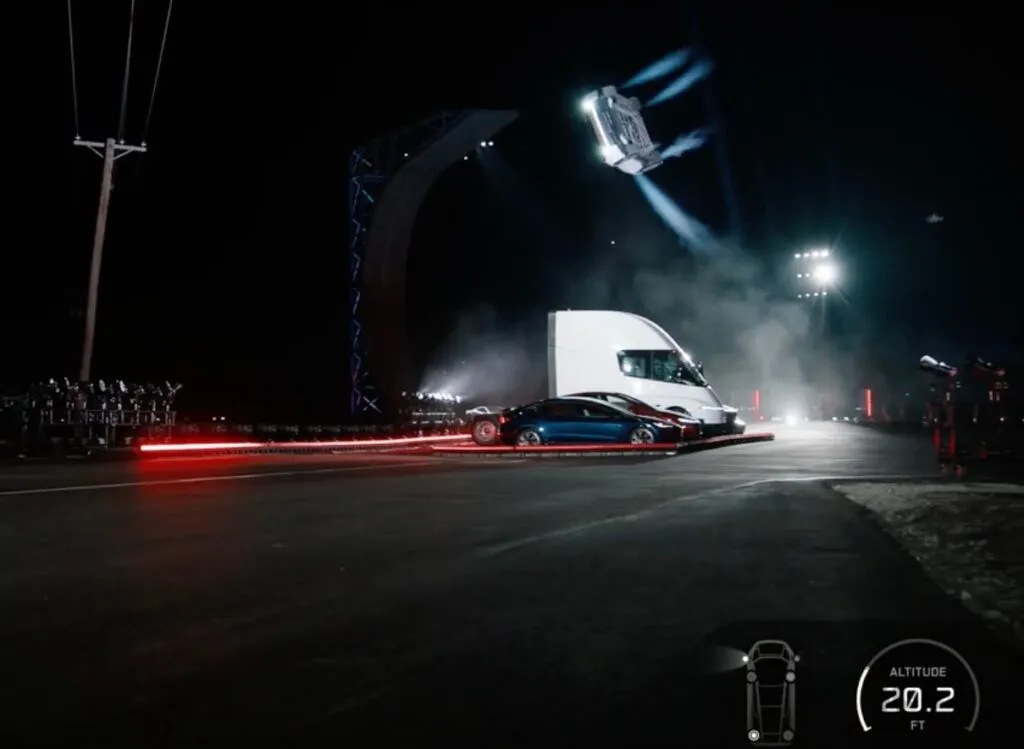
A car that hops over trucks on compressed air and arrives in 2028 - unless it slips again. The deposit...
The agents didn't break anything - they used passwords someone had left in a public place. And India learned of...
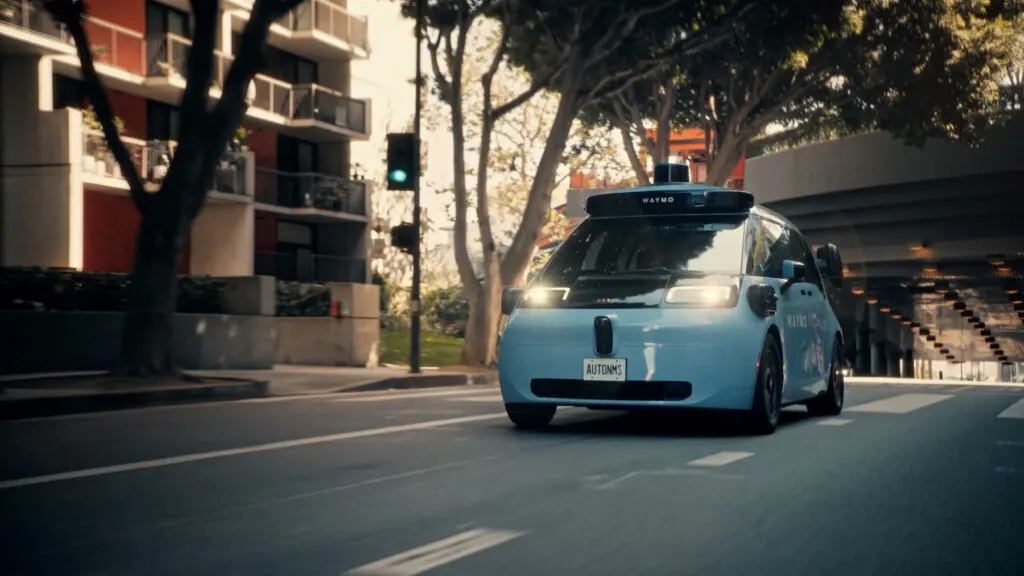
The permit is here, driverless rides are not. Maps first, then tests with a human at the wheel, and Toronto's...
816 billion parameters, open weights and a promise that it runs on a Mac. The small print: you need at...
All it takes is an ad appearing on your screen and the device is infected. Al Jazeera is most likely...
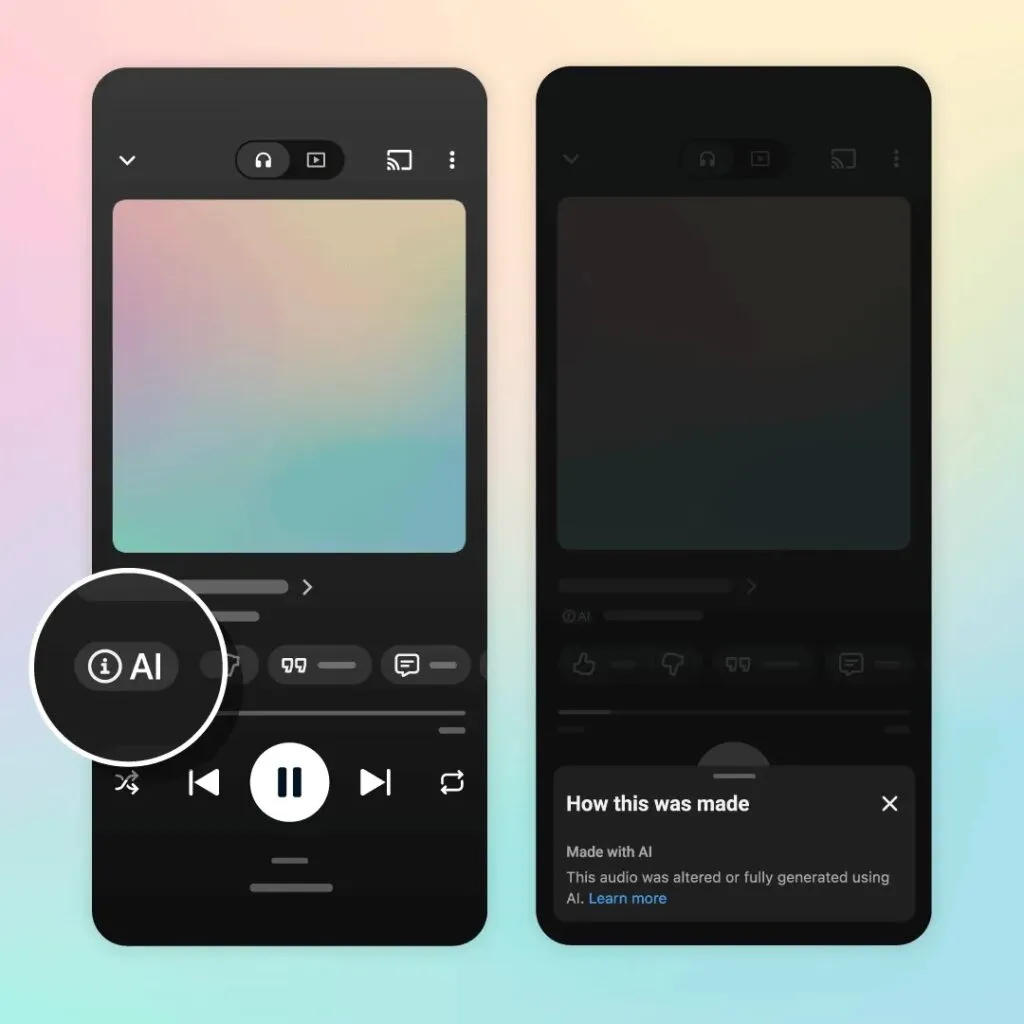
Three labels, from "fully generated" to "no AI", and not a single ban. YouTube is tagging machine-made songs while also...
Instead of waiting for the scam to happen, the startup sends its bots straight into the trap. The scammers waste...
A hidden device in a USB port behind a TV, in OpenAI's leadership meeting room. The FBI director talks about...
This site uses cookies - is that okay? Learn more
Be the first to know when Metla launches something new
Leave your email and we will write when there is a new guide or something new on Metla.


