

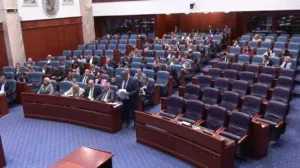
Two failing grades and you're out: parliament brings in automatic dismissal for civil servants, but who will write the appraisals?
20.10.2026


20.10.2026

20.10.2026
20.10.2026

20.10.2026

20.10.2026
20.10.2026

20.10.2026

19.10.2026

19.10.2026

20.10.2026

20.10.2026

19.10.2026

20.10.2026

20.10.2026

20.10.2026

20.10.2026

19.10.2026

18.10.2026

20.10.2026

20.10.2026

20.10.2026

20.10.2026

20.10.2026

20.10.2026

20.10.2026

19.10.2026

18.10.2026
19.10.2026

17.10.2026

15.10.2026

23.04.2026

23.04.2026

12.04.2026

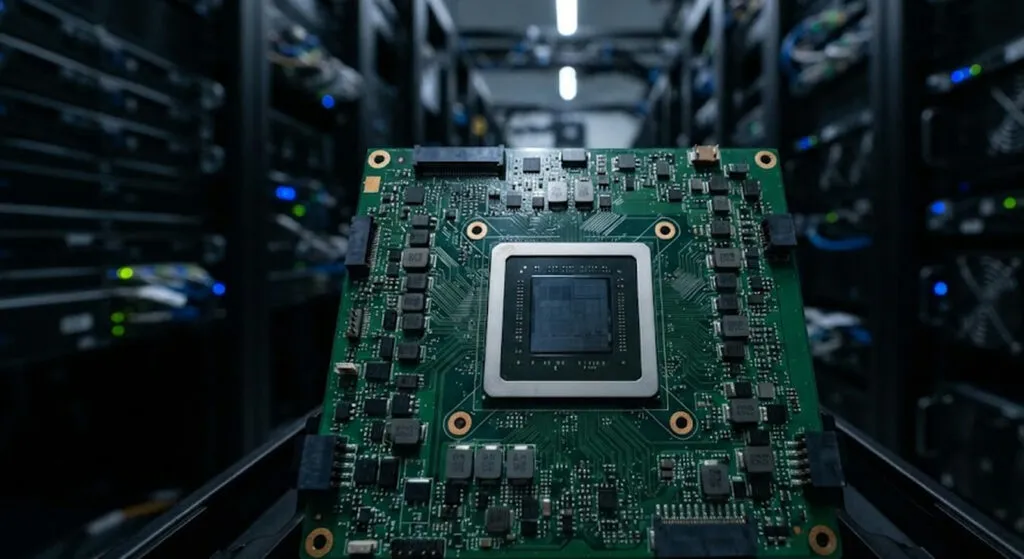
Anyone following the artificial intelligence race even a little knows that Nvidia did not become the standard just because of its fast graphics chips. Its position is also held up by its CUDA software, which for years has made sure that apps written in PyTorch run on its hardware almost by themselves. That is exactly where Amazon Web Services is striking with its new TorchNeuron tool, unveiled on Monday.
The promise is simple: an AI app written in PyTorch can be moved onto Amazon's Trainium chip by changing one single line of configuration, without rewriting code. At least that is what the company claims. According to Amazon, about 85 percent of AI apps are written in PyTorch, an open-source tool created by Facebook and maintained by the Linux Foundation since 2022. This is not a small corner of the market, it is the majority of it.
Amazon is not the first to try. PyTorch apps can already be moved with a similar change onto AMD's graphics chips, and even onto Apple's chips. What Amazon is selling as the difference is the cloud around the chip. The company argues it is a better choice for startups than the so-called neoclouds, such as CoreWeave, Nebius and Firmus, many of which are tied to Nvidia and its hardware.
"You build on AWS. You don't bet on a single-purpose compute provider and then struggle to build everything else around it," said Colin Brace, vice president of technology software at AWS Annapurna Labs, the unit that makes Amazon's own chips. The price argument is more careful than it sounds: AWS does not claim the lowest price per token, but says the savings come because the same chip is used both for training and for running the finished model. As proof it cites Deepgram, an ElevenLabs competitor in voice AI, which after switching processed 70 percent more audio per dollar.
The bigger move is something else. Amazon says it will send changes into PyTorch itself, to clean out the code that ties the framework to specific chips. The company presents this as a service to the whole developer community, not just Trainium users. But when a chip vendor scrubs Nvidia dependencies out of the tool most people use, it is hard to believe in pure altruism. The whole point of PyTorch was to hide hardware headaches. We will see whether developers get more choice and cheaper options, or just a new configuration headache.
Brace did not beat around the bush: "The real story is removing the lock-in that stopped developers from having any real choice at all." If Amazon manages to deeply decouple PyTorch from Nvidia, the consequences for the giant will be far bigger than one more rival chip. For a smaller startup, from Skopje or from Belgrade, the question is practical: will it end up paying less, or just swap one landlord for another?
The latest 10 news from this category

Apple says App Store review blocked more than 150,000 apps last year. So how did "undressing" apps get through the...

The company that sells automation has published the numbers on its own staff: the beginners are disappearing, while the experienced...

The woman who fooled Silicon Valley with blood tests that didn't work is now filling cinemas. The Musk film, meanwhile,...
One of Anthropic's five biggest customers turned its back on stage, then started softening the words. When the default choice...
A car that hops over trucks on compressed air and arrives in 2028 - unless it slips again. The deposit...
The agents didn't break anything - they used passwords someone had left in a public place. And India learned of...
The permit is here, driverless rides are not. Maps first, then tests with a human at the wheel, and Toronto's...
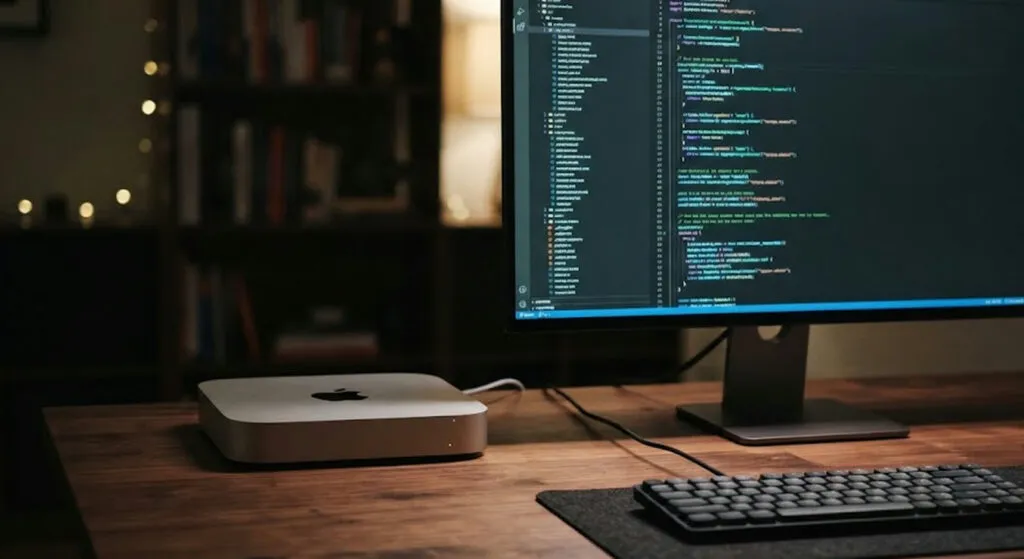
816 billion parameters, open weights and a promise that it runs on a Mac. The small print: you need at...

All it takes is an ad appearing on your screen and the device is infected. Al Jazeera is most likely...
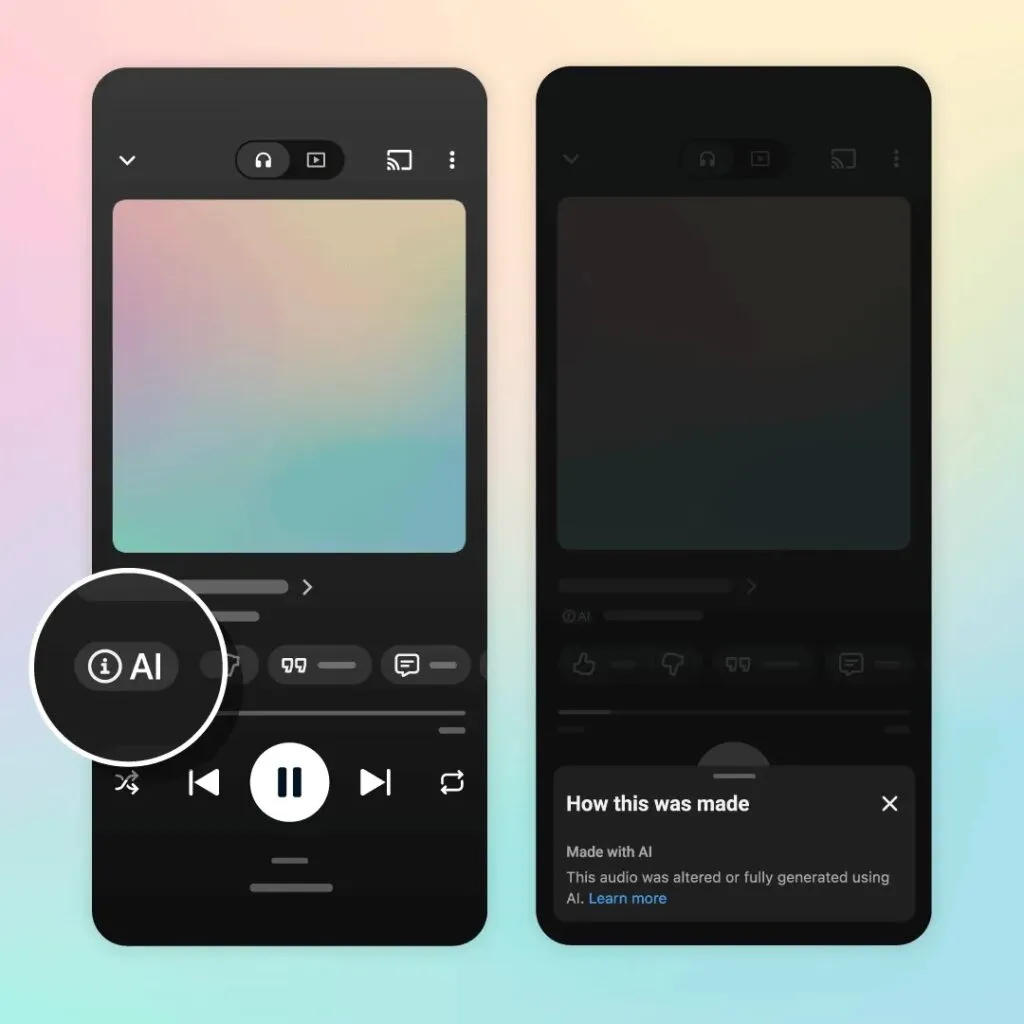
Three labels, from "fully generated" to "no AI", and not a single ban. YouTube is tagging machine-made songs while also...
This site uses cookies - is that okay? Learn more
Be the first to know when Metla launches something new
Leave your email and we will write when there is a new guide or something new on Metla.


