

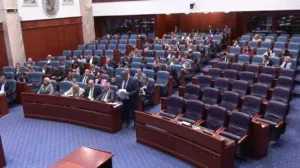
Two failing grades and you're out: parliament brings in automatic dismissal for civil servants, but who will write the appraisals?
20.10.2026


20.10.2026

20.10.2026

20.10.2026

20.10.2026

20.10.2026

20.10.2026

20.10.2026

19.10.2026

19.10.2026

20.10.2026

20.10.2026

19.10.2026

20.10.2026

20.10.2026

20.10.2026

20.10.2026

19.10.2026

18.10.2026

20.10.2026

20.10.2026

20.10.2026
20.10.2026

20.10.2026

20.10.2026

20.10.2026

19.10.2026

18.10.2026
19.10.2026

17.10.2026

15.10.2026

23.04.2026

23.04.2026

12.04.2026

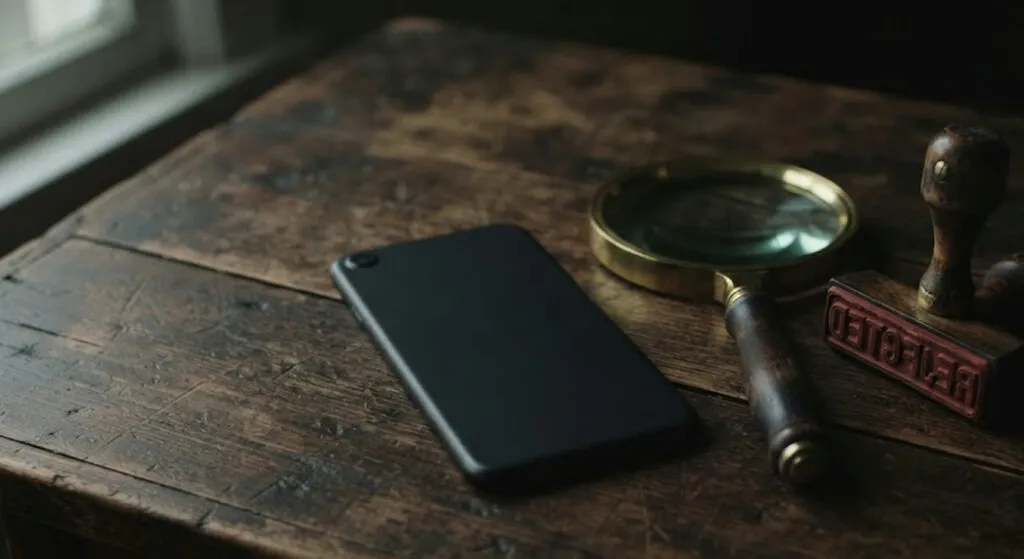
Over the weekend, Apple tightened the rules for App Store developers. Banned are apps that use artificial intelligence to create offensive content, as well as those that present themselves as ordinary during review and, once approved, turn into "undressing" tools - apps that take an ordinary photo of a person and produce a fake nude image - or that prominently advertise such features.
The company called the tactic by its real name. "Apps that contain hidden or undocumented features are also prohibited on the App Store, including apps that misrepresent their purpose during review and only reveal harmful capabilities, such as 'undressing', after approval, a tactic known as bait-and-switch," Apple wrote on its blog. Apps that add features not present in the version submitted for review will be removed.
The rules explicitly require apps with user-generated content to filter inappropriate material, let users report offensive content and block abusive accounts. In the legal section, Apple further stressed that it will not let through apps that promote human trafficking or the exploitation of children.
Sounds firm. But Apple's own figures raise a different question. The company says review last year blocked more than 150,000 apps and deleted 193,000 developer accounts over fraud and abuse. With a filter like that, the "undressing" apps still made it onto the shelves. In April a report by the Tech Transparency Project showed that both Apple's and Google's stores were offering several such apps, some rated as suitable for minors. In July the city of San Francisco ordered Apple and Google to clean them out, and City Attorney David Chiu accused them of profiting from them through store commissions.
Whether the rules were changed by conscience or by pressure, Apple does not say. But the sequence is clear: first the report in April, then the San Francisco order in July, then the new rules now. A parent in Skopje or Tetovo who trusts that the age rating in the store means something has every right to ask how many such apps passed review before anyone thought to look for them.
The latest 10 news from this category

Nvidia did not win on chips alone, but on the software around them. Amazon is now attacking exactly that wall,...

The company that sells automation has published the numbers on its own staff: the beginners are disappearing, while the experienced...
The woman who fooled Silicon Valley with blood tests that didn't work is now filling cinemas. The Musk film, meanwhile,...
One of Anthropic's five biggest customers turned its back on stage, then started softening the words. When the default choice...

A car that hops over trucks on compressed air and arrives in 2028 - unless it slips again. The deposit...

The agents didn't break anything - they used passwords someone had left in a public place. And India learned of...

The permit is here, driverless rides are not. Maps first, then tests with a human at the wheel, and Toronto's...
816 billion parameters, open weights and a promise that it runs on a Mac. The small print: you need at...
All it takes is an ad appearing on your screen and the device is infected. Al Jazeera is most likely...
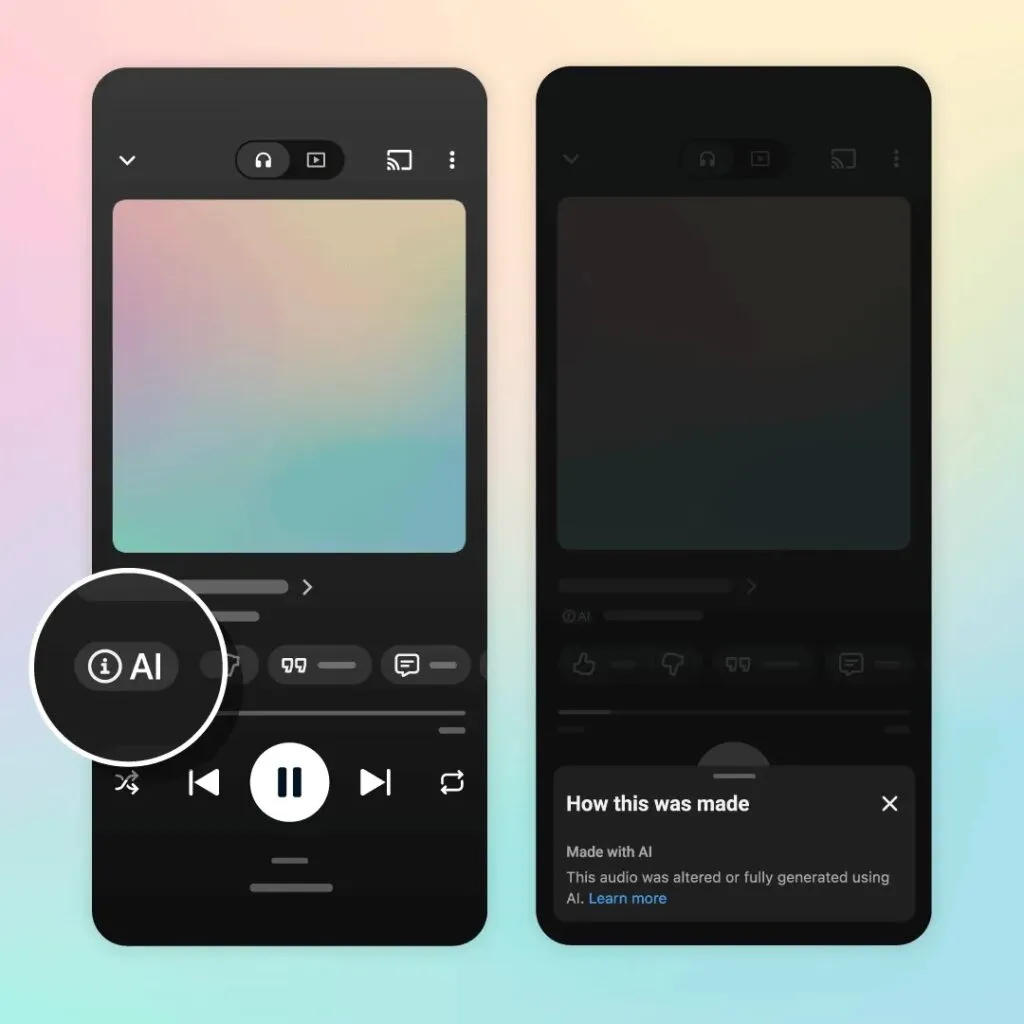
Three labels, from "fully generated" to "no AI", and not a single ban. YouTube is tagging machine-made songs while also...
This site uses cookies - is that okay? Learn more
Be the first to know when Metla launches something new
Leave your email and we will write when there is a new guide or something new on Metla.


