

Kratovo man stabs police officer mid-intervention: prosecutors want the 40-year-old detained
15.09.2026


15.09.2026

15.09.2026
15.09.2026

15.09.2026
15.09.2026

15.09.2026

15.09.2026

14.09.2026

13.09.2026

15.09.2026

15.09.2026

14.09.2026

15.09.2026

15.09.2026

15.09.2026

15.09.2026

14.09.2026

13.09.2026

15.09.2026

15.09.2026

15.09.2026

15.09.2026

15.09.2026

14.09.2026

09.03.2026

27.02.2026

19.02.2026

15.09.2026

14.09.2026

14.09.2026

23.04.2026

23.04.2026

12.04.2026

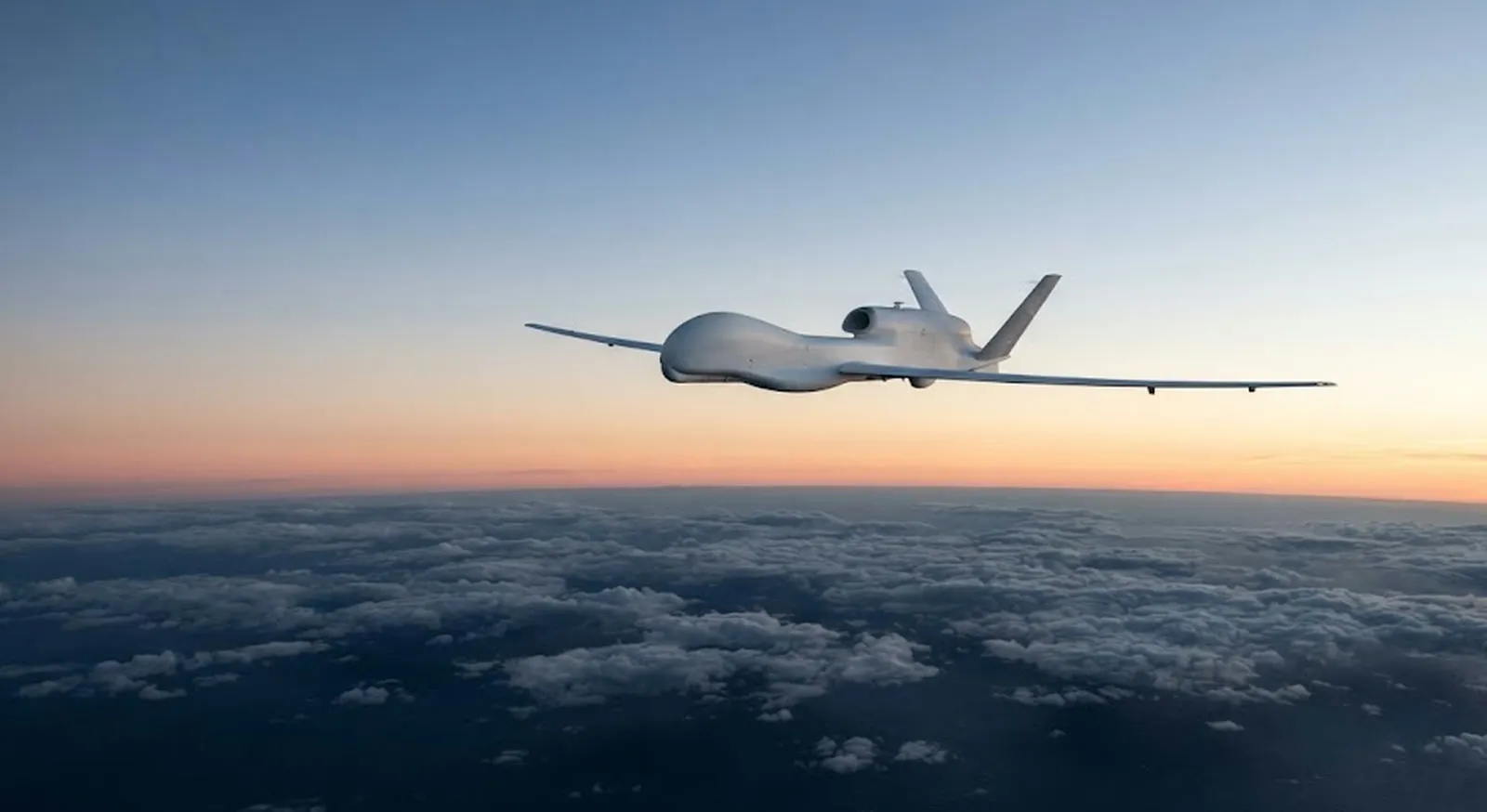
While hundreds of drones flew over Russia, a single aircraft circled the Black Sea for hours - NATO's strategic reconnaissance drone RQ-4D Phoenix, callsign MAGMA10. Formally, that is a mission over international waters. In practice, it is a front-row seat to how Russian air defence reacts while it is being hit.
According to sources in European Union air traffic control services, the aircraft appeared with its transponder on after emerging from the direction of Bulgaria, then continued reconnaissance over international waters. Transponder on means nobody is hiding. That is part of the message.
Ryazan burned all night
A series of powerful explosions rang out in Ryazan overnight, the city was repeatedly under air raid alert, and a Wildberries sorting centre of around 173,000 square metres was hit - the company's fourth-largest logistics facility in Russia. The site was evacuated, access closed, and staff and hauliers ordered to stay away until operations resume.
The Ryazan oil refinery was also hit, where a fire broke out. It processes around 17 million tonnes of oil a year and provides roughly five percent of Russia's total refining. Six people were hospitalised. Russian authorities confirmed fires at industrial sites but did not name all the affected enterprises - which is itself a piece of information.
320 drones in one night, 842 in 24 hours
Ukrainian monitoring channels reported that around 320 drones were moving towards Russian territory and Russian-controlled areas. There is still no official total. Russia's defence ministry, for its part, said 356 Ukrainian drones were intercepted the previous night over 14 Russian regions, the Moscow region, Crimea and the Sea of Azov - and 842 in total over 24 hours.
Both figures are published by sides with an interest in inflating them in opposite directions. One side counts what was sent, the other counts what was shot down, and nobody counts what was hit. Where the truth is - somewhere in the smoke over Ryazan.
Eight days, nine cities
The strikes on Wildberries logistics centres are no coincidence. Since 18 July, company facilities have been attacked in Elektrostal, Kotovsk, Krasnodar, Nevinnomyssk, Shushary, Novosaratovka, Tver, Simferopol and other cities. That is not an isolated strike - it is the systematic dismantling of the distribution network of Russia's largest online retailer.
And the night before, in the Ryazan region, a power line pylon and apartments in one building were damaged, along with a water tower, an electricity line and a mobile antenna. Those are no longer military targets in the textbook sense. That is infrastructure ordinary people live off.
What the Phoenix actually sees
The RQ-4D is built for sustained strategic reconnaissance - it flies at high altitude, monitors a wide area for hours and relays the collected data to NATO command centres almost immediately. Its systems allow tracking of Russian units, military airfields, equipment movements and the operation of defensive positions.
There is no publicly released evidence that the NATO aircraft directly guided the strike drones. But its mission lets the alliance record how Russian air defence responds at the moment of attack - a piece of data worth more than any single strike. On a night like this, the difference between „taking part” and „watching from the front row” is thinner than it sounds.
The latest 10 news from this category
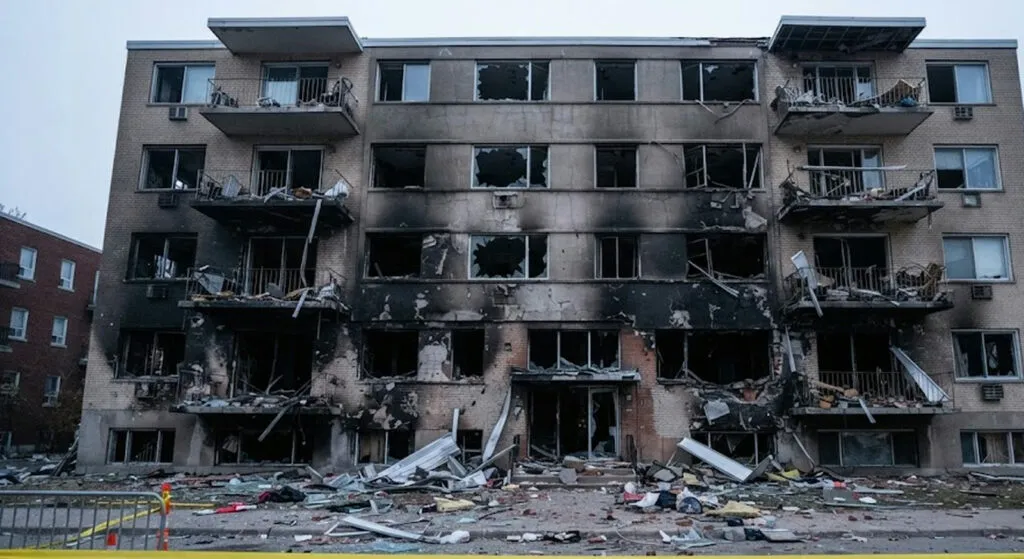
Residential buildings, a kindergarten and an Orthodox church damaged in Russia's largest Black Sea port. Four dead and 29 injured...
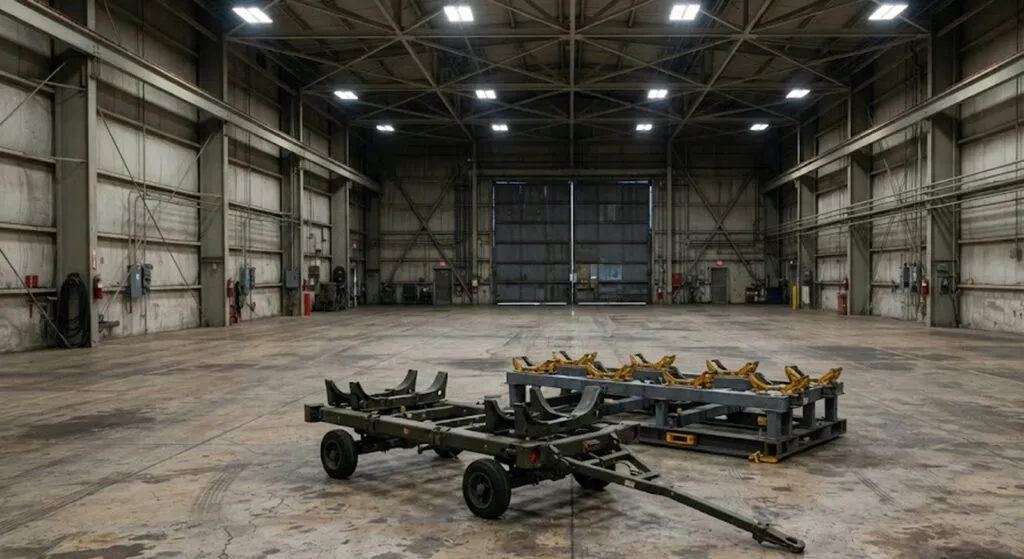
When there are no air-to-air missiles left, what remains is a 20mm cannon - and that means the pilot has...

In public - constructive talks. In private, according to an MP in the Verkhovna Rada, the envoys arrived with tougher...
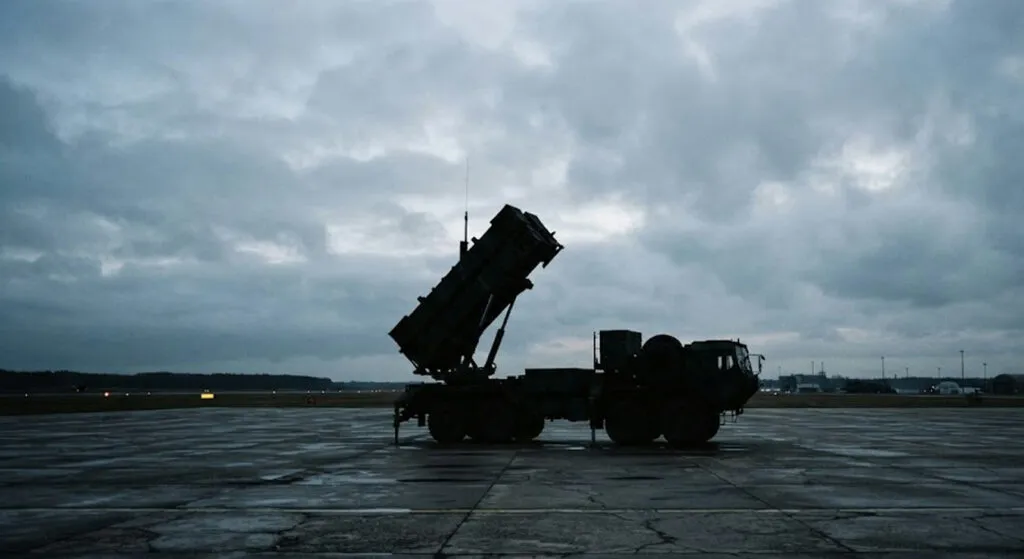
Not next month - 2027. A president planning air defence for the period after peace says more about the peace...

The sky above a capital is safe exactly as long as there are American negotiators inside it. That is not...

Two American envoys entered the Kremlin with a document nobody outside that room has read. A three-day pause over Kyiv...

From midnight until 8 September the Ukrainian army is under orders not to fire. Except a truce is when both...
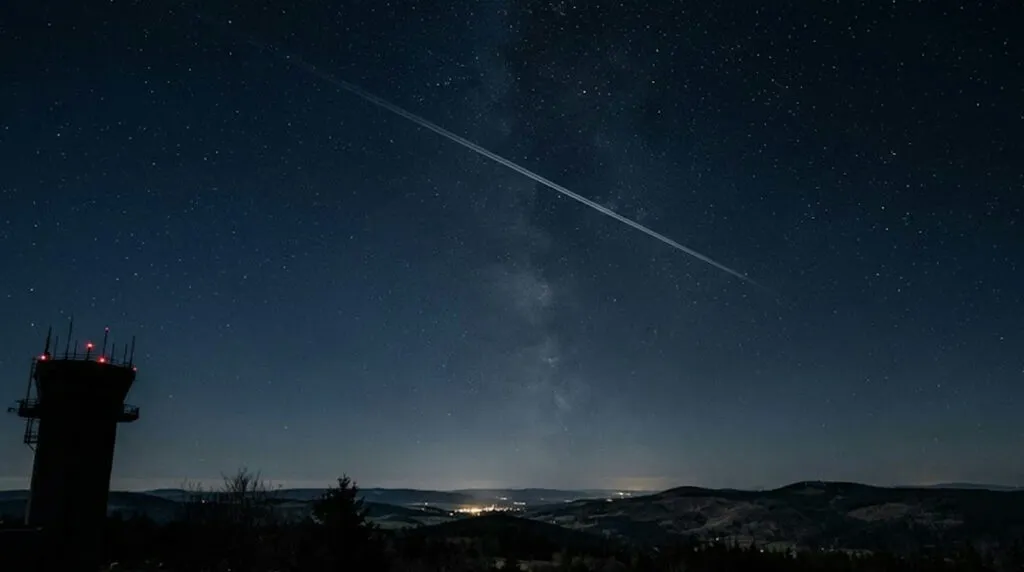
Zelensky warned airlines and insurers that Russian airspace would de facto close. Putin answered with a sentence that shuts every...
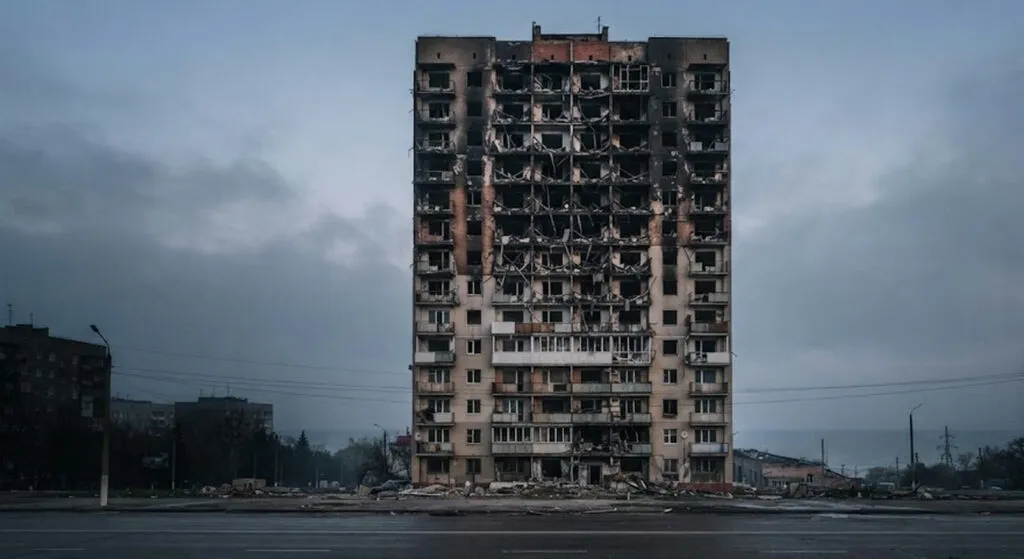
The Banderol costs less than the interceptor sent to shoot it down. When the arithmetic looks like that, the war...
First they would not give missiles, then they gave them with rules on where they could be fired, now they...
This site uses cookies - is that okay? Learn more
Be the first to know when Metla launches something new
Leave your email and we will write when there is a new guide or something new on Metla.
