Debar woman reported a 3,000-euro burglary at her home - police found she had made it up
14.10.2026


14.10.2026

14.10.2026

14.10.2026

14.10.2026
14.10.2026

14.10.2026

14.10.2026

13.10.2026

13.10.2026

14.10.2026

14.10.2026

13.10.2026

14.10.2026

14.10.2026

14.10.2026

14.10.2026

13.10.2026

12.10.2026

14.10.2026

14.10.2026

14.10.2026

14.10.2026

14.10.2026

14.10.2026
13.10.2026

12.10.2026

10.10.2026

23.04.2026

23.04.2026

12.04.2026

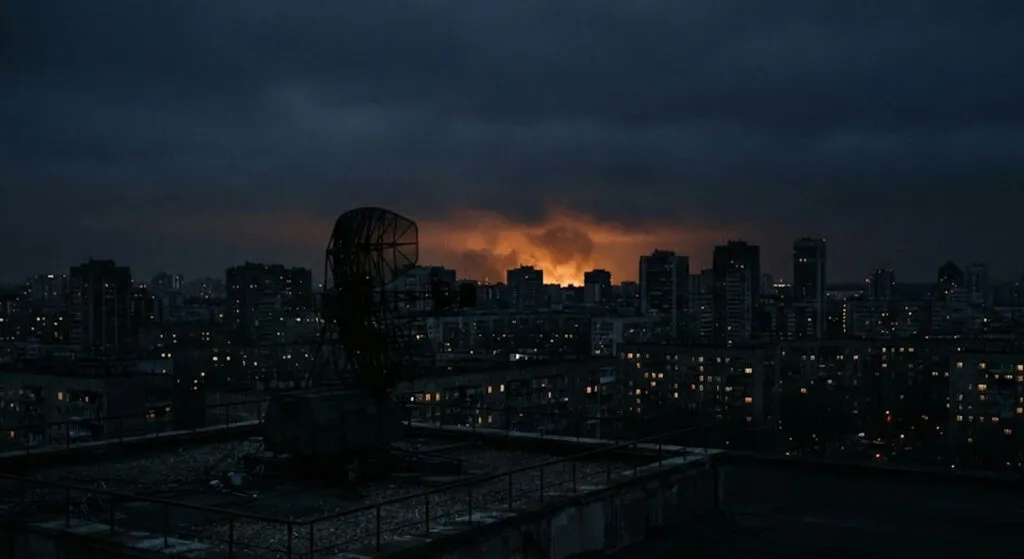
At 22:10 on October 12, Russian forces struck Kyiv with six ballistic missiles, according to preliminary data from the Ukrainian Air Force. The explosions were heard before the air-raid sirens. According to city authorities, a transport infrastructure facility and a four-storey warehouse were hit, and the exact type of missile is still being established.
The most unusual part is the military's own admission. "The ballistic targets were detected by radar directly during the attack on Kyiv. Information about launches from enemy territory did not arrive. The reasons are being established," the Air Force said. Translated from military language: nobody warned them.
That is no technical trifle. American intelligence, including satellite data, is key to early detection of launches. Without that warning, air defence has much less time to react - and people much less time to reach a shelter.
The attack came at the worst possible moment. The US outlet Axios reported that Donald Trump's envoys, Steve Witkoff and Jared Kushner, warned at talks with the Ukrainian delegation in Miami that Washington could cut off intelligence sharing if the Ukrainian army kept attacking Russian refineries. A Ukrainian official says the threat was made; an unnamed US official denies it. The Financial Times then reported that the administration is also considering limiting arms deliveries through the PURL mechanism, through which European countries pay for American weapons for the Ukrainian army.
There is no official confirmation - neither that the US actually cut off the flow of data, nor that this is precisely the reason the warning came late. But when the army publicly writes "information did not arrive", while negotiations are going on under threat at the same time, suspicion isn't paranoia. It's reading between the lines.
The night didn't end in Kyiv. In Lviv, in the far west of the country, the sirens sounded at around 5 a.m. on October 13, followed by explosions from Russian drones and fires. There were explosions in Zaporizhzhia too, and Kharkiv was attacked by nine S-8000 "Banderol" drones.
The picture is cynical: Washington wants Kyiv to stop hitting Russian refineries, while Moscow doesn't stop hitting Ukrainian cities. The Balkans know this scene - the great powers decide who is allowed to hit back and who is only allowed to count missiles. If intelligence really becomes a bargaining chip, who will explain to the people in the shelters why the siren came late?
The latest 10 news from this category
A ceasefire announced on social media, without a word from the Kremlin, while the pressure goes only towards Kyiv. The...
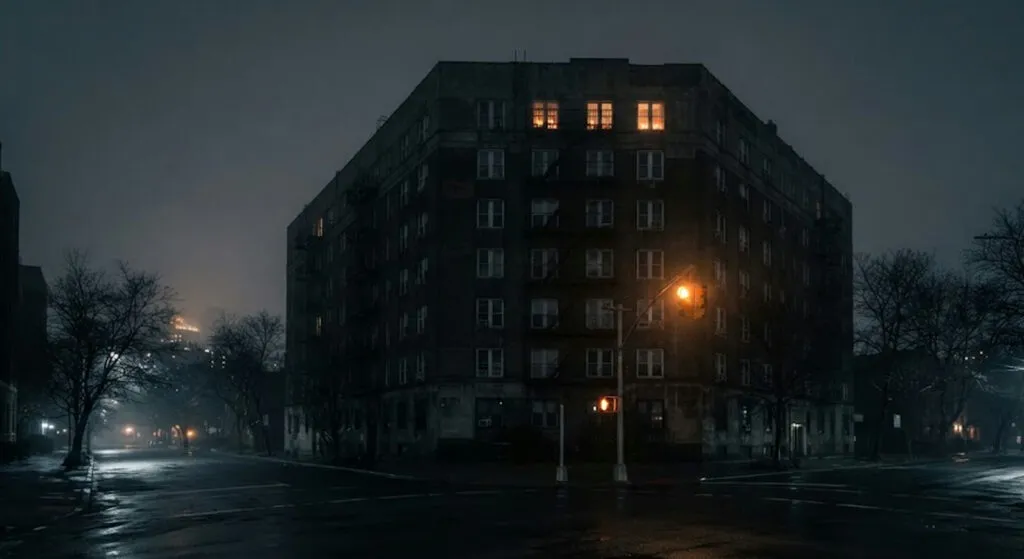
In parts of Kyiv the power comes back for an hour at a time, and without it there is no...
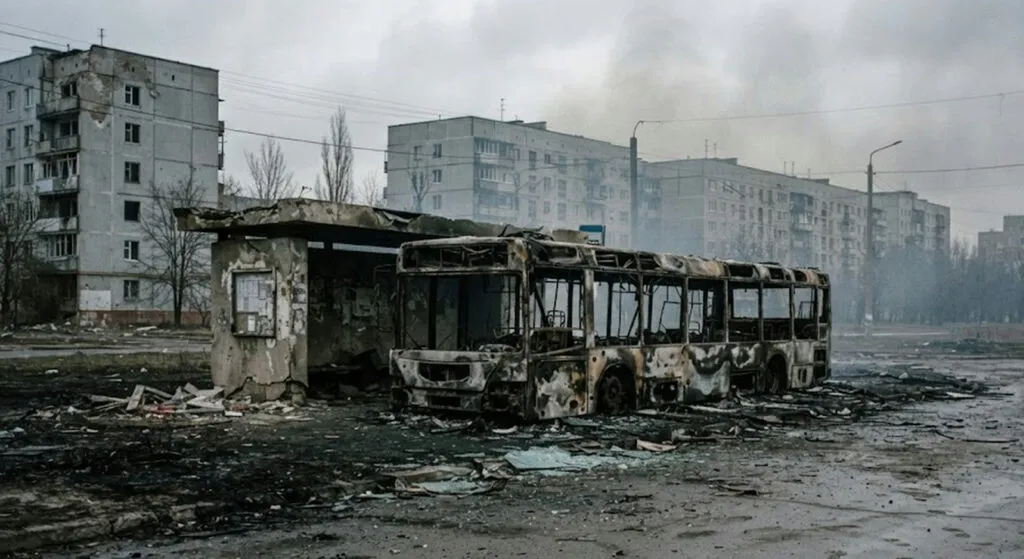
A guided bomb on the bus station, two buses in flames, 33 dead and 18 wounded. The governor of the...

While Rubio talks of a "dangerous stalemate", Ukraine counts 78 dead in two days. Zelensky wants sanctions and Starlink, and...
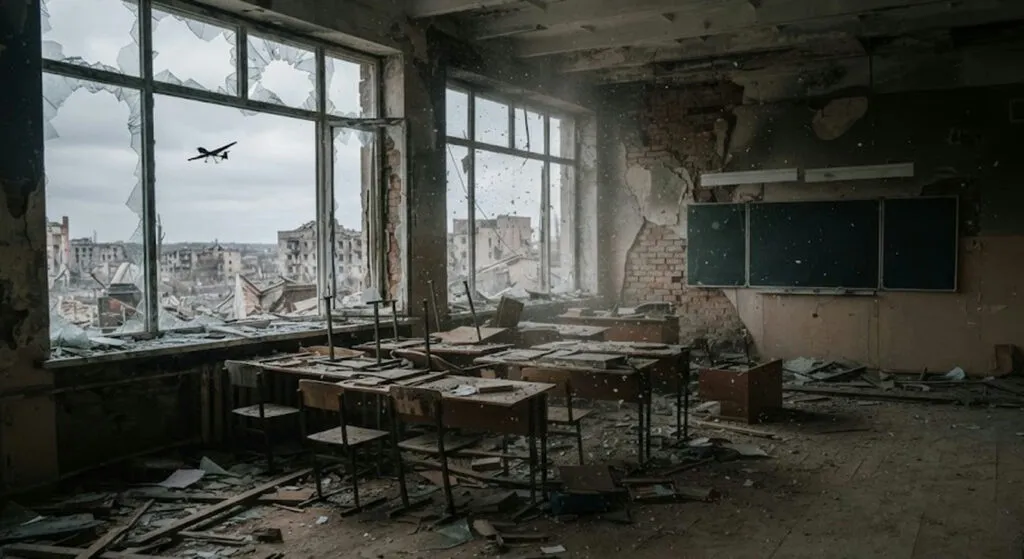
Russia's Defence Ministry lists schools, a court and a stadium, Ukraine's General Staff counts attacks, and ISW analysts see no...
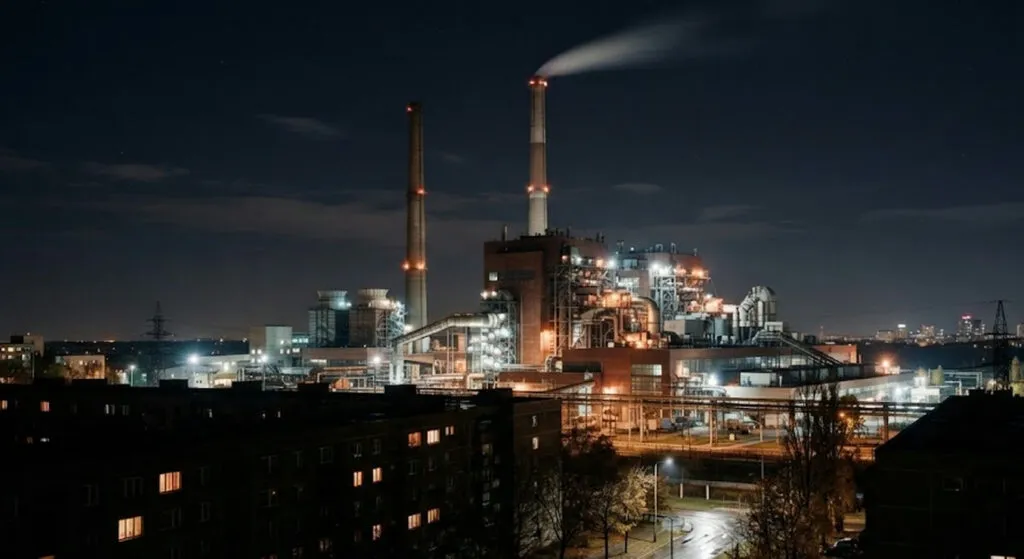
Kyiv confirms a fire but not a hit on the power plant. Strikes on electricity and heating before winter -...
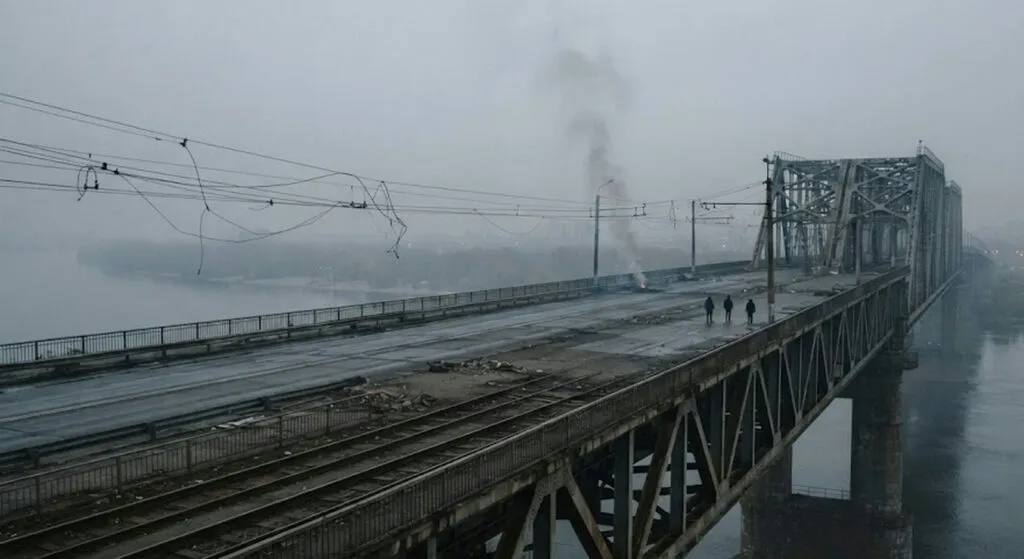
Two key bridges over the Dnipro hit in three days, a full metro train saved at the last second. Moscow...
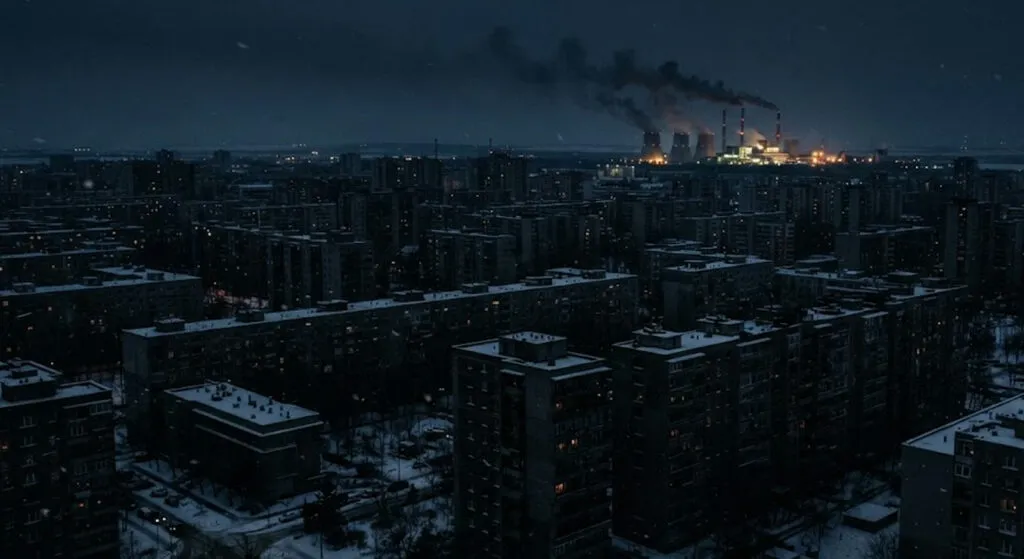
An intercepted document from August describes three phases of strikes: first the links to Europe, then the hydropower plants, finally...
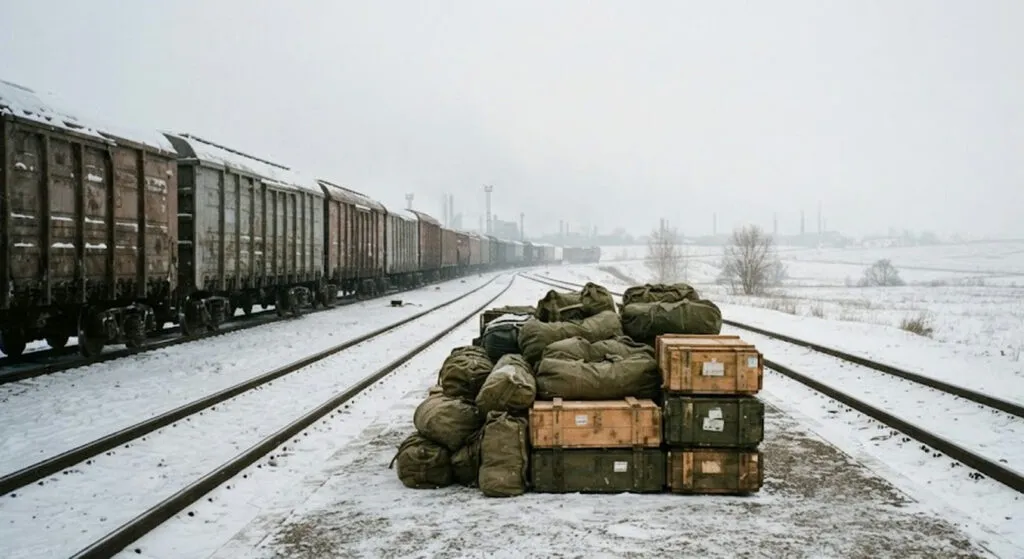
While Kyiv and Seoul argue over two prisoners, Pyongyang is picking thousands more soldiers for training and deployment to Russia....
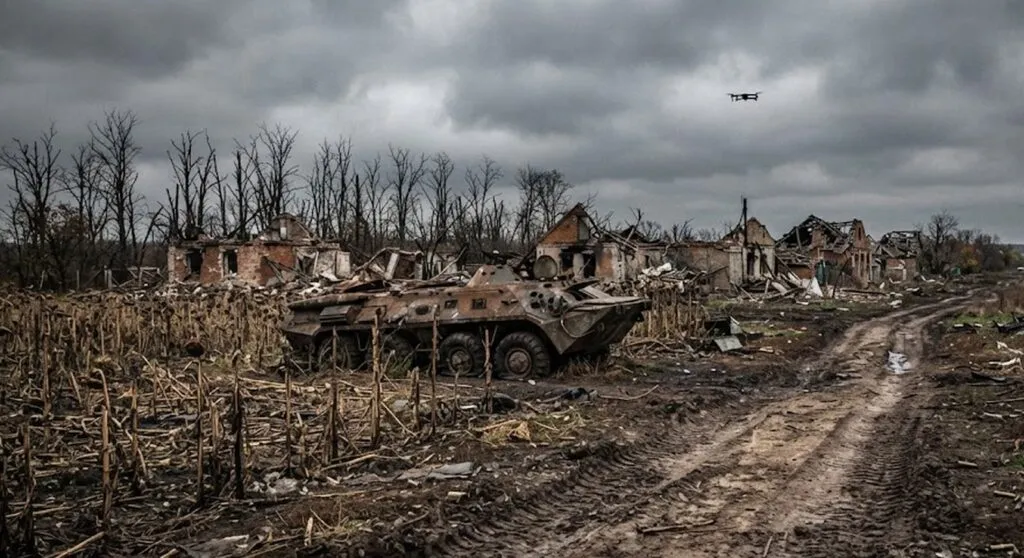
The offensive, fought almost entirely under an information blackout, has liberated three more villages and 51 square kilometres. The general...
This site uses cookies - is that okay? Learn more
Be the first to know when Metla launches something new
Leave your email and we will write when there is a new guide or something new on Metla.