

Cancer Drug in a First Aid Kit at Bogorodica: Why Was the Driver Also Carrying 30 Labels?
22.10.2026


22.10.2026
22.10.2026

22.10.2026
22.10.2026
22.10.2026

22.10.2026

22.10.2026

22.10.2026

21.10.2026

22.10.2026

22.10.2026

21.10.2026

22.10.2026

22.10.2026

22.10.2026

22.10.2026

21.10.2026

20.10.2026

22.10.2026

22.10.2026

21.10.2026

22.10.2026

21.10.2026
20.10.2026
22.10.2026

20.10.2026

19.10.2026

23.04.2026

23.04.2026

12.04.2026


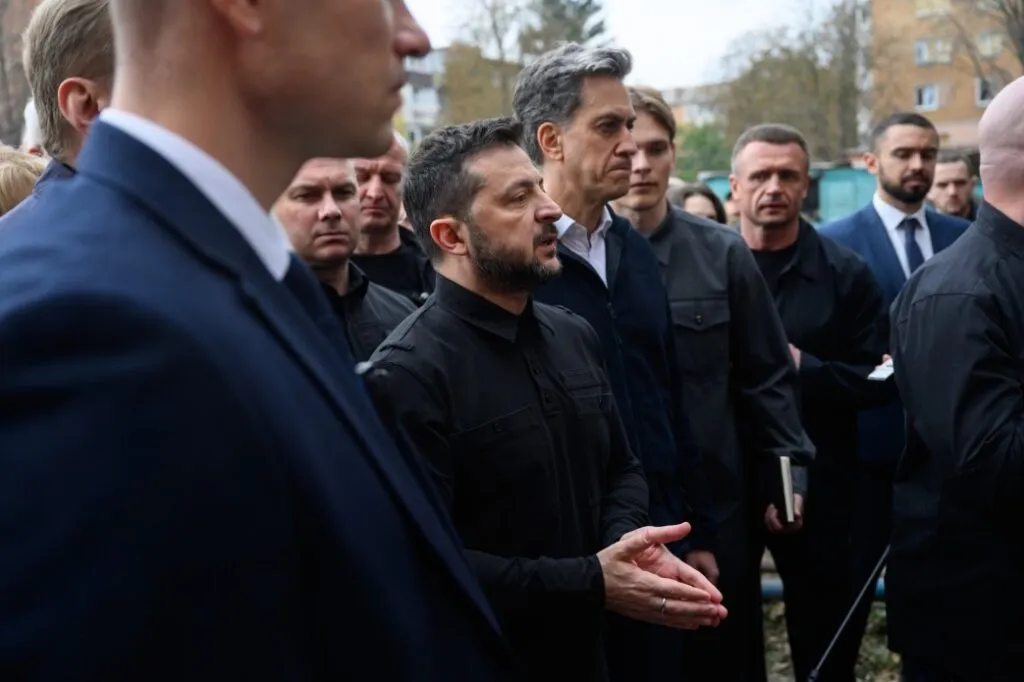
The open feud between Donald Trump and Volodymyr Zelensky has stopped being a diplomatic drama for the front pages. Now it's measured in missiles. According to information that has come out publicly, the US has restricted Ukraine's access to SpaceX's Starshield satellite technology and held back deliveries of key missiles for the Patriot air defence systems - the very ones Kyiv uses to defend its cities from Russian ballistic strikes.
That's why NATO has issued its most serious warning yet - not to Moscow, but to Kyiv. Zelensky has been asked to urgently calm things down and ease the conflict with Washington. Otherwise, given Trump's unpredictability, even the deliveries of American weapons that European countries pay for themselves through the PURL programme could come into question. Within the Alliance there is growing fear that the relationship between the two presidents is irreversibly ruined and that Ukraine could be forced into a painful and humiliating peace deal with Moscow.
The numbers are brutal. According to Zelensky, Ukraine is currently getting only 12 Patriot missiles a month - a quarter of what Joe Biden's administration sent. And one more thing: Biden sent them for free, as military aid, while Trump charges dearly for them and is late even with the ones Kyiv has already paid for. "A long, dark and cold winter lies ahead," warns Justin Logan of the Cato Institute in Washington. "It's almost November, their stocks of interceptor missiles have fallen almost to zero, and the Europeans can do very little to top them up, because their own depots are empty too."
And Trump? "Russia, frankly speaking, is being quite fine with Ukraine. They haven't done all that much," he told reporters before his trip to Kansas. He said that on the day a Russian drone hit a park in the Kharkiv region in broad daylight and killed six people, including two children. Among the dead are one-year-old Angelina and her mother Inna. The night before, Russia had attacked Kyiv with more than a dozen ballistic missiles and targeted almost 30 key energy facilities across the country.
The spark for the latest feud was Trump's decision to unilaterally allow imports of Russian diesel and to freeze the new package of sanctions against Russia's energy sector passed by Congress - moves that directly fill Moscow's war chest. The White House, for its part, is most irritated by successful Ukrainian drone attacks on Russian refineries. Ahead of the congressional elections on November 3, the administration is looking for someone to blame for high fuel prices - and instead of the war the US started in Iran, it points the finger at Kyiv.
NATO Secretary General Mark Rutte is trying to calm tensions. US Secretary of State Marco Rubio, asked whether relations are irreversibly ruined, didn't answer directly, saying instead that Trump is ready to do anything to end the war, "even if that means he has to push both sides to sit down at the table." German Chancellor Friedrich Merz warned that Putin's goal is not only Ukraine's military defeat, but also undermining democracy on European soil.
The logic of this warning is strange. The one attacked is advised to be more conciliatory, and the attacker gets diesel without sanctions. The Balkans remembers well the moment when the great powers decide that a quick peace matters more than a just one. Will Ukraine have any choice other than to keep quiet and wait for the next delivery?
The latest 10 news from this category
Six dead, among them a girl just over a year old who was in her pushchair. Kyiv is asking for...
The energy truce Trump imposed unilaterally has collapsed, and the war has reached a city 856 kilometres north of the...
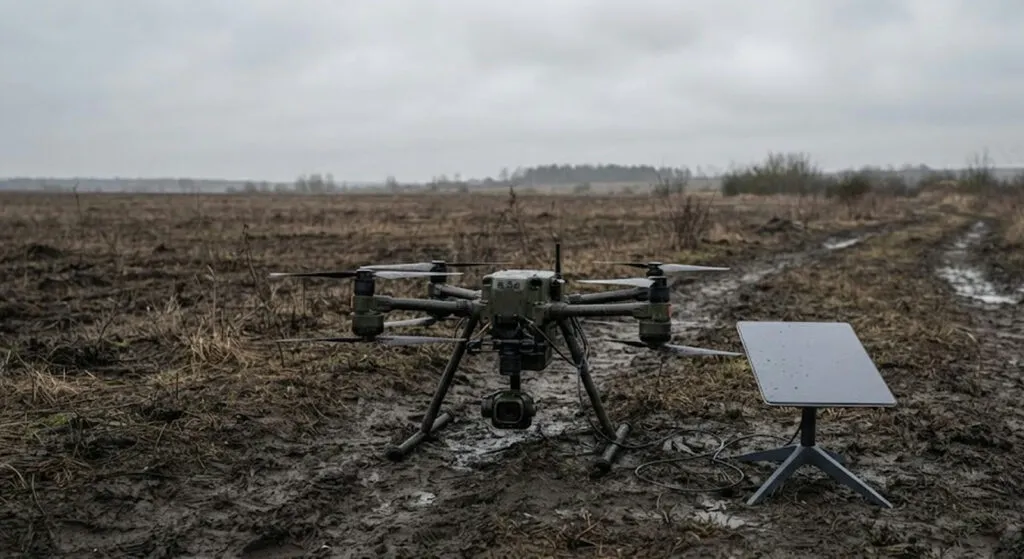
While Trump presses Kyiv to stop hitting Russian refineries, the satellite system guiding Ukraine's drones suddenly stopped working at high...
While Trump strikes a diesel deal with Moscow, Kyiv has been left without US ballistic missile warnings. What is an...
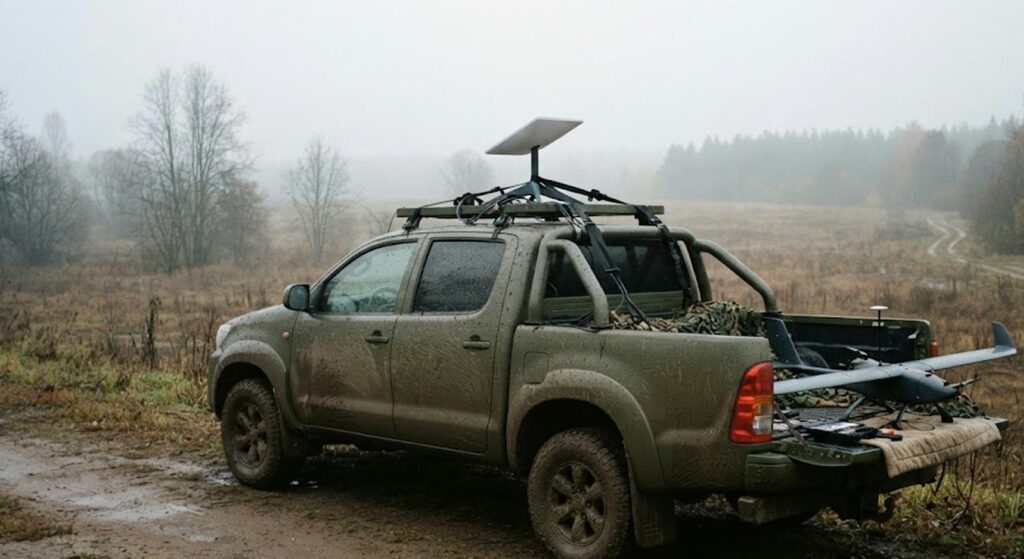
One overnight restriction, and medium-range drone strikes ground to a halt. The Balkans learned long ago that an ally and...
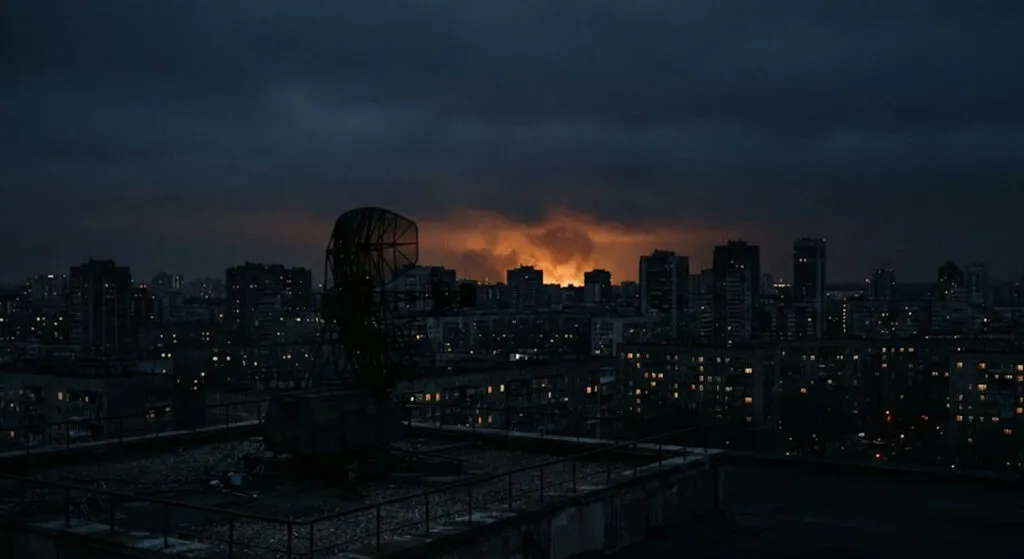
The Ukrainian military admits it knew nothing about the launch - radar only picked up the missiles over the city....
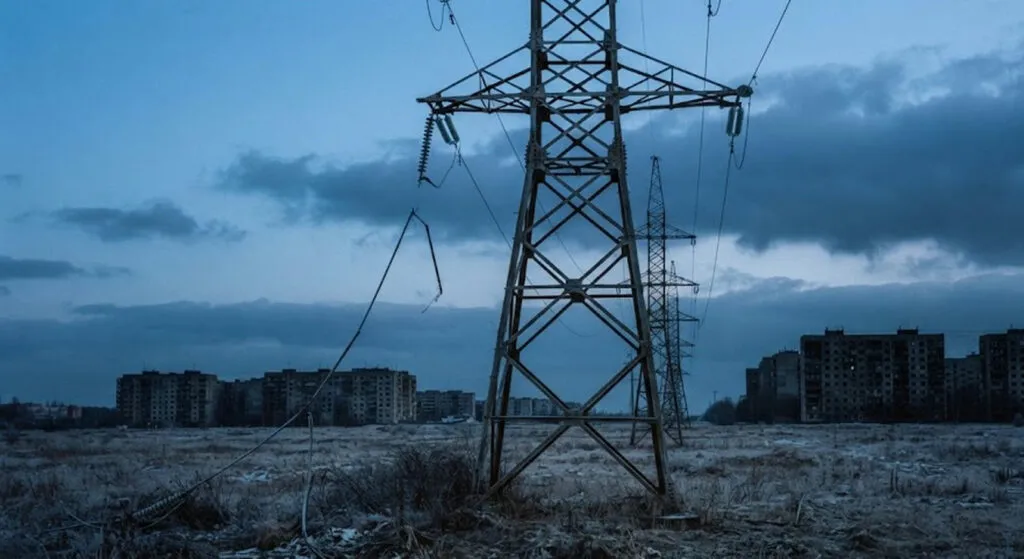
A ceasefire announced on social media, without a word from the Kremlin, while the pressure goes only towards Kyiv. The...

In parts of Kyiv the power comes back for an hour at a time, and without it there is no...
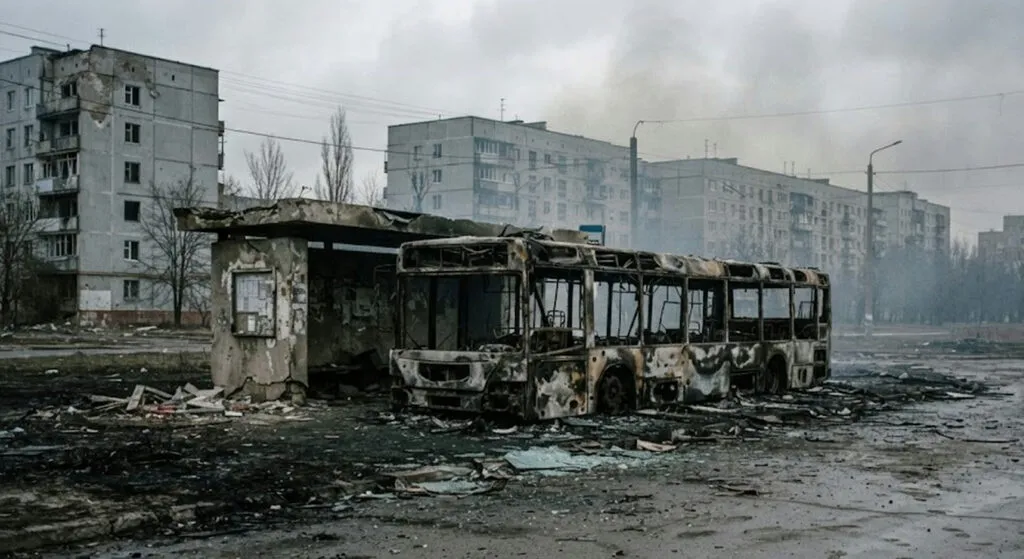
A guided bomb on the bus station, two buses in flames, 33 dead and 18 wounded. The governor of the...
While Rubio talks of a "dangerous stalemate", Ukraine counts 78 dead in two days. Zelensky wants sanctions and Starlink, and...
This site uses cookies - is that okay? Learn more
Be the first to know when Metla launches something new
Leave your email and we will write when there is a new guide or something new on Metla.