


The OLVX stolen-password market led to Golema Rečica: the Interior Ministry celebrates the operation but stays silent on whether there are Macedonian victims
16.10.2026


16.10.2026
16.10.2026

16.10.2026
16.10.2026

16.10.2026

16.10.2026

16.10.2026

15.10.2026

15.10.2026

16.10.2026

16.10.2026

15.10.2026

16.10.2026

16.10.2026

16.10.2026

16.10.2026

15.10.2026

14.10.2026

16.10.2026

16.10.2026

16.10.2026

16.10.2026

16.10.2026

16.10.2026

16.10.2026

15.10.2026

14.10.2026
15.10.2026

13.10.2026

12.10.2026

23.04.2026

23.04.2026

12.04.2026

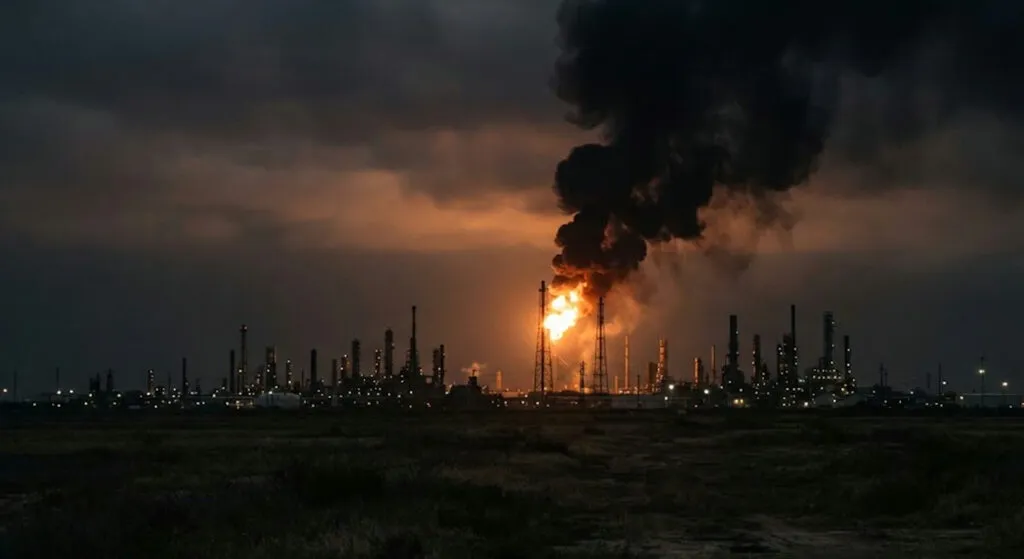
Ukraine will resume its attacks on Russian refineries. "The restriction on strikes against refineries no longer applies. That's over," Ukrainian President Volodymyr Zelensky told the Financial Times. Two sentences with which Kyiv publicly ended the pause it had introduced after Trump announced an energy ceasefire.
Zelensky didn't spare his American allies either. He criticised Washington's readiness to strike business deals with Moscow and Donald Trump's obvious admiration for Vladimir Putin. The backdrop is unusual: on Saturday Trump called on Ukraine to replace Zelensky and sharply attacked Ukrainian strikes on Russian oil infrastructure - a day after announcing a deal with Russia for diesel deliveries, meant to calm fuel prices that have been rising since the US-Israeli war with Iran began in February.
A pause that cost dearly
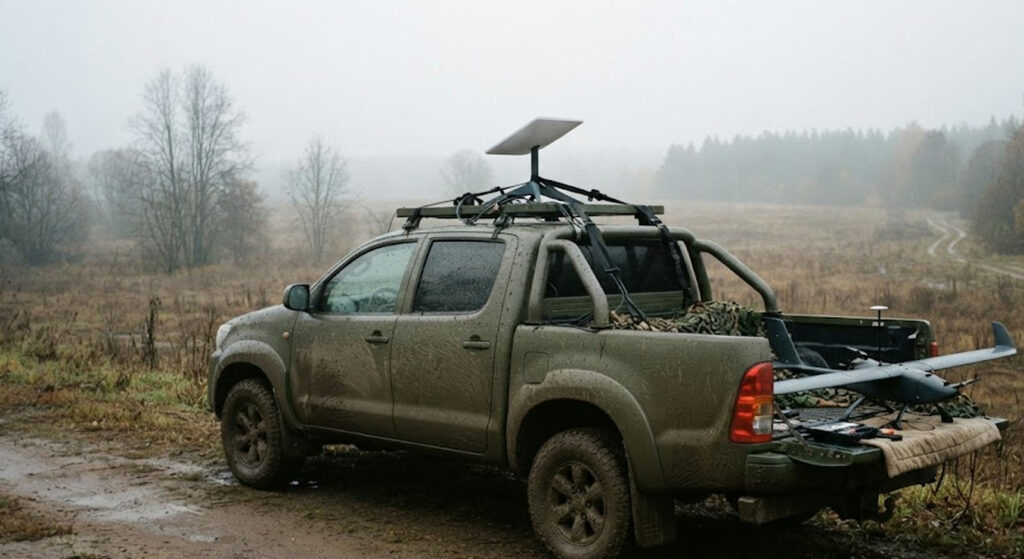
Ukraine really did stop. After the energy ceasefire deal, Kyiv went two days without targeting Russian refineries and other energy infrastructure. Instead of gratitude, according to Zelensky, Ukrainian forces were cut off from American ballistic missile early-warning systems. At the same time, Elon Musk's Starlink satellite service was slowed across the whole country, hampering frontline operations and medium-range strikes on Russian military targets.
Ukrainian military officials, Zelensky says, were warned by their American counterparts that they would lose intelligence if they didn't stop the strikes on energy targets. Kyiv was later told it had been a technical problem. Zelensky doesn't buy it: "It wasn't a technical problem, it was a question of will."
The price of a new deal
Asked whether Ukraine would halt strikes on energy infrastructure to mend relations with the White House, Zelensky said he could agree only in exchange for additional American interceptor missiles for the Patriot systems. He called such a delivery the "minimum" acceptable to Ukraine.
In this story Moscow got a diesel deal, Washington is hoping for calmer fuel prices, and Kyiv was left with a throttled Starlink and a sky without American missile warnings. How many times have small countries learned that an alliance with a great power holds only until the great power finds a better deal on the other side of the table?
The latest 10 news from this category
One overnight restriction, and medium-range drone strikes ground to a halt. The Balkans learned long ago that an ally and...
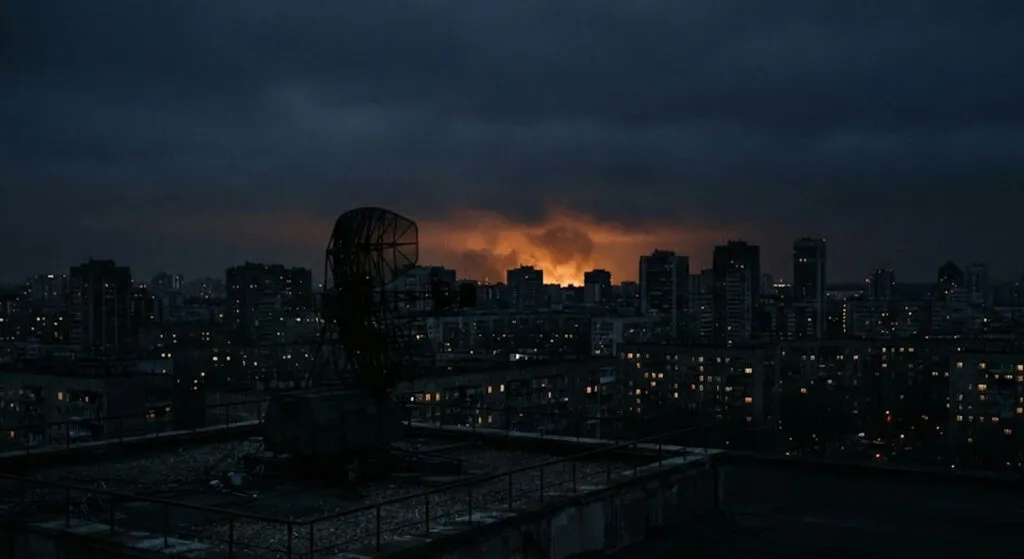
The Ukrainian military admits it knew nothing about the launch - radar only picked up the missiles over the city....
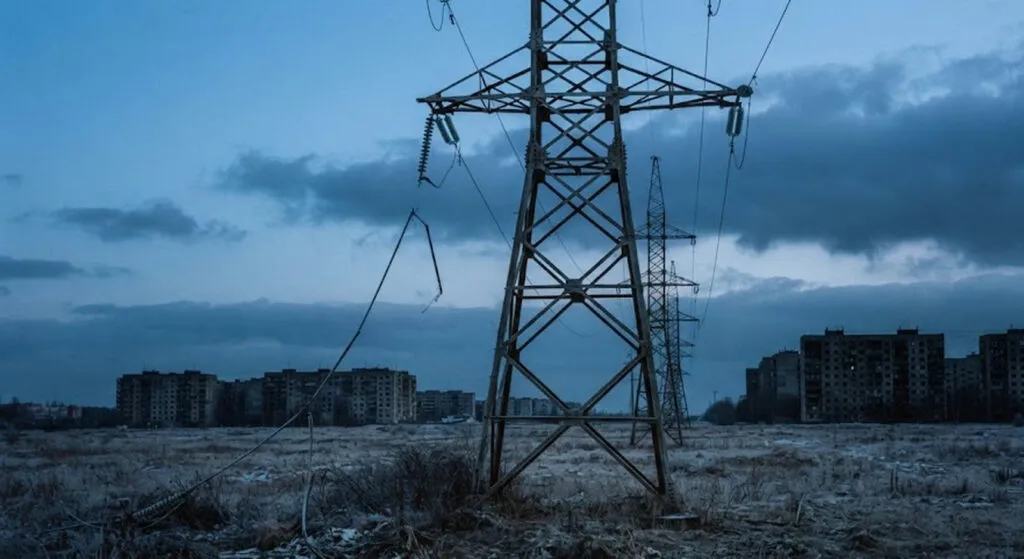
A ceasefire announced on social media, without a word from the Kremlin, while the pressure goes only towards Kyiv. The...
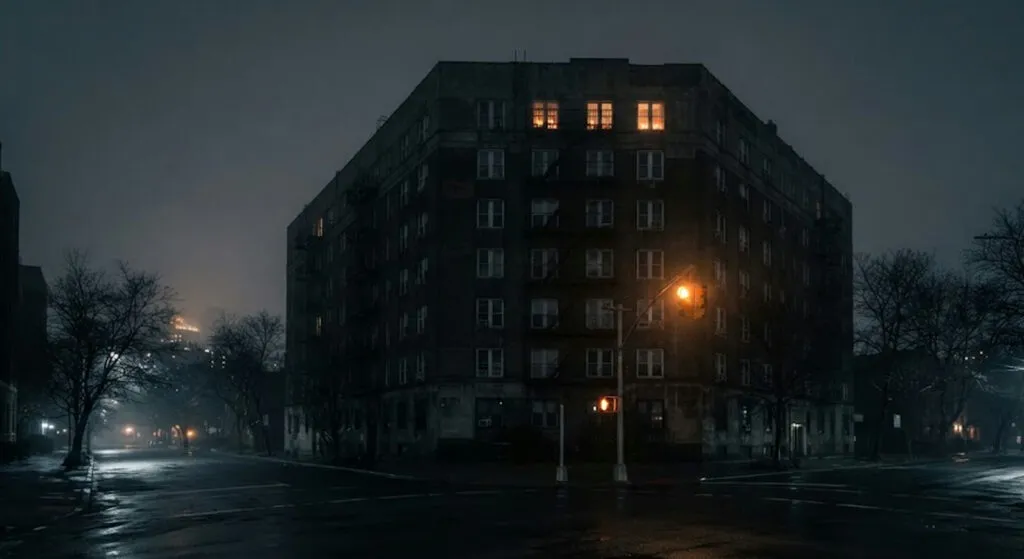
In parts of Kyiv the power comes back for an hour at a time, and without it there is no...
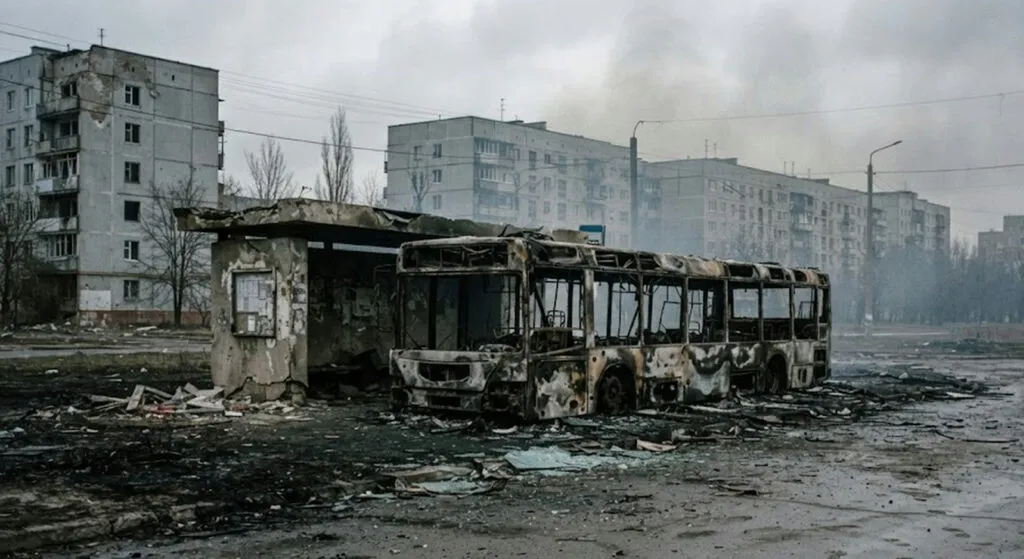
A guided bomb on the bus station, two buses in flames, 33 dead and 18 wounded. The governor of the...

While Rubio talks of a "dangerous stalemate", Ukraine counts 78 dead in two days. Zelensky wants sanctions and Starlink, and...
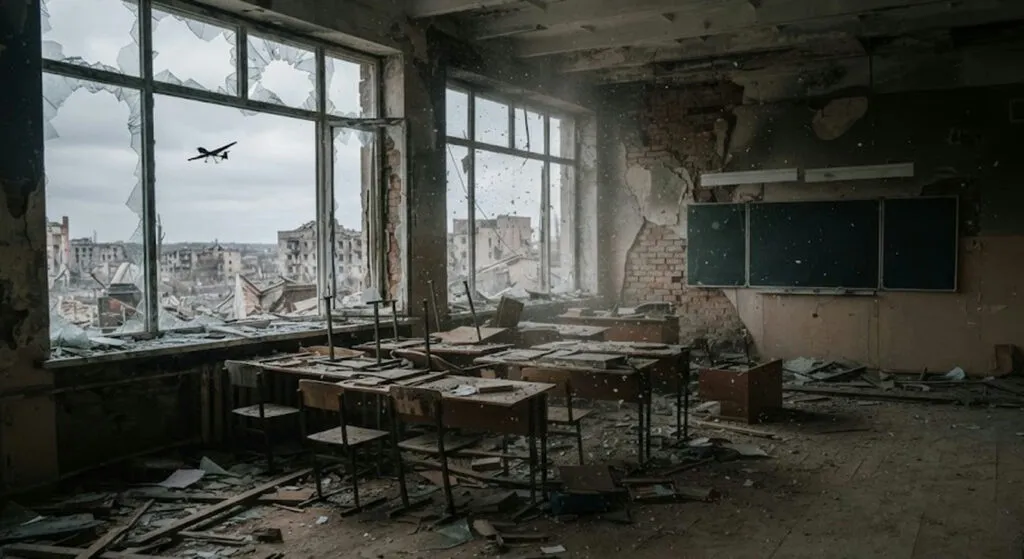
Russia's Defence Ministry lists schools, a court and a stadium, Ukraine's General Staff counts attacks, and ISW analysts see no...
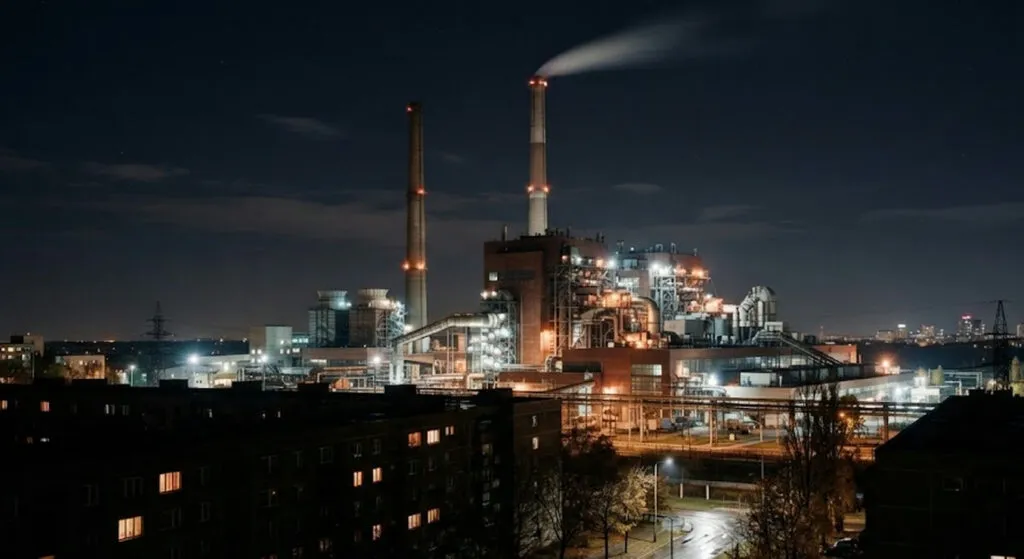
Kyiv confirms a fire but not a hit on the power plant. Strikes on electricity and heating before winter -...
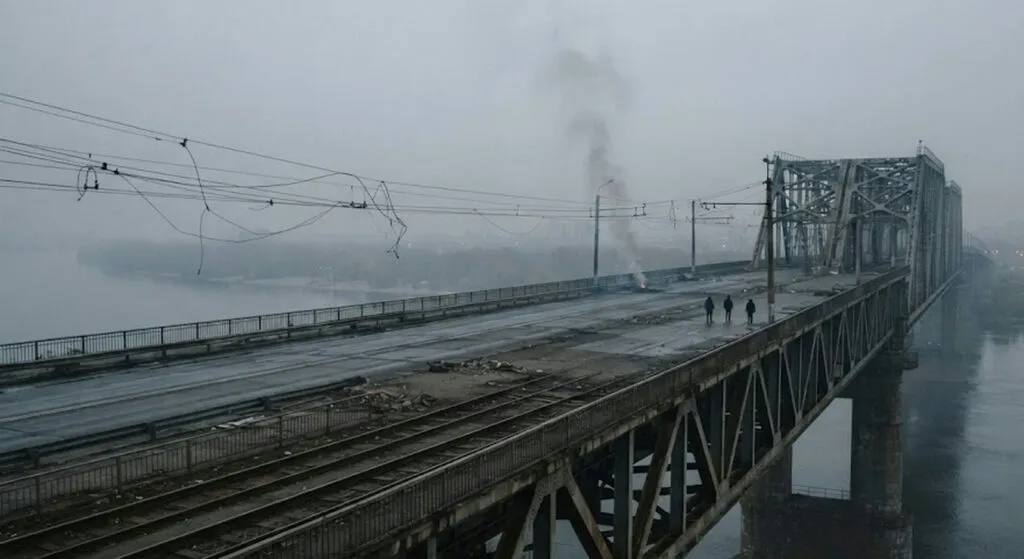
Two key bridges over the Dnipro hit in three days, a full metro train saved at the last second. Moscow...
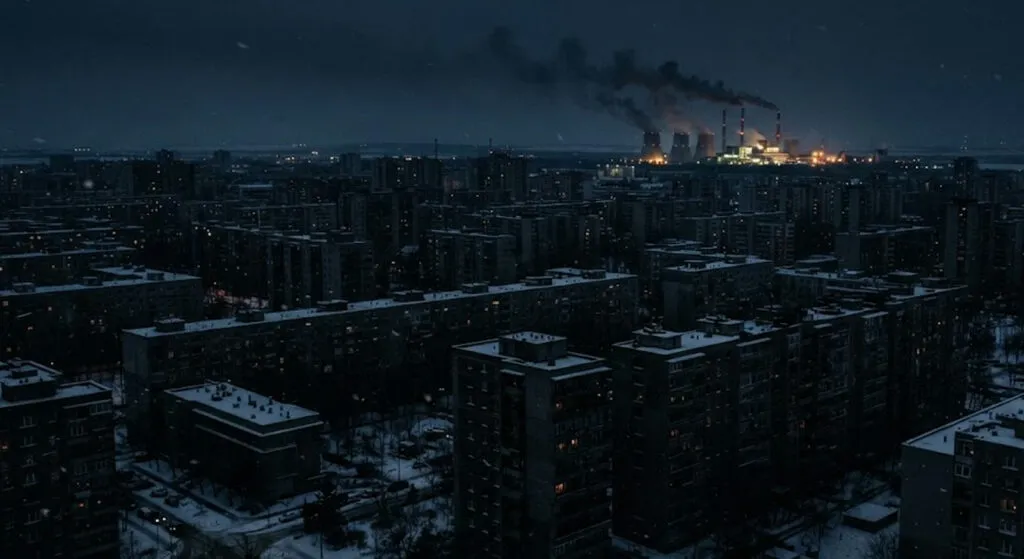
An intercepted document from August describes three phases of strikes: first the links to Europe, then the hydropower plants, finally...
This site uses cookies - is that okay? Learn more
Be the first to know when Metla launches something new
Leave your email and we will write when there is a new guide or something new on Metla.


