

Six Police Officers Suspended over the Beating near Saraj: The Interior Ministry Admits Irregularities, the Union Tells a Completely Different Story
12.10.2026


12.10.2026
12.10.2026

12.10.2026

12.10.2026
12.10.2026
12.10.2026

12.10.2026

12.10.2026

11.10.2026

12.10.2026

12.10.2026

11.10.2026

12.10.2026

12.10.2026

12.10.2026

12.10.2026

11.10.2026

10.10.2026

12.10.2026

12.10.2026

12.10.2026
12.10.2026

12.10.2026

12.10.2026

12.10.2026

11.10.2026
11.10.2026
12.10.2026

10.10.2026

08.10.2026

23.04.2026

23.04.2026

12.04.2026

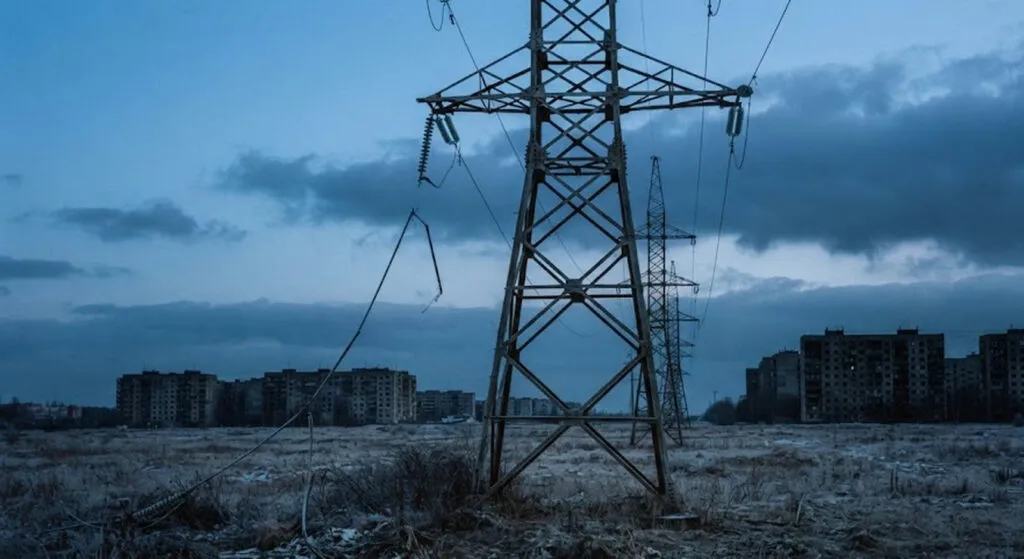
On Sunday, Donald Trump announced on his Truth Social network that an "energy ceasefire" between Russia and Ukraine was taking effect immediately. "Both sides have agreed. Don't break it! Thank you for your attention," the US president wrote. Several hours after the post, the Kremlin still hadn't confirmed anything. Volodymyr Zelensky said he'd learned about the deal from the post.
The ground answered faster than diplomacy. A Russian missile hit a shop in a suburb of Kharkiv - three dead, 20 injured, among them an eight-year-old girl. Three more were killed in a strike on Ivano-Frankivsk, in the west of the country. A drone hit a power plant in Kyiv, leaving entire neighbourhoods without electricity, followed by strikes on energy facilities in the Kharkiv region. "And all of this happened after the President of the United States made a statement about an energy ceasefire," Zelensky said. The state grid operator Ukrenergo announced power restrictions in several regions.
According to Zelensky, in the past week alone Russia carried out more than 200 strikes on power generation and transmission facilities and another 17 on gas and oil installations. More than 150 killed, more than 700 injured. Kyiv nonetheless said it was ready to stop attacking Russia's energy sector if Moscow stopped its strikes too, and that the armed forces "have received all the appropriate orders".
The pressure only goes one way
Alongside the announcement, Washington is threatening Kyiv. According to European officials, the US is warning that it will cut off PURL, the mechanism through which Ukraine buys American weapons, as well as intelligence sharing, if Ukrainian strikes on Russian refineries don't stop. "They're calling Kyiv... they're calling literally everyone in Europe," said one European official who received a call directly from the US Department of Defense.
The timeline says more than the statements. On Friday Trump spoke with Vladimir Putin - a conversation the Kremlin described as "friendly". Immediately afterwards a deal on importing Russian diesel into the US was announced. The US president appears to have come out of that call convinced that Ukrainian strikes on Russian refineries are the main culprit behind high fuel prices in America. The Congressional elections are a few weeks away, and the cost of living is American voters' biggest concern.
There's resistance even within his own party. Republican Senator Thom Tillis said easing sanctions on Russian diesel may break the law. Canadian Prime Minister Mark Carney told Zelensky the diesel deal is "directly contrary" to efforts for peace in Europe and that Canada will keep its sanctions, perhaps even tighten them. British Prime Minister Andy Burnham backed the call for a ceasefire but pointed out that it was Russia that stepped up its strikes on Ukraine's energy grid this weekend. Emmanuel Macron said France supports a genuine energy ceasefire "without reservation" - and that Moscow is rejecting it for now.
Ukrainian MP Kira Rudik, asked how realistic it is for such a deal to come to life after the diesel agreement, kept it short: "On that question I can't be an optimist."
In the nineties the Balkans saw plenty of ceasefires signed on paper and broken before the ink was dry. But this one isn't even signed. A ceasefire announced by a party that isn't in the war, without a single word from Moscow - is that a ceasefire, or just a social media post before an election?
The latest 10 news from this category
In parts of Kyiv the power comes back for an hour at a time, and without it there is no...
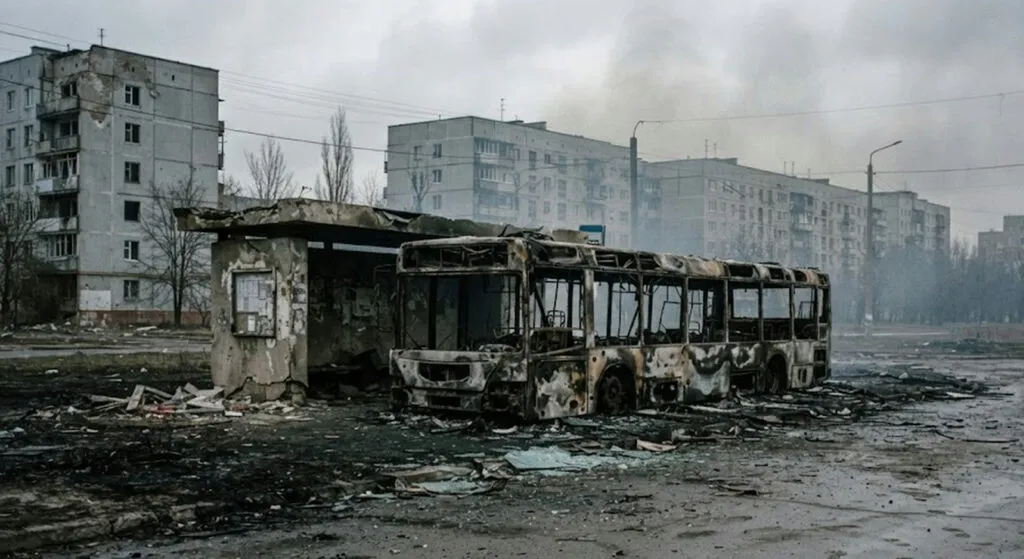
A guided bomb on the bus station, two buses in flames, 33 dead and 18 wounded. The governor of the...
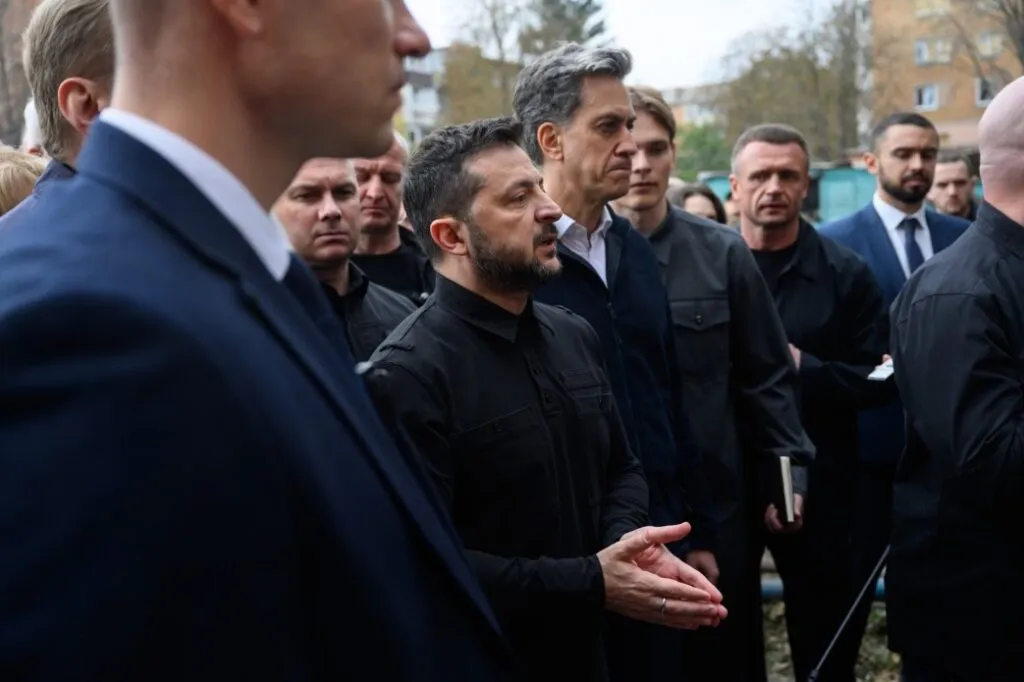
While Rubio talks of a "dangerous stalemate", Ukraine counts 78 dead in two days. Zelensky wants sanctions and Starlink, and...
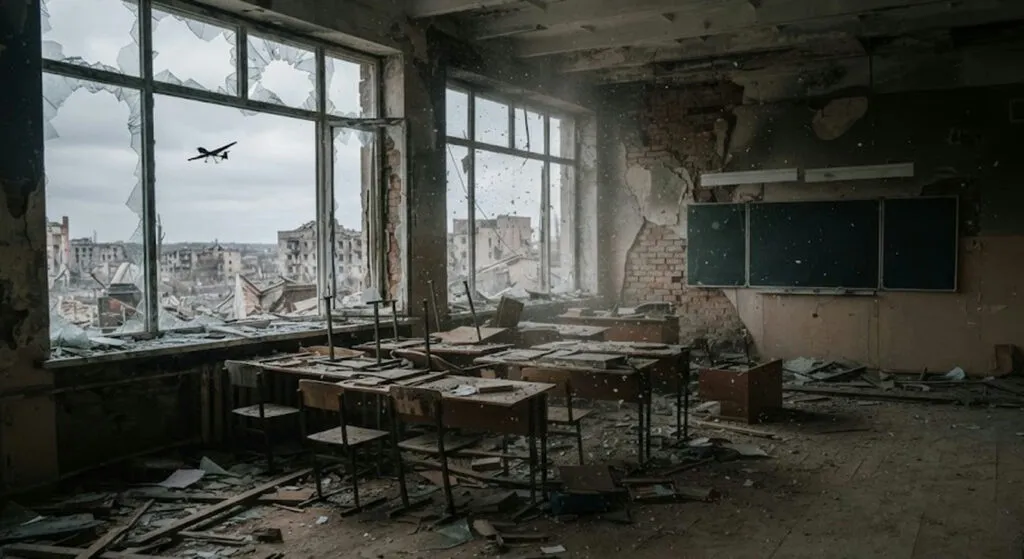
Russia's Defence Ministry lists schools, a court and a stadium, Ukraine's General Staff counts attacks, and ISW analysts see no...
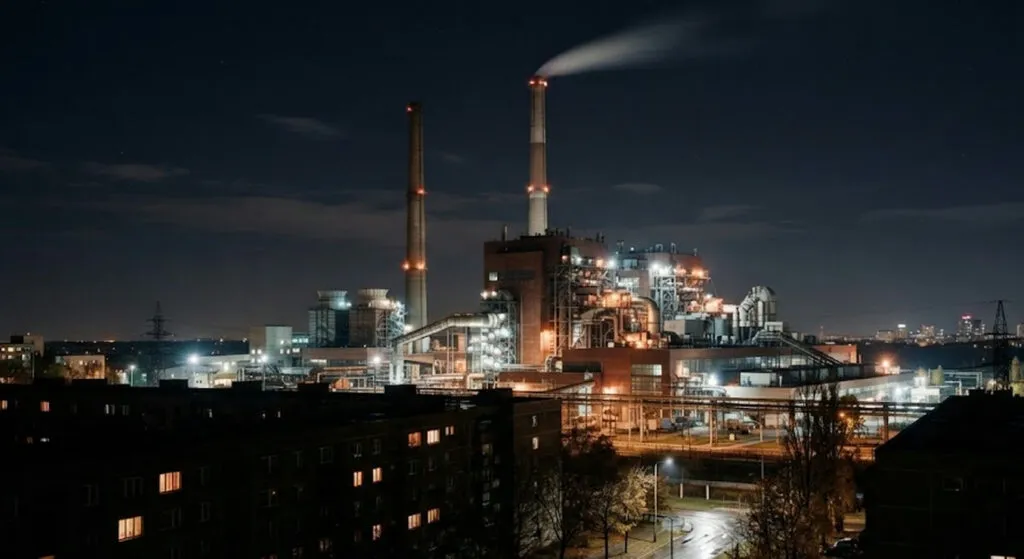
Kyiv confirms a fire but not a hit on the power plant. Strikes on electricity and heating before winter -...
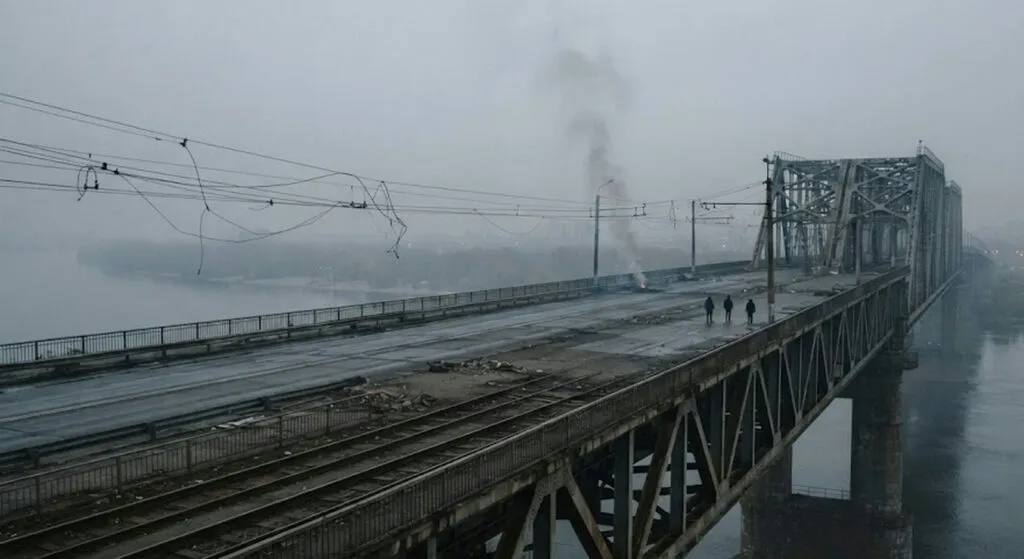
Two key bridges over the Dnipro hit in three days, a full metro train saved at the last second. Moscow...
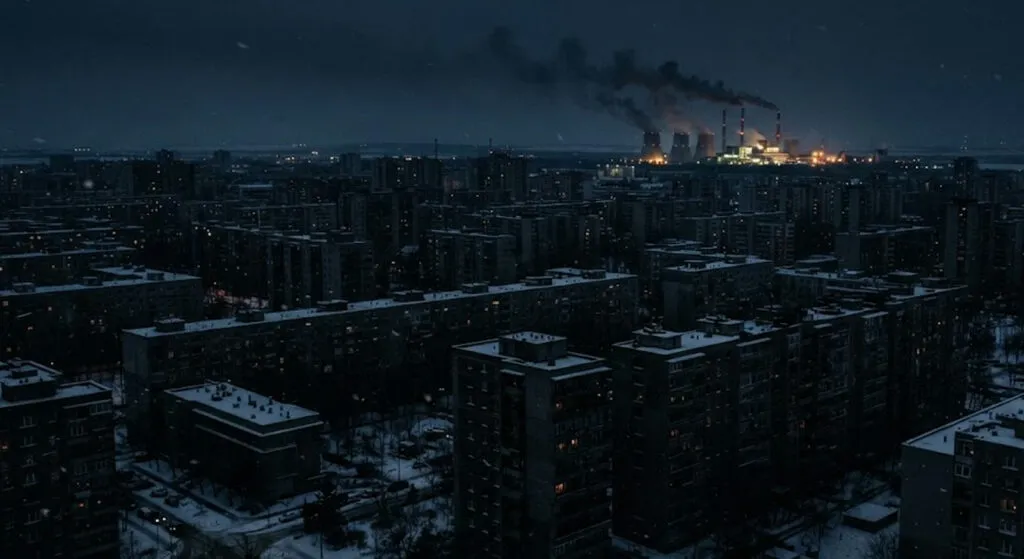
An intercepted document from August describes three phases of strikes: first the links to Europe, then the hydropower plants, finally...
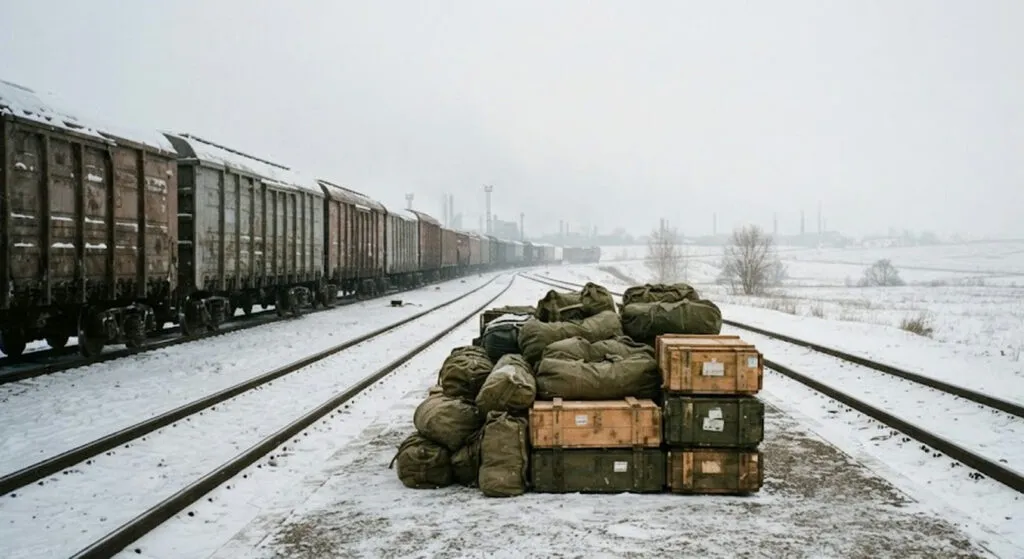
While Kyiv and Seoul argue over two prisoners, Pyongyang is picking thousands more soldiers for training and deployment to Russia....
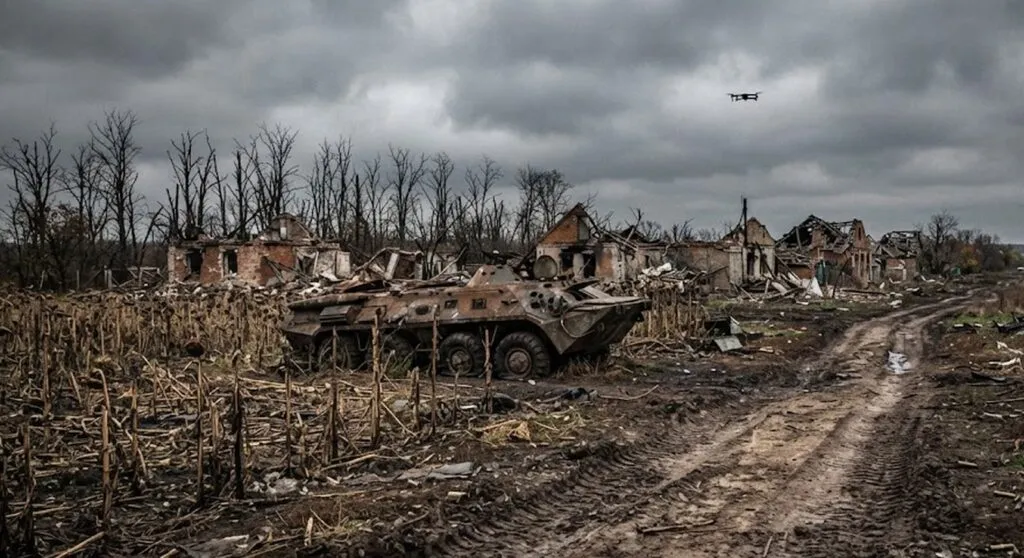
The offensive, fought almost entirely under an information blackout, has liberated three more villages and 51 square kilometres. The general...
More than half the drones were jet-powered, and the fastest thing in the sky was an unconfirmed report of a...
This site uses cookies - is that okay? Learn more
Be the first to know when Metla launches something new
Leave your email and we will write when there is a new guide or something new on Metla.


