
A week after the police brutality story, the Interior Ministry has its own version: the passenger took the officer's gun
15.10.2026


15.10.2026

15.10.2026
15.10.2026

15.10.2026

15.10.2026

15.10.2026

15.10.2026

14.10.2026

13.10.2026

15.10.2026

15.10.2026

14.10.2026

15.10.2026

15.10.2026

15.10.2026

15.10.2026

14.10.2026

13.10.2026

15.10.2026

15.10.2026

15.10.2026

15.10.2026

15.10.2026

15.10.2026

15.10.2026

14.10.2026

13.10.2026
13.10.2026

12.10.2026

10.10.2026

23.04.2026

23.04.2026

12.04.2026

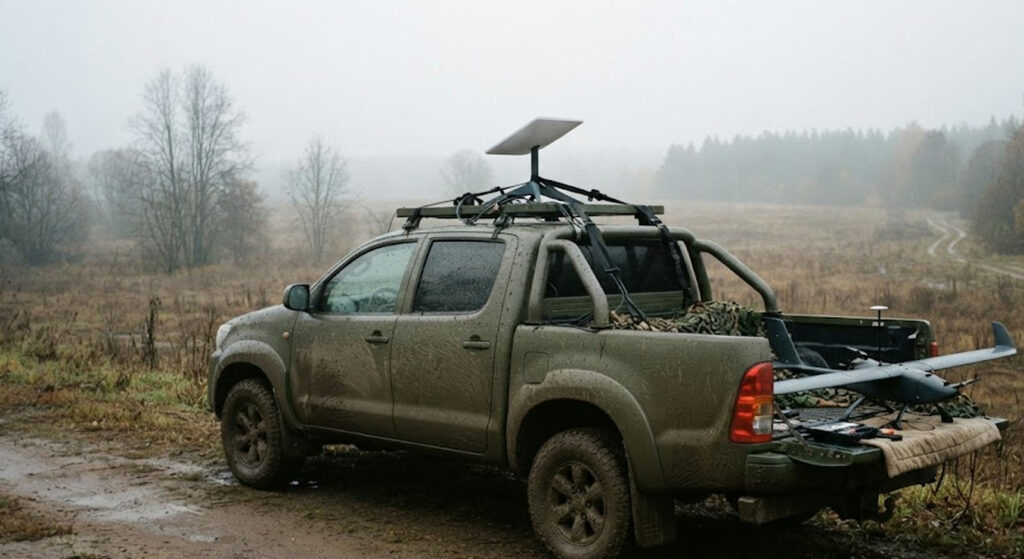
Overnight into Wednesday, without any prior notice, Elon Musk's SpaceX restricted the operation of Starshield - the military version of the Starlink satellite internet that the Ukrainian army relies on. Terminals on the move started losing their connection, and several missions failed. There was no explanation then, and there still isn't one now.
"This is comparable to a nuclear strike on us. All operations have stopped. It will cost many of us our lives," said a veteran Ukrainian officer who commands a medium-range drone strike unit in south-eastern Ukraine. His unit uses American Hornet drones to hit targets up to 150 kilometres away - and does all of it via Starlink.
The figures for the limit vary depending on who you ask, and that is part of the problem. The officer says terminal speed has been capped at 100 km/h. A Ukrainian Defence Ministry official talks of problems at speeds of 72 to 161 km/h, depending on the unit and the vehicle. The 7th Rapid Response Corps reported drop-outs of 10 to 20 seconds already at 110-120 km/h - enough for the drone to keep flying, but not to be controlled properly. Some missions had to be called off.
A coincidence with very good timing
The restriction came at a moment when US President Donald Trump is leaning hard on Ukraine to stop attacking Russian refineries. That follows his deal with Vladimir Putin to release diesel onto the world market - part of Trump's effort to bring down fuel prices ahead of next month's US midterm elections. "It is obvious that this measure cannot be a coincidence and that it is linked to the current political situation," wrote Serhiy Beskrestnov, an adviser to the Ukrainian president.
EU Defence Commissioner Andrius Kubilius put it in diplomatic language: "Political developments sometimes have an unusual impact. Elections are approaching." Then he added a sentence that sounds like an admission: "We are quite dependent on American space capabilities. The answer to a situation like this is developing our own capabilities." Nicely put - except that Ukraine is fighting a war today, not after Europe has built its own.
Polish Foreign Minister Radosław Sikorski addressed the owner directly: "Hey, Elon Musk, big man, playing politics through your products again? We, your European customers, are watching what you do." The two already have history. In March 2025 Sikorski said Poland pays around 50 million dollars a year for Starlink in Ukraine and would look for another supplier if SpaceX proved unreliable. Musk replied with "Be quiet, small man" - and promised he would never switch off the terminals in Ukraine.
The September "message"
A Ukrainian drone pilot reported serious connection drop-outs on September 11 and 12, and again on September 17 - shortly after US envoys Steve Witkoff and Jared Kushner wrapped up visits to Kyiv and Moscow. "After a few days Starlink started working normally again. But I believe it was a message," he says. His argument: Russian jamming systems would struggle to cause such uniform outages across several sections of the front at once.
Nobody has yet confirmed whether the outage was deliberate. Ukrainian activist Serhiy Sternenko openly claims SpaceX acted at the request of the Trump administration, but there is no independent confirmation of that. Former Ukrainian defence minister Mykhailo Fedorov, meanwhile, reported that the connection is gradually coming back at speeds of up to 160 km/h - and thanked Musk. So: gratitude to the company that pulled the handbrake.
That's the real story. A private company, whose owner European ministers openly accuse of playing politics, can decide with a single overnight restriction how far an entire army's drones will fly. The Balkans learned long ago that an ally and a supplier are not synonyms. The question for every small country is simple: who holds your off-switch - and what will they ask for next time?
The latest 10 news from this category
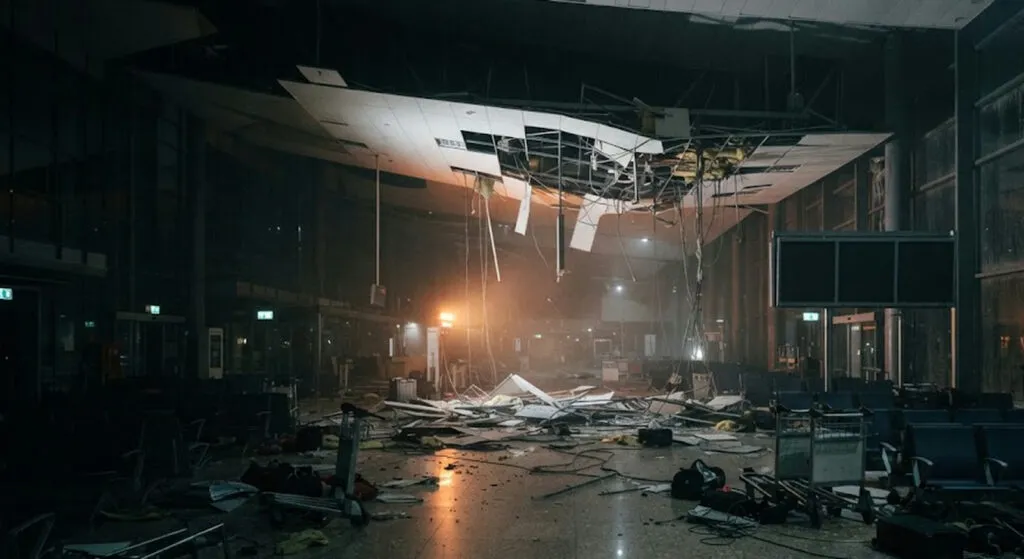
For the second night running Ukrainian drones are flying toward the Russian capital, and passengers from Hurghada and Istanbul are...
A trillion dollars of investment promised to America, and in return - military advisers. The crown prince who wanted to...
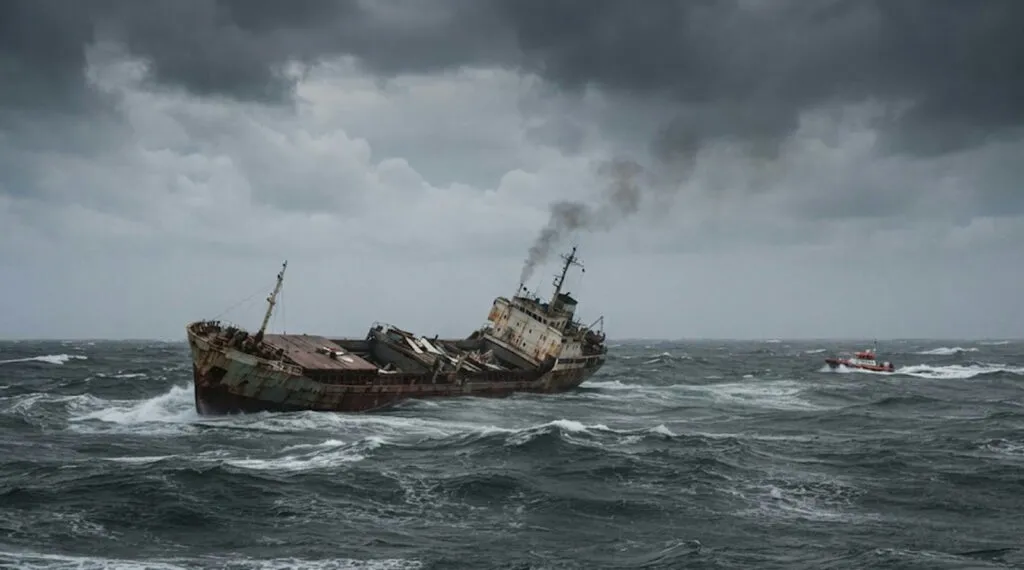
Two cargo ships hit, one on the seabed, sailors still missing - and all of it in the waters of...
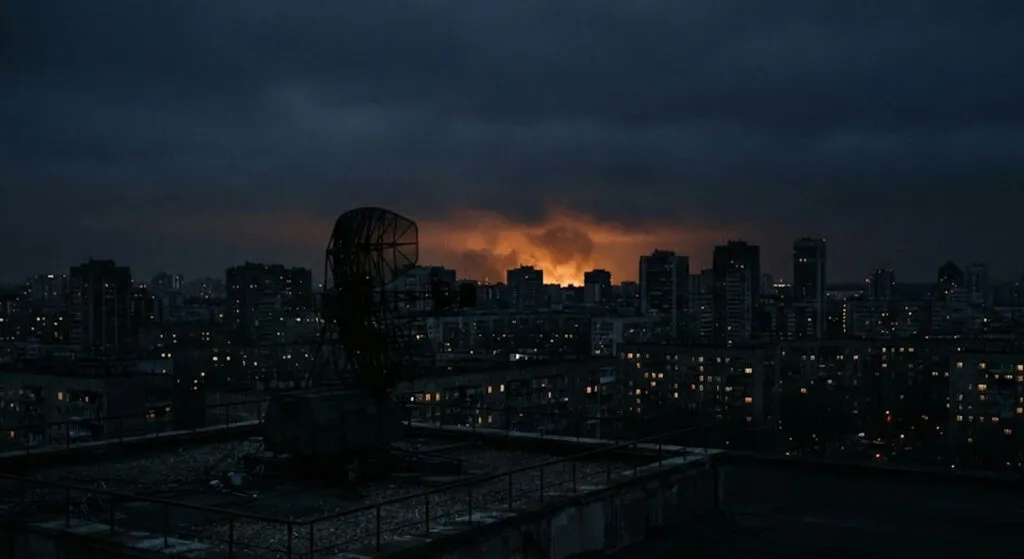
The Ukrainian military admits it knew nothing about the launch - radar only picked up the missiles over the city....
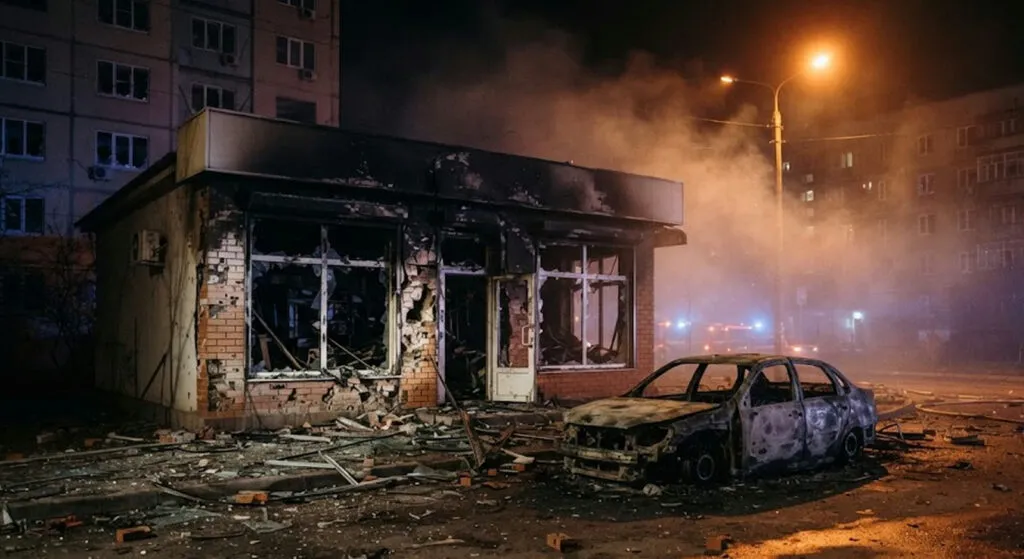
Hours after Trump announced an energy ceasefire, at least six people were killed in Kharkiv and Ivano-Frankivsk. Kyiv learned of...
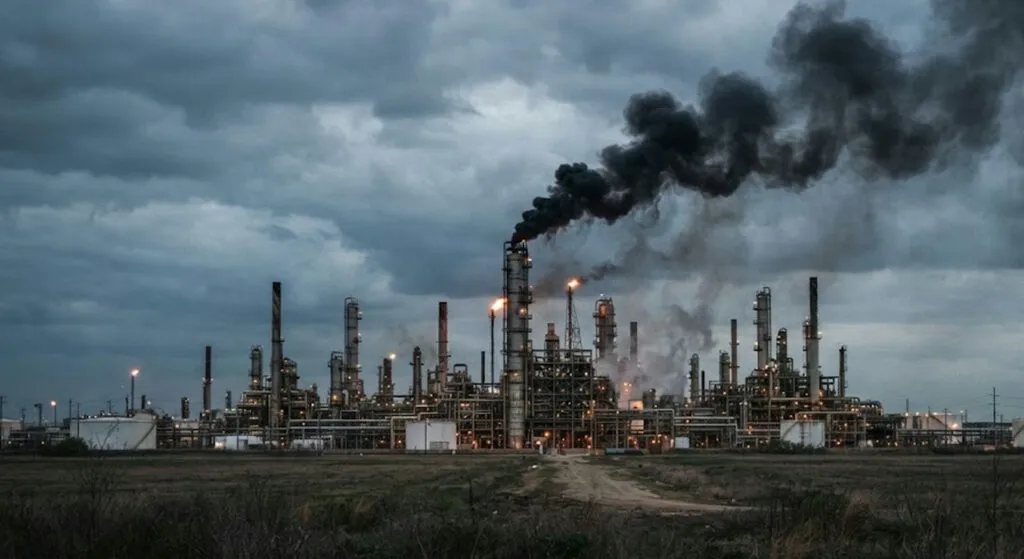
The Americans are calling Kyiv and several European capitals: if strikes on Russian refineries continue, the weapons and intelligence stop,...
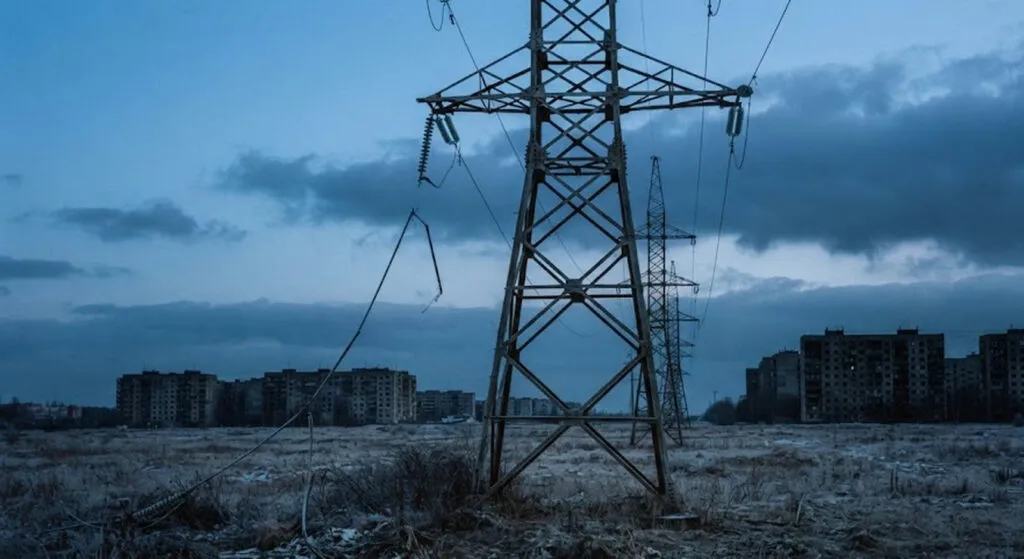
A ceasefire announced on social media, without a word from the Kremlin, while the pressure goes only towards Kyiv. The...
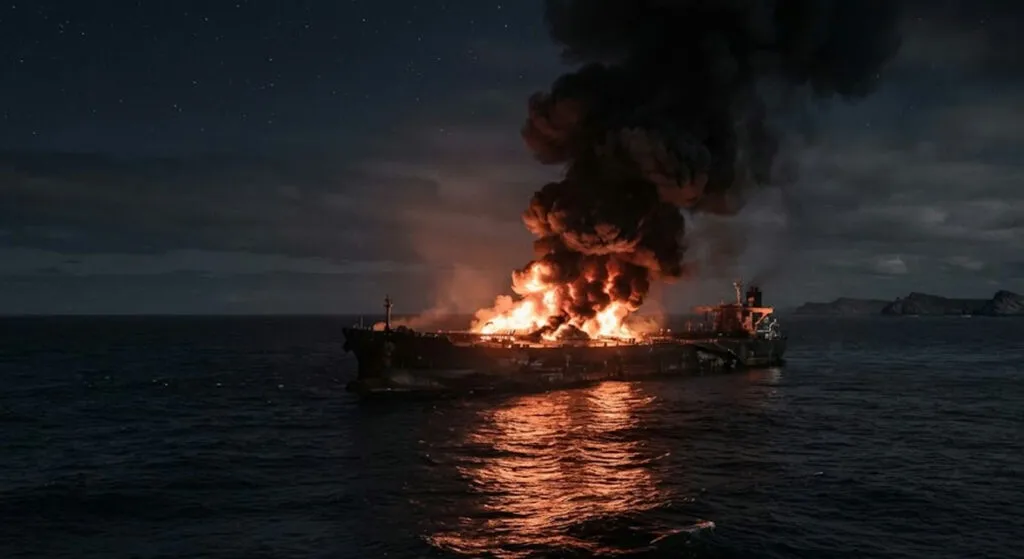
Iran claims the tanker only has itself to blame for sailing an "unauthorised route". Hormuz is no longer a sea...
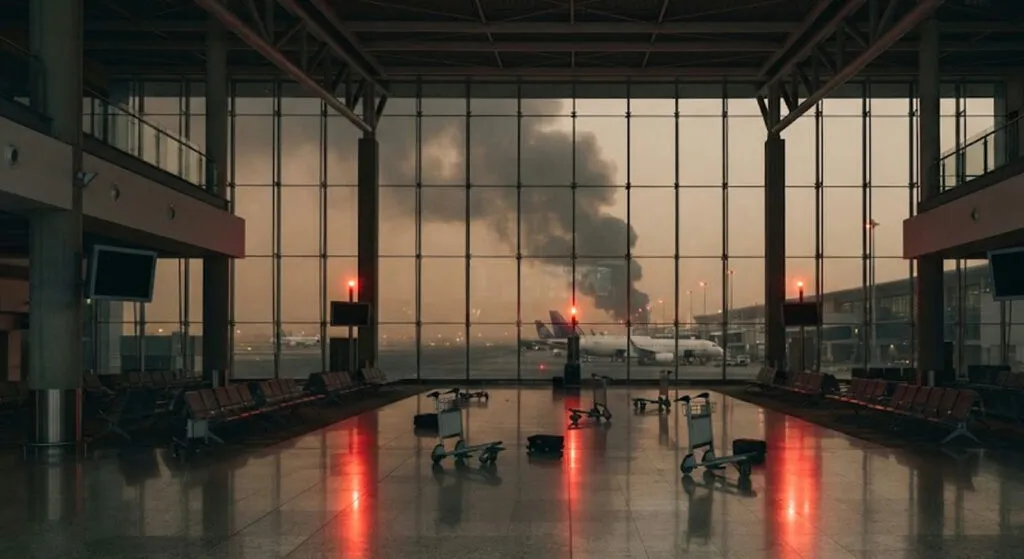
Almost 300 canceled flights and dozens injured in the Saudi capital. The war in Yemen stopped being local long ago,...
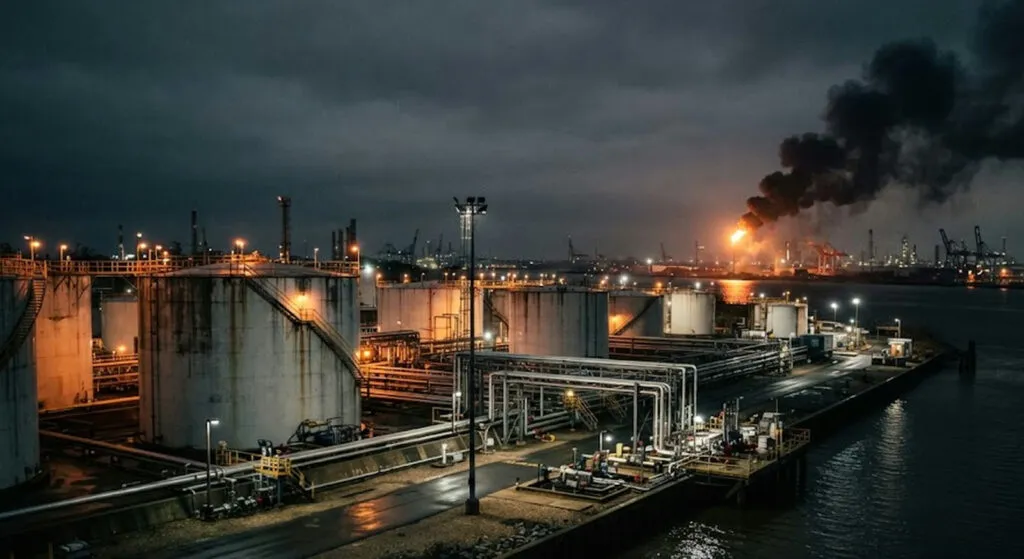
Washington eased sanctions on Russian diesel without Kyiv being informed, and Ukrainian drones answered the very night after the deal....
This site uses cookies - is that okay? Learn more
Be the first to know when Metla launches something new
Leave your email and we will write when there is a new guide or something new on Metla.


