

Kratovo man stabs police officer mid-intervention: prosecutors want the 40-year-old detained
15.09.2026


15.09.2026

15.09.2026
15.09.2026
15.09.2026
15.09.2026
15.09.2026

15.09.2026

14.09.2026
13.09.2026

15.09.2026

15.09.2026

14.09.2026

15.09.2026

15.09.2026

15.09.2026

15.09.2026

14.09.2026

13.09.2026
15.09.2026

15.09.2026
15.09.2026

15.09.2026

15.09.2026

14.09.2026

09.03.2026

27.02.2026

19.02.2026

15.09.2026

14.09.2026
14.09.2026

23.04.2026

23.04.2026

12.04.2026

Volodymyr Zelensky has warned that Russia could soon deploy up to 50,000 elite North Korean soldiers. If the figure is accurate, that is the largest combat force Pyongyang has ever sent beyond its own borders.
The tally so far looks like this: around 13,000 North Korean soldiers were sent to Russia's Kursk region towards the end of 2024. Of those, by current estimates, between 2,300 and 3,000 have been killed and 1,500 wounded. Ukrainian military intelligence says there are still around 8,500 North Korean soldiers in Russia, deployed across four brigades, currently not taking part in fighting on Ukrainian territory.
The price of one soldier
Analysts estimate North Korea has earned nearly 10 billion dollars from selling weapons and sending soldiers to Russia over two and a half years. That is around a third of the country's annual gross domestic product. Kim Jong Un has found an export product that requires neither a factory nor technology - just people who are not allowed to refuse.
Only two North Korean soldiers have been captured alive by Ukrainian forces. Both refuse to go home, because they fear their families will be punished. One of them said: "For us, being taken prisoner is a crime. It simply is not an option."
Read that sentence again. He is not afraid of the enemy - he is afraid of his own state.
What Pyongyang gets besides the money
The calculation is not only financial. Sending soldiers gives Kim geopolitical independence from Beijing and positions him as an equal interlocutor with Putin and Xi Jinping. Russia, for its part, is losing around 6,000 people a month - more than it manages to recruit. Foreign soldiers are not a luxury but a necessity.
The Balkans know this scene by heart: when a war cannot be won with your own people, you import somebody else's. What is new here is that the second sender charges in hard currency rather than asking for territory.
The latest 10 news from this category
A NATO fighter jet downed an unmanned aircraft over Lithuania minutes after midnight, and citizens got the warning on their...
The train was empty, the locomotive damaged, nobody hurt. But Boris Johnson and a group of European security advisers had...
453 drones in one night, 405 shot down - and the forty-eight that got through land somewhere. Poland's prime minister...

Trump's son-in-law told an audience in Kyiv the deal is done - if Ukraine withdraws. And added that the battlefield...
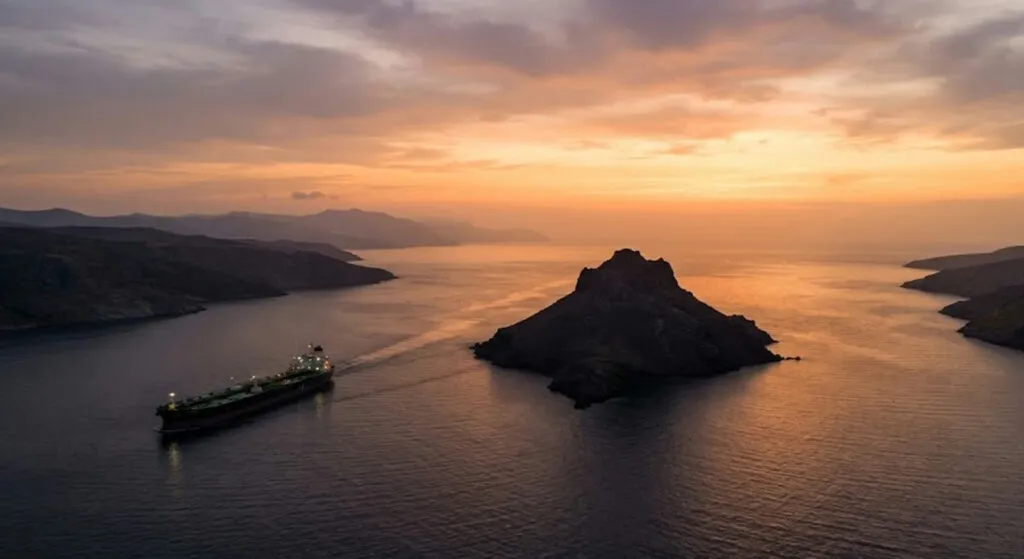
A barren volcanic rock in the middle of a strait 28 kilometres wide changed the oil market in a single...
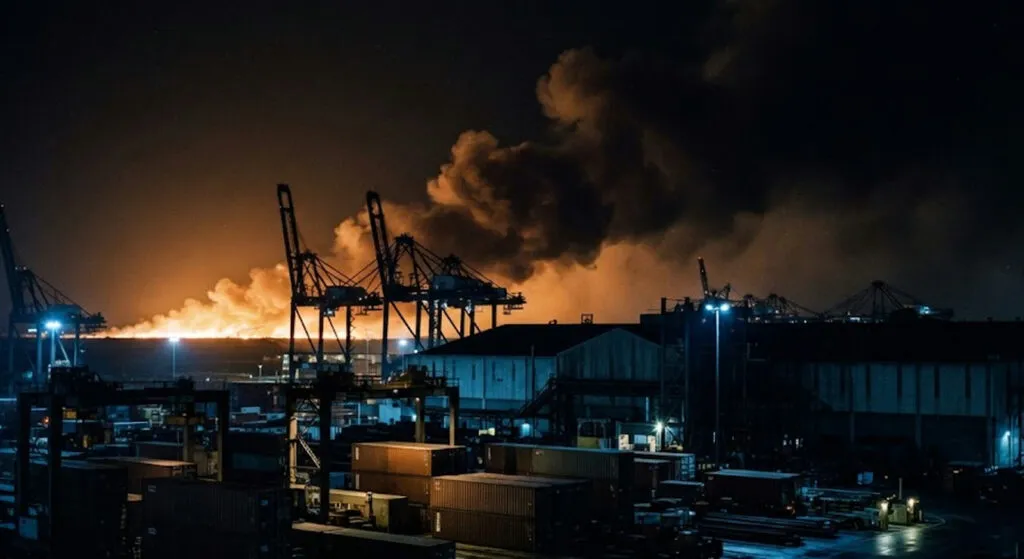
Hostomel, Odesa, Kryvyi Rih - targets that are not the front line but the supply chain. A war against the...

We don't want war with Europe, but here is exactly how that war would start. He said both sentences in...

When an army recalls its special forces with a 12-hour deadline, that is not a rota but a signal. The...

Port infrastructure in Makhachkala and the theatre building caught fire, the governor said. Moscow claims it shot down 448 drones...
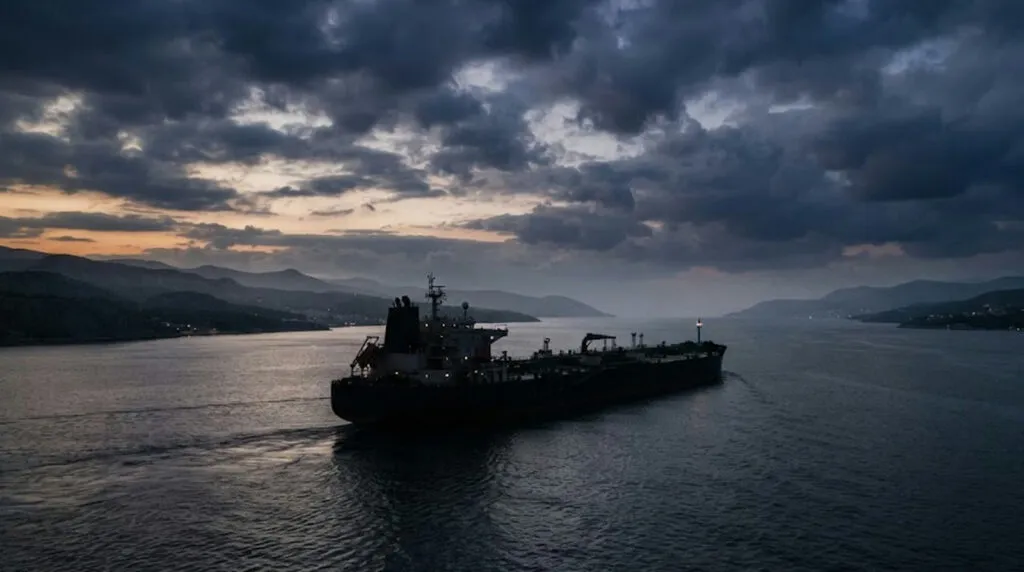
Tehran says it hit around ten ships, Washington says it destroyed five Iranian tankers and that its own vessel is...
This site uses cookies - is that okay? Learn more
Be the first to know when Metla launches something new
Leave your email and we will write when there is a new guide or something new on Metla.
