

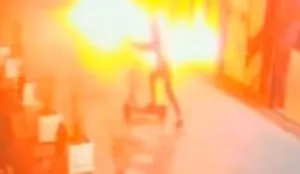
They Rode In on Scooters, Torched the Shops and Left: The Fire in Shuto Orizari Burned for Three Hours, Setting It Took Fifty Seconds
13.09.2026


13.09.2026

13.09.2026
13.09.2026
13.09.2026
13.09.2026
13.09.2026
13.09.2026

12.09.2026

11.09.2026
13.09.2026
13.09.2026

12.09.2026
13.09.2026

13.09.2026

13.09.2026

13.09.2026

12.09.2026

11.09.2026

13.09.2026

13.09.2026

13.09.2026
13.09.2026

13.09.2026

12.09.2026

09.03.2026

27.02.2026

19.02.2026
13.09.2026

12.09.2026

11.09.2026

23.04.2026

23.04.2026

12.04.2026

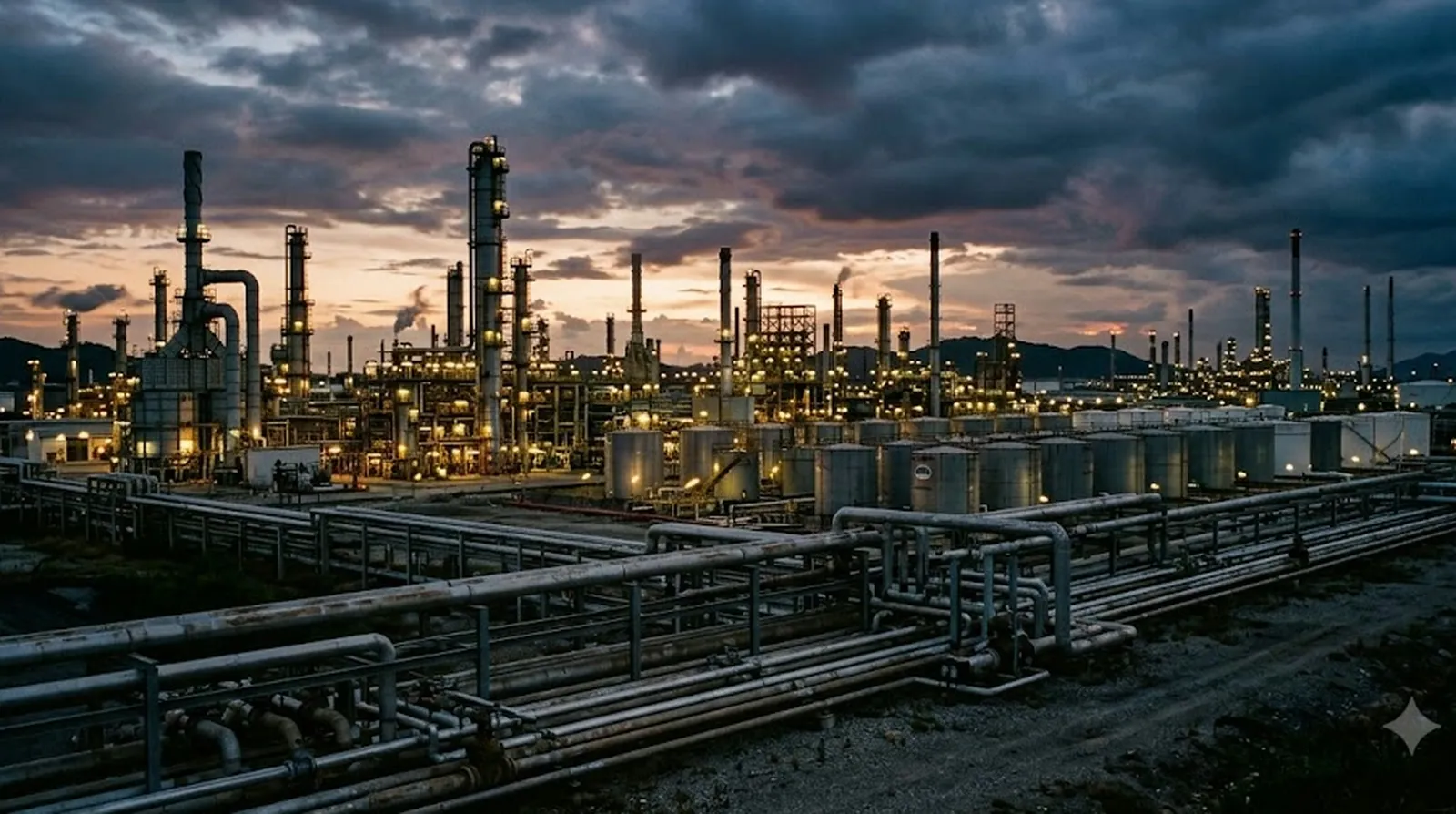
When the war with Iran broke out and access to more than 11 million barrels of crude oil a day was thrown into question, analysts predicted a price of 200 dollars a barrel by year's end. It didn't happen. And the main reason, experts say, is one country we rarely mention when we talk about the price of fuel at our pumps - China.
As the world's second-largest oil consumer, China made a series of moves - it cut imports, leaned on the vast reserves it had stockpiled over years, and ramped up its use of clean energy. The result: the shock of higher prices was simply absorbed. "China played a key role in cushioning the blow for the rest of Asia, and with it for the global economy," says Dan Walter of the Ember energy institute. Another analyst put it more simply: "China set a ceiling on the price."
The numbers speak for themselves. Brent fell below 78 dollars a barrel on Monday - compared with 114 dollars in early May, at the peak of the crisis. And China's electric-vehicle boom last year cut oil consumption by around a million barrels a day. The International Energy Agency now warns that the reopening of the Strait of Hormuz could bring a supply glut next year - up to 4.7 million barrels a day more than is demanded.
And where are we in all this? At the end of the chain, as usual. When China decides to stockpile reserves, the Balkan driver at the pump doesn't even know it - but that distant decision is the difference between a reasonable and an unbearable price to fill the tank. Our world is cut out for us by players we didn't choose, on markets we don't control. At least this time that invisible hand didn't hit us in the pocket - but how long will we depend on someone else's strategy just to make our own life bearable?
The latest 10 news from this category
The deficit target raised from 3.5 to 4.1 percent of GDP, spending growing faster than revenue, and the growth forecast...
On euro loans with a variable rate, the rise comes due at the next reset. On fixed ones, it does...
The agreed price for first class is 40 denars. At the collection points they pay 15 to 18. Across the...

A Skopje company owes 14.87 million euros and there is nothing to recover it from. In one month the total...
223,711 tourists and 795,083 overnight stays in July. Turkey still leads with 50,955 guests, but its number fell by 7.6...
When the two biggest firms in an industry ask for rules on how fast anyone may run, the rules rarely...
Not a single password fell. What fell was the assumption that a request from a government domain is automatically a...
The board voted, the founder kicked the administrators out of Slack and held out for three days. What does a...
An announcement is not an adopted tariff. A lower bill is good news only if its cost has not been...
The Balkans have a long tradition of producing something valuable and selling it under someone else's name. The difference between...
This site uses cookies - is that okay? Learn more
Be the first to know when Metla launches something new
Leave your email and we will write when there is a new guide or something new on Metla.
