A New Criminal Complaint Against Jakimovski: A Building Permit Based on a Plan Struck Down Back in 2018
16.09.2026


16.09.2026
16.09.2026

16.09.2026
16.09.2026
16.09.2026
16.09.2026

16.09.2026

15.09.2026

14.09.2026

16.09.2026

16.09.2026

15.09.2026

16.09.2026

15.09.2026

14.09.2026

16.09.2026

16.09.2026

16.09.2026

16.09.2026

15.09.2026
15.09.2026

09.03.2026

27.02.2026

19.02.2026

16.09.2026

15.09.2026

14.09.2026

23.04.2026

23.04.2026

12.04.2026

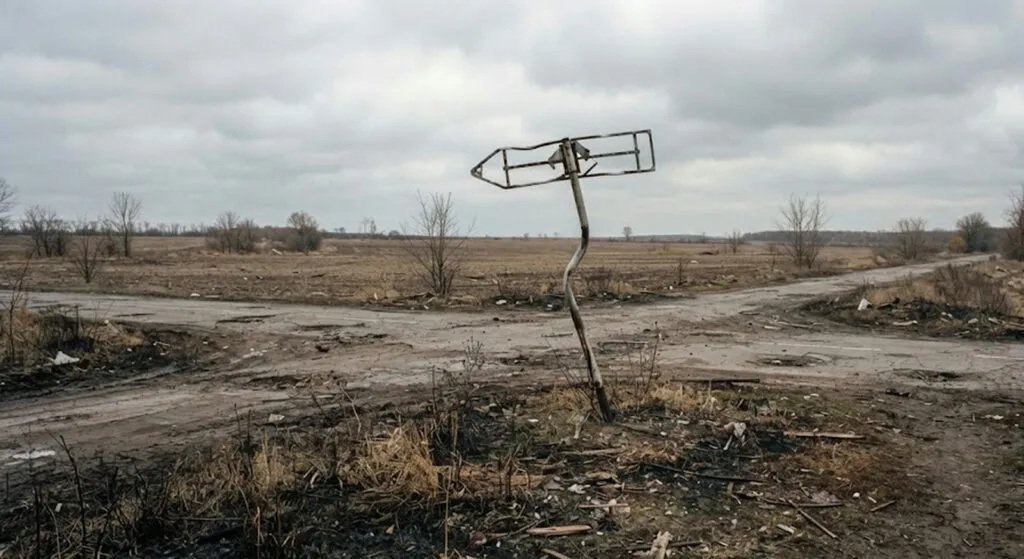
Russian military sources have announced that their assault units took control of Olhovatka in the Kharkiv region, after the village had been fully encircled, its supply lines cut and Ukrainian units in that area blocked. Before the final entry, they seized the surrounding positions and closed the roads bringing in personnel, ammunition and logistics.
That is one side's version. It is worth saying so loudly at the outset, because the entire Olhovatka story so far comes almost exclusively from Russian military channels and the defence ministry in Moscow. There is no Ukrainian confirmation. Read it accordingly.
What exactly they are claiming
According to those sources, the operation did not begin yesterday. As early as 10 September the Russian defence ministry announced that two Ukrainian battalions totalling up to 180 soldiers were blocked in the area around the village. The key moment, they claim, was the capture of Zarubinka - with that village falling, the ring around Olhovatka closed, and remnants of the 129th and 157th Ukrainian brigades were left practically cut off from the main supply routes.
Before Olhovatka, Berezniki, Ozerno, Dolgenko, Zarubinka, Chernyakov, Shyroke and Shevchenkove were taken in this area. The blocked units were offered surrender, after which the clearing of the settlement itself began.
Why a single village is news at all
Olhovatka's significance is not in its size. It is the administrative centre of a community in the north-eastern part of the Kharkiv region, on ground that leans directly against the Russian border. Roads run through it linking the border belt with Velykyi Burluk and the deeper parts of the region. Russian sources described the village as far back as the summer as one of the larger logistics centres of the Ukrainian army on that stretch of the front.
That is why the fighting lasted for weeks. Mid-August - entry onto the northern approaches. Then fighting west of Ustynivka and along the axis towards Velykyi Burluk. Only after the surrounding villages were taken and the ring closed, they claim, were the conditions created for the final assault.
And now the important detail the headlines skip
The fall of Olhovatka does not mean Russian units are standing before Kharkiv itself. The village is more than 100 kilometres from the city by road. What actually changes is something else: the border belt widens, and forces previously committed to closing that pocket are freed up.
That is the difference between "the village fell" and "Kharkiv fell" - a hundred-kilometre difference that disappears completely in a single headline. Anyone who has followed the news from this front over the past three years recognises the pattern: every settlement is announced as a turning point, while the front moves by kilometres a year.
The problem for the Ukrainian command is not one village. The problem is the cumulative effect - losing several settlements in a short period, on a stretch where the Russian side is trying to widen the so-called security zone along the border, while simultaneously opening axes towards Velykyi Burluk and the other hubs supplying the units in the north-east.
A war in which every kilometre is announced as a historic reversal has been running long enough for everyone to have learned to count the kilometres themselves.
The latest 10 news from this category
Ukraine was shooting down nine out of ten of the old drones. Then Russia changed the drone - and in...
It was shot down a few minutes after midnight, and all of Vilnius got a warning on their phones. Two...
Between 2,300 and 3,000 North Korean soldiers have died in Kursk so far. Kim Jong Un has found an export...
A NATO fighter jet downed an unmanned aircraft over Lithuania minutes after midnight, and citizens got the warning on their...
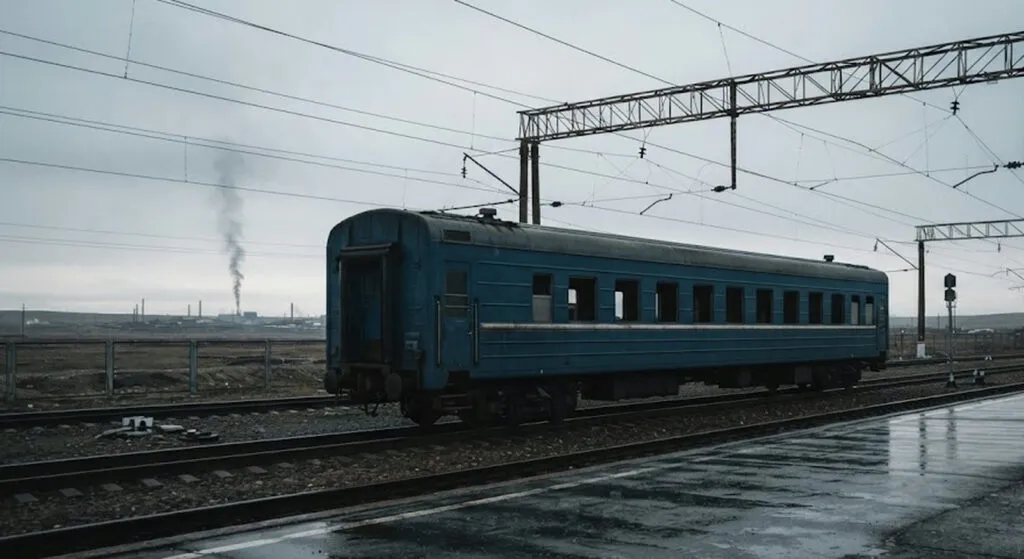
The train was empty, the locomotive damaged, nobody hurt. But Boris Johnson and a group of European security advisers had...
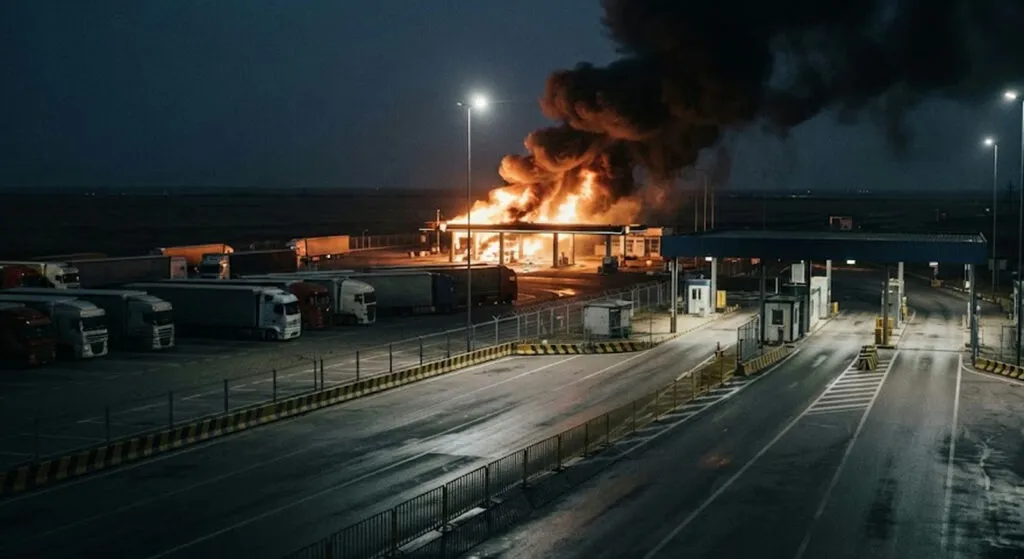
453 drones in one night, 405 shot down - and the forty-eight that got through land somewhere. Poland's prime minister...

Trump's son-in-law told an audience in Kyiv the deal is done - if Ukraine withdraws. And added that the battlefield...
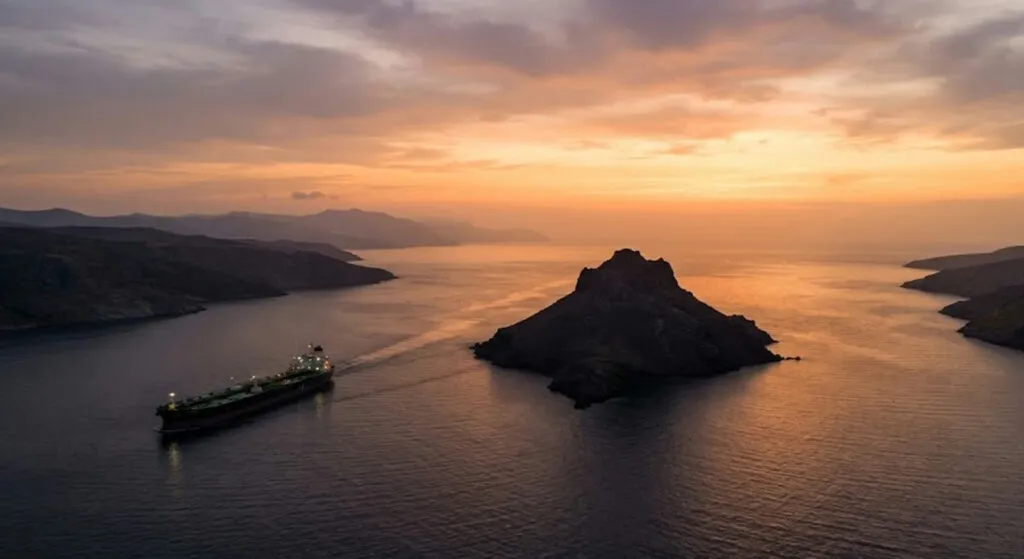
A barren volcanic rock in the middle of a strait 28 kilometres wide changed the oil market in a single...
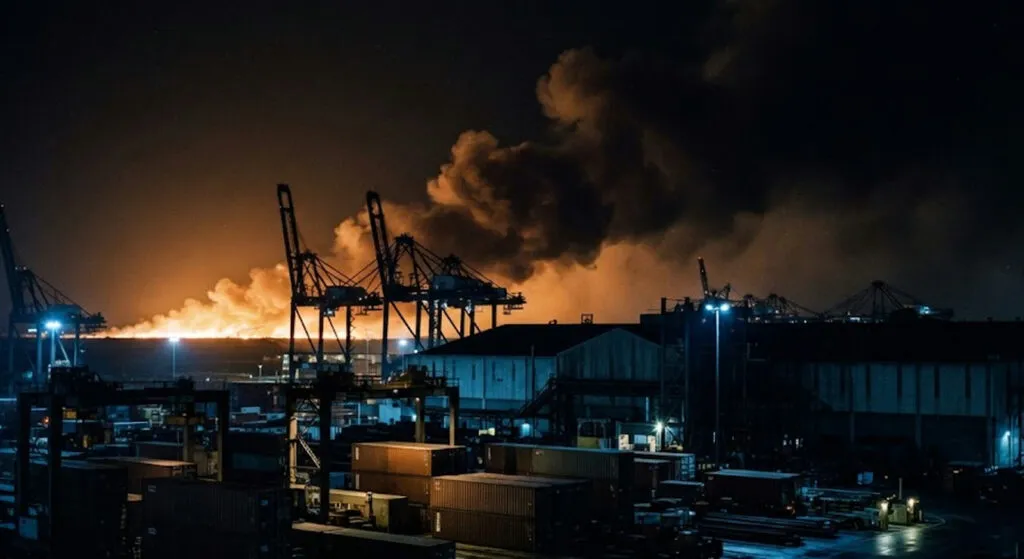
Hostomel, Odesa, Kryvyi Rih - targets that are not the front line but the supply chain. A war against the...

We don't want war with Europe, but here is exactly how that war would start. He said both sentences in...
This site uses cookies - is that okay? Learn more
Be the first to know when Metla launches something new
Leave your email and we will write when there is a new guide or something new on Metla.