
The "Lottery" Trial: 231 Pieces of Evidence, and So Far Not a Single Message Between Grubi and Bajrami
24.09.2026


24.09.2026

24.09.2026
24.09.2026

24.09.2026
24.09.2026
24.09.2026

24.09.2026

23.09.2026

22.09.2026

24.09.2026

24.09.2026

23.09.2026

24.09.2026

24.09.2026

24.09.2026

24.09.2026

23.09.2026

22.09.2026

24.09.2026

24.09.2026

24.09.2026

24.09.2026

23.09.2026

23.09.2026

09.03.2026

27.02.2026

19.02.2026

24.09.2026

23.09.2026

22.09.2026

23.04.2026

23.04.2026

12.04.2026

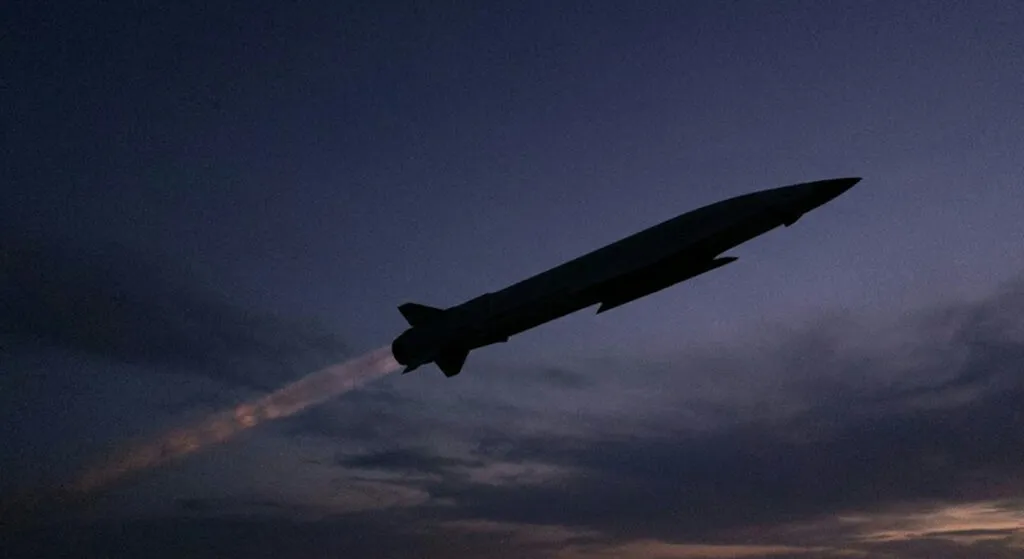
While the White House declares that the Iranian war is over, the Pentagon is presenting Trump options for a new strike. Admiral Brad Cooper, head of US Central Command, briefed the president on possible scenarios for „short, sharp wave attacks with hypersonic weapons" - tools America has not yet used in any real war. A ceasefire for the cameras, preparation for the next phase behind closed doors.
The main option being discussed is „Dark Eagle"<\/strong> - a ground-launched hypersonic missile with a range of about 2,700 kilometres. The target would be the remainder of Iran's ballistic launchers and strategic military installations - precisely what was not destroyed in the first wave of strikes in February. In other words: the parts of the Iranian armed forces that regrouped after the first strikes are now on the agenda.
The second option is the B-1B Lancer<\/strong> - bombers that have been rotating with increasing frequency over the region in recent weeks. It is no secret that their presence is a signal, not just logistics. The B-1B can carry a significant weapons load - including hypersonic weapons - and their deployment always precedes escalation.
Hypersonic missiles, like „Dark Eagle", travel at five times the speed of sound. They are not standard cruise missiles. They are not ballistic. They do not follow a predictable trajectory, and missile-defence systems detect them only when it is too late. For Iran, this is not war. It is a surprise operation. And that is the distinction Tehran probably understood long ago.
And all of this is happening on the same day the administration declared the war „is over". The paradox is not accidental - it is a technique for managing the public. When the next strike comes, the White House will call it a „response" or „defence", not „war". The terminology is prepared in advance. The Balkans has seen this hundreds of times - when something has to be done without public consent, the words are changed first.
For everyone who thinks Hormuz is far away - it is not. The price of oil has already jumped this week. Airlines are rerouting. Shipping is more expensive, which means the distribution of basic goods across the Balkans will be more expensive. The war isn't here, but the bill is arriving. And as one American soldier said in the sixties about Vietnam - „distant wars never stay distant". Not then, and not now.
The latest 10 news from this category
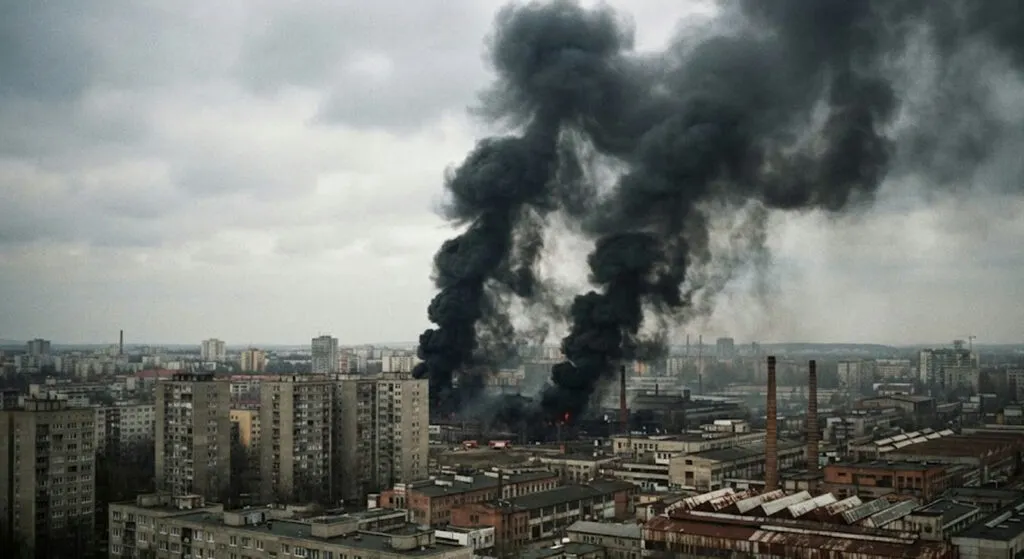
One dead, eight injured, two major providers offline and the city railway halted. The Balkans knows what a city preparing...
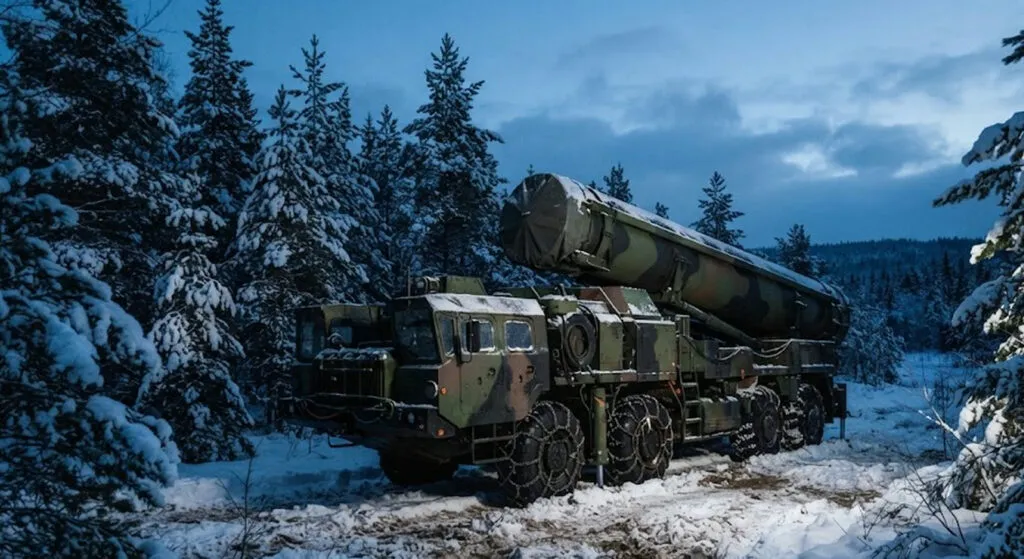
99 MPs voted in favour, and a threat arrived from Moscow right away. Is a small country on the line...
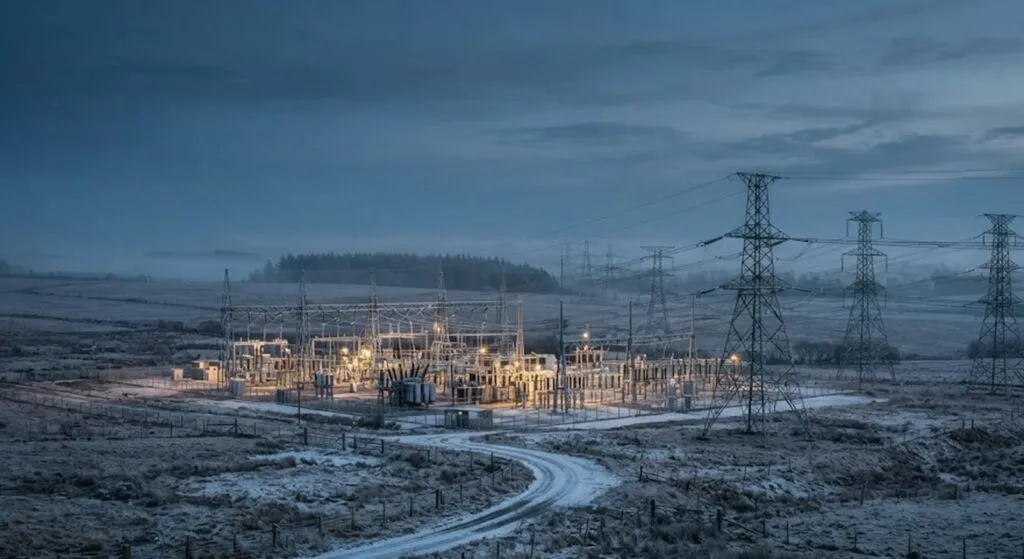
The offer is deliberately narrow - energy only, with a deadline before winter. When a power line goes down in...

On the night Russia was closing its parliamentary elections, Ukrainian drones reached the refinery at Kapotnya and residential blocks in...
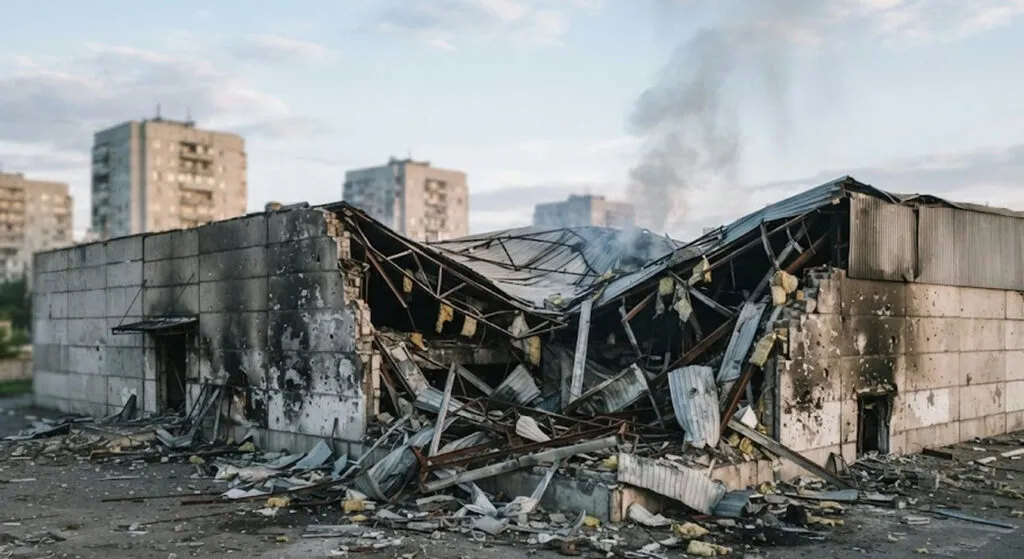
Every sentence about last night's offensive has the same author - the Russian Ministry of Defence. There is smoke over...
The Telegram statement reads like a trailer: drones that blind drones, robots dropped from the air behind enemy lines, and...
Black smoke over the main airport, sirens in the middle of the night and a state that will not say...
Western agencies say no decision has been taken - only preparations that would let it all happen overnight. In the...
A Russian commander promised to cut the Kharkiv encirclement "like a pie". Every number comes from the camp running the...
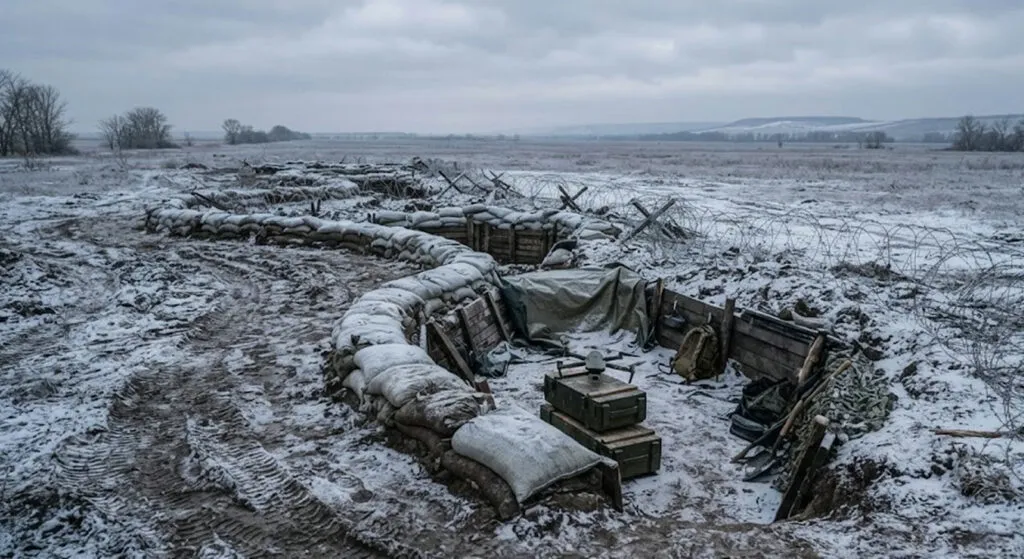
Around 8,500 North Korean soldiers are still in Russia, among them 1,000 engineers and 400 drone operators. Estimates point to...
This site uses cookies - is that okay? Learn more
Be the first to know when Metla launches something new
Leave your email and we will write when there is a new guide or something new on Metla.