
Studeničani: 35-year-old dies after being electrocuted while washing his car with a pressure washer
18.09.2026


18.09.2026
18.09.2026

18.09.2026

18.09.2026

18.09.2026
18.09.2026

18.09.2026

17.09.2026

16.09.2026

18.09.2026

18.09.2026

17.09.2026

18.09.2026

18.09.2026

18.09.2026

18.09.2026

17.09.2026

16.09.2026

18.09.2026

18.09.2026

18.09.2026

19.09.2026
18.09.2026

17.09.2026

09.03.2026

27.02.2026

19.02.2026

18.09.2026

17.09.2026

16.09.2026

23.04.2026

23.04.2026

12.04.2026

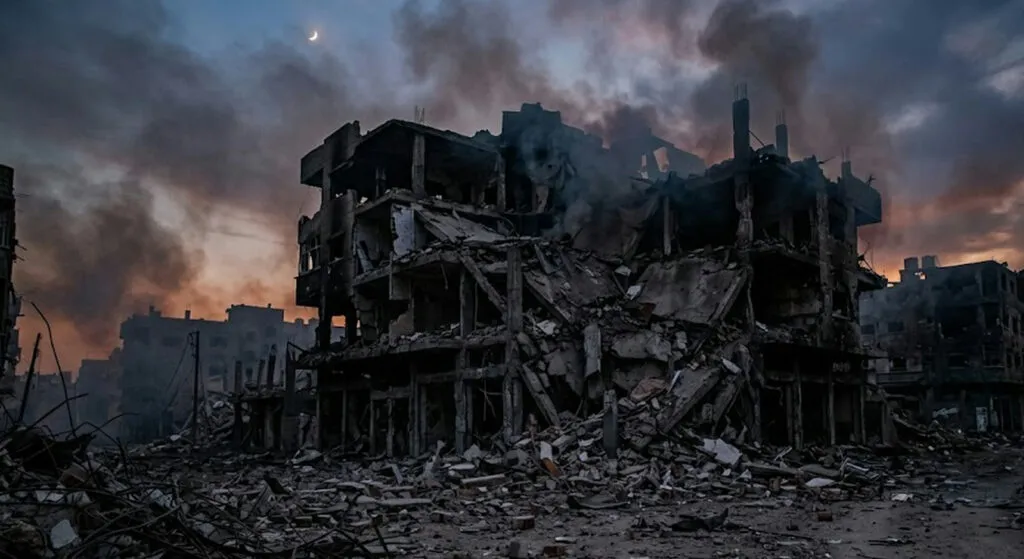
The ceasefire between Israel and Hezbollah is a technical truth - on paper. On the ground, the conflict quietly continues every day. On Friday, 12 people were killed and 25 wounded in Israeli strikes on south Lebanon. Among the victims, a child. This isn't an „incident" - this is the reality of a conflict that is officially „over".
The same day, Hezbollah launched several drones at Israeli soldiers in south Lebanon, plus a rocket that was intercepted. Four Israeli soldiers were lightly wounded. This exchange is not the first since the Iranian war reactivated regional tensions - it is a daily occurrence. The ceasefire from mid-April only exists in press releases.
In context, one thing matters: the Lebanese army and the government in Beirut are not active parties in the conflict. They watch their own territory being bombed, rocketed, and responded to. Hezbollah operates as a paramilitary structure tied to Iran, but Lebanon as a state is not formally involved. That means one thing: if the escalation continues, the Lebanese government will be placed before the hardest question - to disarm its paramilitaries, or to accept that the country is divided between the state and the militia.
For Balkan readers, Lebanon is the distilled image of what happens when a state has no control over its own armed groups. The Balkans has that scene in its own history - from the 90s and from later. When paramilitary groups are financed by foreign powers, they do not answer to their own government. They answer to the cash box that pays them.
The ceasefire was mediated by Trump through negotiations with Israeli Prime Minister Benjamin Netanyahu and Lebanese President Joseph Aoun. Now Washington is pushing for direct talks between Israel and Lebanon at the highest level - but even in those talks, Hezbollah and Iran are not at the table. Negotiations without all the relevant players - and we in the Balkans know all of them - are a written-off document before they begin.
The latest 10 news from this category
The bill passed with 262 votes, and the key to it has been handed to a man who has already...
Ukraine adapts in weeks, the Alliance in decades. Europe is paying for Patriot systems from 1991 and is only now...
Missiles and drones on the Ukrainian capital, damaged water mains and residential buildings. The same night, Ukrainian drones set the...

Trump hopes the war is ending and is preparing to gather the Gulf leaders. Oil prices have jumped, and the...
Ukraine says when, where and which unit did it. Russia's defence ministry has not a single sentence about the circumstances....
Norway's prime minister talks about a plane a drone "almost hit". Moldova, the only party holding the figures, reported that...
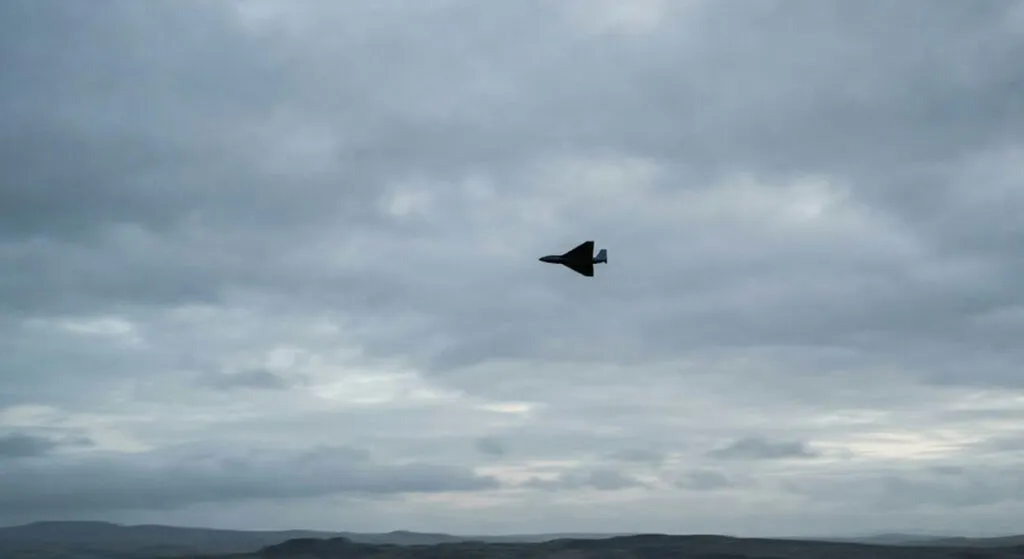
Ukraine was shooting down nine out of ten of the old drones. Then Russia changed the drone - and in...
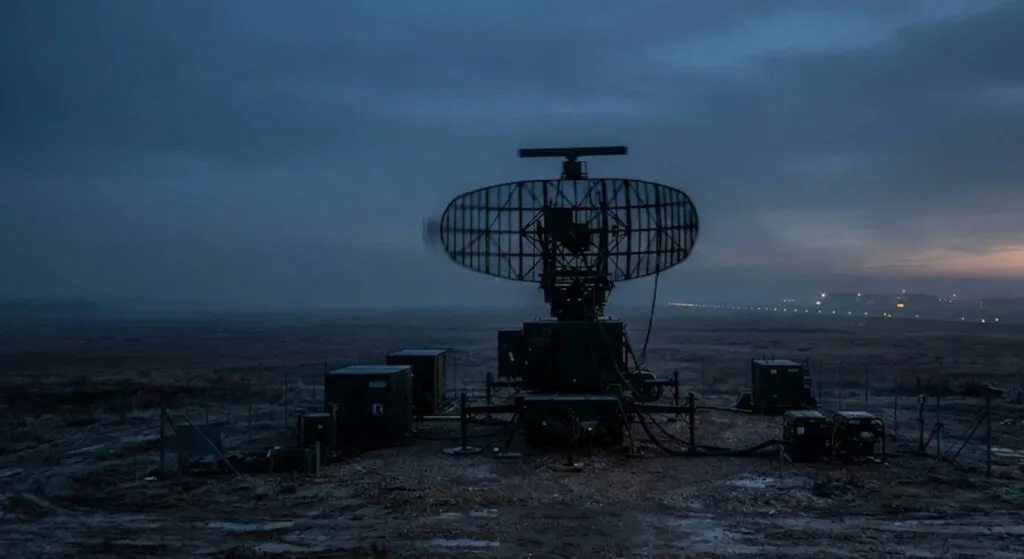
It was shot down a few minutes after midnight, and all of Vilnius got a warning on their phones. Two...
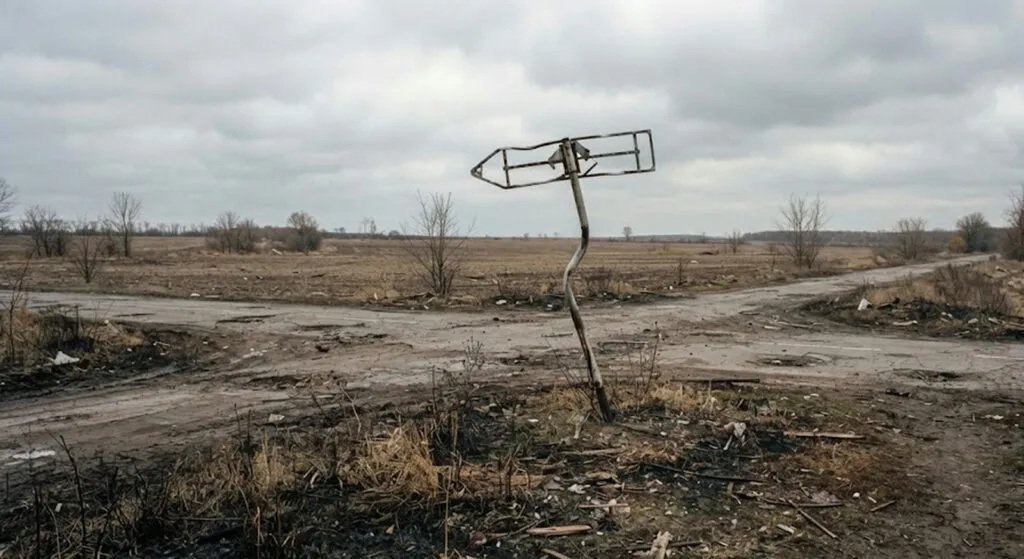
The entire story comes from one side, and the headlines turn it into a turning point. The difference between the...
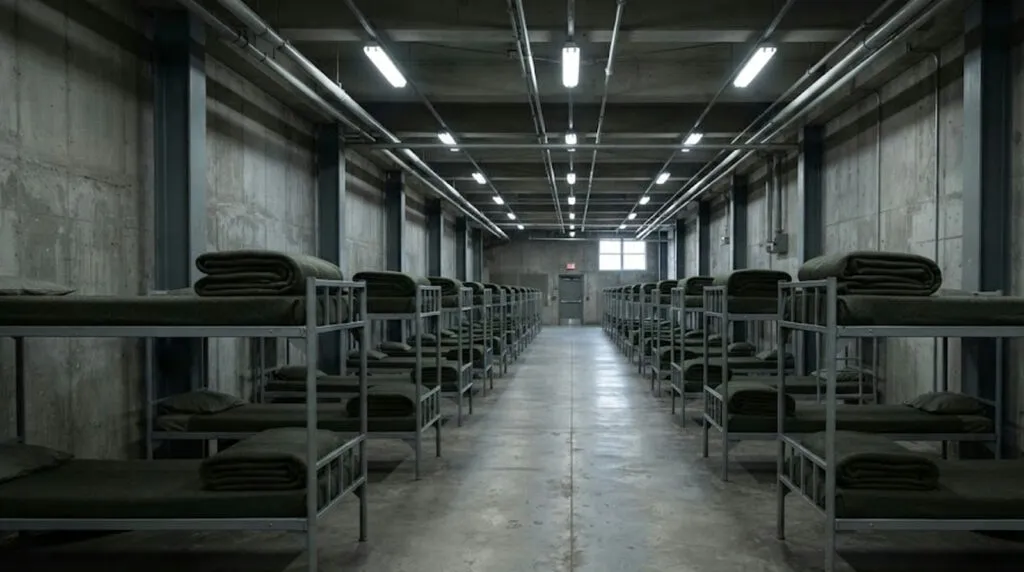
Between 2,300 and 3,000 North Korean soldiers have died in Kursk so far. Kim Jong Un has found an export...
This site uses cookies - is that okay? Learn more
Be the first to know when Metla launches something new
Leave your email and we will write when there is a new guide or something new on Metla.