


Studeničani: 35-year-old dies after being electrocuted while washing his car with a pressure washer
18.09.2026


18.09.2026
18.09.2026

18.09.2026

18.09.2026

18.09.2026
18.09.2026

18.09.2026

17.09.2026

16.09.2026

18.09.2026

18.09.2026

17.09.2026

18.09.2026

18.09.2026

18.09.2026
18.09.2026

17.09.2026

16.09.2026

18.09.2026

18.09.2026

18.09.2026

18.09.2026

17.09.2026

17.09.2026

09.03.2026

27.02.2026

19.02.2026

18.09.2026
17.09.2026
16.09.2026

23.04.2026

23.04.2026

12.04.2026

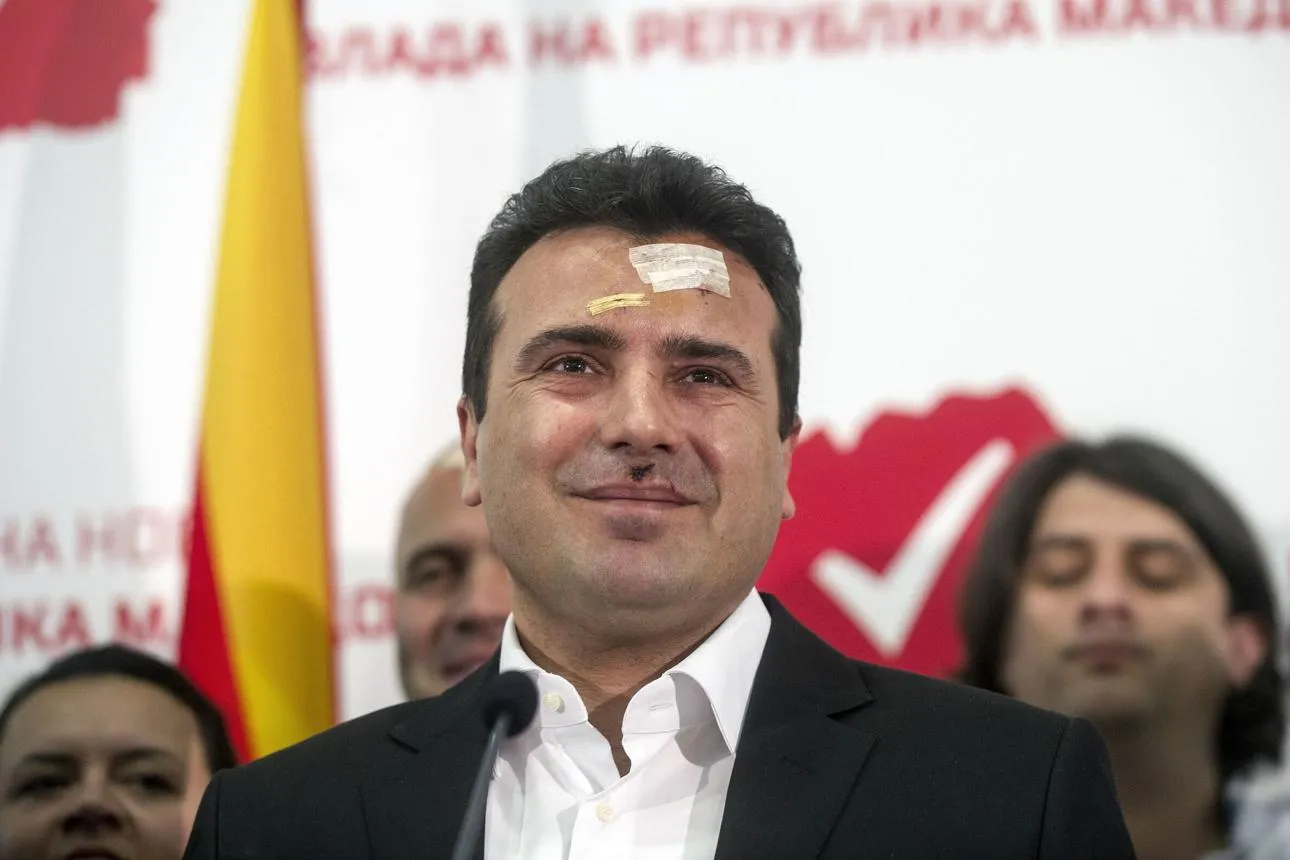
Macedonia's political scene is entering a new phase, and the impression increasingly heard among citizens is that SDSM is losing trust - not temporarily, but deeply and systemically.
For years, promises were the main weapon. Reforms, justice, a better life, European standards - words that sounded powerful and convincing. But as time passed, the gap between words and reality became ever more obvious. That's where the biggest problem starts - not political, but psychological: the loss of trust.
The situation increasingly resembles the well-known fable about the shepherd who kept crying wolf. The first time, people believed him. The second time, they reacted with doubt. The third time - no one came to help. Not because they didn't want to, but because trust had been spent.
In politics, that's the most dangerous point. When citizens stop believing, they don't respond to real problems or genuine warnings. Every new appearance, every new promise, is met with skepticism or indifference. And indifference is often stronger than anger.
An additional problem is the sense that mistakes aren't acknowledged clearly enough, nor is there real accountability. Instead of a reset, the public watches the same messages, the same faces, and the same explanations on repeat. In such an environment, trust doesn't just fail to return - it erodes even further.
Political reality shows that a party can lose elections and come back. But when it loses the trust of citizens, the comeback becomes much harder. That demands not just new faces, but a new approach, new honesty, and concrete results.
Today, the picture is clear: the crisis isn't the result of one decision or one event, but of accumulated disappointments. And that's precisely why, according to many, the process of decline isn't sudden - it's gradual and deep.
The story of the wolf and the shepherd isn't just a metaphor - it's a warning. In politics, as in life, trust is built slowly and lost quickly. And once it's gone, recovery isn't impossible - but it's far from easy.
In politics, there are no permanent positions. Only periods of trust and periods of decline. When a party stays in power for a long time, expectations grow. If those expectations aren't met, disappointment accumulates. And that's when the process begins - one that rarely happens overnight, but gradually, through the loss of support, trust, and influence.
The examples aren't few. Across Europe, parties that were pillars of the political system have been reduced to marginal players. Some vanished, others transformed or split. The reasons are almost always the same: distance from reality, internal divisions, and an inability to offer a new vision.
The latest 10 news from this category

He picked up a pressure washer to clean a vehicle in a yard in the village. He collapsed, and died...
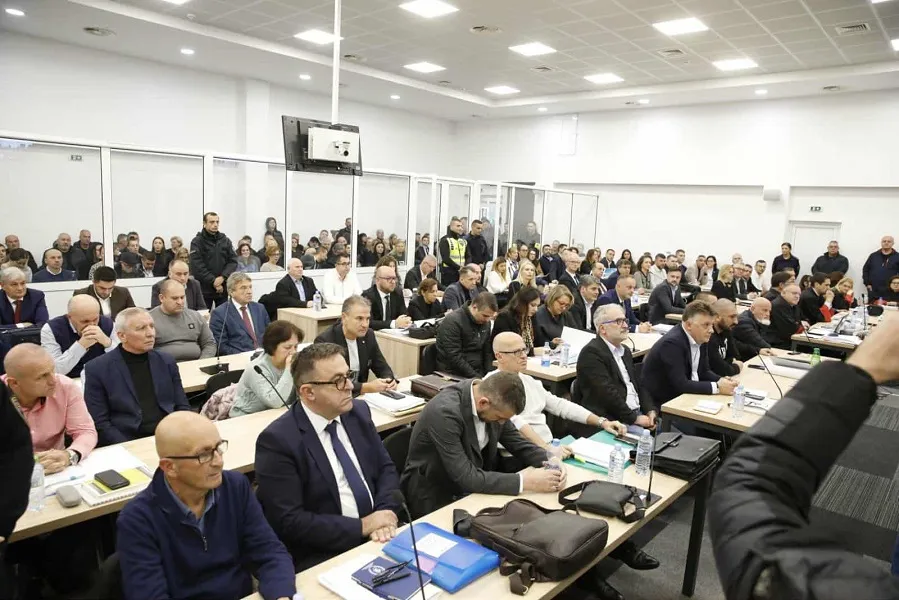
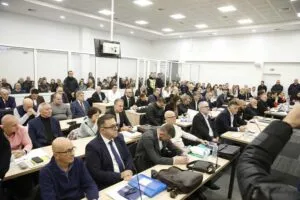
Testimony at the trial of nine police officers: the document was never produced, the report travelled up the hierarchy, and...

Rič, Popčevo, Belotino and Veljusa left without drinking water after an emergency inspection. The two findings travel together, and that...
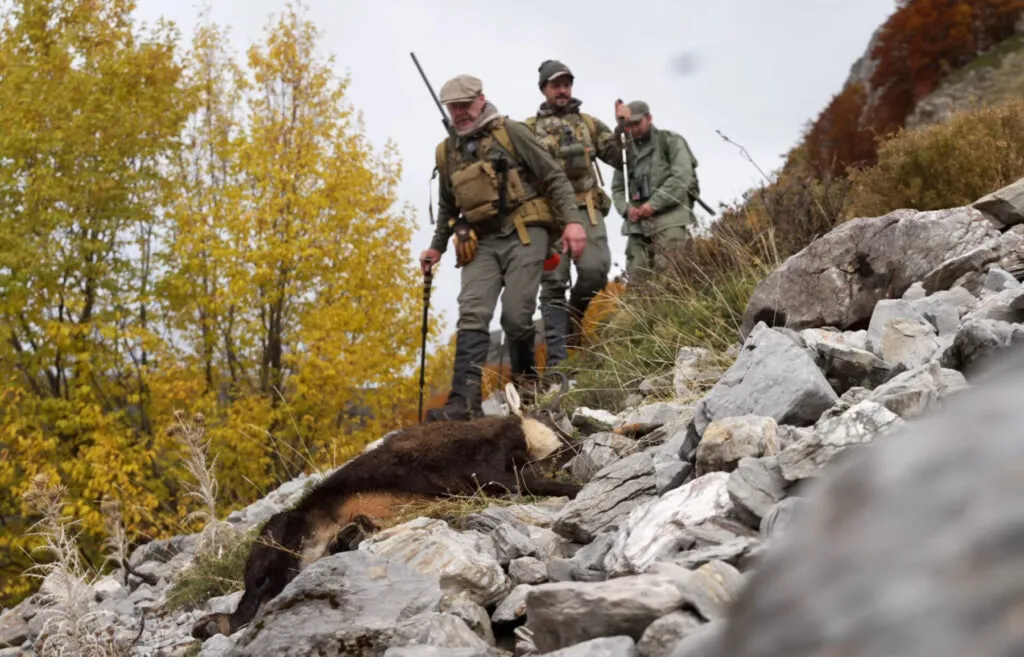
The Balkan chamois is strictly protected under the Bern Convention. The hunting is legal because Mavrovo has been waiting more...
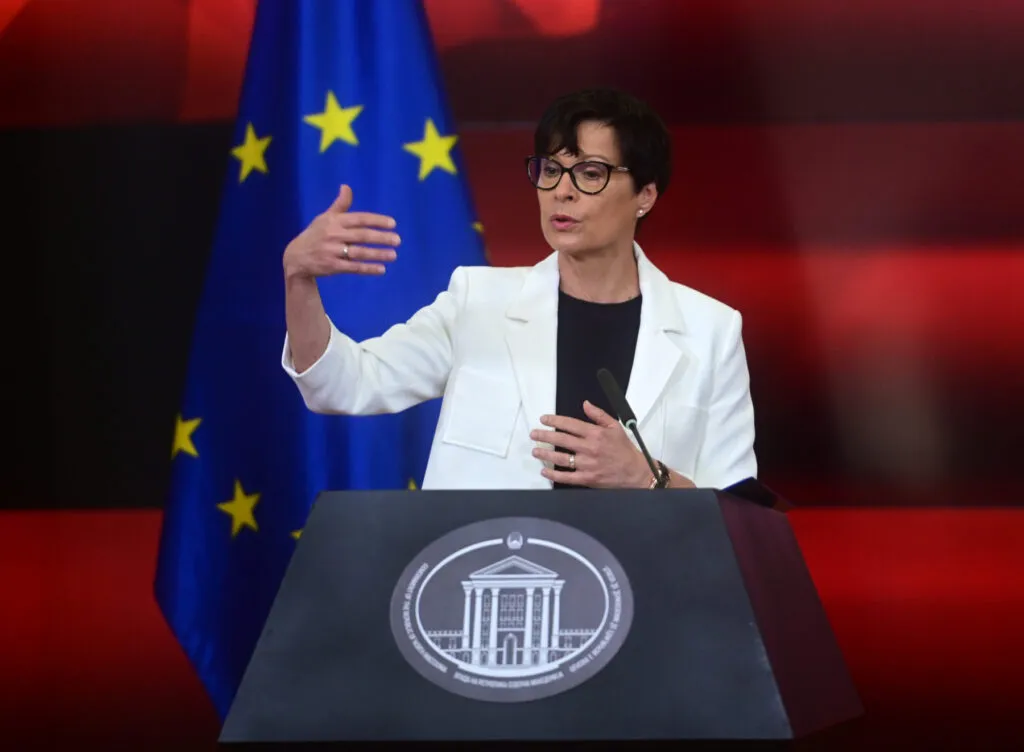
Marta Kos listed the countries getting a timetable. We are not on it. What remains is the condition we know...
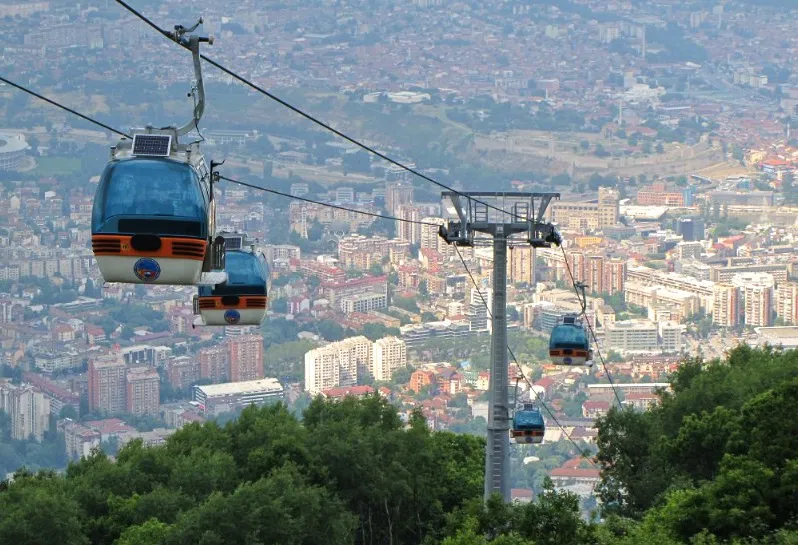
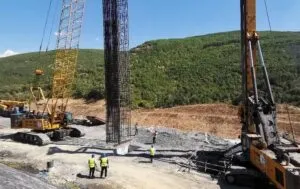
Three of the four sensors were not working, the cables were worn beyond the safety minimum. A state inspection last...

Stefkovski is introducing this after Mucunski. The Constitution applies to the whole country, yet the rule is being made municipality...
Monitoring by the All for Fair Trials coalition: hearings twice a year, proceedings running up to 33 months, and young...

Around 7,400 denars between them across seven transactions. Contactless payment made the theft easier - and consistently traceable.
If the full deadline is used, the document arrives in autumn 2027. Realistically, the first paid parking space is not...
This site uses cookies - is that okay? Learn more
Be the first to know when Metla launches something new
Leave your email and we will write when there is a new guide or something new on Metla.
