


Kratovo man stabs police officer mid-intervention: prosecutors want the 40-year-old detained
15.09.2026


15.09.2026

15.09.2026

15.09.2026

15.09.2026

15.09.2026
15.09.2026

15.09.2026

14.09.2026

13.09.2026

15.09.2026

15.09.2026

14.09.2026

15.09.2026

15.09.2026

15.09.2026

15.09.2026

14.09.2026

13.09.2026

15.09.2026

15.09.2026

15.09.2026

15.09.2026

15.09.2026

14.09.2026

09.03.2026

27.02.2026

19.02.2026

15.09.2026

14.09.2026

14.09.2026

23.04.2026

23.04.2026

12.04.2026

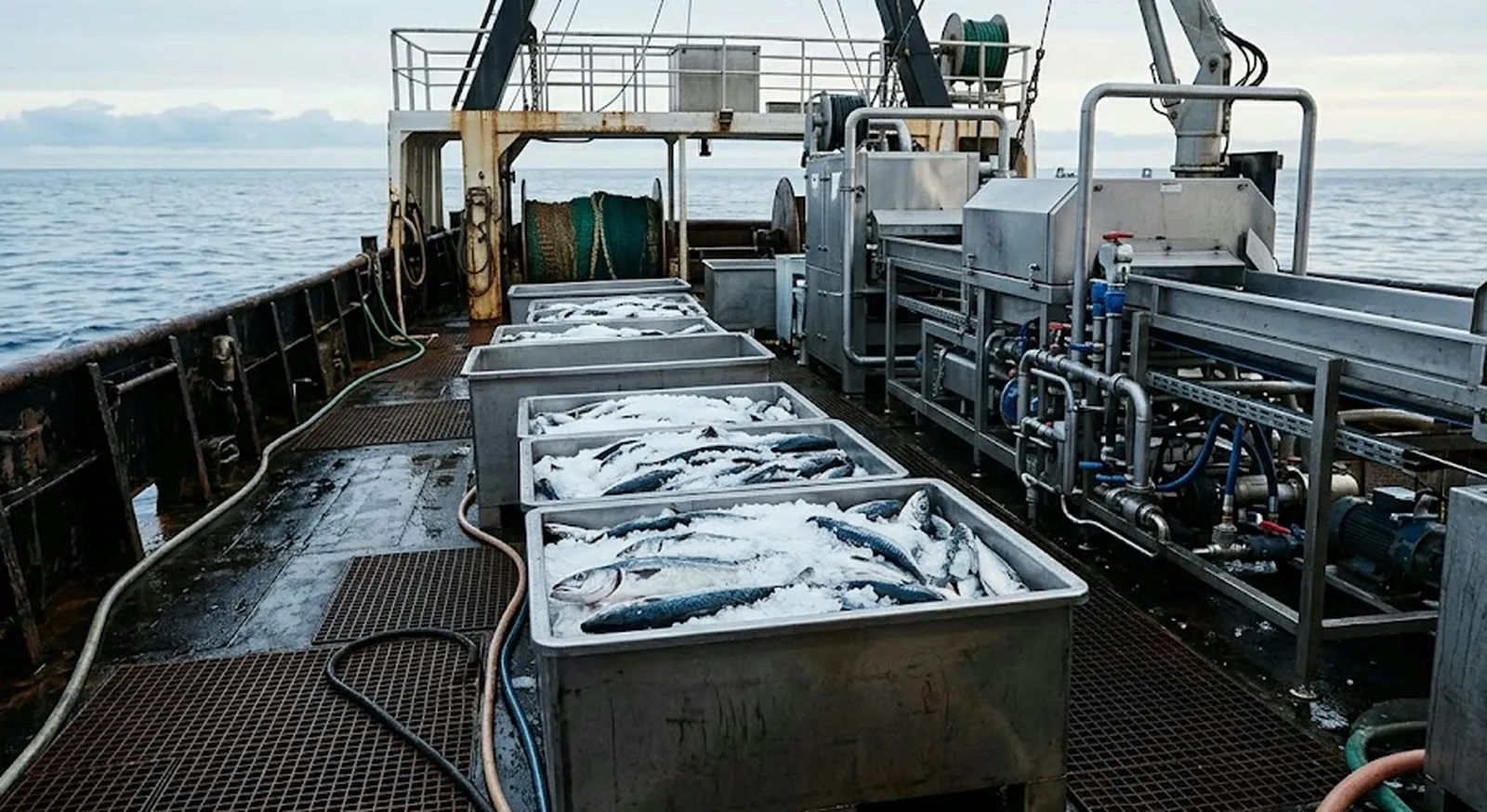
How do you know whether a fish is stressed? It sounds like a question for a biologist, but for Saif Khawaja it's an entire business model. His company Shinkei, backed by the well-known venture fund Founders Fund, is building a fridge-sized robot that kills fish - humanely, they claim, and more profitably.
The machine is called Poseidon and is mounted on fishing boats. Using computer vision it scans every catch, recognises the species and locates the brain, then spikes it so the fish dies at once, before it can convulse or suffocate. It sounds brutal, but the alternative is a slower death of anywhere from a few minutes to an hour, which floods the fish with stress hormones and lactic acid - spoiling the taste and shortening the shelf life. It's an automated version of ike jime, a centuries-old Japanese technique that fishers have long performed by hand on the dock.
The idea came when Khawaja read an essay at university titled "If Fish Could Scream" - whose point is that fish have no vocal cords, so their suffering is invisible. But Shinkei is long past being just a killing machine. The company now describes itself as a vertically integrated processor: it gives fishers free Poseidon machines, then pays them a higher-than-market price, but takes the whole catch for itself. The fish ends up in a 1,500-square-metre plant in Tacoma and is sold under the brand Seremoni, marketed as fish of "ceremonial quality".
The proof is for now on the menu of Erewhon, the pricey Californian grocery chain beloved by influencers. Khawaja claims he already supplies restaurants with a combined 50 Michelin stars, and even - something that supposedly never happened before - Japan importing American catch onto its markets, which have historically deemed American fish inferior to their own. But whether the buyer will pay extra for "humanely killed" fish, as they already pay for humanely raised meat, remains an open question. Khawaja himself says the real argument isn't ethics but quality: a shelf life of 12 to 14 days instead of 5 to 7.
Behind the whole story sits a bigger game around the supply chain. A large share of fish caught in American waters is frozen and shipped abroad, often to China, for the manual work of cleaning and filleting, then returned. Reports link that Chinese sector to forced labour. Shinkei and Founders Fund's bet is that the whole chain - catch, kill, processing and distribution - can come back home and be profitable enough to beat that cheap foreign labour. Partner Delian Asparouhov put it bluntly: almost no one in the world wants to spend their life building robots that kill fish. Sometimes that's exactly where, in the unwanted, the story hides.
The latest 10 news from this category
A scientist at the same company puts the probability of human extinction above 10 percent within the next decade. The...

The president called in while the event was running, and the man who makes the chips answered that there would...
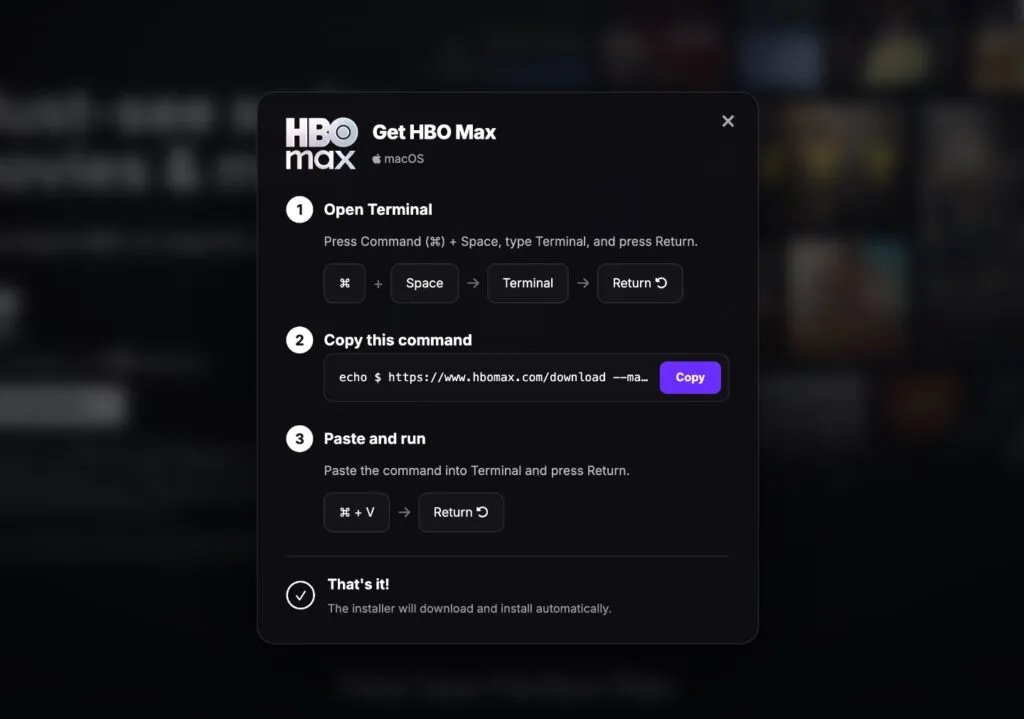
No virus attached, no suspicious file. Just a box that looks like the "I am not a robot" check and...

A researcher quit because the firms are gambling with our lives. Instead of denying it, Anthropic confirmed it - with...
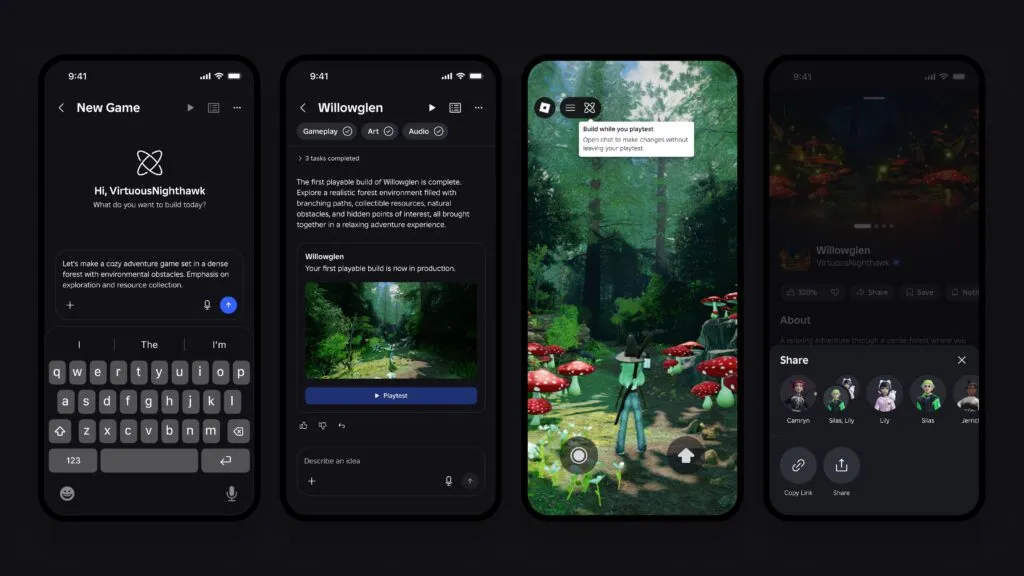
Write a sentence, get a game. Until now it worked only in New Zealand, now in Belgrade too. Creators on...

When the two biggest firms in an industry ask for rules on how fast anyone may run, the rules rarely...

Not a single password fell. What fell was the assumption that a request from a government domain is automatically a...

The biggest names in mathematics have signed a letter against the AI labs. The dispute is not whether the machine...

Five campaigns, 200 million exchanges, and the defences fell to a request for a Japanese translation. The industry that harvested...

The hackers were inside for a whole year. The company confirmed it only after a journalist found his own licence...
This site uses cookies - is that okay? Learn more
Be the first to know when Metla launches something new
Leave your email and we will write when there is a new guide or something new on Metla.
