

They Rode In on Scooters, Torched the Shops and Left: The Fire in Shuto Orizari Burned for Three Hours, Setting It Took Fifty Seconds
13.09.2026


13.09.2026

13.09.2026

13.09.2026

13.09.2026

13.09.2026

13.09.2026

13.09.2026

12.09.2026

11.09.2026

13.09.2026

13.09.2026

12.09.2026

13.09.2026

13.09.2026

13.09.2026

13.09.2026

12.09.2026

11.09.2026

13.09.2026

13.09.2026

13.09.2026
13.09.2026

13.09.2026

12.09.2026

09.03.2026

27.02.2026

19.02.2026

13.09.2026

12.09.2026

11.09.2026

23.04.2026

23.04.2026

12.04.2026

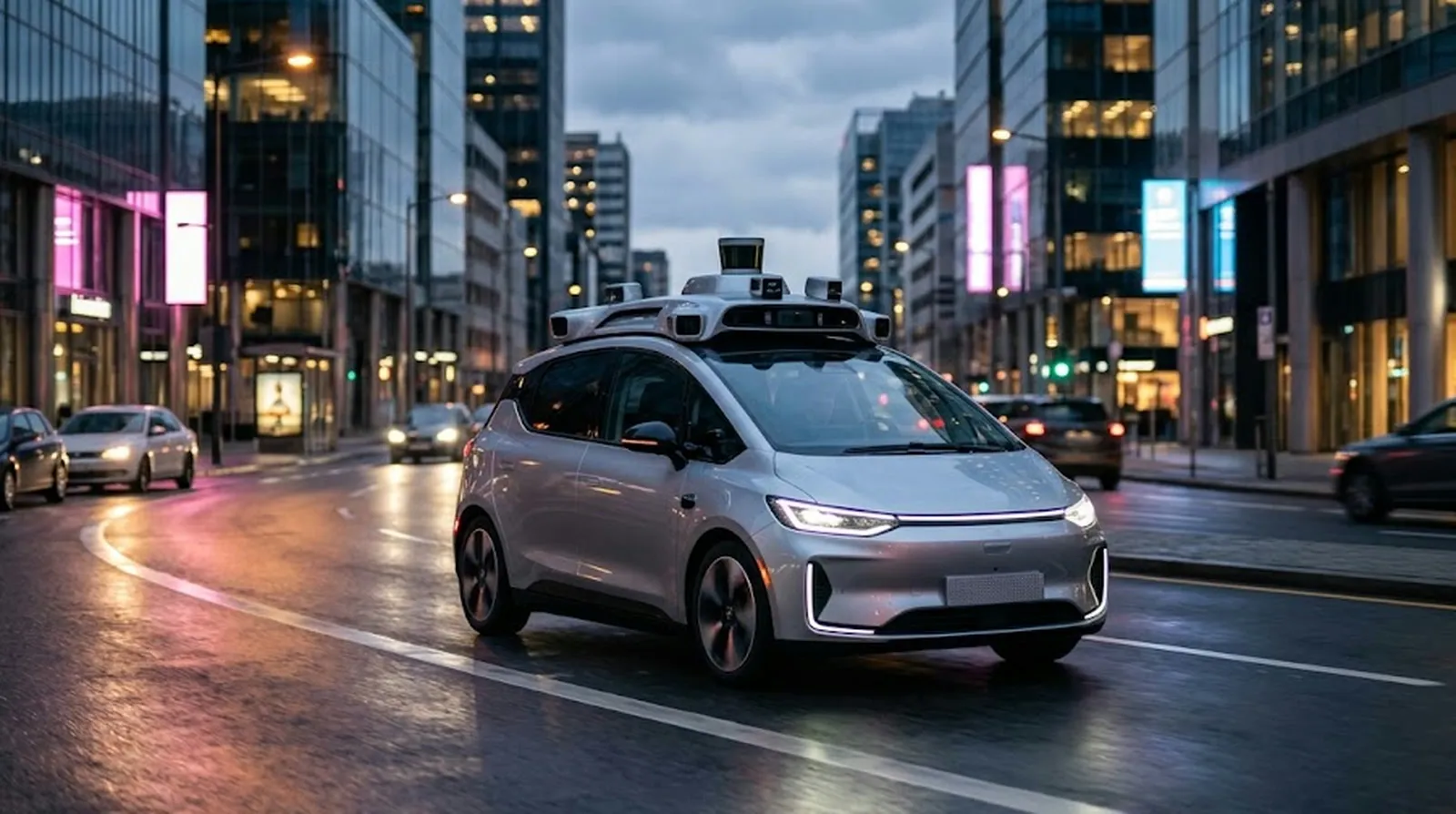
Japan's biggest stock market debut this year doesn't come from some flashy AI startup, but from a company founded back in 1977 as an ordinary taxi operator. Go, Japan's largest ride-hailing app, raised 88.6 billion yen (553 million dollars) on the market - and immediately announced what it would spend it on: robotaxis and acquisitions.
The numbers behind Go are serious. 35 million downloads, 85,000 partner vehicles, 80 percent of the Japanese taxi-app market and coverage in 46 out of 47 prefectures. This isn't a startup with a pitch deck and a dream, but a company that already owns the market. Still, the stock closed its first day around 4 percent below its opening price - investors are applauding, but carefully.
Behind the autonomous-vehicle plan stands a hard problem, not marketing. Japan doesn't have enough drivers - the number of taxi drivers has fallen by around 20 percent, the population is ageing, and that trend will be hard to reverse. For Go, the robotaxi isn't a toy of the future, but an answer to a gap that already exists. The company is working with Waymo, Alphabet's subsidiary, and promises to drive fully autonomously, with no human in the vehicle, only after it has validated the technology and secured a permit.
Among the investors are heavyweight names - BlackRock, Wellington and M&G. That's a sign big money believes the future of transport in ageing societies is automated. The Balkans still have a different problem - here it's not drivers we lack but roads worth driving on. But the logic is universal: where people run out, machines come to fill the gap. The only question is who will control that machine once it becomes irreplaceable.
The latest 10 news from this category
When the two biggest firms in an industry ask for rules on how fast anyone may run, the rules rarely...
Not a single password fell. What fell was the assumption that a request from a government domain is automatically a...
The biggest names in mathematics have signed a letter against the AI labs. The dispute is not whether the machine...

Five campaigns, 200 million exchanges, and the defences fell to a request for a Japanese translation. The industry that harvested...

The hackers were inside for a whole year. The company confirmed it only after a journalist found his own licence...
The chief financial officer gathered enough votes on the board and now runs the company. The founder found out 50...
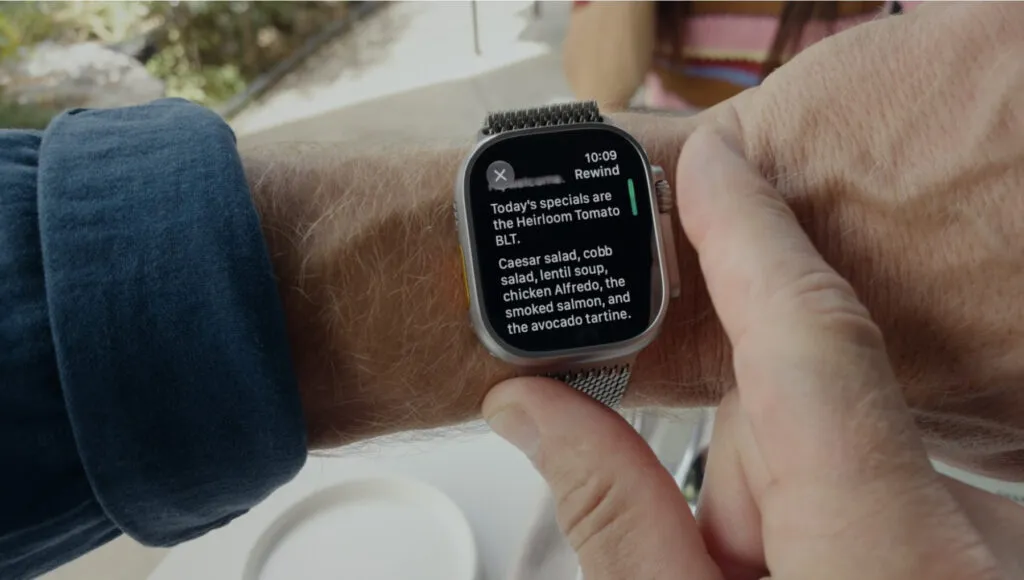
The company that turned privacy into marketing is now selling a watch that listens. The person sitting across from you...
The largest round ever by a European tech firm is led by Samsung, and Macron called it a third way...
A consultant paying 200 dollars a month could not get an itemised bill for his own usage. When he asked...

They set off at three in the morning, reached the summit at seven in the evening, spent the night in...
This site uses cookies - is that okay? Learn more
Be the first to know when Metla launches something new
Leave your email and we will write when there is a new guide or something new on Metla.
