
"That's not my job": the trial of the 13 Puls police officers restarted from scratch, and witnesses describe help being refused
22.09.2026


22.09.2026

22.09.2026

22.09.2026

22.09.2026

22.09.2026
22.09.2026

22.09.2026

21.09.2026

20.09.2026

22.09.2026

22.09.2026

21.09.2026
22.09.2026

22.09.2026

22.09.2026

22.09.2026

21.09.2026

20.09.2026

22.09.2026

22.09.2026

22.09.2026
22.09.2026

22.09.2026

22.09.2026

09.03.2026

27.02.2026

19.02.2026

22.09.2026

21.09.2026
21.09.2026

23.04.2026

23.04.2026

12.04.2026

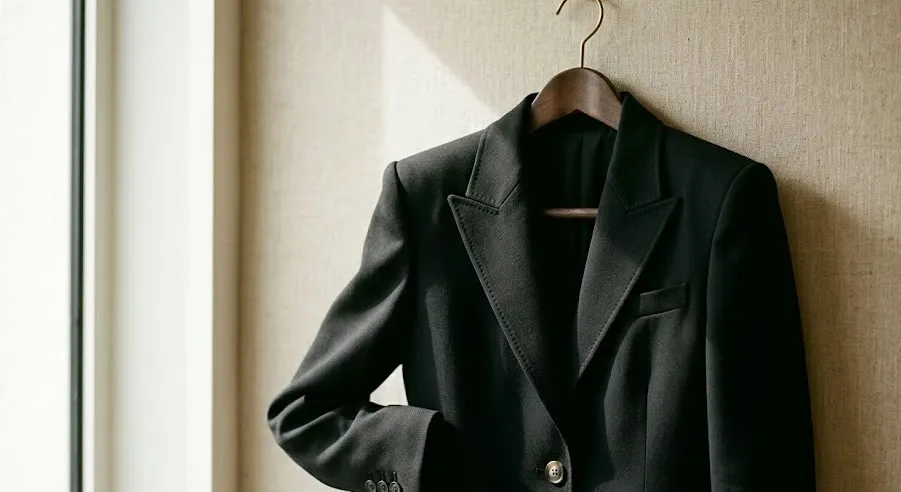
The shoulder-padded blazer is not a modern invention - it's a 500-year-old strategy for visual power, and it's now coming back into wardrobes without much questioning. The first to use it was Henry VIII in the 16th century, and not as fashion but as politics - doublets with padded shoulders to look wider, more intense, more dangerous. The English monarch even passed laws restricting who was allowed to wear similar clothing.
Women took much longer. By the end of the 19th century, when women started stepping into the street for work, the first practical forms with a bit of shoulder construction also appeared. Elsa Schiaparelli in the 1930s built a shoulder architecture inspired by military uniforms. The Second World War made them functional - women went into factories, clothing adapted. In 1966, Yves Saint Laurent legitimised the women's suit jacket.
But the real era of „power dressing" arrived in the 80s. As women began entering the corporate world, shoulders became a signal - not of aesthetics, but of breakthrough. The shoulder-padded blazer said „don't ignore me at this meeting." That was Thatcher in the prime ministerial chair, that was Joan Collins in „Dynasty," that was the idea that a woman could occupy the same space as a man - literally, with her shoulders.
Today the blazer is back for a very different reason. Psychologist Angela Pera says clothing isn't only for the eye - it shifts the inner feeling before the emotion follows: „soft but powerful, it starts on the outside and influences everything within." In other words - if you're having a hard day, put on the shoulder-padded blazer. Not for the image in the mirror, but for the moment you step into the room and see who loses the first second. It's still the same arithmetic as in the 16th century, just without the swords.
The latest 10 news from this category
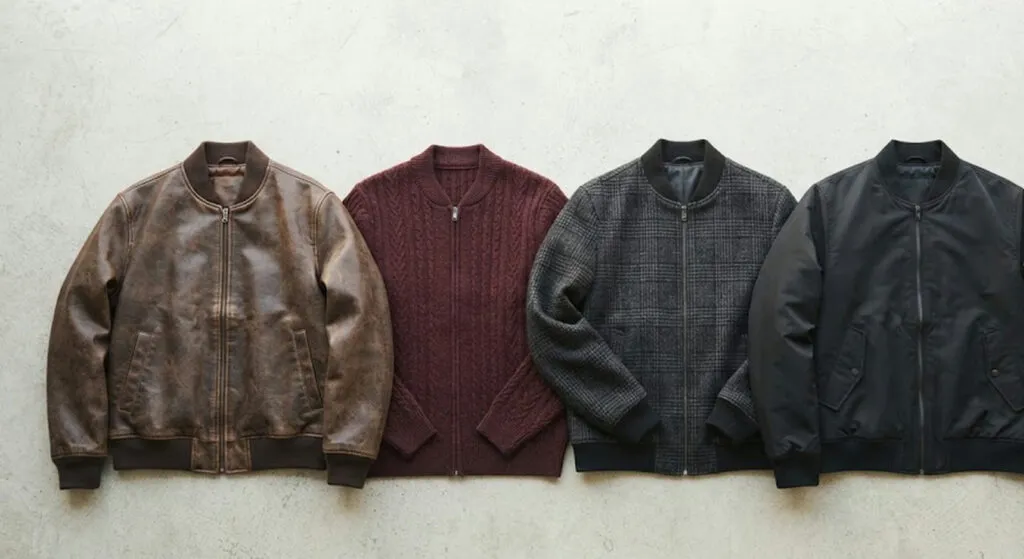
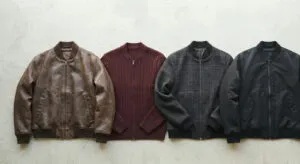
Here, half a wardrobe is bought by calculating how many years it will last. The brown leather one will look...

A decade in which aesthetic medicine sold transformation ends with one sentence: they want to look better, not different.
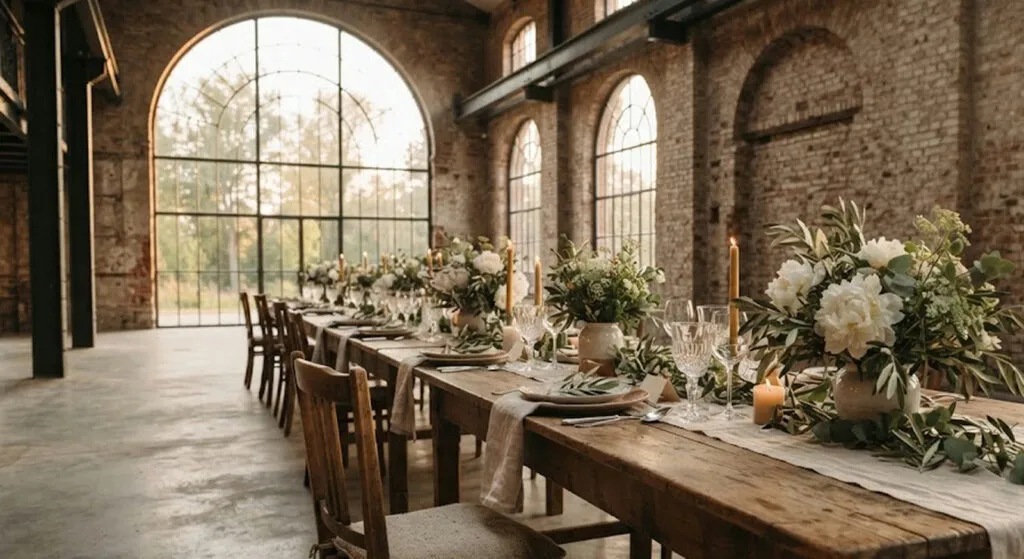
The catering was run by an uncle, the music was played by an uncle. If that sounds familiar, you have...
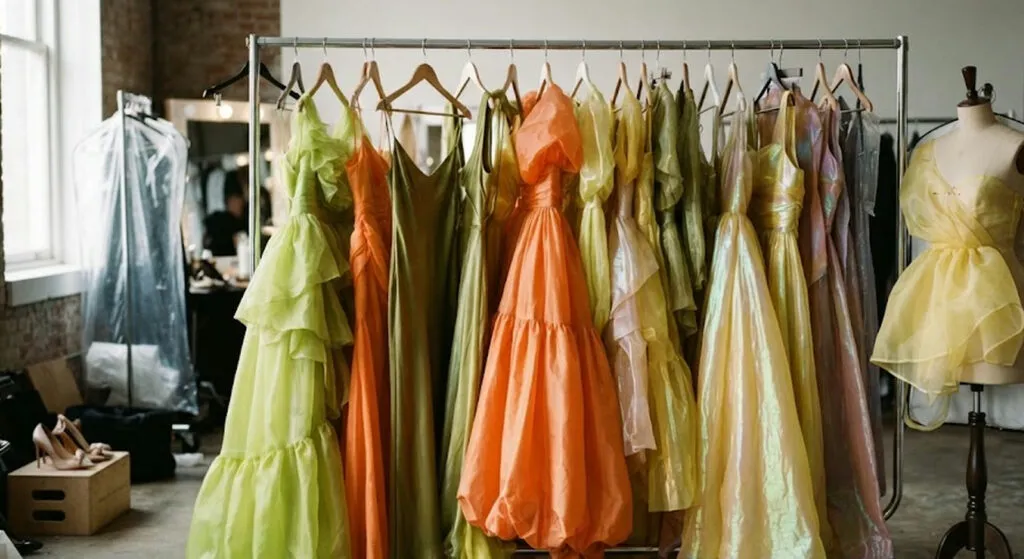
Three days in a lab coat with colorimetry scientists to produce a collection in lime and tangerine. The design director...
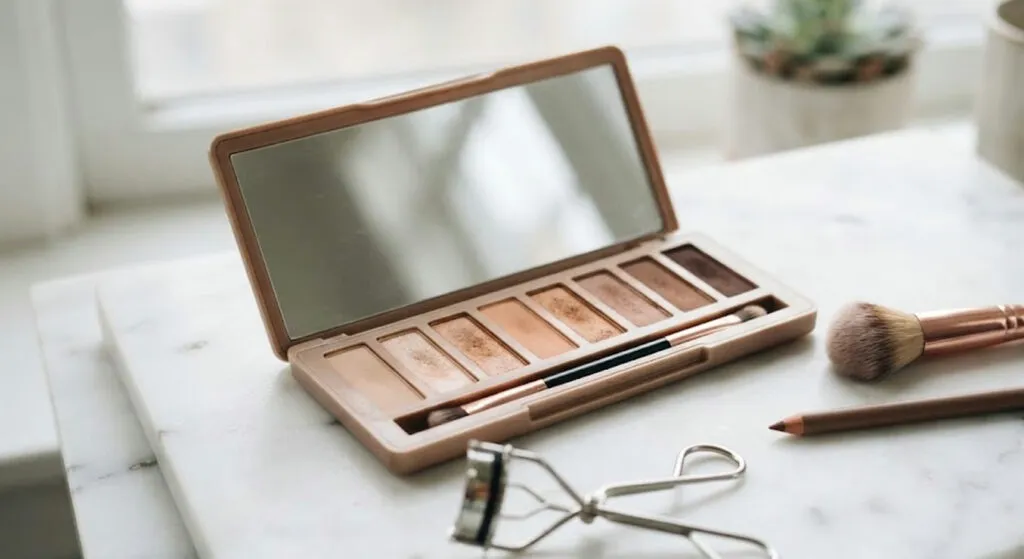
Cream concealer instead of powder, a brown pencil instead of black eyeliner, and a curler before the mascara. Not one...
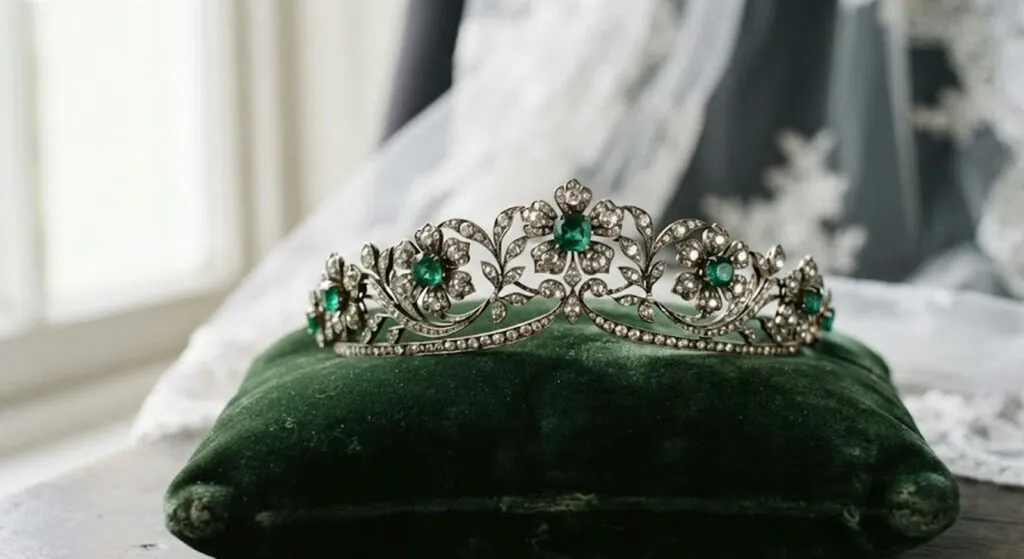
A boat-neck gown and wildflowers that deliberately refuse to compete with the jewellery. A fourth generation under the same diadem,...
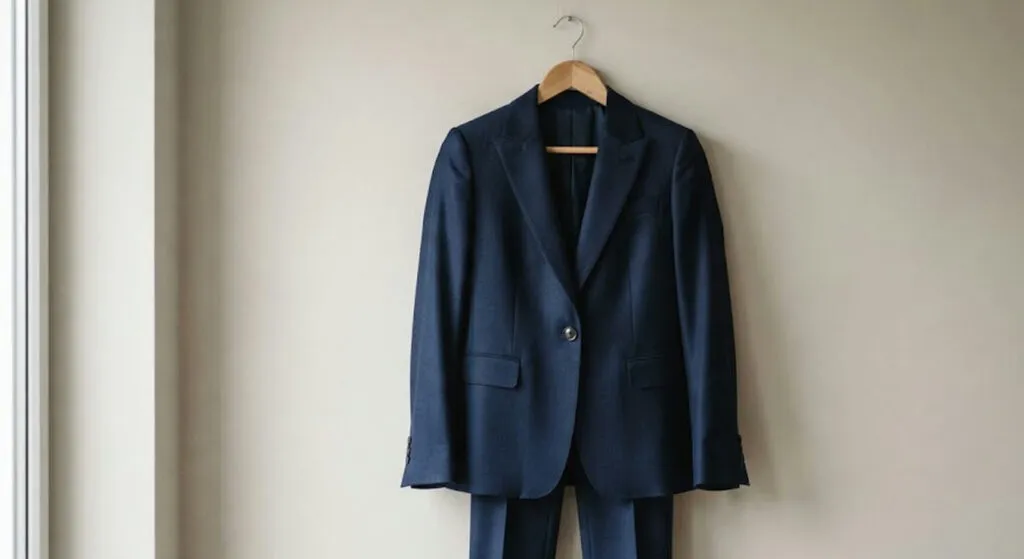
A communications expert says the trouser suit sidesteps sexist readings of hemlines and necklines. The same expert warns that the...
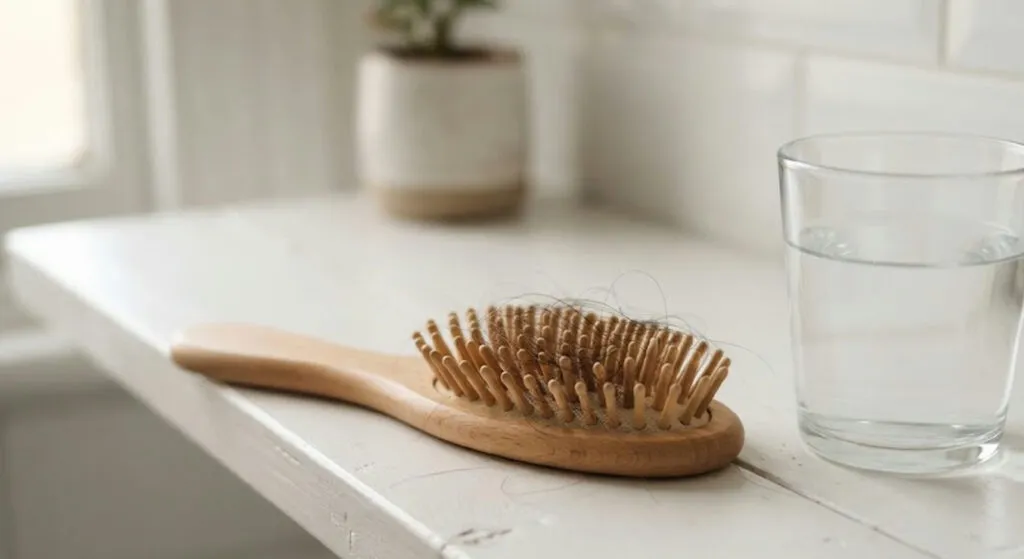
Dermatologists explain why the shedding arrives with a two to three month delay and why iron and vitamins do not...
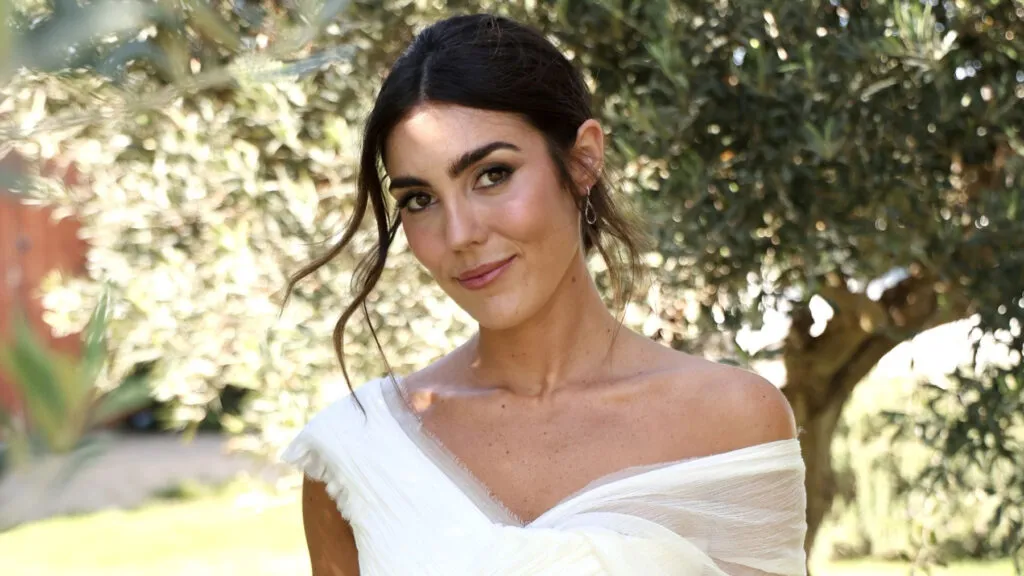
Silk bambula muslin, a hand-draped waist and a veil of crystal organza. The wedding was held in Cadiz, where the...
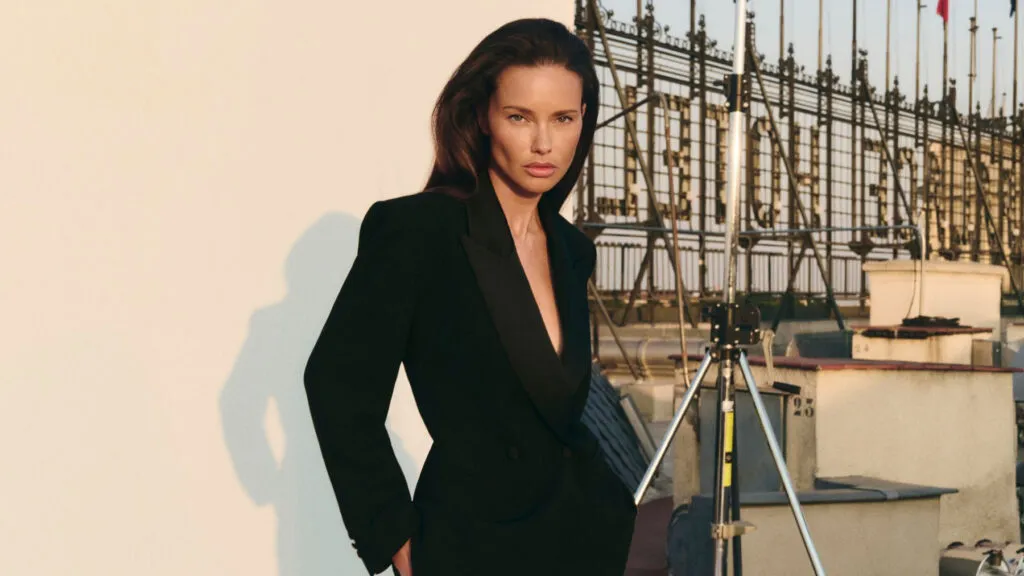
An industry that spent decades selling a flawless illusion is suddenly showing the shoot itself. That is not candour -...
This site uses cookies - is that okay? Learn more
Be the first to know when Metla launches something new
Leave your email and we will write when there is a new guide or something new on Metla.