
Six Years of Fake Licence Categories Issued From an Interior Ministry Desk: Six Charged, 21 More Under Investigation
21.09.2026


21.09.2026

21.09.2026

21.09.2026

21.09.2026

21.09.2026

21.09.2026

21.09.2026

20.09.2026

20.09.2026

21.09.2026

21.09.2026

20.09.2026
21.09.2026
21.09.2026
21.09.2026

21.09.2026

20.09.2026
19.09.2026

21.09.2026

21.09.2026

21.09.2026

21.09.2026

21.09.2026

21.09.2026

09.03.2026

27.02.2026

19.02.2026

21.09.2026

21.09.2026

20.09.2026

23.04.2026

23.04.2026

12.04.2026

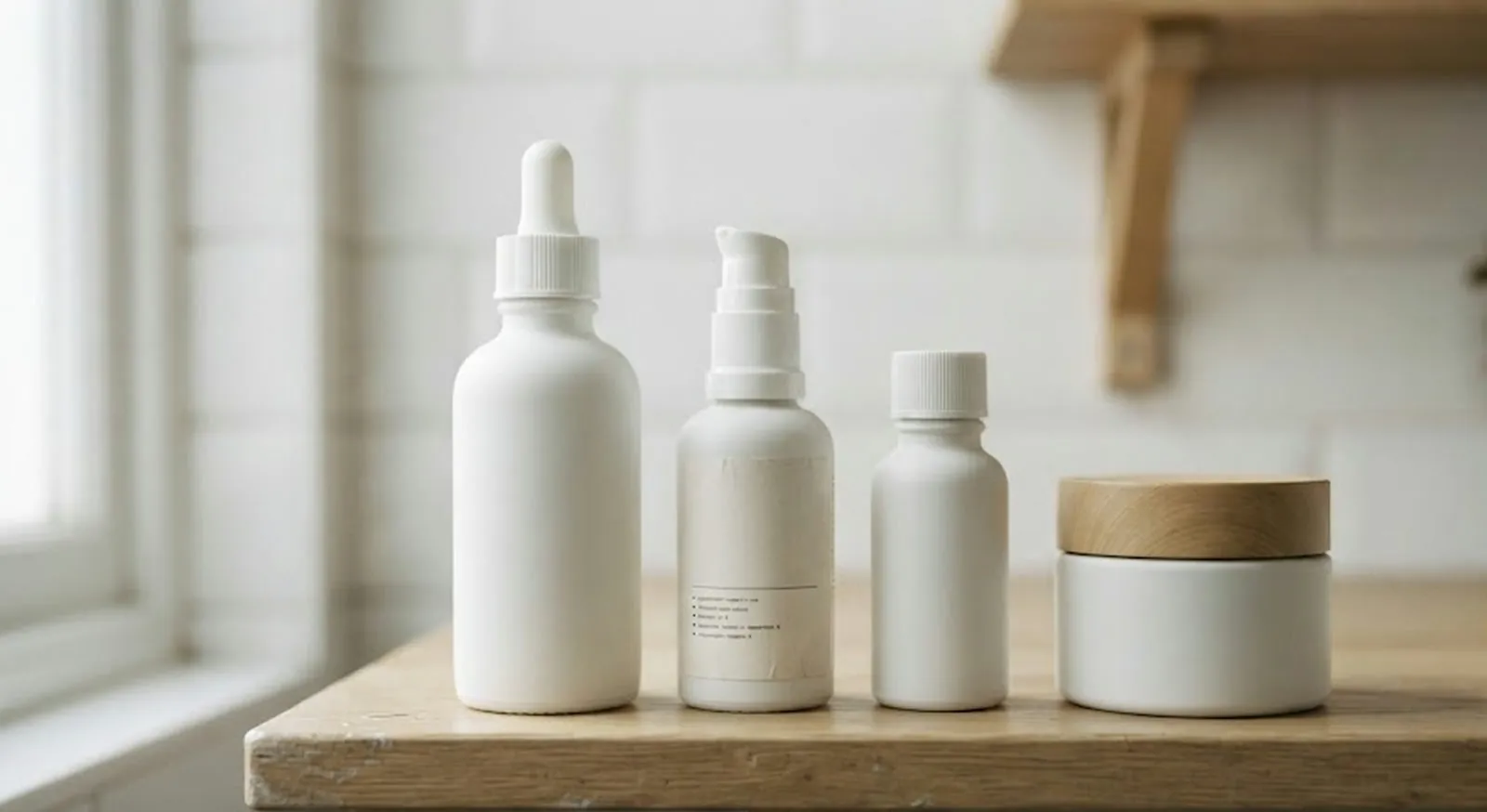
From 1 August a change few people will notice comes into force in the European Union, and it concerns every bottle standing in your bathroom. The list of fragrances that must be named individually on the label is expanding - from twenty-four to eighty-one substances.
Until now manufacturers could pack all of it into a single word. It said „parfum“ or „aroma“ and that was the end of the story. From now on, when they exceed a certain concentration, limonene, linalool, citral, geraniol, citronellol, eugenol and coumarin must be named by their own name. That applies to perfumes, creams, shampoos, conditioners, gels and deodorants.
Why does this matter more than it sounds? Because until now a person with an allergy had no way of finding out what they were reacting to. They bought a cream, their face went red, they threw the cream out and bought another - with the same hidden ingredient under the same generic name. „A person can check the ingredients list and more easily establish whether the product contains what is causing their reaction“, explains allergist Dr Elisa Haroun of the Estea Medica clinic.
The same doctor immediately adds something the industry will not put in an advert, but which is true: the presence of an allergen in a cosmetic product does not mean it is dangerous or that it will cause a reaction in everyone. Eighty-one substances on a label is not a list of poisons. It is a list that helps people who already know they have a problem.
Dermatologist Dr Cristina García Milán, who specialises in sensitive skin, adds the sentence that demolishes the entire marketing mythology of the last decade: natural does not mean harmless. Most of these very fragrances - limonene, geraniol, citronellol - come from essential oils and plant extracts. Those are precisely the ingredients sold as proof that a product is clean and gentle.
There is small print too. Products already manufactured and sitting on shelves have a transition period until 31 July 2028. So for the next two years, bottles with the old and the new label will stand side by side in shops, and the buyer will not know which version they are holding unless they read the underside of the packaging.
For our market this is what regularly happens - a rule adopted in Brussels that reaches us through the products rather than through any information. Goods are imported, labels change of their own accord, and nobody explains what they mean. At least now it is worth knowing that the long string of words on the back of the bottle suddenly says more than it did yesterday.
The latest 10 news from this category
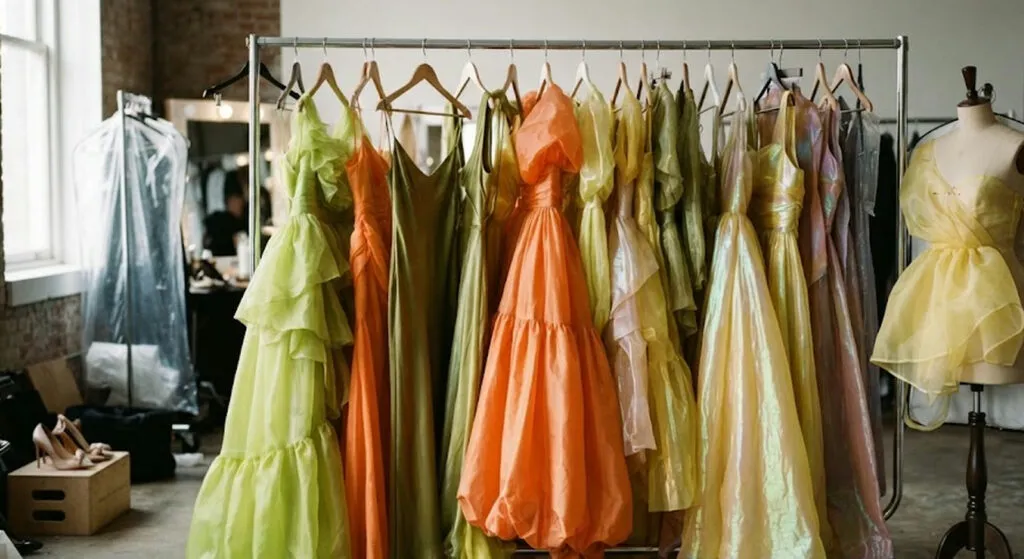
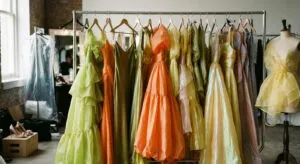
Three days in a lab coat with colorimetry scientists to produce a collection in lime and tangerine. The design director...
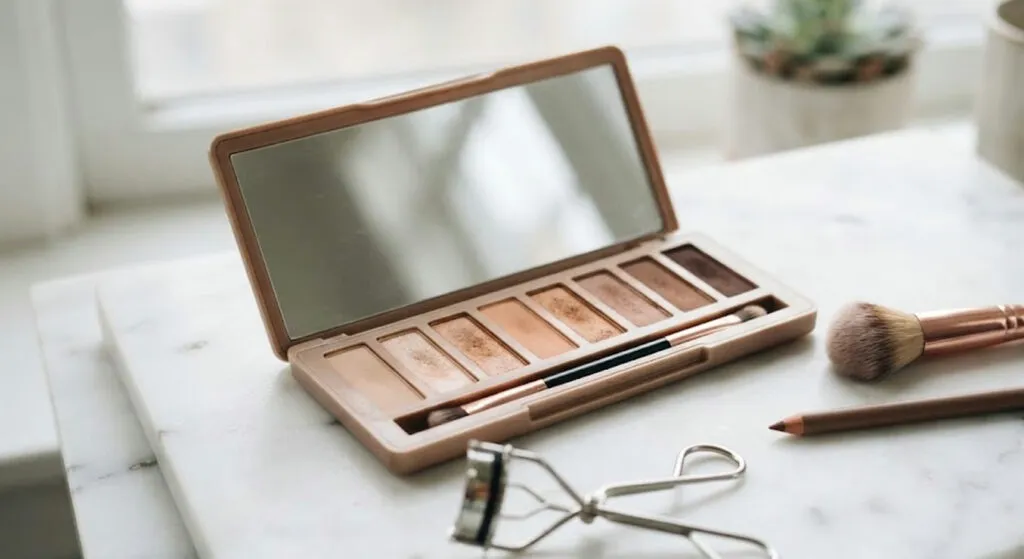
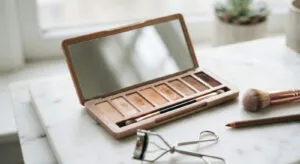
Cream concealer instead of powder, a brown pencil instead of black eyeliner, and a curler before the mascara. Not one...
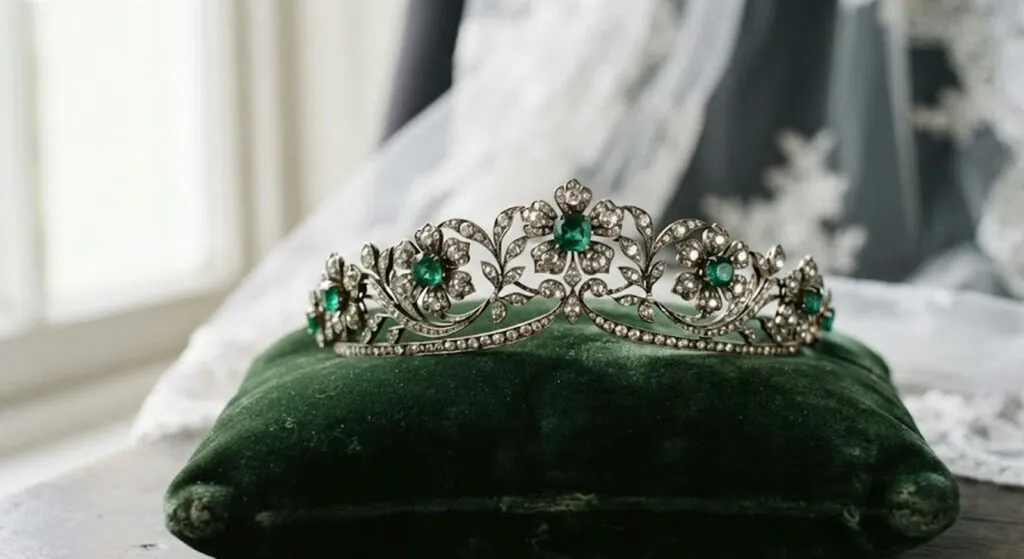
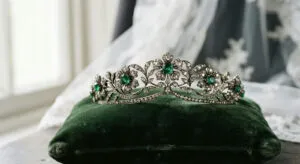
A boat-neck gown and wildflowers that deliberately refuse to compete with the jewellery. A fourth generation under the same diadem,...
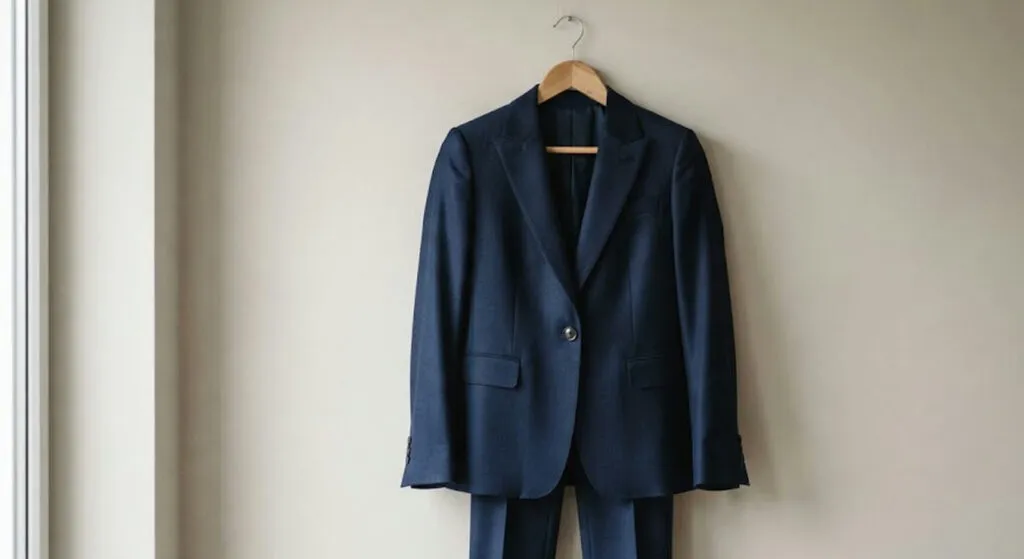
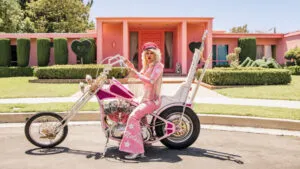
A communications expert says the trouser suit sidesteps sexist readings of hemlines and necklines. The same expert warns that the...
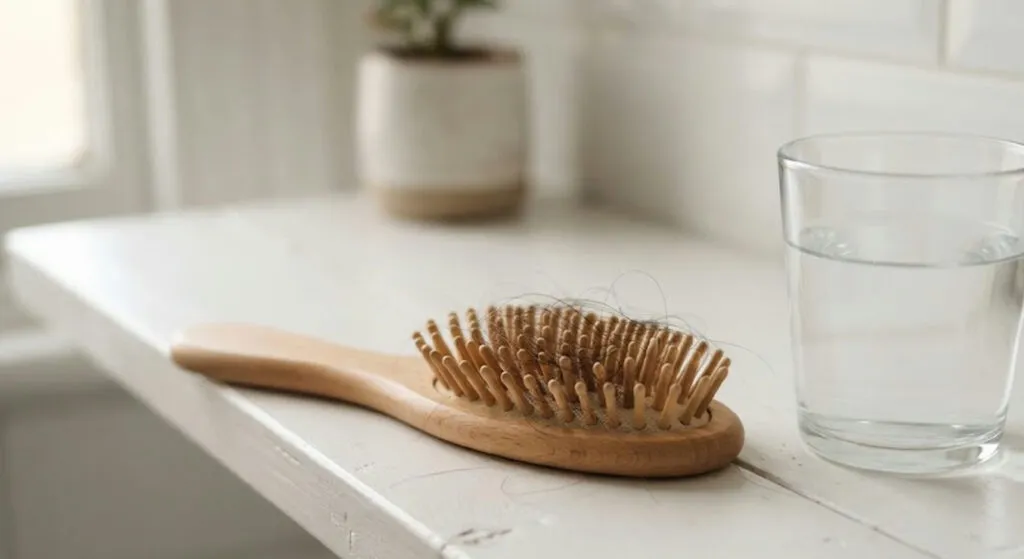
Dermatologists explain why the shedding arrives with a two to three month delay and why iron and vitamins do not...
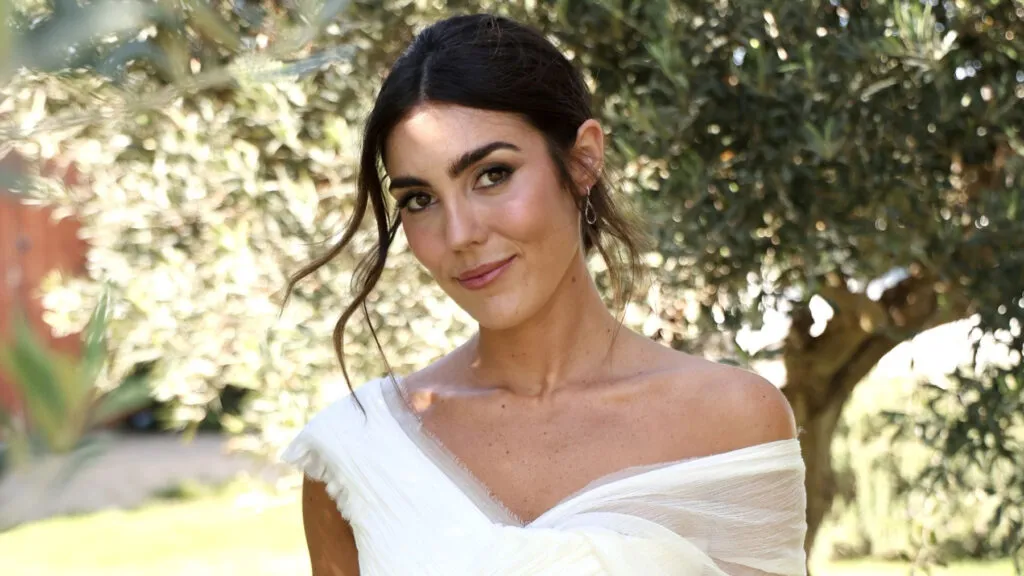
Silk bambula muslin, a hand-draped waist and a veil of crystal organza. The wedding was held in Cadiz, where the...

An industry that spent decades selling a flawless illusion is suddenly showing the shoot itself. That is not candour -...

The classic bob promised one perfect day. This version works against the salon business model - and that alone is...
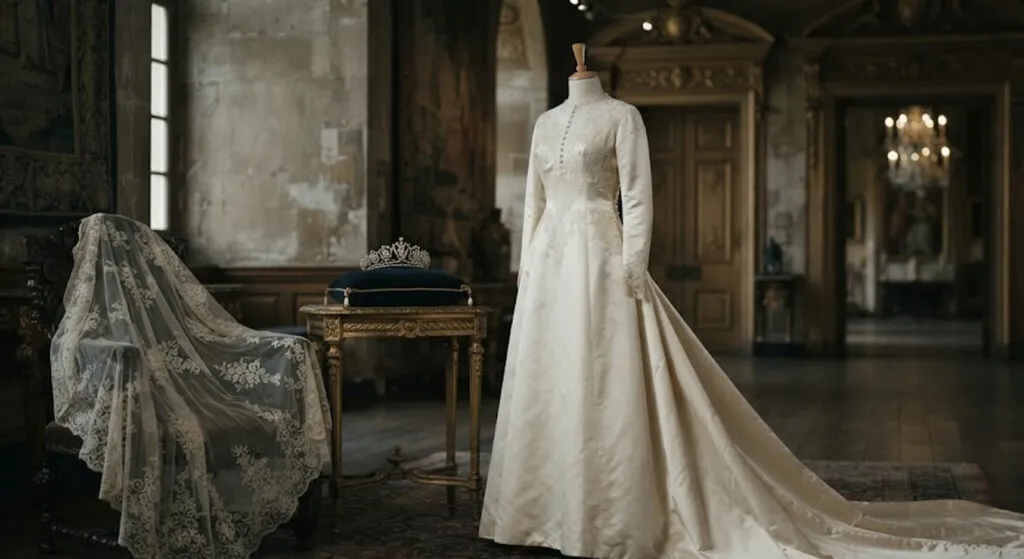
The crowns were held by four men who would all later sit on thrones of their own. Nobody in that...

Kate Middleton dropped the beige and the same cut suddenly looked twice as expensive. The industry sells a new silhouette...
This site uses cookies - is that okay? Learn more
Be the first to know when Metla launches something new
Leave your email and we will write when there is a new guide or something new on Metla.