
Black Smoke Over Skopje: A Paint and Varnish Warehouse Burned Inside the Old Steelworks
23.09.2026


23.09.2026

23.09.2026

23.09.2026

23.09.2026

23.09.2026

23.09.2026

23.09.2026

22.09.2026

21.09.2026
23.09.2026

23.09.2026

22.09.2026

23.09.2026

23.09.2026

23.09.2026
23.09.2026

22.09.2026

21.09.2026

23.09.2026

23.09.2026

23.09.2026

23.09.2026

23.09.2026

23.09.2026

09.03.2026

27.02.2026

19.02.2026
23.09.2026

22.09.2026

21.09.2026

23.04.2026

23.04.2026

12.04.2026

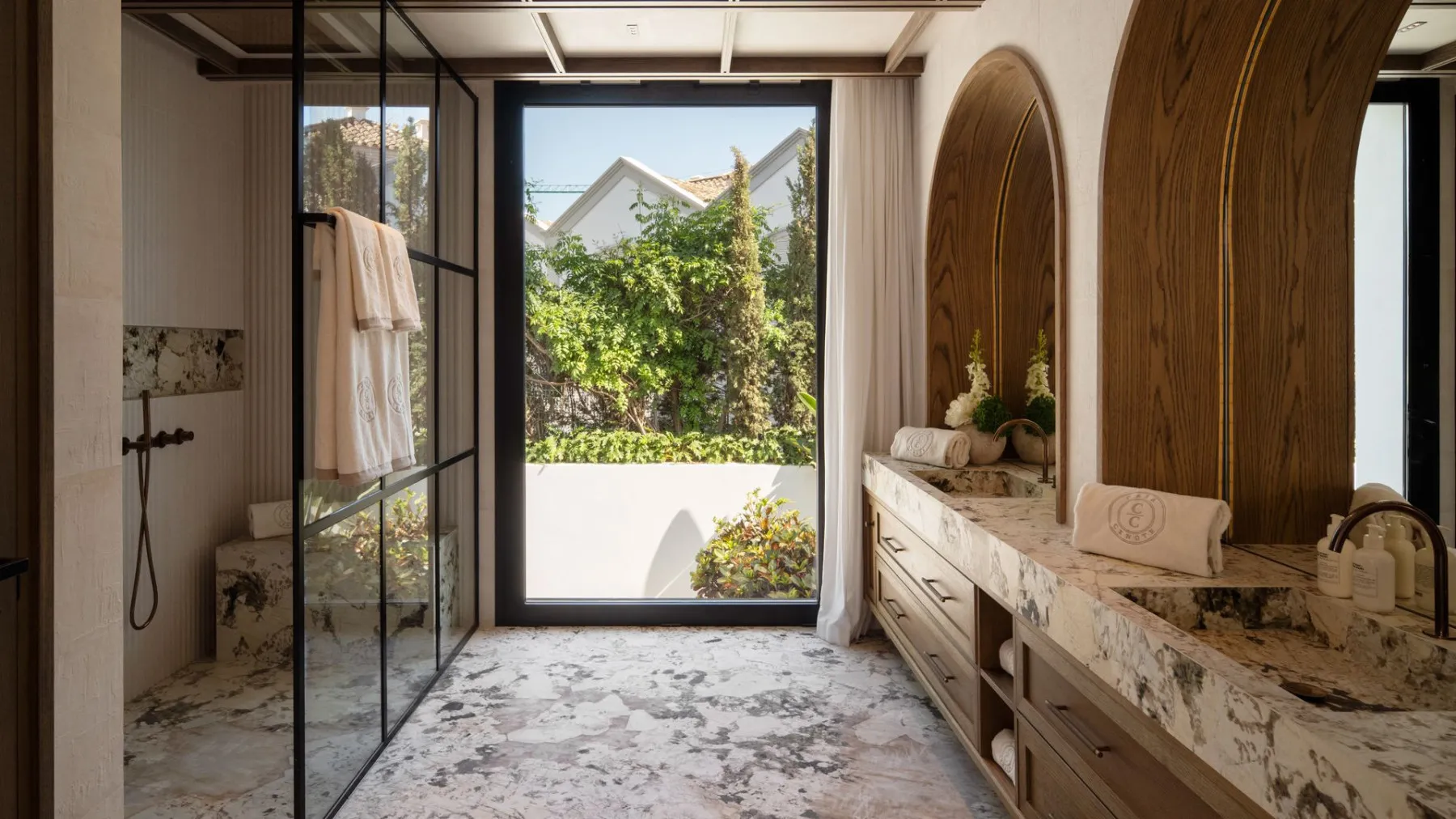
For years the shower enclosure was the thing sorted out last in a bathroom, with whatever budget was left. That is no longer the case. This year designers treat the shower as the room's main feature, and the difference is made by things that do not show up in a photograph - where the water goes, how the light falls, whether there is anywhere to sit.
Surfaces that close the space. Large-format tiles, or ones with very thin grout lines, give visual continuity and an immediate sense of order. Fewer lines means a calmer bathroom. Warm finishes lead this season: stone, travertine and wood effect, in tones of sand, greige and broken white, with a soft texture rather than a shine.
Light is half the job. An expensive bathroom is not recognised by its marble but by the fact that nobody looks bad in it. That means light without shadows and without glare - soft general lighting, combined with dedicated lighting in the shower zone itself and indirect lighting in niches and shelves. A warm tone, and fittings rated for wet rooms without exception.
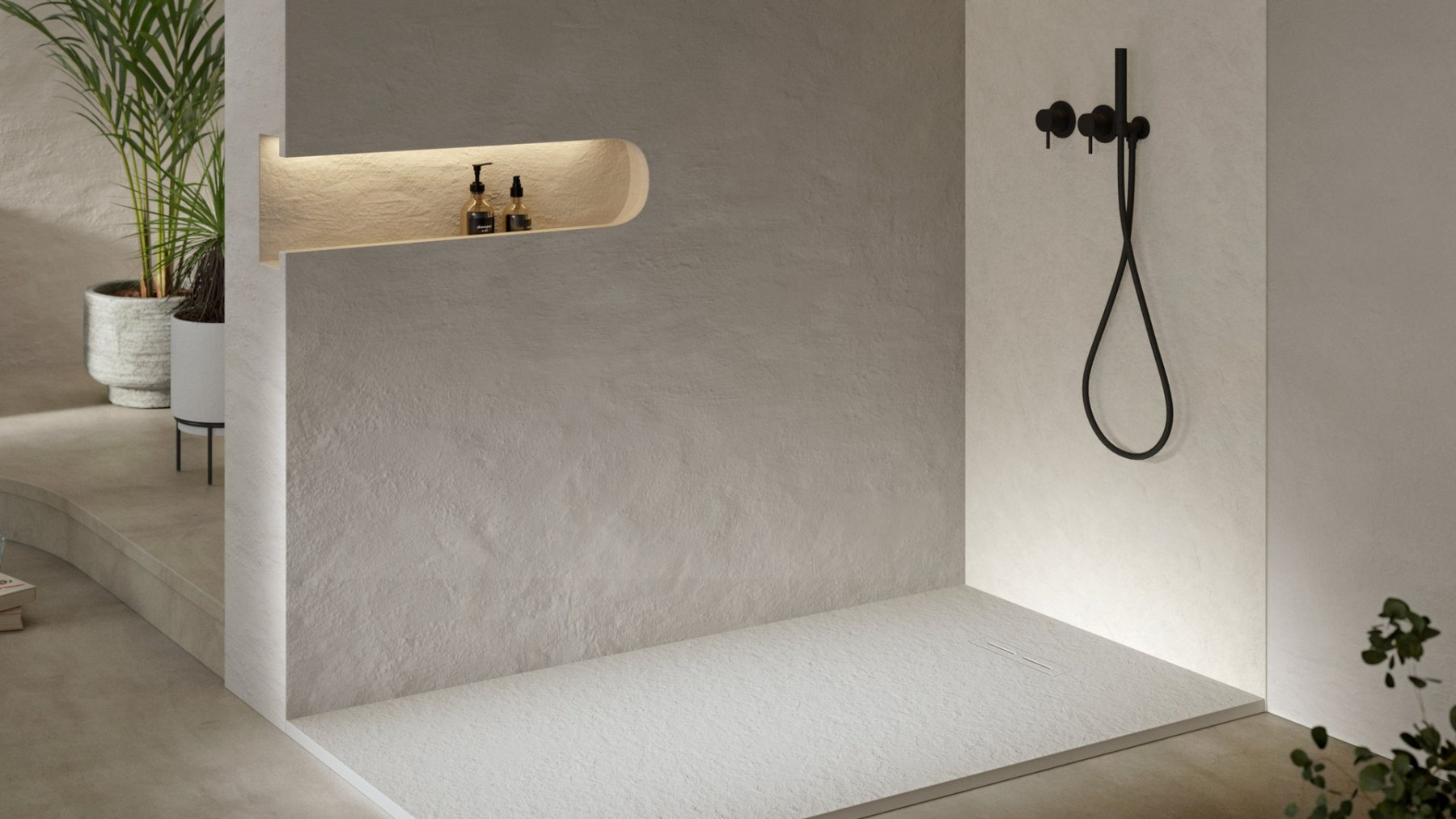
Dimensions that allow movement. The smallest comfortable enclosure is 70 by 70 centimetres, but that is a lower limit, not a target. Ergonomics is what you are actually paying for. If two people use the shower, the space has to let two people move without colliding - hence the trend for twin fittings, with thermostatic valves where each person has their own setting and nobody turns anybody else's.
The shower head as the main element. A large head gives better coverage, and the mounting height is between two and two-twenty metres from the floor. Ceiling-mounted models and a second cascade head are appearing too, but the advice worth more than all of them is more down to earth: make sure it cleans easily of limescale and does not rust, because that is the difference between a beautiful bathroom and a beautiful bathroom three years later.
The screen - invisible or a feature. Here there are two equally good schools. The first is frameless glass with discreet fittings, so the view of the materials inside is never interrupted. The second is the opposite: screens with character, in textured or smoked glass, in a black, brass or bronze finish, divided into panels resembling joinery. What does not work is something in between.
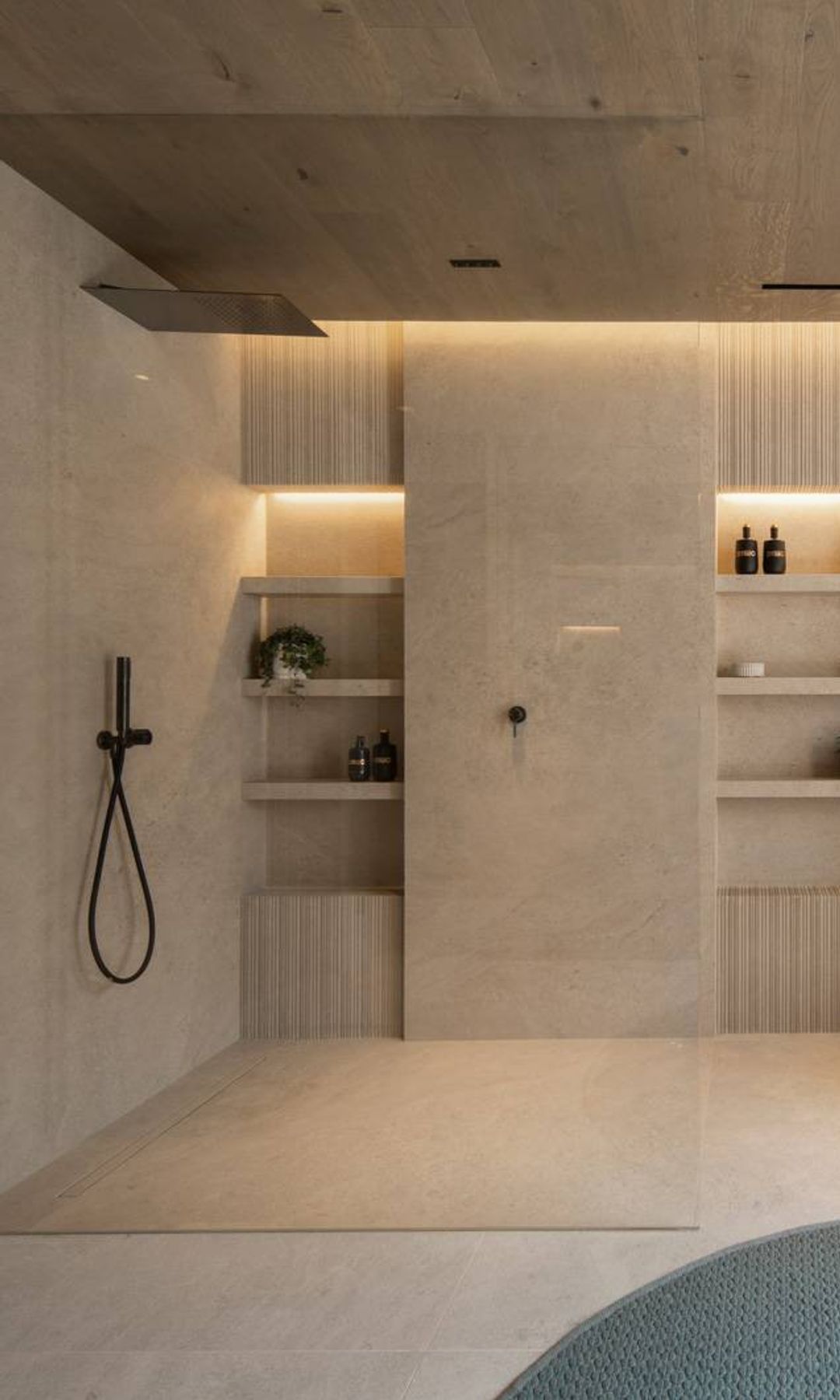
A bench and built-in storage. A bench in the shower is an item you never missed until you had one. The optimal height is 45 to 48 centimetres. Storage is solved with niches at a comfortable height, positioned away from the direct spray, with backlighting if you want the effect. Ready-made metal niches are safer for waterproofing than improvising on site.
Shower tray or continuous floor? Here aesthetics collide with safety and safety has to win. The fall towards the drain should be around 1.5 to 2 percent, linear drains elegantly resolve the space along the wall, and a floor walked on barefoot needs the appropriate anti-slip rating - under the DIN 51097 standard, class C is the highest resistance.
The things that never get photographed. The most expensive details are precisely the invisible ones: ventilation that pulls the moisture out, quiet fittings, well-sealed joinery, textiles that dry fast. Then come a towel warmer or underfloor heating beside the shower. And one figure worth having for anyone who looks at their water bill - flow restrictors hold the spray at around 9 to 9.5 litres a minute, and under the shower the difference is barely noticeable.
If one thing has to be pulled from this whole list, it is that not one of these ten steps requires the most expensive material. It requires decisions made before the first tile goes down - where the light goes, where the water goes, who will use the space. A renovation happens once every fifteen years, and its mistakes get lived with every morning.
The latest 10 news from this category
The exposed brick and ribbon windows stayed, and the entire palette came out of a single painting above the sideboard....

An Eames lounge chair from 1956, a Fratini shelving unit and a concave cobalt mirror that reflects the room curved....
Four bedrooms, four bathrooms and one rug that keeps the dining area separate without a wall. Three things in this...

She did not decorate a house - she built a world. And behind all that fantasy there is no inheritance,...
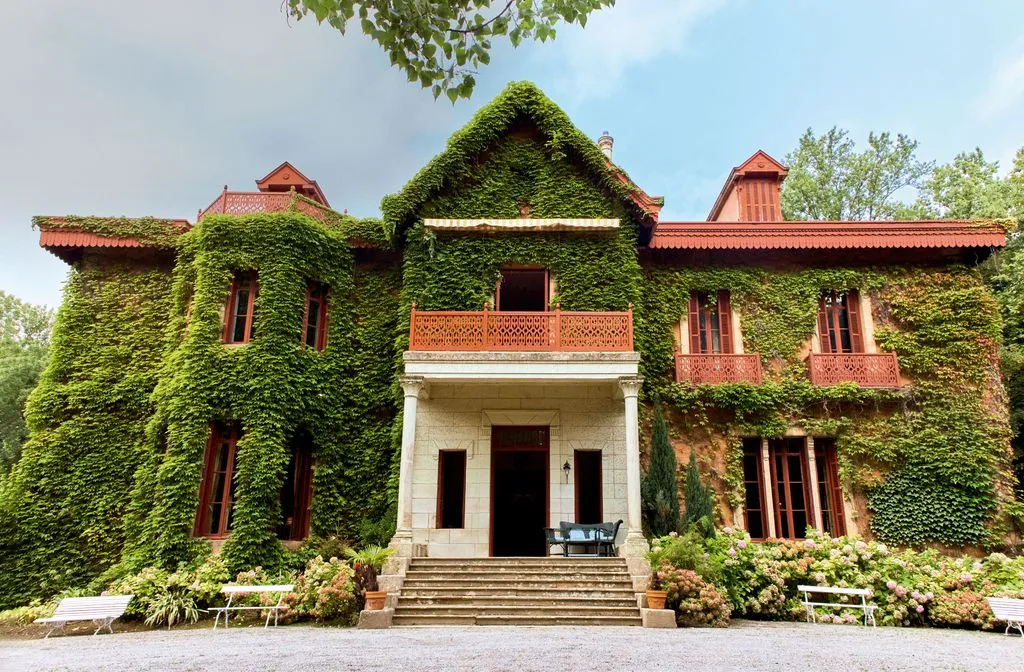
The stairwell has been turned into a gallery, and in the bedroom there is not a single attempt at an...

In the vast majority of flats the ceiling stays white because that is how it was found - not because...
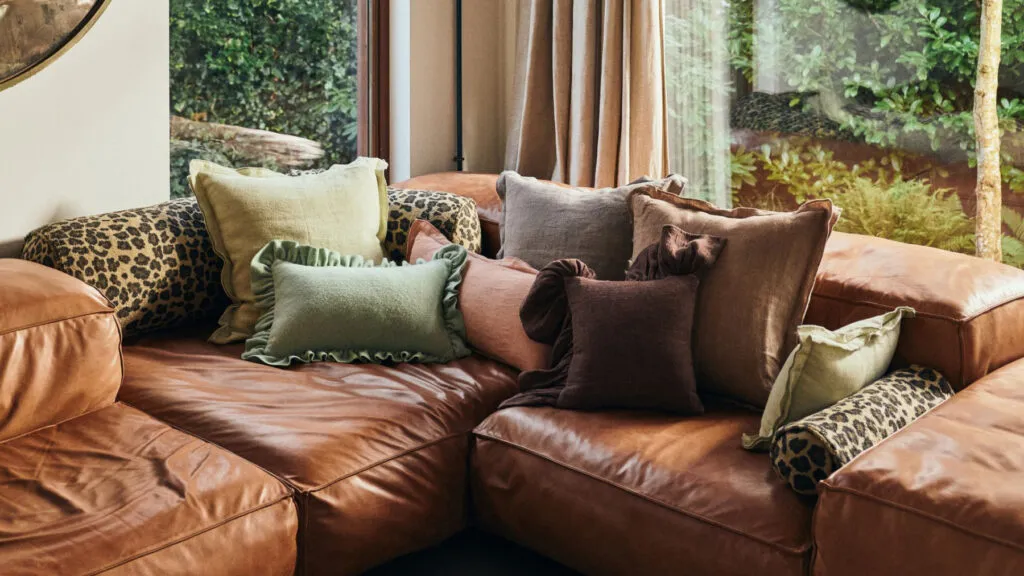
It is not hoarding and it is not maximalism. Ten things that used to be hidden when guests came and...
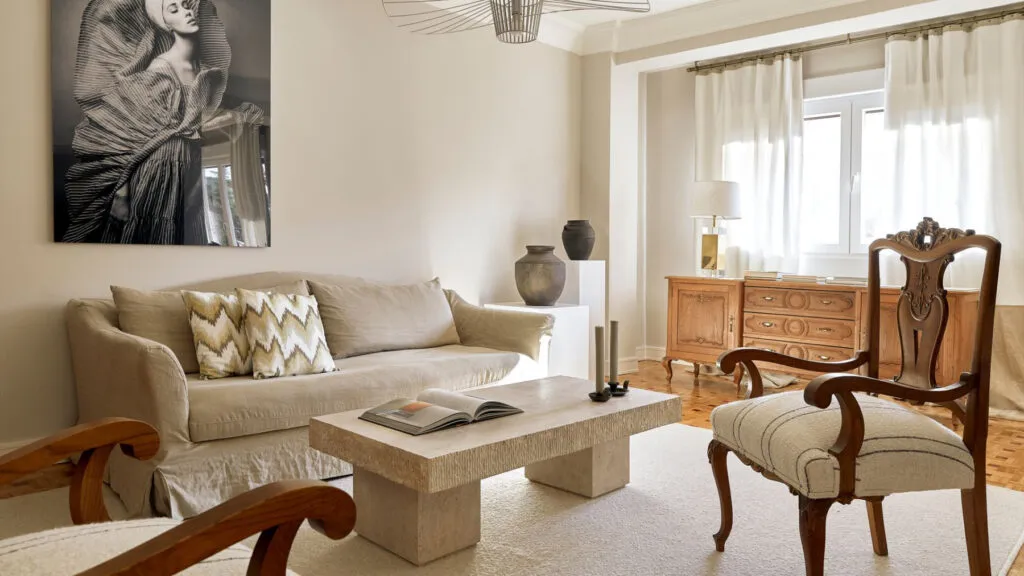
A bespoke console, reupholstered armchairs and wallpaper hung like art. The most expensive thing in the flat is the decision...
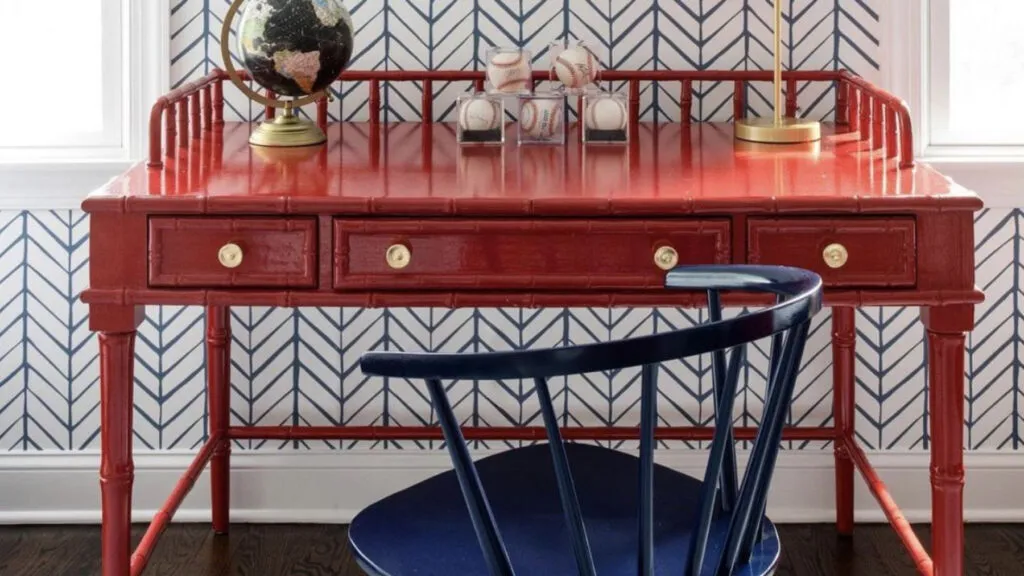
For years the rule was everything neutral and everything from the same collection. The result is a living room that...
Two doors between the living room and the bedroom. That is the whole arithmetic, and that is what you lose...
This site uses cookies - is that okay? Learn more
Be the first to know when Metla launches something new
Leave your email and we will write when there is a new guide or something new on Metla.