Three of Four Sensors Were Dead: Skopje's Vodno Cable Car Ran Fifteen Years Without a Real Service
17.09.2026


17.09.2026

17.09.2026
17.09.2026
17.09.2026
17.09.2026
17.09.2026
17.09.2026
16.09.2026
15.09.2026

17.09.2026

17.09.2026
16.09.2026
17.09.2026

17.09.2026

17.09.2026
17.09.2026

16.09.2026
15.09.2026

17.09.2026

17.09.2026

17.09.2026

17.09.2026

17.09.2026

17.09.2026

09.03.2026

27.02.2026

19.02.2026

23.04.2026

23.04.2026

12.04.2026

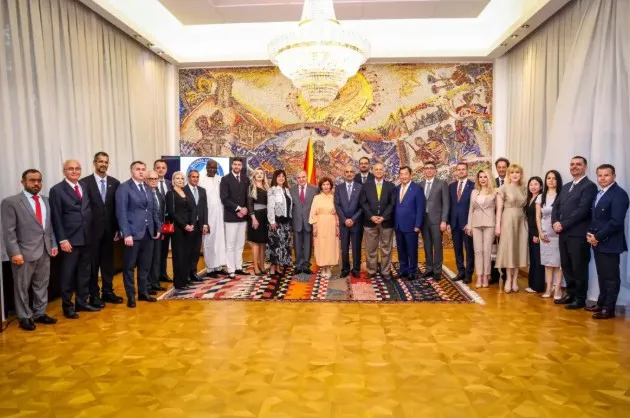
President Gordana Siljanovska-Davkova addressed the 14th plenary session of the International Parliament for Tolerance and Peace, held in the Assembly, with a message that sounds good on paper: "Tolerance is not passivity, peace is not silence. Tolerance is active respect. Peace is daily work."
She warned that the world faces the highest number of interstate conflicts since 1946 and spoke out against "the denial of identities, historical revisionism and the use of history as a tool to block the future of states." She presented Macedonia as a multicultural example where tolerance is lived experience, not imported rhetoric.
The words are right. The question, as always, is how many of them stay just words. It's easy to say that peace is daily work in a ceremonial hall full of international delegates; it's harder to see it in the daily lives of people living among those very same denied identities and historical disputes.
So the line "peace is not silence" is worth handing back to the president herself - as a question, not a criticism: if silence is not peace, then which are the topics the institutions stay silent on most often? Because active respect isn't proven at tolerance conferences, but precisely where it's most uncomfortable to speak up.
The latest 10 news from this category
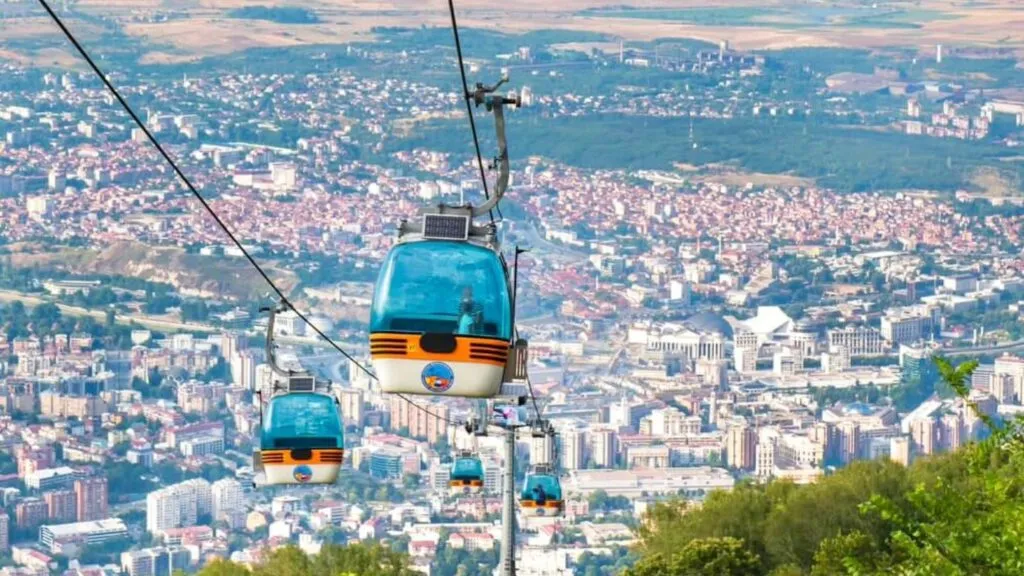
The mayor says the cable car was one step away from tragedy. The manufacturer's report found worn-out parts and dead...
One ticket for both train and bus by the middle of next year, 40 new eco-friendly buses, waits under six...
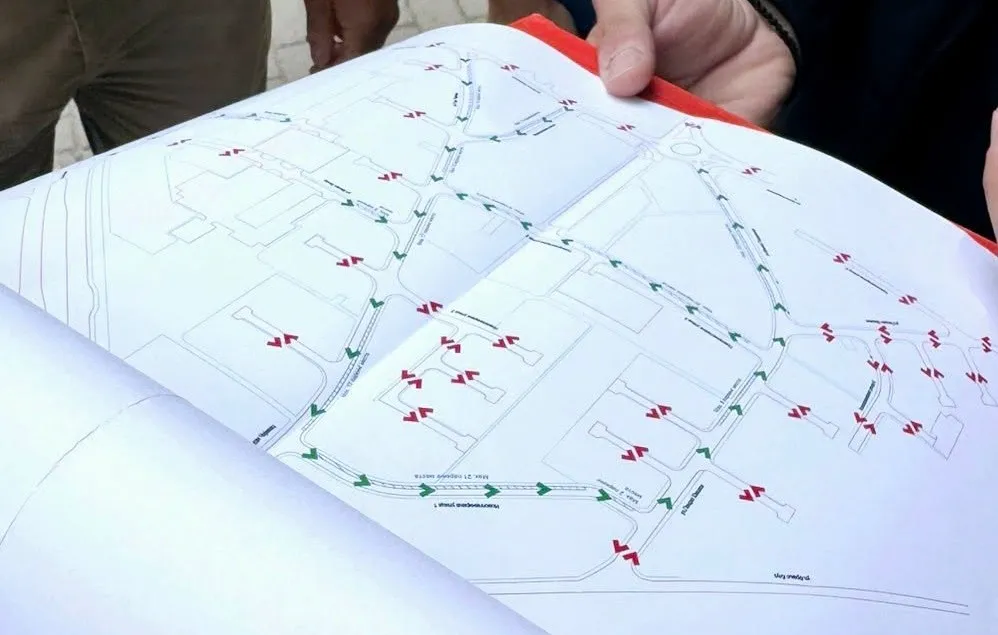
Two streets go one-way, cycle lanes appear and the speed limit drops to 30 km/h. The question nobody answered is...
The same system ran for six months and was scrapped over losses. The question facing every councillor is simple -...
Every healthy Vranec grape has been promised a buyer. Who decides what counts as healthy and in good condition is...

The World Bank dropped out over misalignment with EU requirements. Construction will take two and a half years, and the...
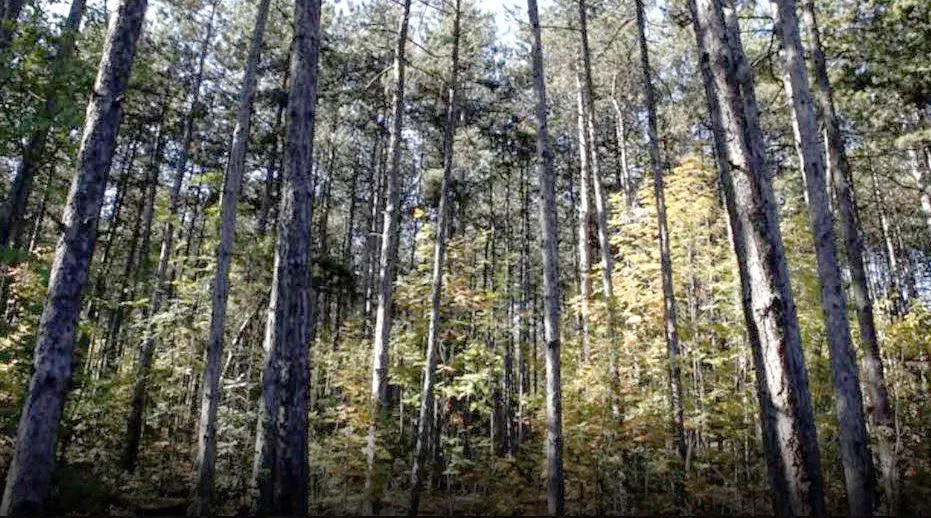
Of 9,500 square metres of greenery, 268 remain. Terrain with an 80-metre height difference, no erosion study and no opinion...
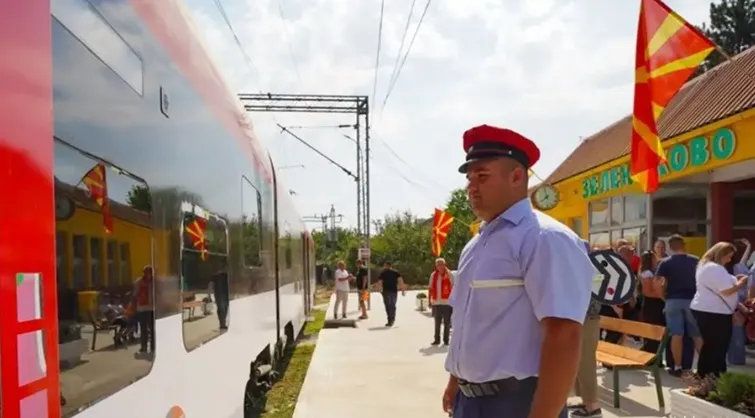
Gjorgjievski says the system should be ready by the middle of next year. The BRT tender is announced for the...
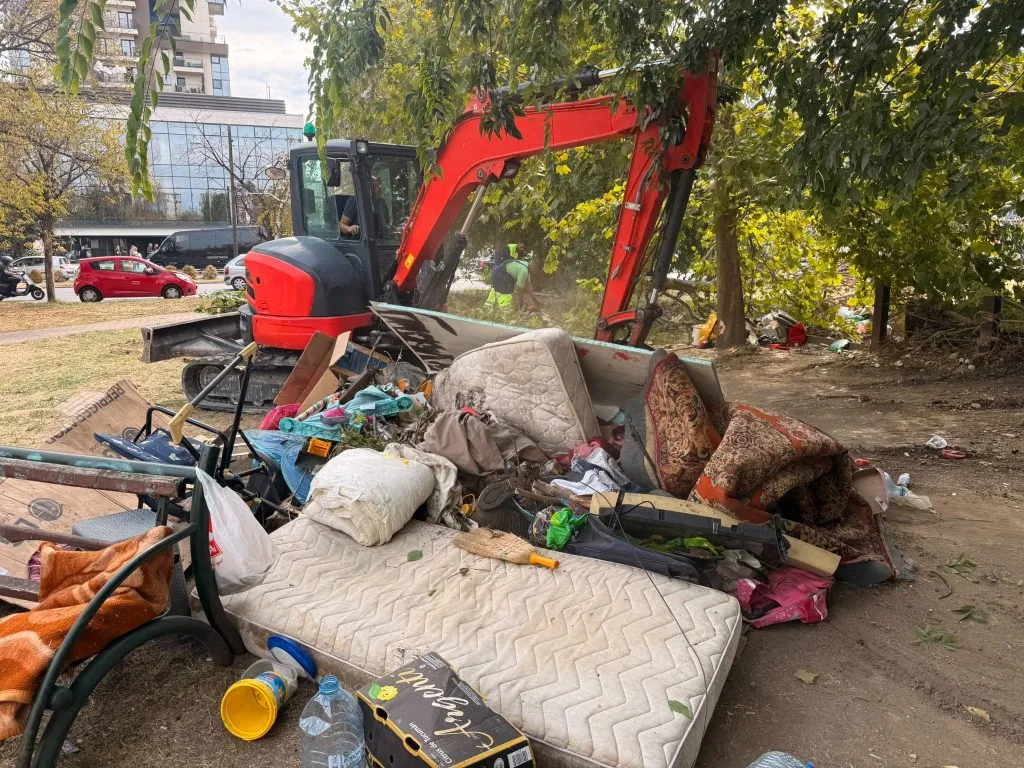
The second operation at the same site within a year. Gerasimovski himself is appealing to the Labour Ministry - because...
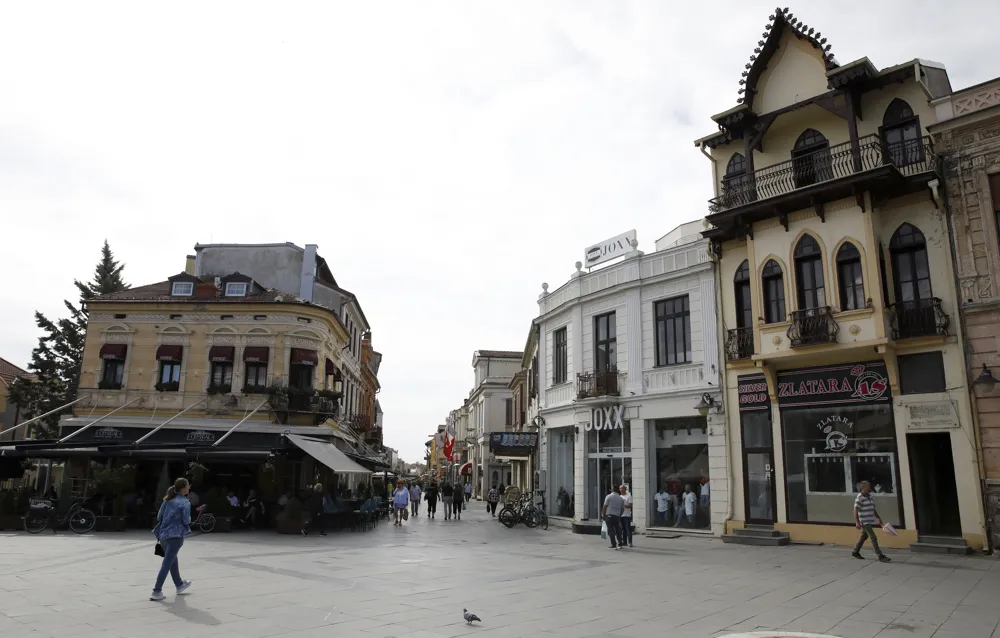
A prosumer scheme, a solar oven and electricity generated by bicycle on Magnolija square. The city that has paid the...
This site uses cookies - is that okay? Learn more
Be the first to know when Metla launches something new
Leave your email and we will write when there is a new guide or something new on Metla.