
The "Lottery" Trial: 231 Pieces of Evidence, and So Far Not a Single Message Between Grubi and Bajrami
24.09.2026


24.09.2026

24.09.2026

24.09.2026

24.09.2026

24.09.2026

24.09.2026

24.09.2026

23.09.2026

22.09.2026

24.09.2026

24.09.2026
23.09.2026

24.09.2026

24.09.2026

24.09.2026
24.09.2026
23.09.2026

22.09.2026

24.09.2026

24.09.2026

24.09.2026

24.09.2026

23.09.2026
23.09.2026

09.03.2026

27.02.2026

19.02.2026

24.09.2026
23.09.2026

22.09.2026

23.04.2026

23.04.2026

12.04.2026

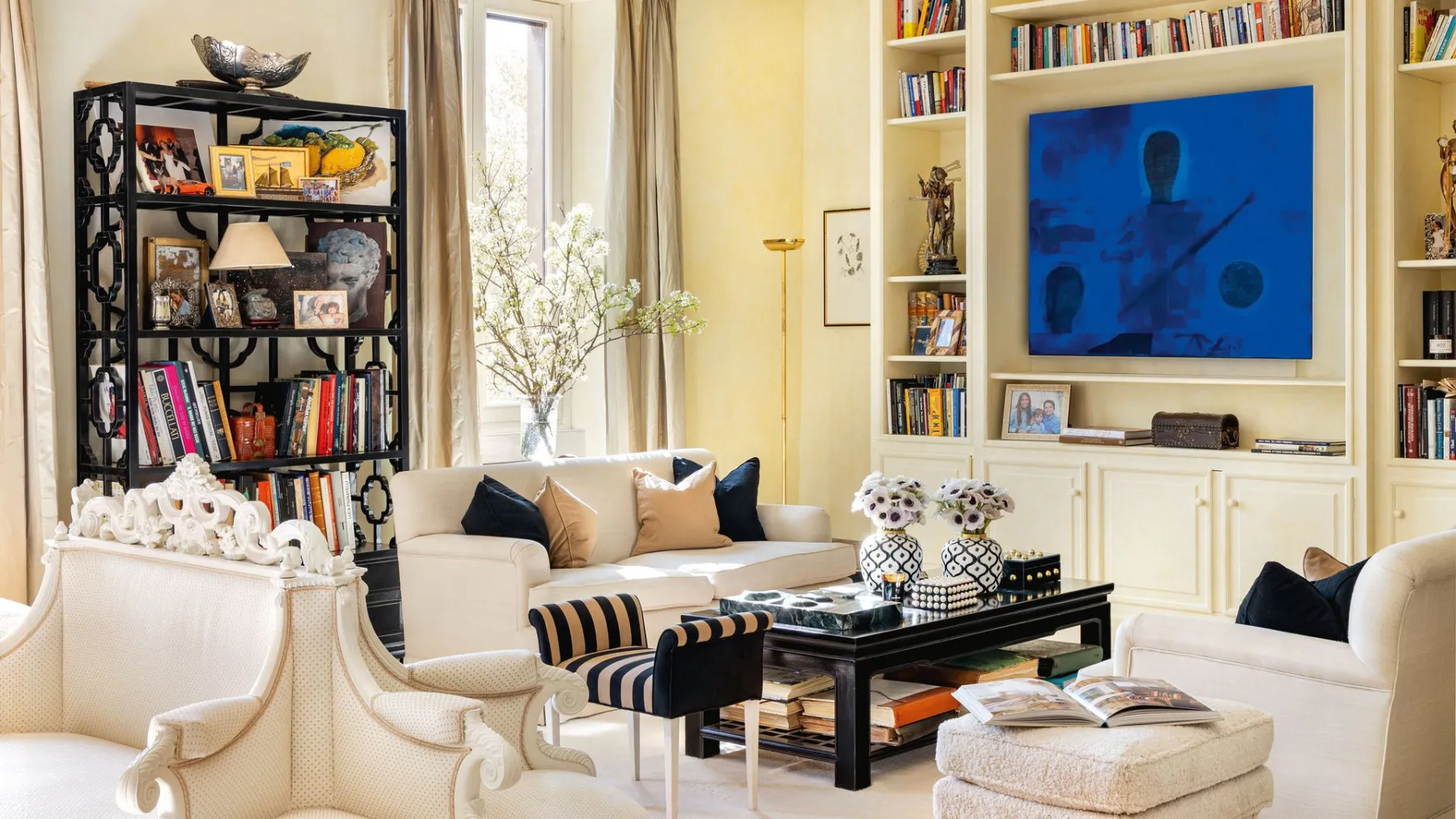
After her divorce and her return from Rome, Isabella Borromeo came back to Milan - and not to just any apartment, but to an entire floor of the historic Gothic-Lombard family palace, overlooking the Sant'Ambrogio square in the heart of the city. The home, as she puts it, is full of natural light, organic materials, comfortable sofas and artworks gathered from travels all over the world.
The story of the palace itself is unusual because it's a woman's story. "My father left me this palace, but unlike the other Borromeo palaces, he inherited it from his mother, my grandmother Ida Taverna, whom sadly I never met," Isabella recounts. The estate passed from mother to daughter for generations - a rare case in a world where inheritance, as a rule, follows the male line.
The living room is the brightest part of the home. Ivory-coloured, with windows looking straight at the basilica, it's decorated with rugs, a family sofa from the early twentieth century and two velvet sculptures embroidered by the contemporary artist Carla Tolomeo. "I love my house above all because it has so much light," says Isabella - and it shows in every photograph.
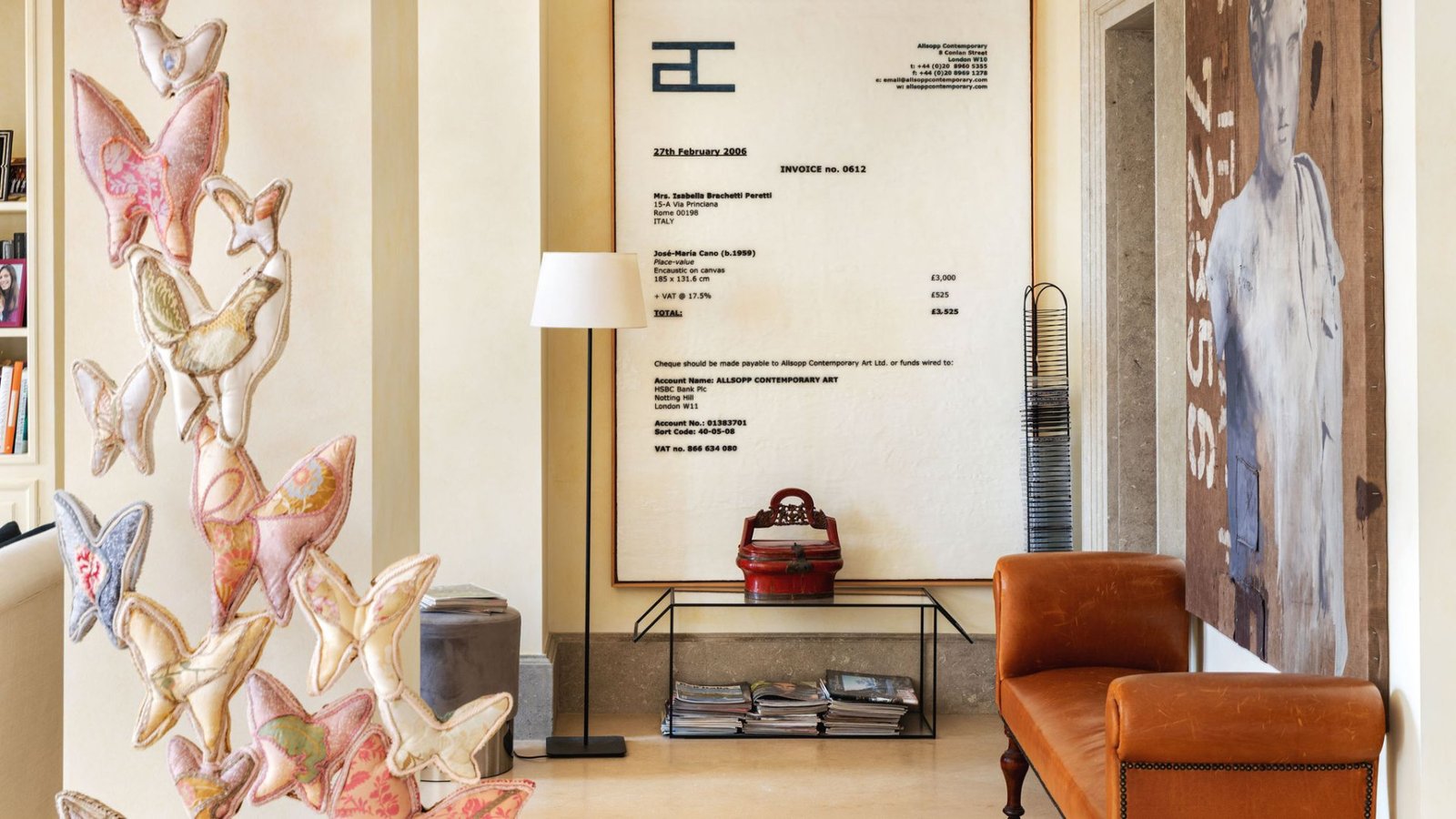
The dining room is a space for luxury without aggression - elegant cutlery, linens and white-and-gold porcelain, with a painting in Yves Klein's signature blue dominating the wall. Right by the entrance, a bench and column again signed by Carla Tolomeo, whose work threads through the whole home like a leitmotif.
The bedroom is more intimate. A French chest in black lacquer and gold holds portraits of Isabella's three children, while the whole space keeps the same philosophy of light and openness. The main bathroom, meanwhile, blends history and comfort - a built-in tub in a wooden surround and an antique Roman-style chair.
The hallways aren't just passages - they're a small gallery. Significant works hang on the walls, among them one by José María Cano, and antique Chinese objects sit on the side tables. The dramatic staircase serves as both function and architectural accent. Through every room run shelves crammed with art books, many of them brought back from the years she lived in India.
Isabella's collection isn't assembled by price, but by feeling. "Many of my paintings are works by artists who at some point in life were, or still are, my friends," she says. Among the names are Ceroli, Giovanni Sanjust, Pietro Ruffo, Tano Festa and Mimmo Paladino, and she made her first serious acquisition in New York. The home, as she describes it, is "a treasure chest - not necessarily of the most expensive things, but the ones closest to the heart."
Maybe that's exactly the point worth taking home, no matter the square footage or the budget. Isabella isn't teaching us how to live in a palace - she's reminding us that a home isn't measured by the value of what's in it, but by the stories each object carries. And stories, unlike porcelain, can't be bought.
The latest 10 news from this category
Luxury isn't about showing off, it's about detail, says the architect. That's why the best light in this flat went...
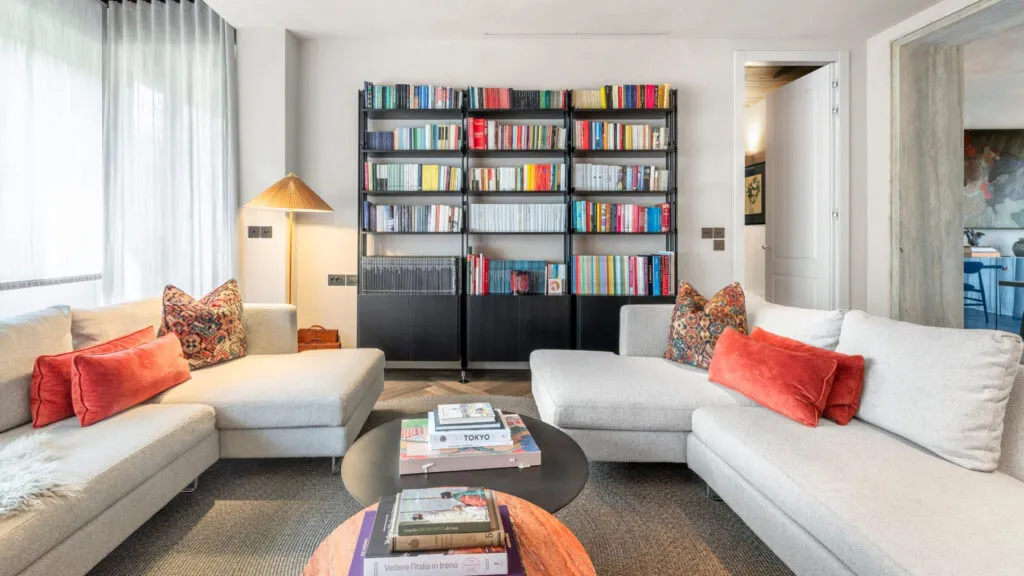
The exposed brick and ribbon windows stayed, and the entire palette came out of a single painting above the sideboard....

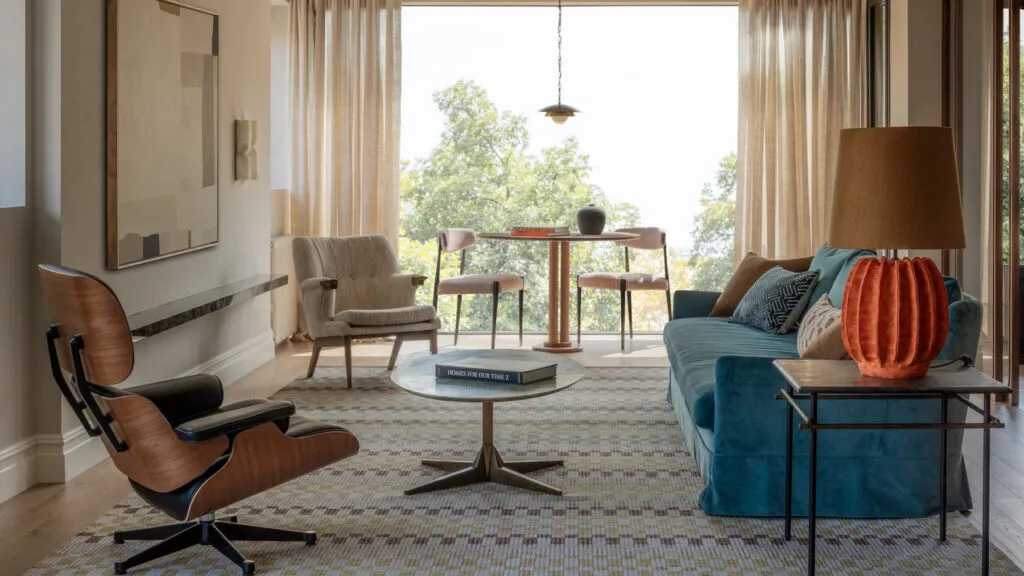
An Eames lounge chair from 1956, a Fratini shelving unit and a concave cobalt mirror that reflects the room curved....
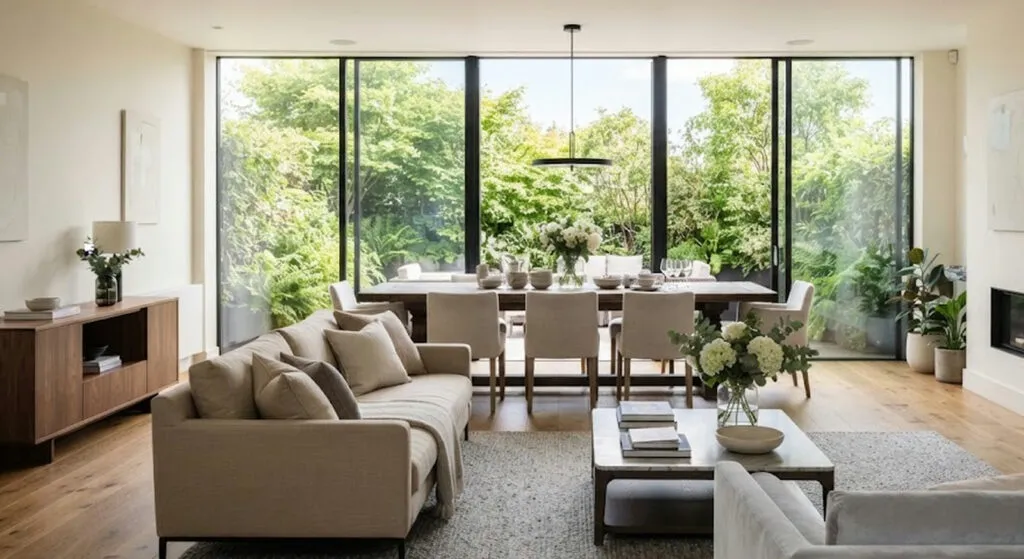
Four bedrooms, four bathrooms and one rug that keeps the dining area separate without a wall. Three things in this...
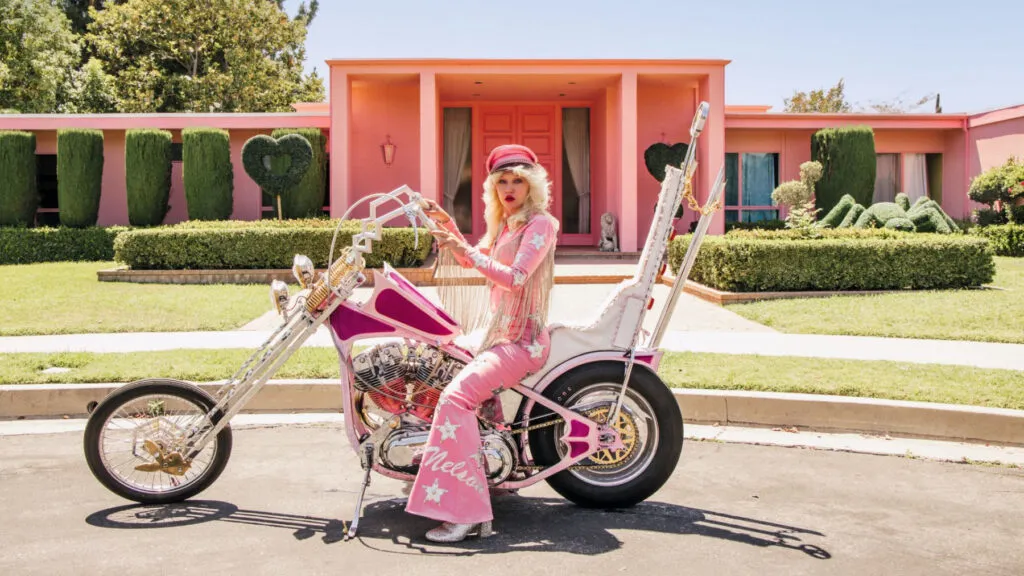
She did not decorate a house - she built a world. And behind all that fantasy there is no inheritance,...
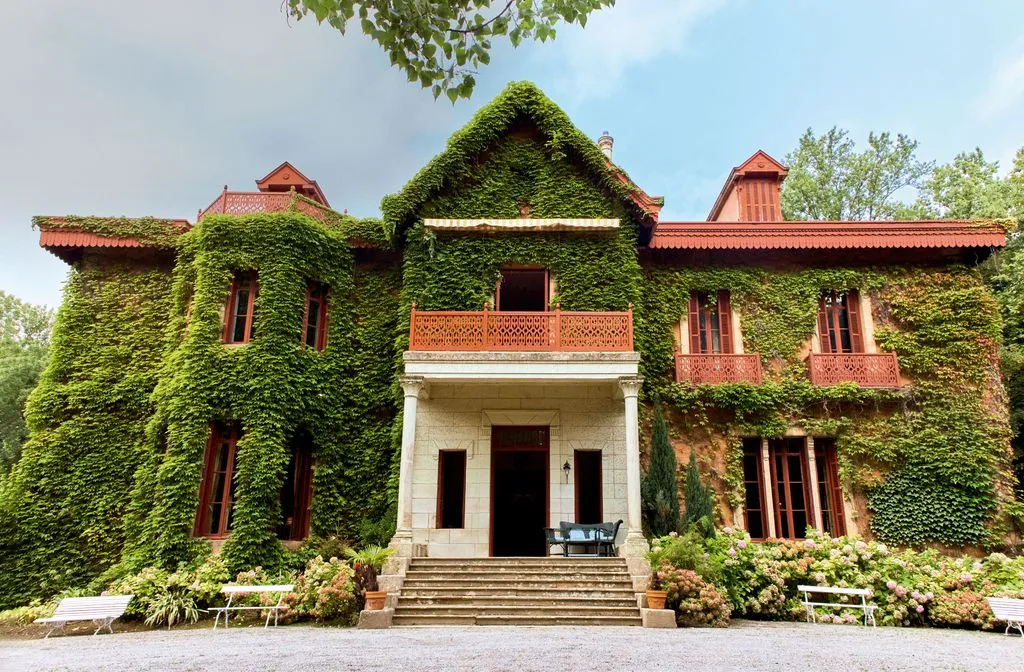
The stairwell has been turned into a gallery, and in the bedroom there is not a single attempt at an...

In the vast majority of flats the ceiling stays white because that is how it was found - not because...
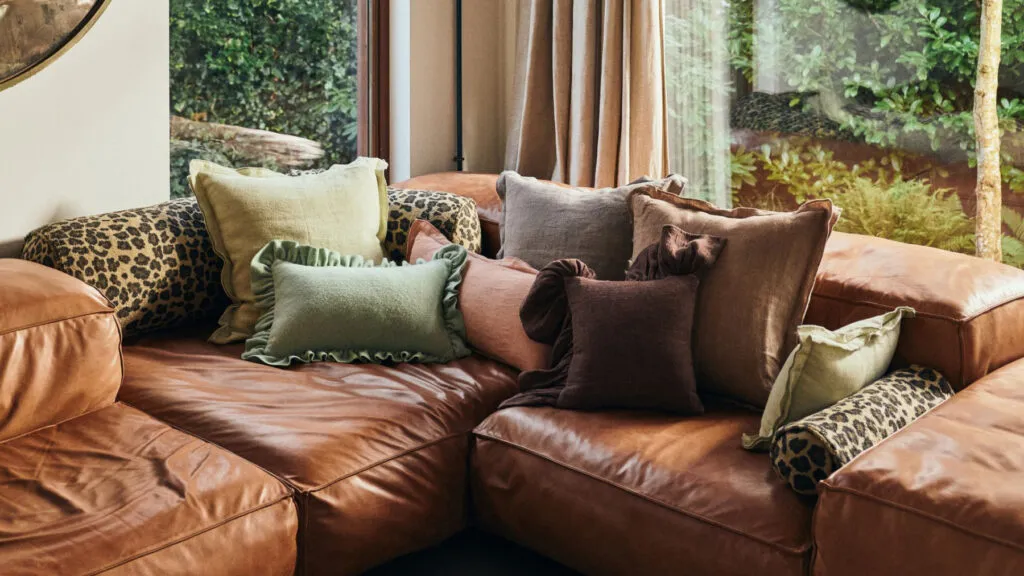
It is not hoarding and it is not maximalism. Ten things that used to be hidden when guests came and...
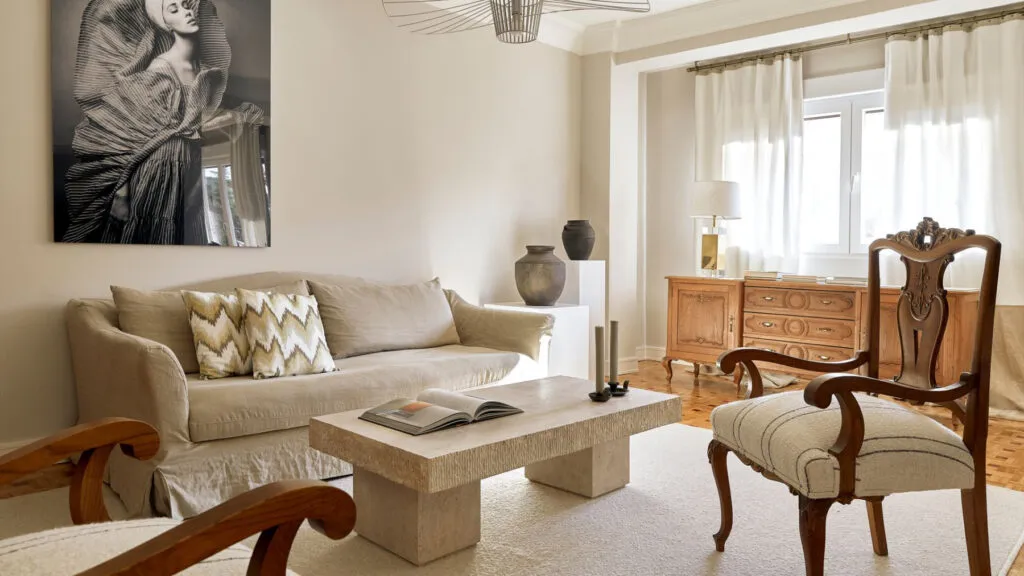
A bespoke console, reupholstered armchairs and wallpaper hung like art. The most expensive thing in the flat is the decision...
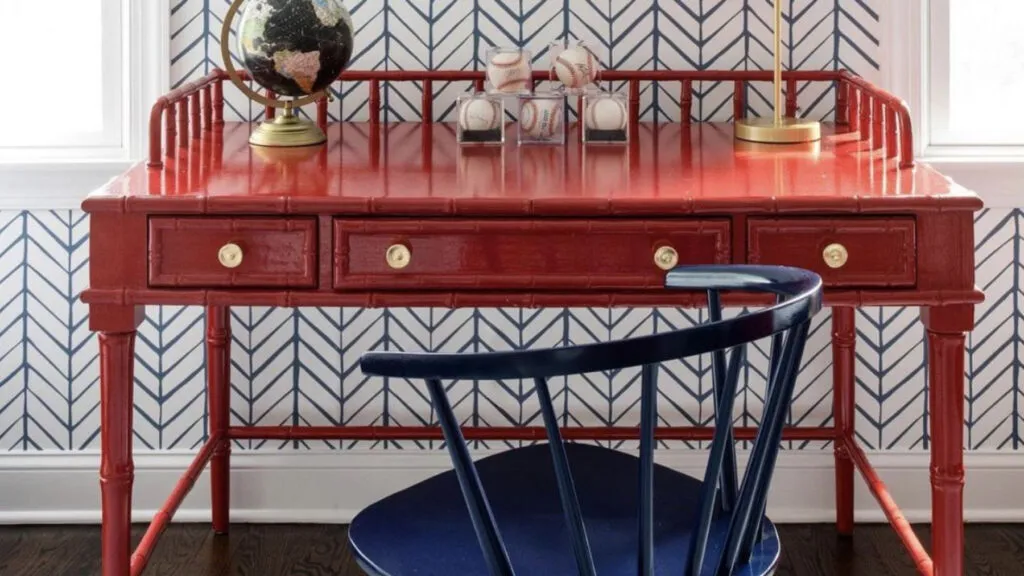
For years the rule was everything neutral and everything from the same collection. The result is a living room that...
This site uses cookies - is that okay? Learn more
Be the first to know when Metla launches something new
Leave your email and we will write when there is a new guide or something new on Metla.