
Gjorgjievski Opens Field Meetings in Kisela Voda - Close to the People Six Months In, a Test of Whether Promises Will Be Kept
28.05.2026


28.05.2026

28.05.2026
28.05.2026
28.05.2026

28.05.2026
28.05.2026

28.05.2026

27.05.2026
26.05.2026

28.05.2026

28.05.2026
27.05.2026

28.05.2026

28.05.2026

28.05.2026

28.05.2026

27.05.2026

26.05.2026

28.05.2026

28.05.2026

27.05.2026

09.03.2026

27.02.2026

19.02.2026

14.04.2026

07.11.2025
07.11.2025

23.04.2026

23.04.2026

12.04.2026
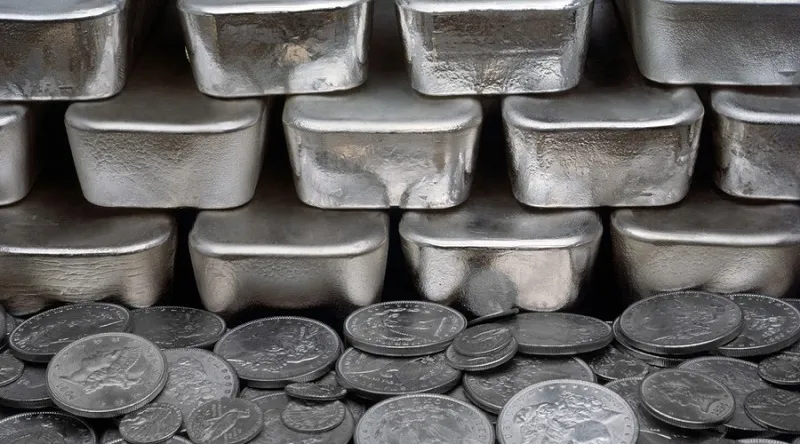
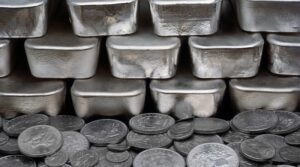
Silver is crashing. After an unprecedented 140 percent rally in 2025 and a peak of $120 per ounce on 28 January 2026, the metal lost 30 percent in a single day. That is one of the steepest single-day drops of recent years. Current price sits around $72.13 per ounce - roughly 40 percent below the peak.
Why is this happening? Not one reason but a synergy of three. First - collapsing demand on the back of high prices. Silver is used in electronics, mobile phones, solar panels, the automotive industry - and every one of those sectors started looking for alternatives or trimming usage once the price crossed $100. That is the textbook economic response: high prices kill demand.
Second - silver has no strategic anchor the way gold does. Central banks buy gold as a reserve asset; they do not buy silver. When gold rallies, the price is propped up by institutional buyers. Silver depends on private investors and industrial demand - and that makes it far more sensitive to economic swings.
Third - forecasts from the big banks are bearish. UBS and HSBC argue the current price is "fundamentally overvalued" and that the gold-to-silver ratio is set to widen - meaning silver could keep falling even if gold rises. For small investors across the Balkans who have been buying silver coins over the past few months (treating silver as the "cheaper entry" into precious metals), the message is blunt: if you bought above $90, you are in for more than a year of waiting just to break even. Discipline or a quick exit - that is the choice.
The latest 10 news from this category
EU average of 35.9 hours in 2025. Farmers work 42 hours, basic occupations 31.8. And why German partners expect 45...
Starting price under $60,000, target 25,000 units by year-end. If the R2 misses, Rivian runs out of capital and out...
A startup that argues fusion is not a physics problem but an engineering one. Demonstration reactor by 2030, commercial by...
Ad growth is running out. With 3.5 billion users, Meta is switching from width to depth - charging the people...
Spain, France, Italy, the Netherlands and Lithuania together. Berlin - no. The question for the Balkans is whether it will...
100 employees out of a job, 40 branches closed. The debts remain - but who exactly is going to collect...
Makedonija Turist is selling for a new 17.7 million euro investment. The question - what happens to the protected cultural...
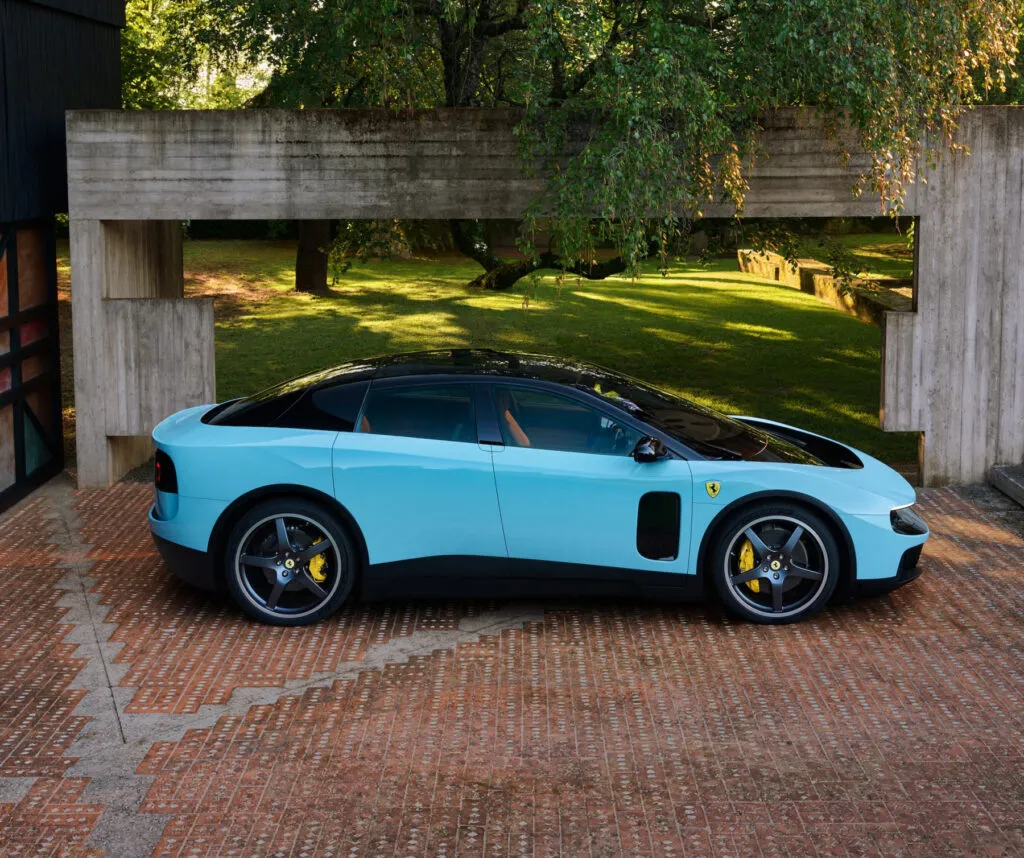
Current Ferrari drivers won't buy it. Regulators will accept it. The question is whether Beijing will love it.
While everyone invests in machines, a Milan company is betting on the loneliness of millennials and Gen Z.

The small private alternative is finally growing - not because it changed, but because Google did.