
Gjorgjievski Opens Field Meetings in Kisela Voda - Close to the People Six Months In, a Test of Whether Promises Will Be Kept
28.05.2026


28.05.2026

28.05.2026
28.05.2026
28.05.2026
28.05.2026

28.05.2026

28.05.2026
27.05.2026
26.05.2026

28.05.2026

28.05.2026

27.05.2026

28.05.2026

28.05.2026

28.05.2026

28.05.2026

27.05.2026

26.05.2026

28.05.2026

28.05.2026

27.05.2026

09.03.2026

27.02.2026

19.02.2026

14.04.2026

07.11.2025
07.11.2025

23.04.2026

23.04.2026

12.04.2026

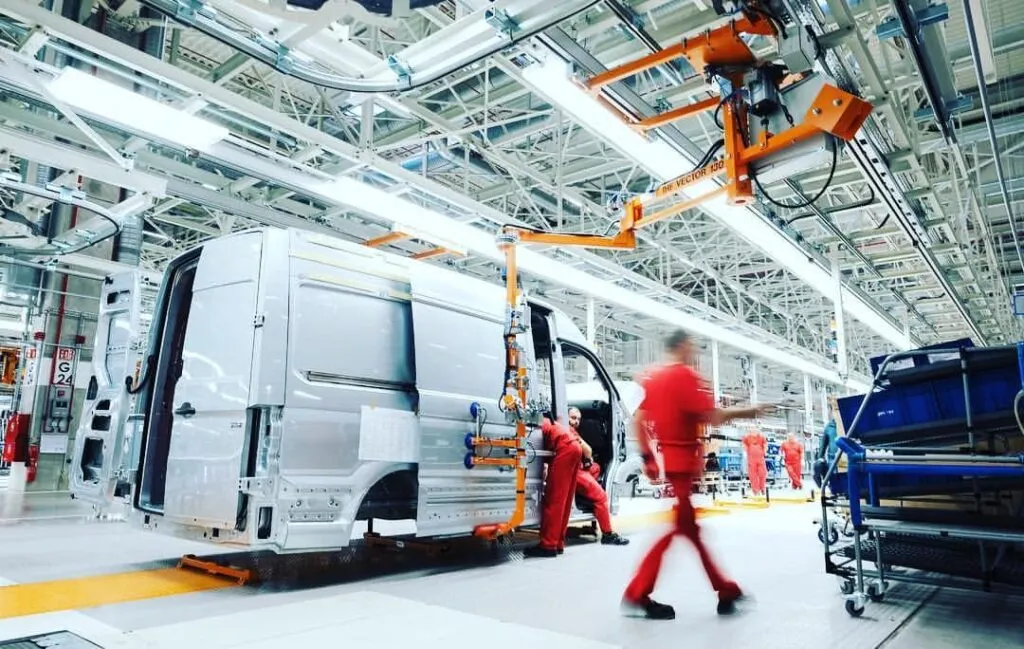
Europeans work one hour less per week than they did ten years ago - 35.9 hours on average in 2025, compared to 36.9 hours in 2015. The figure comes from the latest Eurostat analysis and points to a quiet but systemic shift in European working time. It is not a revolution - but it is no accident either.
Which countries work the most? Greece is at the top with 39.6 hours a week, followed by Bulgaria and Poland at 38.7 hours each, and Lithuania at 38.4. On the opposite end - the Netherlands at just 31.9 hours, followed by Denmark and Germany (33.9 each) and Austria (34). The gap between top and bottom is nearly 8 hours - basically a full shift.
By occupation: farmers and foresters work the longest (around 42 hours), while workers in elementary occupations clock in the shortest (31.8 hours). That is labour market reality - not what is "fair", but where the hours pile up and where they do not. The classic 40-hour week is becoming statistical history.
For the Balkans, and Macedonia in particular (not in the EU but with an economy that breathes through the northern market), this shift has a concrete meaning. German and Austrian partners now have employees doing 34 hours a week - while Macedonian subcontractors are expected to meet the same deadlines on 8-hour days (or 45+). The imbalance is not just cultural. It is also why the Balkans remain "cheap labour" - not only in wages but in the sheer volume of work expected.
The latest 10 news from this category
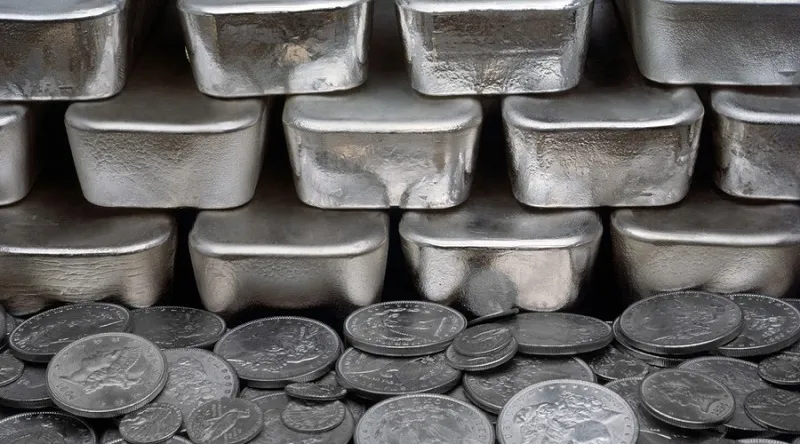
High prices kill demand. Silver lacks gold's strategic anchor. UBS and HSBC: fundamentally overvalued - the gold-to-silver ratio is set...
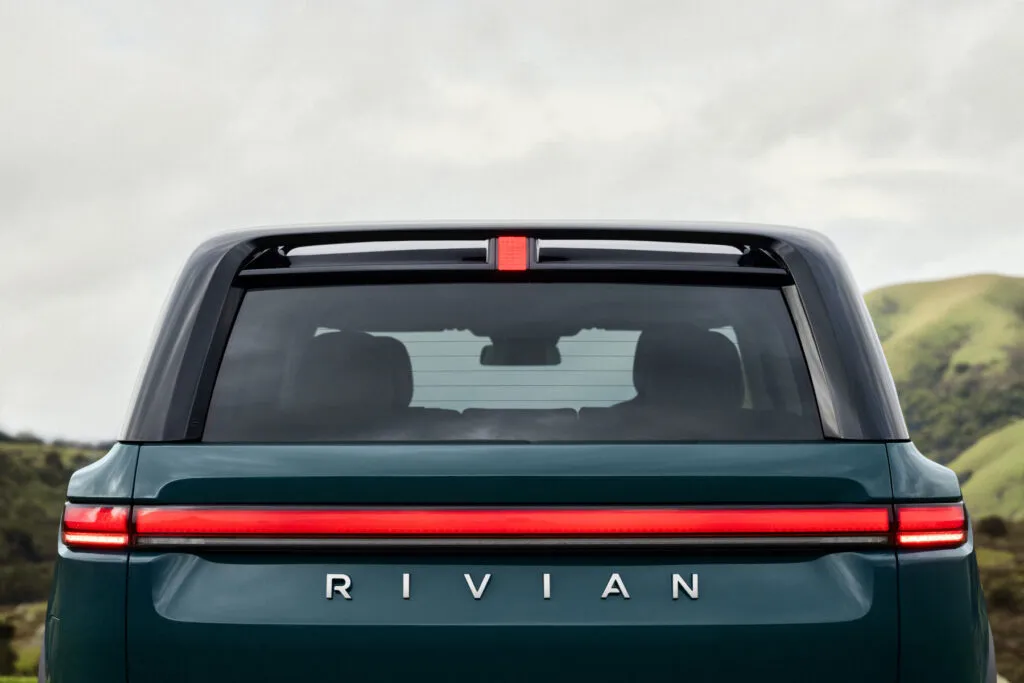
Starting price under $60,000, target 25,000 units by year-end. If the R2 misses, Rivian runs out of capital and out...
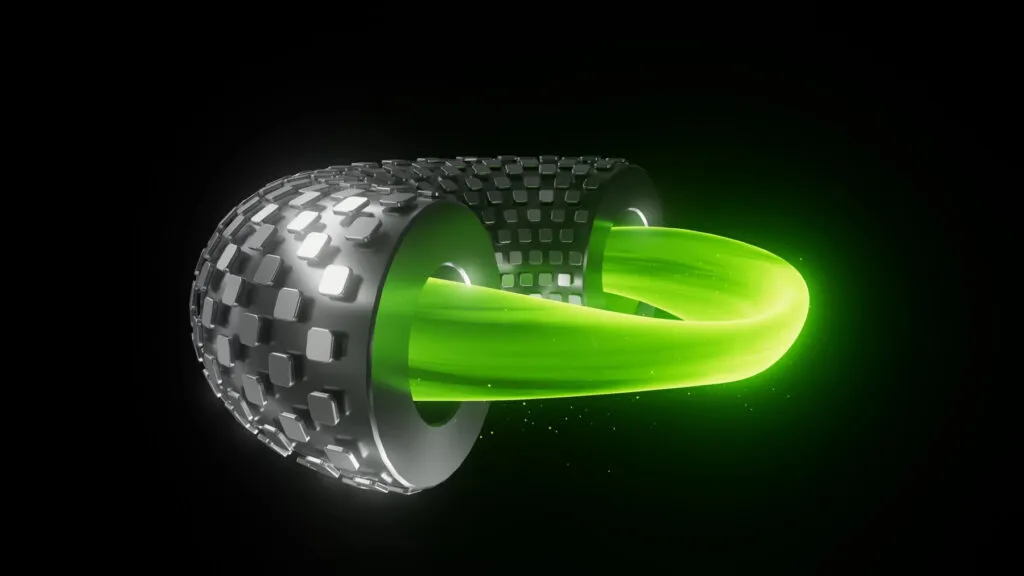
A startup that argues fusion is not a physics problem but an engineering one. Demonstration reactor by 2030, commercial by...

Ad growth is running out. With 3.5 billion users, Meta is switching from width to depth - charging the people...

Spain, France, Italy, the Netherlands and Lithuania together. Berlin - no. The question for the Balkans is whether it will...
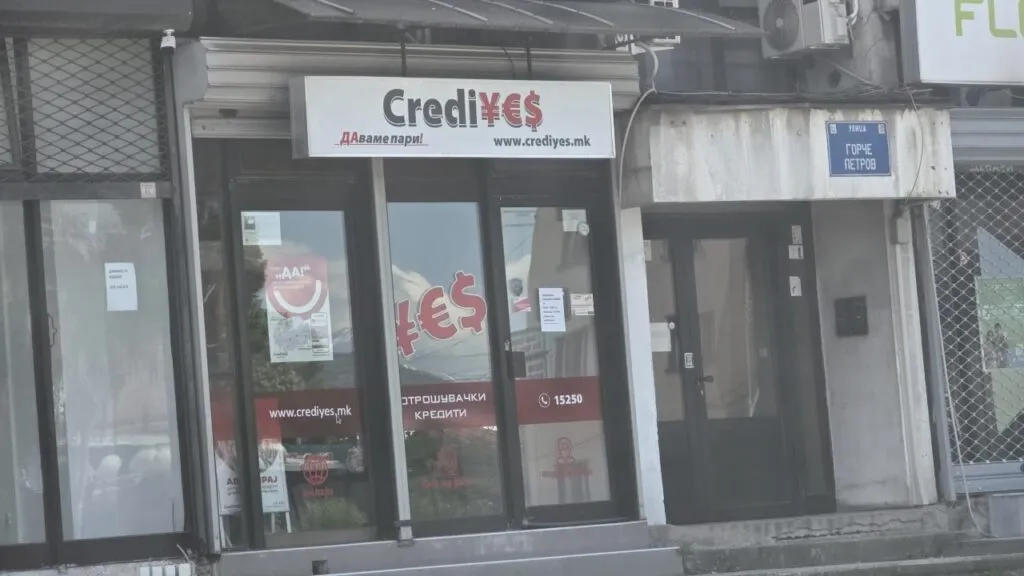
100 employees out of a job, 40 branches closed. The debts remain - but who exactly is going to collect...
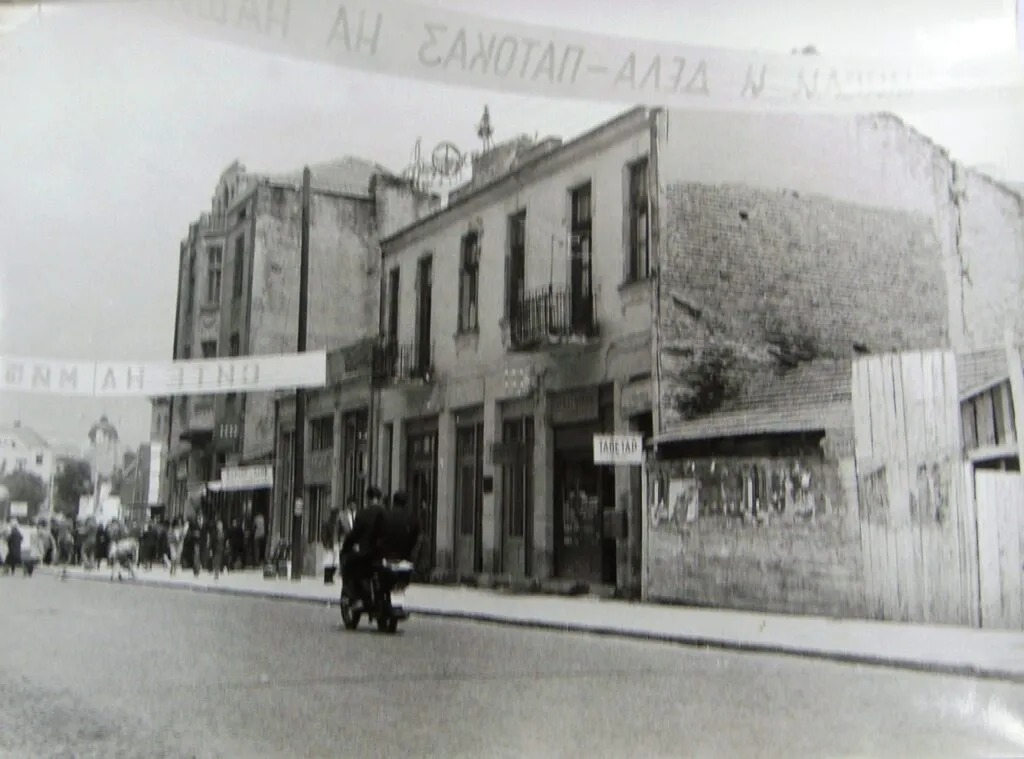
Makedonija Turist is selling for a new 17.7 million euro investment. The question - what happens to the protected cultural...
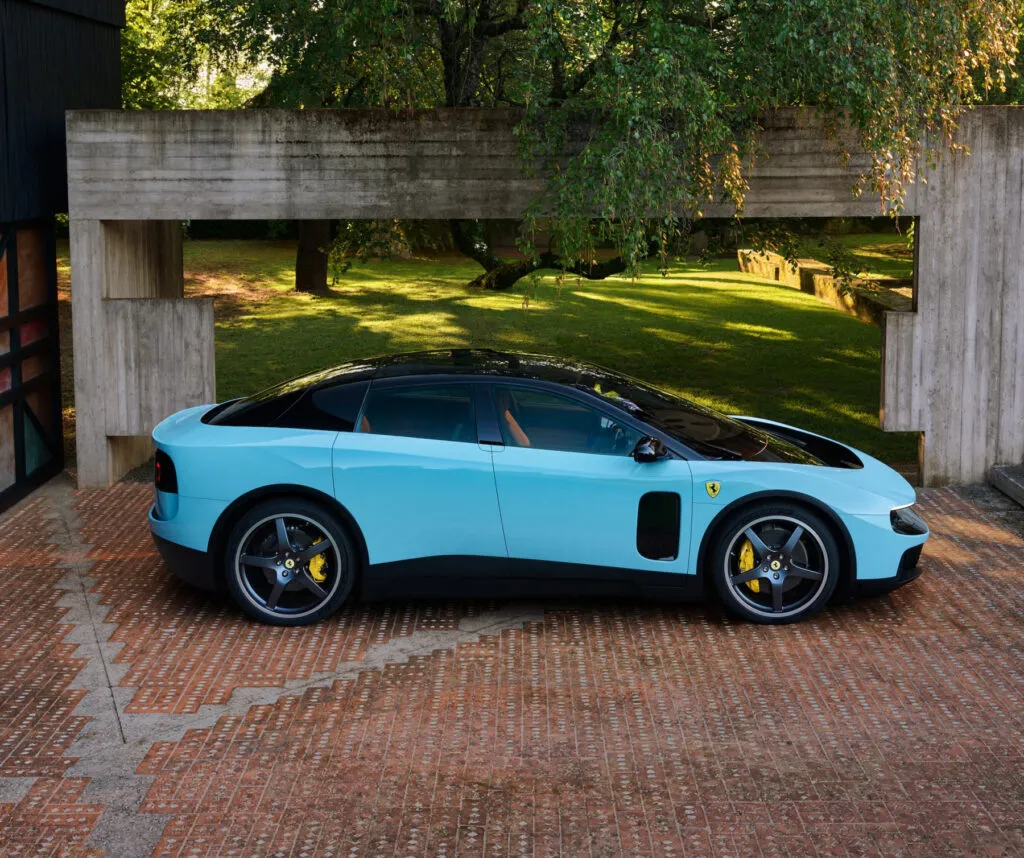
Current Ferrari drivers won't buy it. Regulators will accept it. The question is whether Beijing will love it.

While everyone invests in machines, a Milan company is betting on the loneliness of millennials and Gen Z.

The small private alternative is finally growing - not because it changed, but because Google did.