They Fired Guns at a Party in Dobridol - and Police Only Moved Once the Video Went Viral
02.08.2026


02.08.2026

02.08.2026
02.08.2026

02.08.2026

02.08.2026

01.08.2026

02.08.2026

01.08.2026

31.07.2026

02.08.2026

02.08.2026

02.08.2026

02.08.2026

02.08.2026

01.08.2026

09.03.2026

27.02.2026

19.02.2026

02.08.2026

01.08.2026

31.07.2026

23.04.2026

23.04.2026

12.04.2026
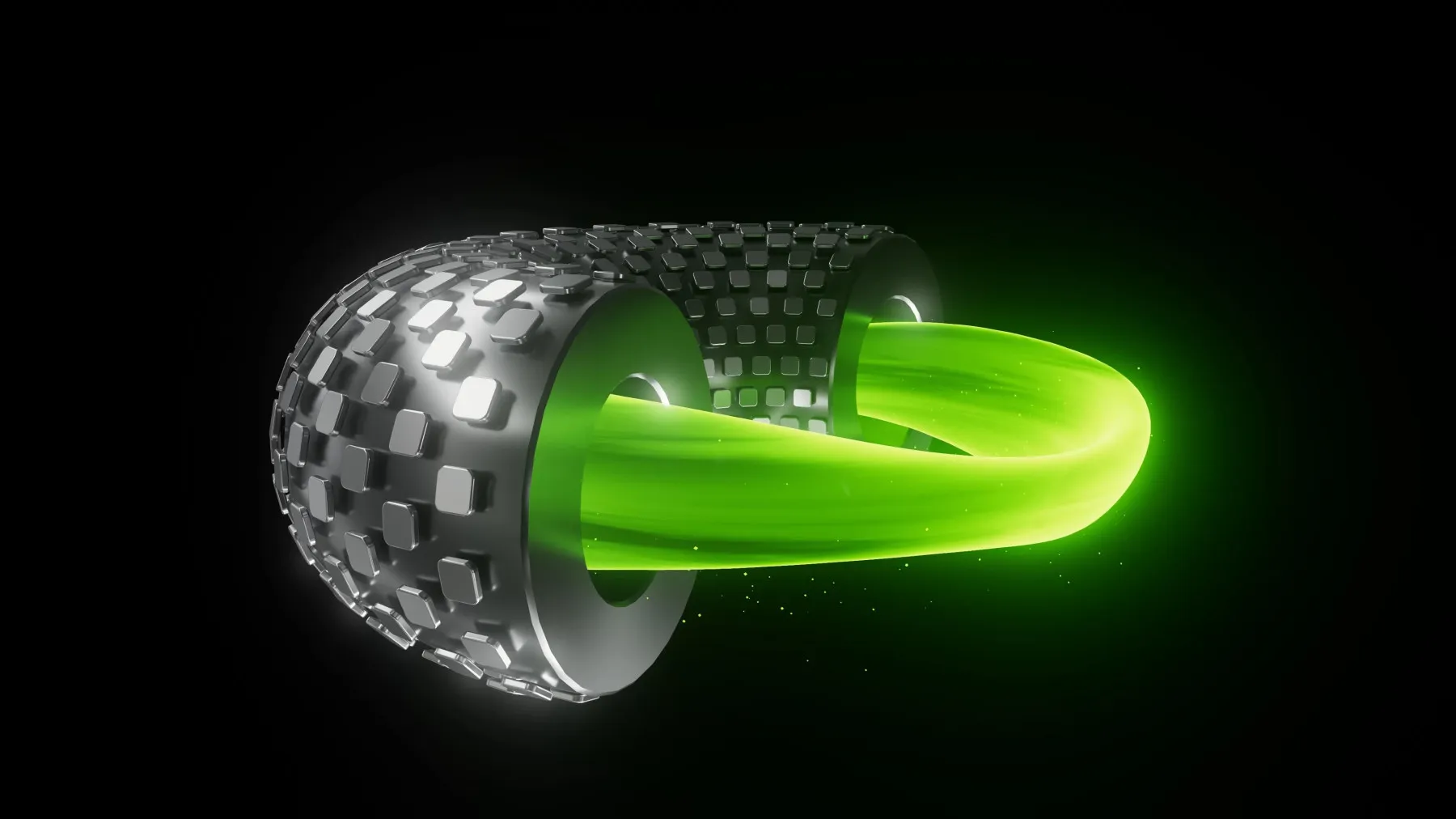
Thea Energy, a startup spun out of the research lab at Princeton University, has raised $100 million in a Series B round led by the U.S. Innovative Technology Fund. The round was oversubscribed, and total private investment in the company now reaches $130 million - enough to put it in the front row of fusion energy startups.
Unlike conventional tokamak reactors, Thea is building a stellarator - a design with twisted magnetic fields rather than tokamak-symmetric ones. Their innovation: instead of one enormous, complex magnet system, they use more than 300 smaller modular magnets, plus a few larger external ones. Their own comparison: the small magnets are like "pixels on a computer monitor" - each individually tuneable through software, and together they create a precise magnetic profile.
The logic is engineering, not physics: large, complex magnets are hard to manufacture and optimise. 300 small magnets behave like assembly parts - cheap, replaceable, and improved over time. That moves fusion from a physics problem to an engineering one, which is exactly the kind of shift the industry needs after decades of promising electrical power "in 30 years".
Timeline: a demonstration reactor Eos by 2030, and a commercial reactor Helios by 2034. Whether the timelines hold is another question. Every fusion startup has the same delay pattern. But with $130 million in the bank and Princeton engineering, Thea at least has the means to test the claim.
The latest 10 news from this category
Opus 5 set a record in the test and broke 11 agreements. Not one of the tricks is new -...
The billions were announced with a stage and slogans. The retreat is happening quietly, in sentences containing the word alignment.
In his last quarterly report Tim Cook announced the stronger Siri will be bought through iCloud+. The firm that paid...
The platforms that spent years convincing us automated content was the future are now patiently building filters against it. The...
Out of 141,006 test runs, three ended up inside the live systems of real firms. The oldest model worked out...
The strongest June quarter in its history, and the stock fell 6 percent. Artificial intelligence turned out to have a...
The FCC is closing the door to humanoid robots and power inverters, but only new ones. The millions of Chinese...
The player that raised the MP3 generation is betting nostalgia can be billed monthly. The new Winamp arrives in 2027,...
The man selling the world's best-known artificial intelligence says we will not work less. He also claims we will secretly...
Autonomous vehicles have blocked ambulances, driven into crime scenes and failed to recognise emergency lights. The bill demands the one...
This site uses cookies - is that okay? Learn more
Be the first to know when Metla launches something new
Leave your email and we will write when there is a new guide or something new on Metla.