
Sixteen Arrests in Twenty-Four Hours, All for Drugs: The Police Are Working - But Where Are All These People Coming From?
20.09.2026


20.09.2026

20.09.2026

20.09.2026

20.09.2026

20.09.2026

20.09.2026

20.09.2026

20.09.2026

20.09.2026

20.09.2026

20.09.2026

19.09.2026

20.09.2026

20.09.2026

20.09.2026

20.09.2026

19.09.2026

18.09.2026

20.09.2026

20.09.2026

20.09.2026

20.09.2026

20.09.2026

20.09.2026

09.03.2026

27.02.2026

19.02.2026

20.09.2026

19.09.2026

18.09.2026

23.04.2026

23.04.2026

12.04.2026


While a huge slice of the tech industry pours billions into AI and virtual reality, a Milan company has raised 58 million dollars on the opposite axis - helping people meet in the real world. WeRoad, an Italian start-up for group travel for young people, closed its Series C led by Airbnb, bringing its total raised capital to around 100 million dollars.
The money is going to its first major push outside Europe. First destination - Austin, Texas. Not New York, not San Francisco - Austin, probably because the city already has a reputation for communal living and a young-professional culture. WeRoad will start the push with local meetups through its secondary app WeMeet, which in 2025 gathered 50,000 participants across 35 cities and reached 150,000 downloads.
The logic of the investment is strange for this era: the loss of social connection, especially among millennials and Gen Z, has become both a public-health issue and a business opportunity. Companies like Timeleft, 222 and Pie are already working in parallel in the same sector - dinners, clubs, events, communities. It's called the IRL economy (in-real-life economy), and investors clearly think the demand is there.
WeRoad's concept is simple: groups of 8 to 15 travellers, almost all of similar age, grouped around a shared theme (beach, skiing, adventure). Before departure, everyone is added to a WhatsApp group. Activities requiring cooperation are scheduled on the first day to „break the ice." Average trip length 10-12 days. And - 60% of travellers book another trip after the first.
The financial numbers are the real argument. WeRoad in 2025 booked revenues of 130 million euros, growth of 30% on the year before. In that year they hosted more than 100,000 travellers. Since launching in 2017, the company says it has 300,000 clients and over 1,000 different trips in its catalogue.
The question is whether this business logic can scale outside Europe. The Balkans, dealing with a very similar experience („none of my friends have time"), still doesn't have a platform at this scale. WeRoad probably won't come to Skopje soon - they're looking at American cities like Austin. But the signal is clear: the market for experiences that require shared presence is growing, and it's not a private matter of Silicon Valley.
The latest 10 news from this category

Porsche, Alaska Airlines and J.B. Hunt are not buying startups - they are commissioning them. When innovation moves inside the...

Sold for two billion, blocked by the state, bought back by its own investors - and now worth twice as...

An eight-year-old firm that started out mining crypto has tripled its value in ten months. It did not discover anything...

The price of uranium has jumped 75 percent in five years, and the list of countries that mine it reads...
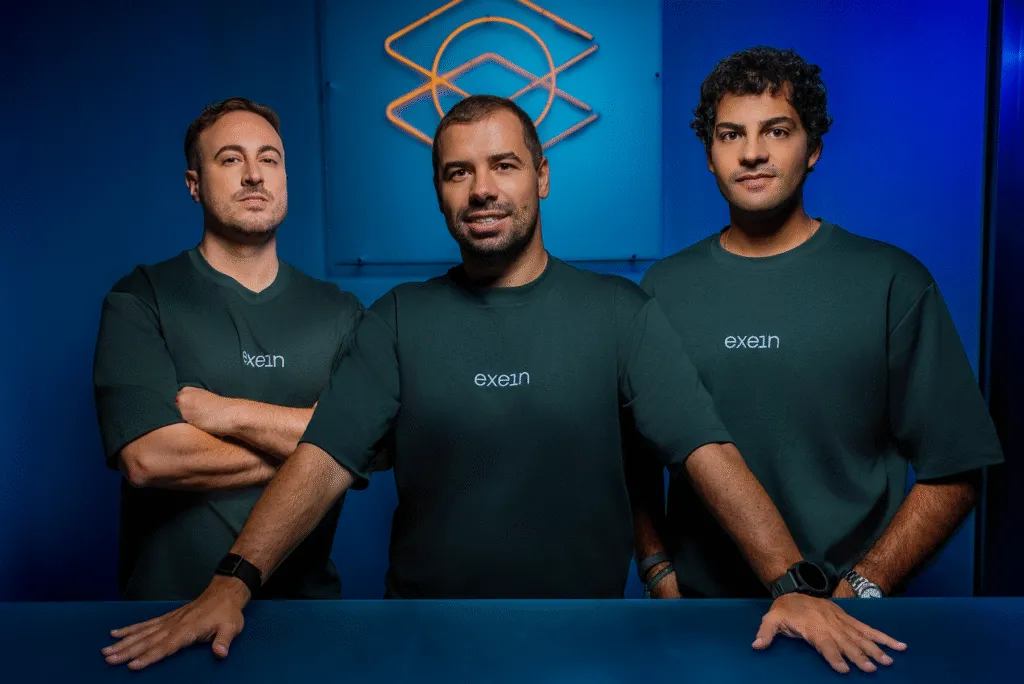
Exein raised 270 million dollars and its valuation jumped thirtyfold in two years. The European regulation coming into force in...
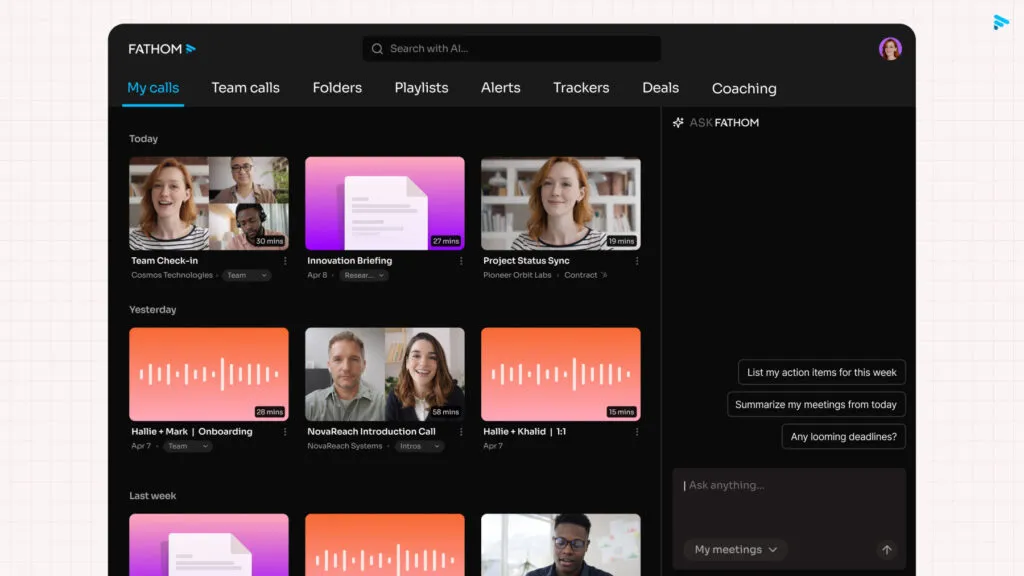
A startup valued at 94 million dollars changed hands, and both sides said openly what was being bought - not...
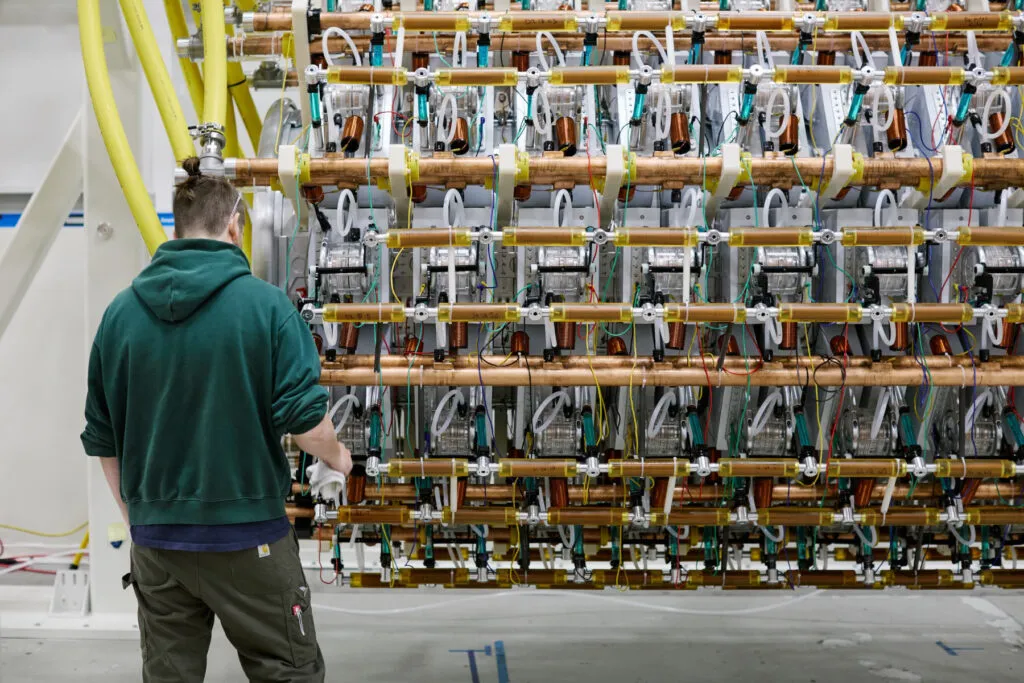
A technology sold for decades as the answer to the climate is now taking money from the defence industry. The...

The board voted, the founder kicked the administrators out of Slack and held out for three days. What does a...

Three months ago the company raised 60 million. Now it is worth almost ten times that, and its product is...

After Ohridska Banka, Sparkasse has gone after a second one. The approvals come from Podgorica, Belgrade and Frankfurt. The market...
This site uses cookies - is that okay? Learn more
Be the first to know when Metla launches something new
Leave your email and we will write when there is a new guide or something new on Metla.