A New Criminal Complaint Against Jakimovski: A Building Permit Based on a Plan Struck Down Back in 2018
16.09.2026


16.09.2026
16.09.2026

16.09.2026
16.09.2026
16.09.2026
16.09.2026
16.09.2026

15.09.2026

14.09.2026
16.09.2026

16.09.2026

15.09.2026

16.09.2026

15.09.2026

14.09.2026

16.09.2026

16.09.2026

16.09.2026

16.09.2026

15.09.2026
15.09.2026

09.03.2026

27.02.2026

19.02.2026
16.09.2026

15.09.2026

14.09.2026

23.04.2026

23.04.2026

12.04.2026

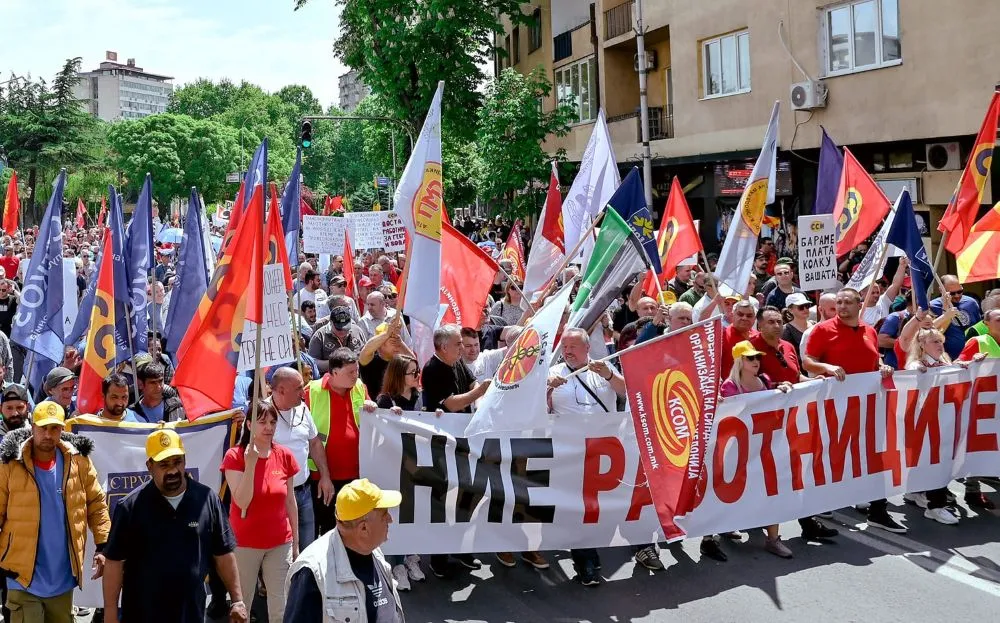
On May 1, SSM - the Federation of Trade Unions of Macedonia - launched a protest in Skopje with a message everyone knows but nobody official wanted to say out loud: around 260,000 of the country's 530,000 workers earn less than 600 euros a month.
That's almost half of those employed. Half of the active working population below a line that in Brussels is treated as the floor of decent EU wages. The numbers don't come from the opposition. They come from the head of SSM himself, Slobodan Trendafilov.
The protest's slogan: "We fight for wages - we don't beg". Pretty simple. And pretty precise. Because in Macedonia, when wages come up, there are always three sides: the workers who demand, the government that promises, and the employers who - for a decade and a half now - insist that "there's no money".
Not every union is on the street. SONK, the education union, decided not to take part. Their stance is dialogue, not street demonstrations. That's a political choice that divides workers - at a moment when joint action would carry the most weight, they're arguing about the form of expression.
Skopje traffic will be different today. The police have warned drivers about traffic restrictions. This is the standard May 1 game - the city shuts down for a day, parades happen, and on Monday everything returns to the same unchanged economic reality.
The question is whether 260,000 workers under 600 euros is a political priority or just a statistic for reports. The answer usually comes in the form of new promises: "the minimum wage will be raised", "reforms are on the way", "EU integration will bring wages". In the Balkans we've been hearing these sentences for 30 years. Today, again, people will listen to the same promises - and will go back to work for the same 600 euros.
The latest 10 news from this category
The World Bank dropped out over misalignment with EU requirements. Construction will take two and a half years, and the...
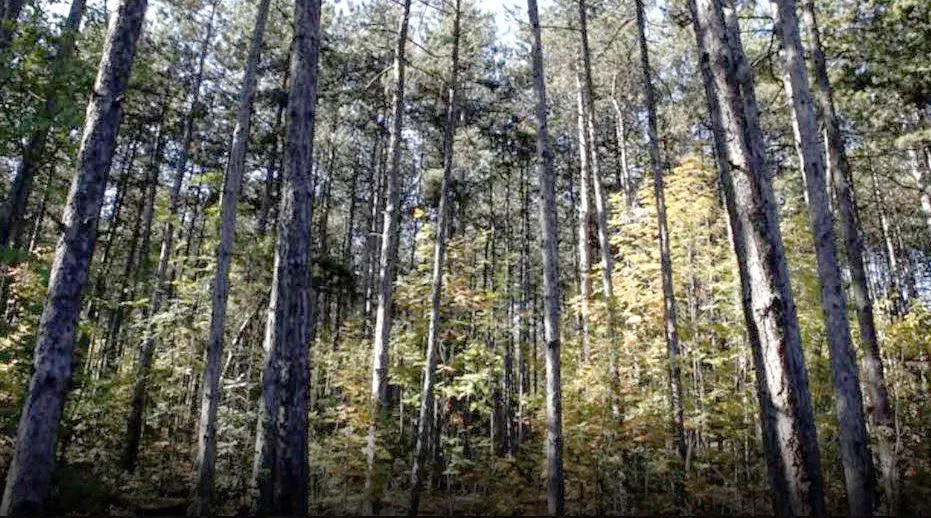
Of 9,500 square metres of greenery, 268 remain. Terrain with an 80-metre height difference, no erosion study and no opinion...
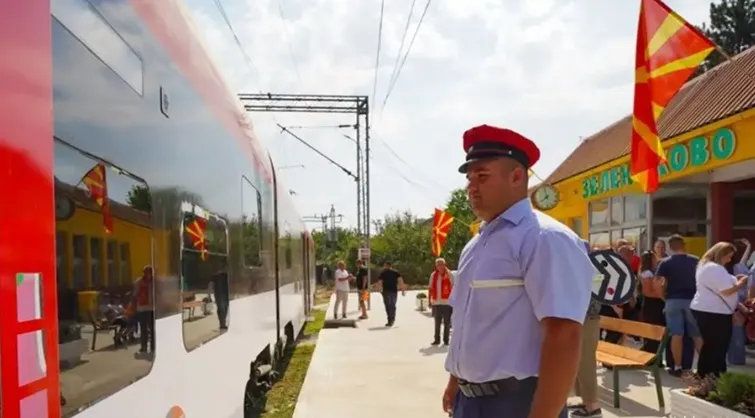
Gjorgjievski says the system should be ready by the middle of next year. The BRT tender is announced for the...
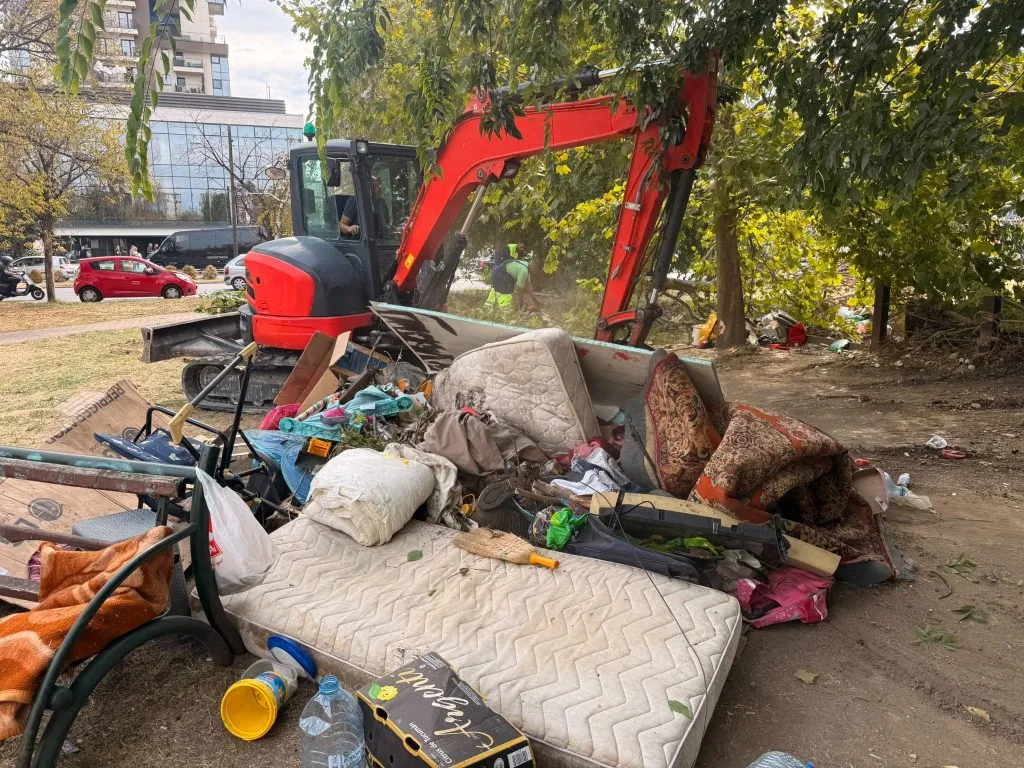
The second operation at the same site within a year. Gerasimovski himself is appealing to the Labour Ministry - because...
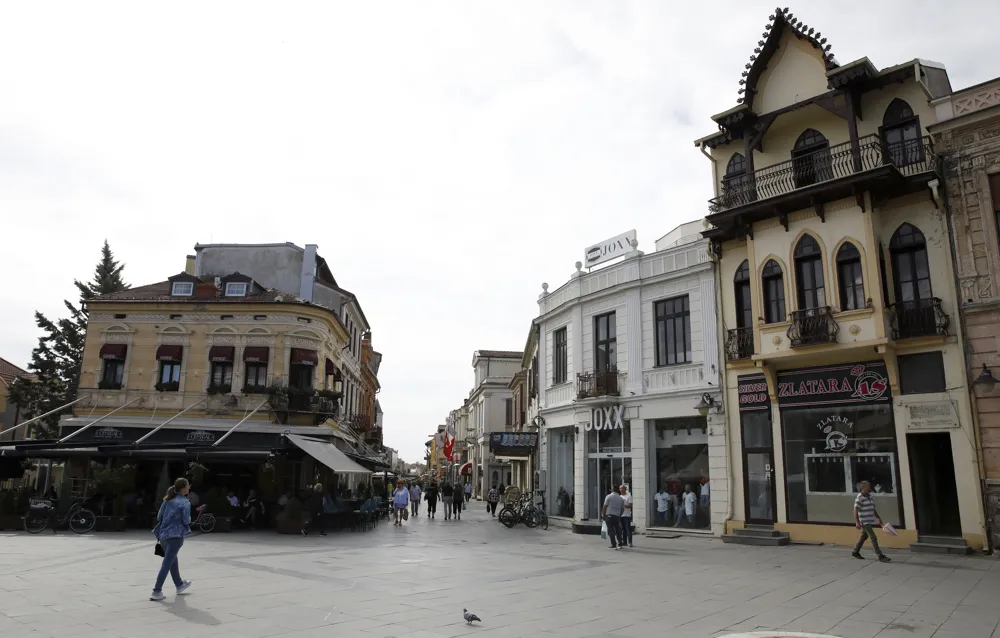
A prosumer scheme, a solar oven and electricity generated by bicycle on Magnolija square. The city that has paid the...
Stefanija Dimovska won two medals at IESO 2026, working in mixed international teams. Before that she was also national champion...
Out of nearly 4.7 million denars, the municipality is putting in around 180,000. The rest comes through the Bureau for...
Ten years working inside the health system - and she still had to pull strings to be admitted. The clinic...
Appeals run from 15 to 25 September. There is not enough space at Goce Delčev, so students go to Stiv...
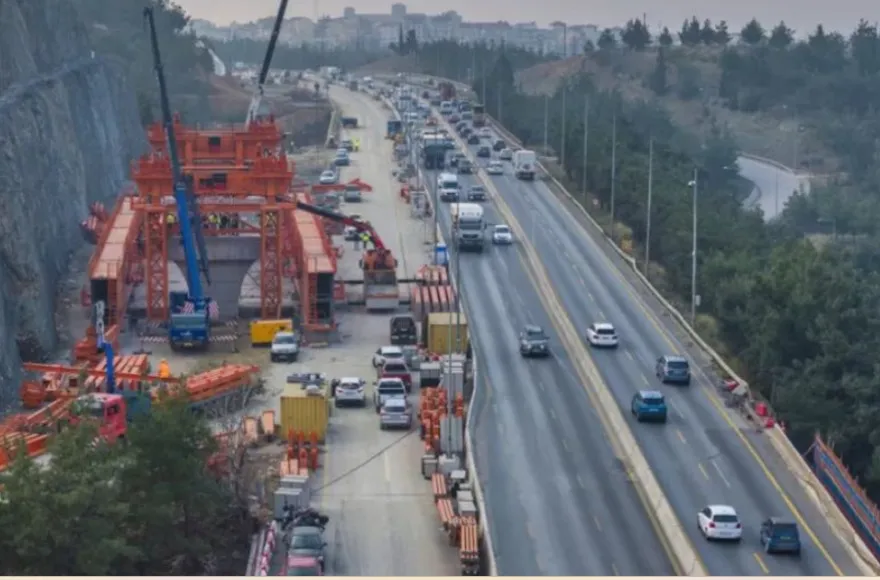
From 23:00 to 05:00 there is no getting through towards Evzoni. Towards Halkidiki - business as usual. Those heading on...
This site uses cookies - is that okay? Learn more
Be the first to know when Metla launches something new
Leave your email and we will write when there is a new guide or something new on Metla.