Slaveski Tells Filipče to Delete His "Shameful Post": Alta Banka's Customers Got a Duel on X Instead of a Deadline
02.11.2026


02.11.2026

02.11.2026

02.11.2026

02.11.2026
02.11.2026

02.11.2026

02.11.2026

01.11.2026

01.11.2026

02.11.2026

02.11.2026

01.11.2026

02.11.2026

02.11.2026

02.11.2026

02.11.2026

01.11.2026

31.10.2026

02.11.2026

02.11.2026

02.11.2026

02.11.2026

01.11.2026
01.11.2026
02.11.2026
01.11.2026

01.11.2026

23.04.2026

23.04.2026

12.04.2026


On 1 November 1973, the first electric train in Macedonia pulled out of the station in Trubarevo. The date was no accident: that year marked a full century of railways. Five decades later Skopje is getting back on the rails, while across the rest of the country fewer and fewer trains are running.
The first line was finished in 1873, and on 9 August that year Skopje ceremonially welcomed the first train from Thessaloniki. By 1874 Skopje was connected to Kosovska Mitrovica, and in 1888 the Macedonian line joined the network of Central and Western Europe. Later came Veles-Kočani, Prilep-Bitola, Veles-Prilep and, in 1952, Skopje-Gostivar. In the nineteenth century, Macedonia could reach Europe by train.
A City Train with 300 to 500 passengers a day
The first City Train line opened in September 2026 and links Zelenikovo with Skopje via Novo Zelenikovo, Orešani, Jane Sandanski, Dračevo and Lisiče. The trip takes about 20 to 25 minutes, a ticket costs 40 denars and a monthly pass 1,040 denars. According to Deputy Prime Minister and Transport Minister Aleksandar Nikoloski, between 300 and 500 passengers use the line every day. Two more lines are being designed, towards Gjorče Petrov via Butel and Skopje-North, and towards Ilinden via Avtokomanda and Madžari. Professor Krakutovski warns that the three lines need at least ten suitable vehicles.
A welcome start, no question about it. But somebody should also read the other half of the story.
No international trains
The new timetable scraps two trains from Skopje to Veles and one to Bitola. There are no passenger trains to Greece, Serbia or Kosovo. The line that connected Macedonia to Europe more than a hundred years ago no longer carries passengers even as far as the nearest neighbour.
The Museum of the City of Skopje sits in the former railway station, whose clock still shows 5:17, the moment the 1963 earthquake stopped it. Macedonia's railways have a lot of clocks like that. Whether the City Train is the start of real investment in the network or an exception in a network that keeps shrinking, the next timetable will tell.
The latest 10 news from this category

The question was what a small country should do after changing its name and still finding the road to the...

Some will be donated, the rest will become dolls, quilts and pillows. Every municipality over 30,000 residents must have a...
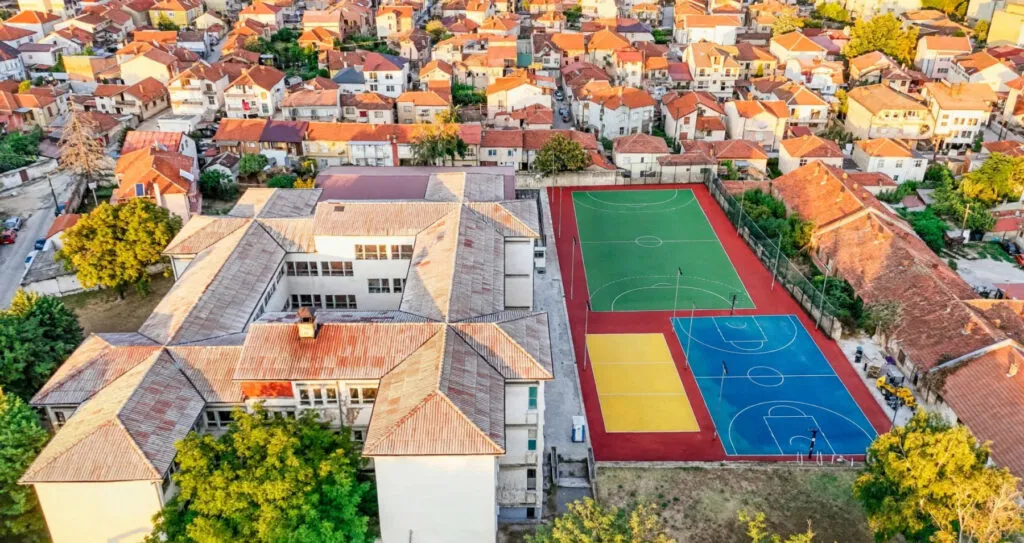
Some finished, some "in the implementation phase". A few schools get named, but there's no figure for the completed ones...

Minors are setting off firecrackers allegedly bought at Bit-Pazar. The Interior Ministry reminds everyone it's illegal, and residents are left...

Horses in the street, goats all the way to Širok Sokak, a ban on paper, a zoo that's waiting. And...

The number is official, from a state commission. What stands behind it is a woman with nowhere to go back...

The obligation exists on paper, and the country's two other centers are still only announcements. The first step was taken...
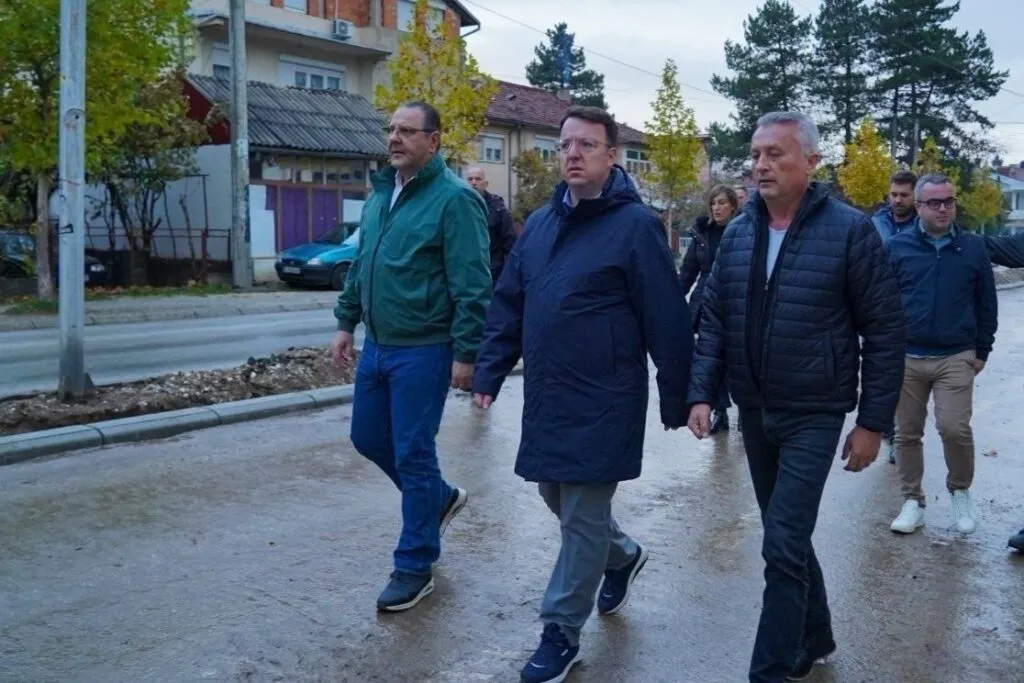
Big number, small street, full delegation on site. One twelfth of the sum can be pointed at with a finger....

Every government wants a photo with inspectors and a stall. What matters more is what will be on the sidewalk...
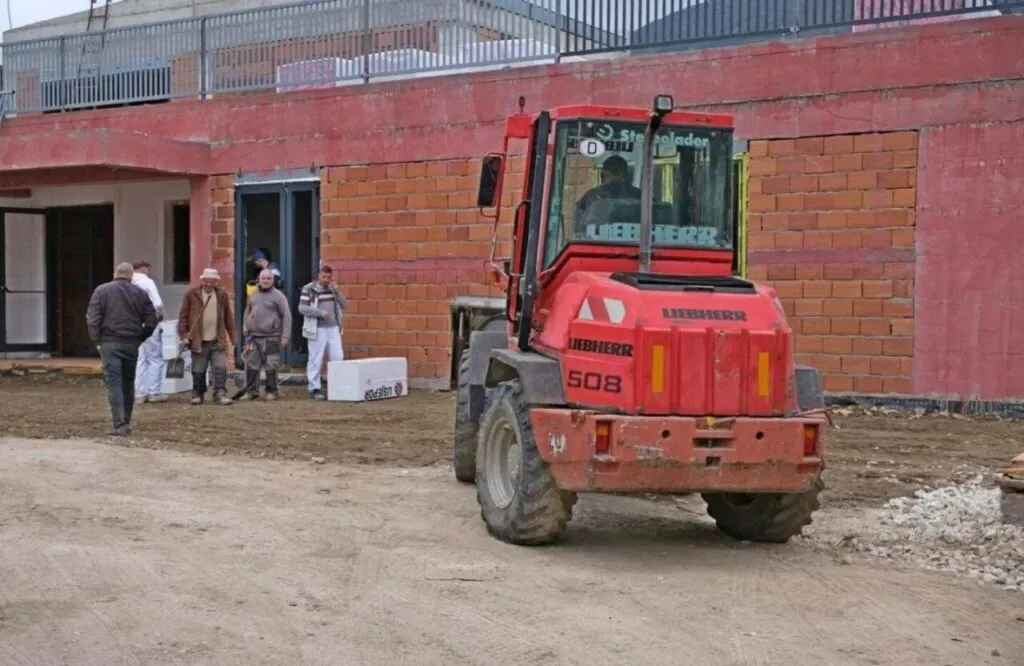
A minister and a mayor on a construction site, figures for square meters and children. The two numbers parents would...
This site uses cookies - is that okay? Learn more
Be the first to know when Metla launches something new
Leave your email and we'll write to you when there's a new guide or something new on Metla.