


Two Schoolyard Assaults Reported in a Single Day: the Police Promised Measures, the Education System Said Nothing
19.09.2026


19.09.2026

19.09.2026

19.09.2026

19.09.2026

19.09.2026

19.09.2026

19.09.2026

18.09.2026

17.09.2026

19.09.2026

19.09.2026

18.09.2026

19.09.2026

19.09.2026

19.09.2026

19.09.2026

18.09.2026

17.09.2026

19.09.2026

19.09.2026

19.09.2026

19.09.2026

19.09.2026
18.09.2026

09.03.2026

27.02.2026

19.02.2026

18.09.2026

17.09.2026

16.09.2026

23.04.2026

23.04.2026

12.04.2026

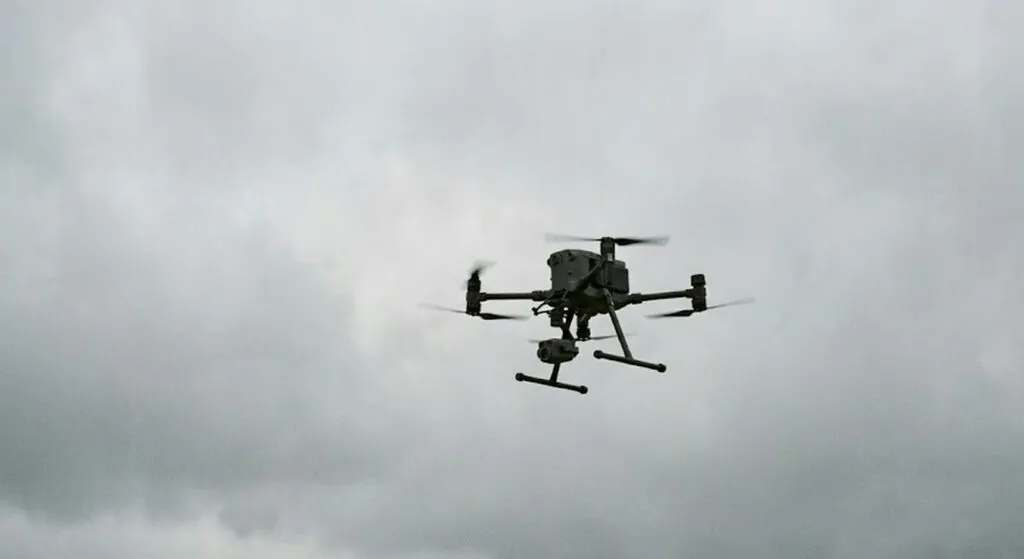
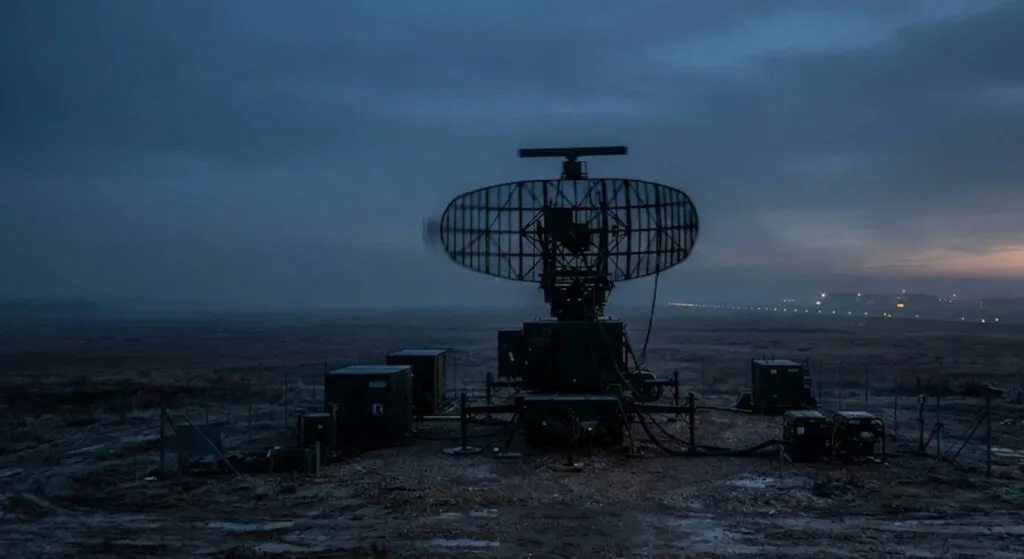
Ukraine has built a system that solves a years-old dilemma: how to stop Russian hypersonic Kinzhal missiles when there is no money for endless Patriot systems. The solution is called "Lima". According to Kyiv, it shot down 58 out of 59 Kinzhals fired. With a 300-kilometre range.
What is Lima? Not missile defence. It is an electronic warfare system. It does not shoot at the Kinzhal - it lies to it. It emits electronic interference, feeds in fake navigation data, and runs cyber attacks on the missile's receiver mid-flight. The result is that the Kinzhal loses its bearings, drifts off course, or crashes.
"When we set up our EW wall, only one of 59 Kinzhals fired got through. All the rest were suppressed," said commander Alchemist of the "Night Watch" unit. According to Maksym Skoretskyi, Ukraine's director of electronic warfare: "This system really has no equivalent. Nobody before us managed to suppress 16-channel and 32-channel CRPA antennas, especially not at these ranges."
Economically, the gap is enormous. To cover all of Ukraine with Lima systems would cost around 1.8 billion dollars. Two Patriot systems cost more than 2 billion. A single Kinzhal missile costs between 4.5 and 15 million dollars. Add it up and the difference is dramatic.
What does this mean for the Balkans and NATO? A lot. Patriot is expensive and the US is in no mood to sell it or give it away. Lima is a software-heavy system - quick to deploy, cheaper, and adaptable. If Ukraine could build something like this while fighting a war, other countries can too.
For North Macedonia, which depends on NATO for its security, this is a signal that technology is replacing expensive hardware. But it is also a warning - whoever controls electronic warfare controls the sky. And that battle is no longer fought with Patriot or Kinzhal. It is fought with code, antennas, intelligence data. And that is a game small countries can play in, if they are lucky enough to find the right partners.
The latest 10 news from this category

Околу 8.500 севернокорејски војници сè уште се во Русија, меѓу нив 1.000 инженери и 400 оператори на дронови. Проценките зборуваат...

Блокот работел, режимот на работа не се променил, пожар немало. Разликата меѓу вест и катастрофа ја одлучи насоката на еден...

The bill passed with 262 votes, and the key to it has been handed to a man who has already...
Ukraine adapts in weeks, the Alliance in decades. Europe is paying for Patriot systems from 1991 and is only now...

Missiles and drones on the Ukrainian capital, damaged water mains and residential buildings. The same night, Ukrainian drones set the...

Trump hopes the war is ending and is preparing to gather the Gulf leaders. Oil prices have jumped, and the...

Ukraine says when, where and which unit did it. Russia's defence ministry has not a single sentence about the circumstances....
Norway's prime minister talks about a plane a drone "almost hit". Moldova, the only party holding the figures, reported that...
Ukraine was shooting down nine out of ten of the old drones. Then Russia changed the drone - and in...
It was shot down a few minutes after midnight, and all of Vilnius got a warning on their phones. Two...
This site uses cookies - is that okay? Learn more
Be the first to know when Metla launches something new
Leave your email and we will write when there is a new guide or something new on Metla.
