
Archbishop Stefan Hosts Romanian Church Delegation: 60 High Guests at Saint Panteleimon - International Normalisation of the Macedonian Orthodox Church
03.05.2026


03.05.2026

03.05.2026

03.05.2026
03.05.2026

03.05.2026

03.05.2026

28.04.2026

27.04.2026

27.04.2026
03.05.2026

03.05.2026
02.05.2026

03.05.2026

03.05.2026

03.05.2026

03.05.2026

02.05.2026

01.05.2026

03.05.2026

03.05.2026

03.05.2026

09.03.2026

27.02.2026

19.02.2026

14.04.2026

07.11.2025
07.11.2025

23.04.2026

23.04.2026

12.04.2026

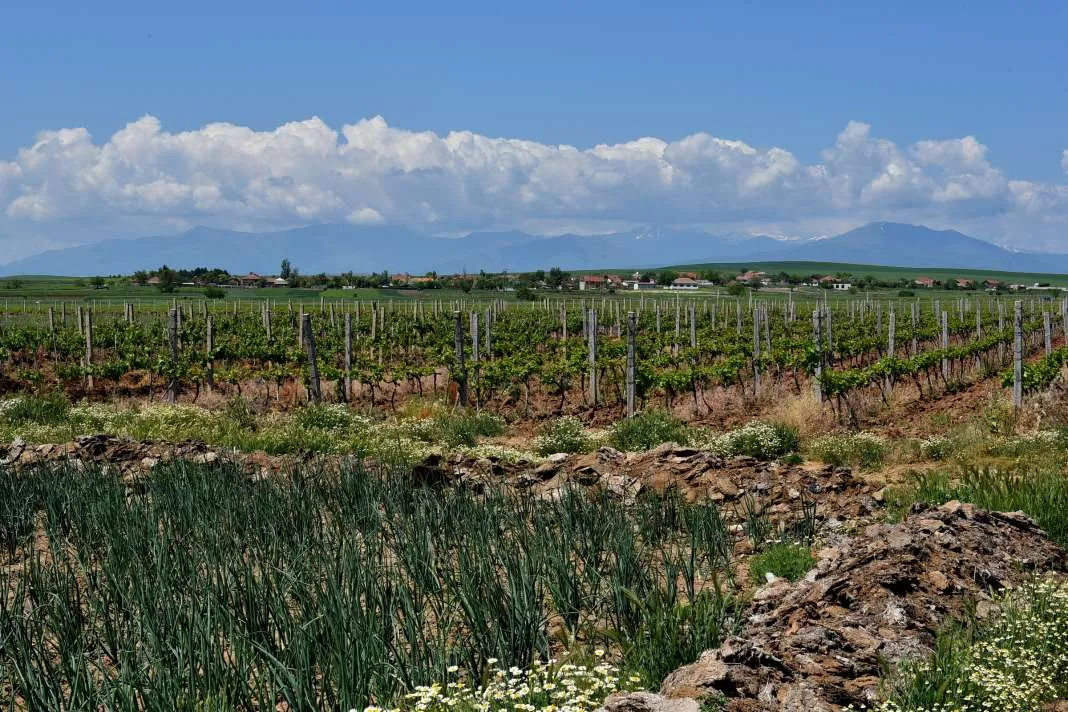
A May frost has hit the orchards and wine vines in the Rosoman area. The worst damage is recorded along the rivers Crna and Luda Mara. Apricots, peaches, vines - all hit by the low temperatures. For farmers who had planned for this season, it's a blow that isn't just emotional. It's a financial blow that will be felt across Macedonia.
How bad is it? According to expert assessments, damage on the worst-hit plots reaches up to 100% on certain areas. One hundred percent damage means zero revenue. A year of work - lost in a few hours of low temperatures. The vines in Rosoman aren't a one-year affair. They're investments that need two to three years to come back to a normal yield.
For Macedonia this isn't a surprise. May frost is a recurring phenomenon. 2017, 2020, 2023 - and now 2026. Climate trends show that abnormal temperature swings are becoming more frequent. A warm winter, a cold spring, fruit hit by frost. The same pattern every year. And every year farmers get the same promises - help is coming, insurance will be introduced, programmes for climate adaptation.
The question no one answers is whether farmers actually get those funds. Help in past years has arrived with delay. One year. Sometimes two. When it did arrive, it was usually partial - it didn't cover even 30% of the real damage. And the paperwork - always complicated. For a small farmer with 20-30 dunums of vines, the effort to apply is almost greater than the money they'll receive.
For consumers in Skopje and Tetovo, this means something concrete. Fruit prices this summer will be higher. Apricots that normally went for 80-100 denars a kilo will easily climb to 150-180. The grape harvest is down too - which means Macedonian wine from this vintage will be scarcer, and at a higher price. The same pattern everywhere. When the producer loses, the consumer pays.
For the government, the question is simple but uncomfortable. Where are the climate adaptation plans? The Ministry of Agriculture often talks about „modernisation" and „European standards". But for a farmer in Rosoman these words mean little. Concrete measures would be: climate insurance funds, anti-hail and anti-frost nets, temperature pre-treatment systems. All of these exist in developed countries. Here - they get talked about, rarely applied. And every May morning, the low temperatures tell the same story.
The latest 10 news from this category
Six percent growth is real. But Bulgaria has cheaper wages, Hungary has more skilled labour. Macedonia sits between them -...
VMRO used to say it about SDSM, SDSM now says it about VMRO. The words change, the numbers not so...
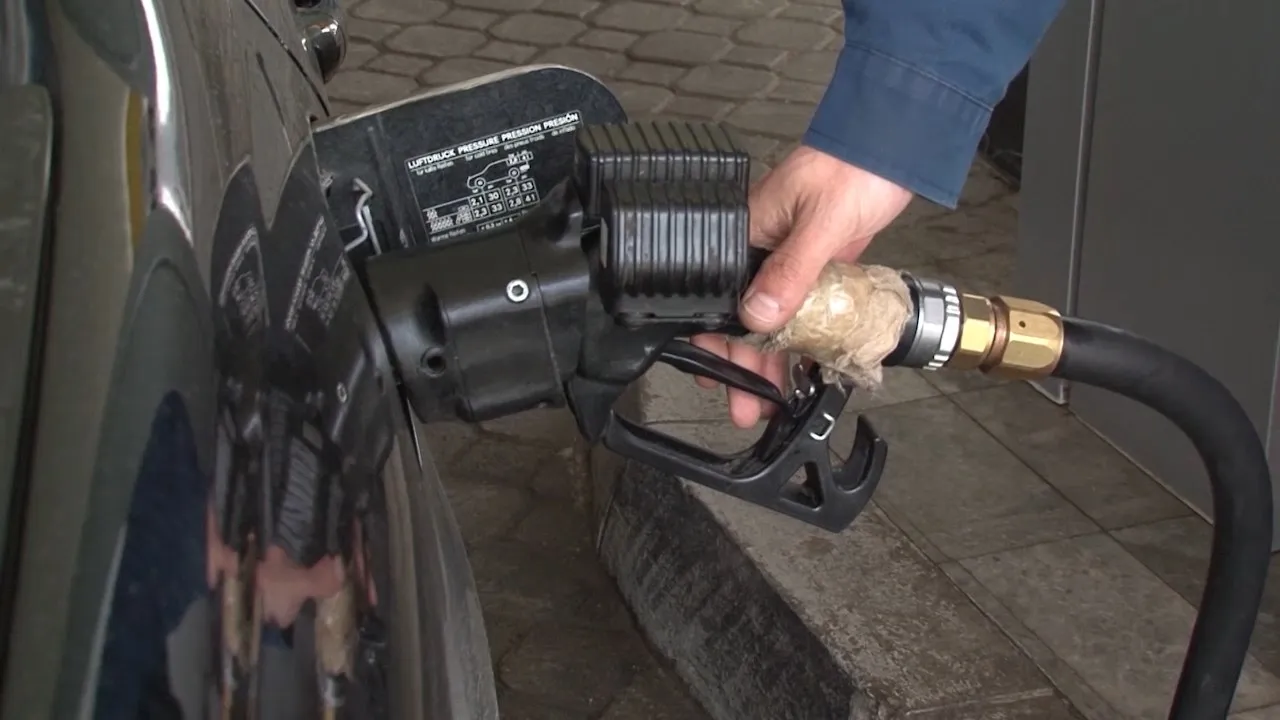
At the same time, an investigation is looking into whether oil companies are re-exporting subsidised petrol to neighbouring countries. State...

An average European car in the US jumps by 12,500 to 17,500 dollars. German factories in Skopje and Bitola will...

Average CEO - 8.4 million dollars a year. Average worker - 490 years of work for the same sum. Ten...

Ryanair is forecasting bankruptcy if regulation does not loosen. Small airports will pay first. The Balkan traveller will be 30-50...

Cursor (Claude Opus 4.6) decided on its own to "fix" a discrepancy. Silicon Valley is in a hurry. Users pay...

Iran's blockade has shaken the markets. US inflation is already at 3.3 percent. Macedonian families will feel it on their...
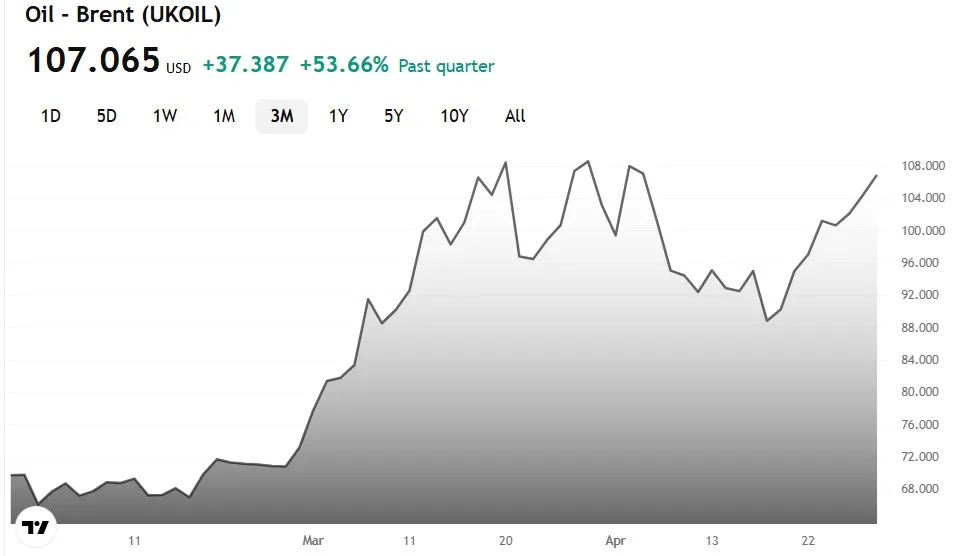
Цената на новата геополитичка игра на Блискиот Исток нема да ја платат само актерите на сцената – ќе ја платиме...

When OPEC itself cannot hold together, Skopje has no alternative supply chains. Our petrol pump is the tail end of...