
Archbishop Stefan Hosts Romanian Church Delegation: 60 High Guests at Saint Panteleimon - International Normalisation of the Macedonian Orthodox Church
03.05.2026


03.05.2026

03.05.2026

03.05.2026

03.05.2026

03.05.2026
03.05.2026

03.05.2026

02.05.2026

01.05.2026
03.05.2026
03.05.2026
02.05.2026
03.05.2026

03.05.2026

03.05.2026

03.05.2026

02.05.2026

01.05.2026

03.05.2026

03.05.2026
02.05.2026

09.03.2026

27.02.2026

19.02.2026

14.04.2026

07.11.2025
07.11.2025

23.04.2026

23.04.2026

12.04.2026

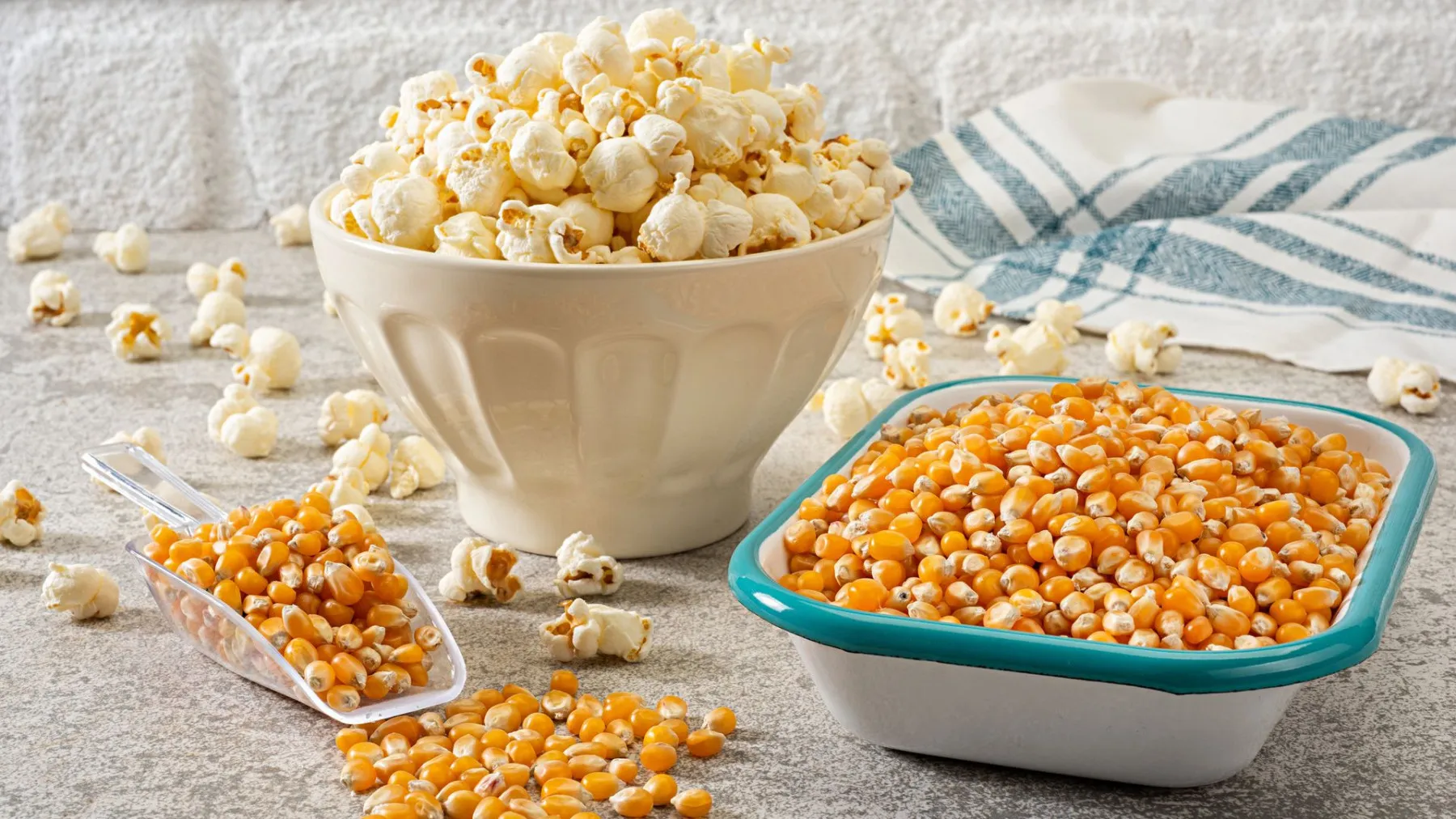
Popcorn has a bad reputation. At the cinema - drowned in butter, sugar and salt. In supermarkets - microwave bags full of preservatives and flavourings. So the news that nutritionists recommend popcorn as part of a balanced diet sounds almost like a provocation. But when you read the detail - it isn't about whether popcorn is healthy, it's about how it's made.
Selena Sains from the Spanish centre „Naturae Nutrición" explains that the key isn't in the popcorn itself, but in the context. Popcorn made with air, no oil and no sugar - has about 30 calories per cup. A normal portion of three cups - 100 to 150 calories. The same popcorn at the cinema, drowned in butter - can pass 1,000 calories. The same kernel, two completely different products.
What popcorn actually has, and what wouldn't be silly to expect from it: polyphenols, ferulic acid, vitamin E. Antioxidants that help against oxidative stress and inflammation. Because of the low water content, those concentrations are actually higher in popcorn than in many fruits or vegetables. Nutritionists aren't saying replace fruit - they're saying if you're eating something that isn't fruit, popcorn is a better choice than crisps.
The second point experts insist on is the content of insoluble fibre. It stimulates gut motility and can help with a balanced diet in terms of glycaemic and cholesterol values. But there's a trap here: people with sensitive digestion sometimes find it heavy. The nutritionists' advice is simple - start with a small amount and watch how the body reacts.
For those who want to make it at home, the recipe is simple: 25 to 50 grams of raw kernels, giving three to four cups of finished popcorn. Without oil - the lightest. With a little olive oil - tastier and more filling. The fight isn't with the recipe, it's with the industry. Microwave versions usually have refined oils, a lot of salt, and flavourings. Same product, different outcome.
In the Balkans popcorn has never been seen as a healthy choice - just something from childhood, something to eat while watching films or sitting in the park. That might actually be a better approach than the colleagues who now market it as „superfood". Popcorn cures nothing. But in a culture where popular snacks are crisps, homemade lecso and overly sweet flour-based desserts - a little fibre and antioxidants is probably not wasted time.
The latest 10 news from this category
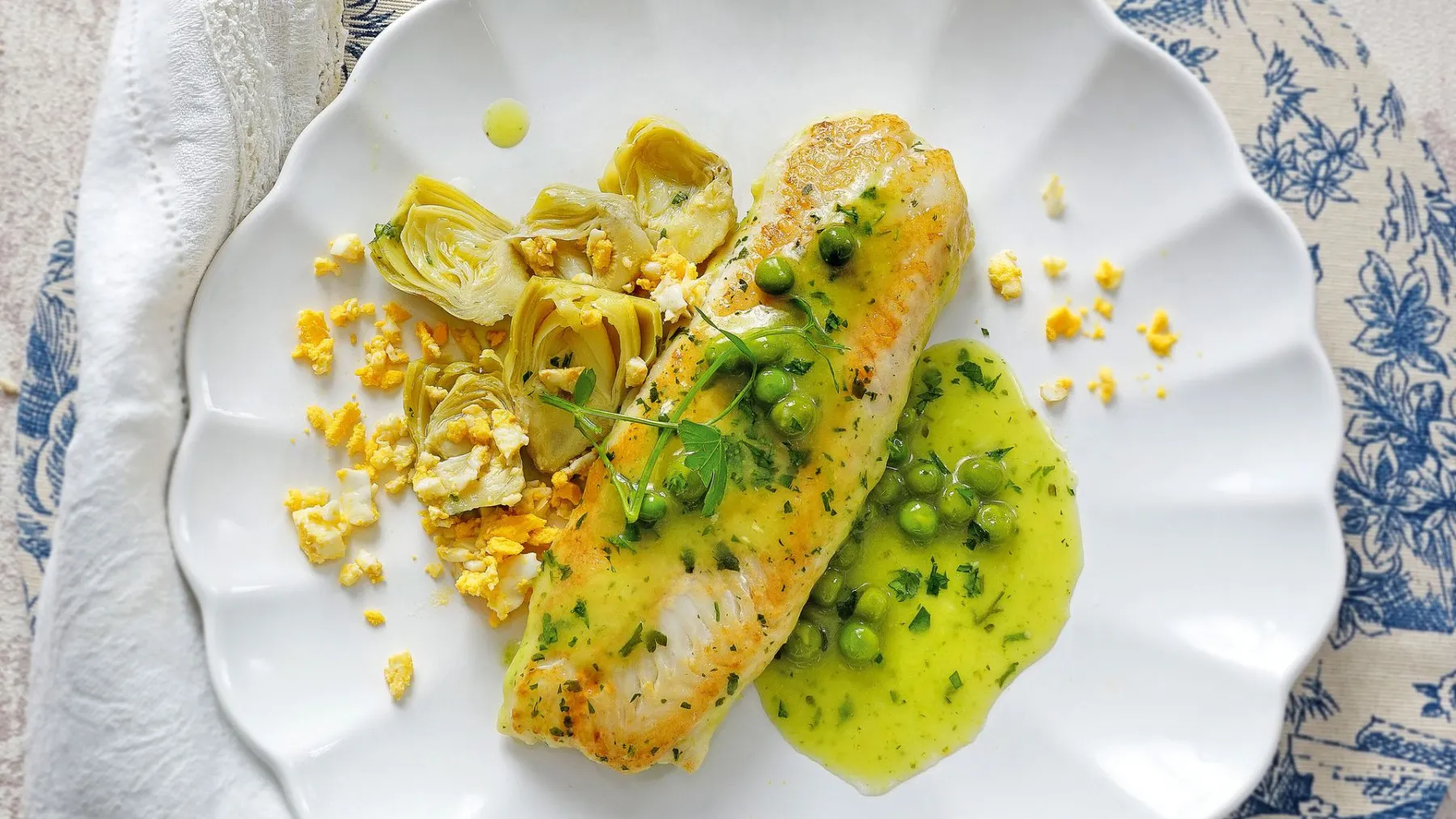
Spanish kitchens are shifting rhythm - heavy dishes step back, fish and vegetables take their place. And one rule: a...
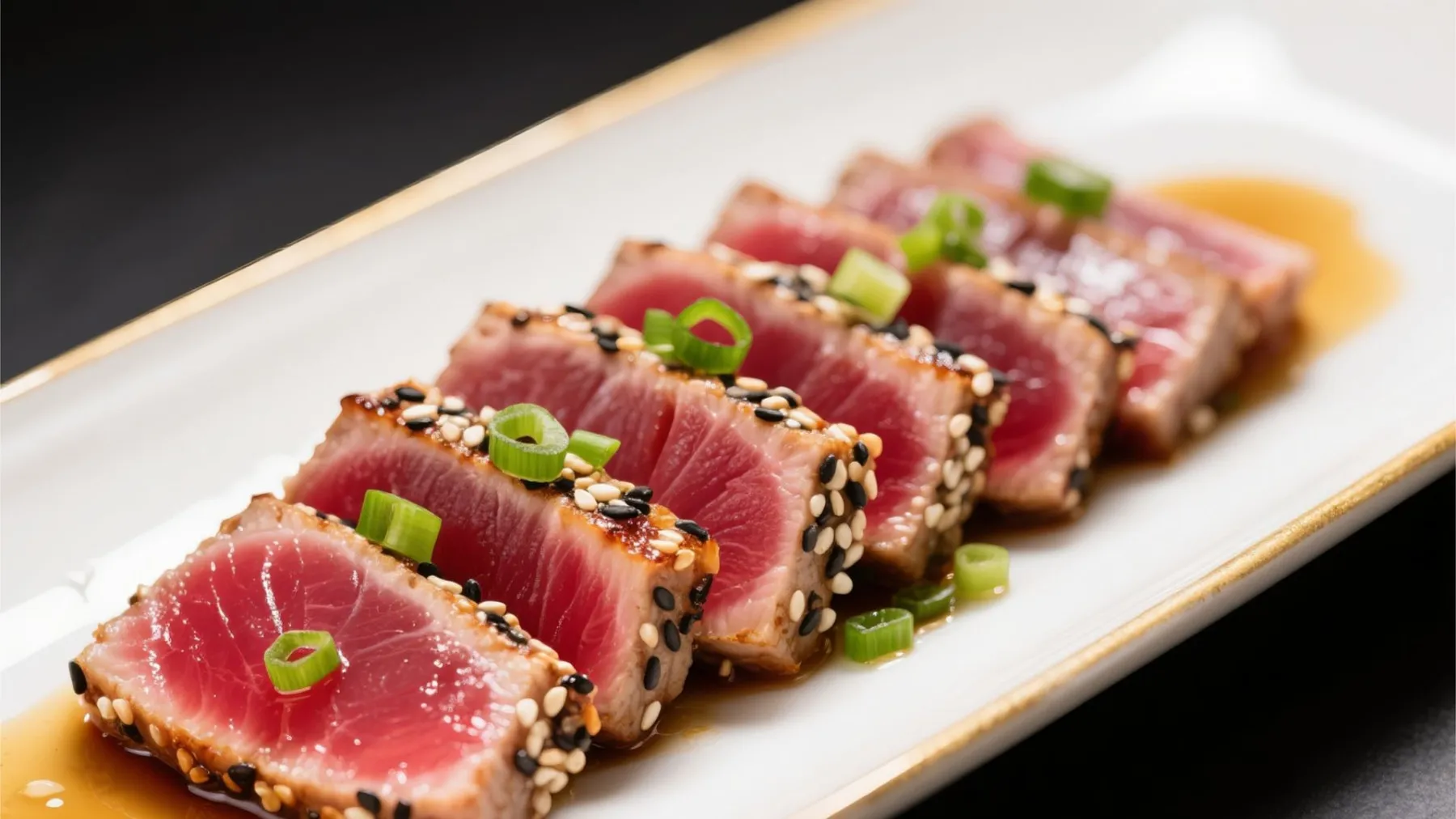
Sharp knife, hot pan, and the contrast between raw and seared. Tataki isn't a menu, tataki is discipline.

A space as big as a mat, a time as long as 20 minutes, and a body that thought it...
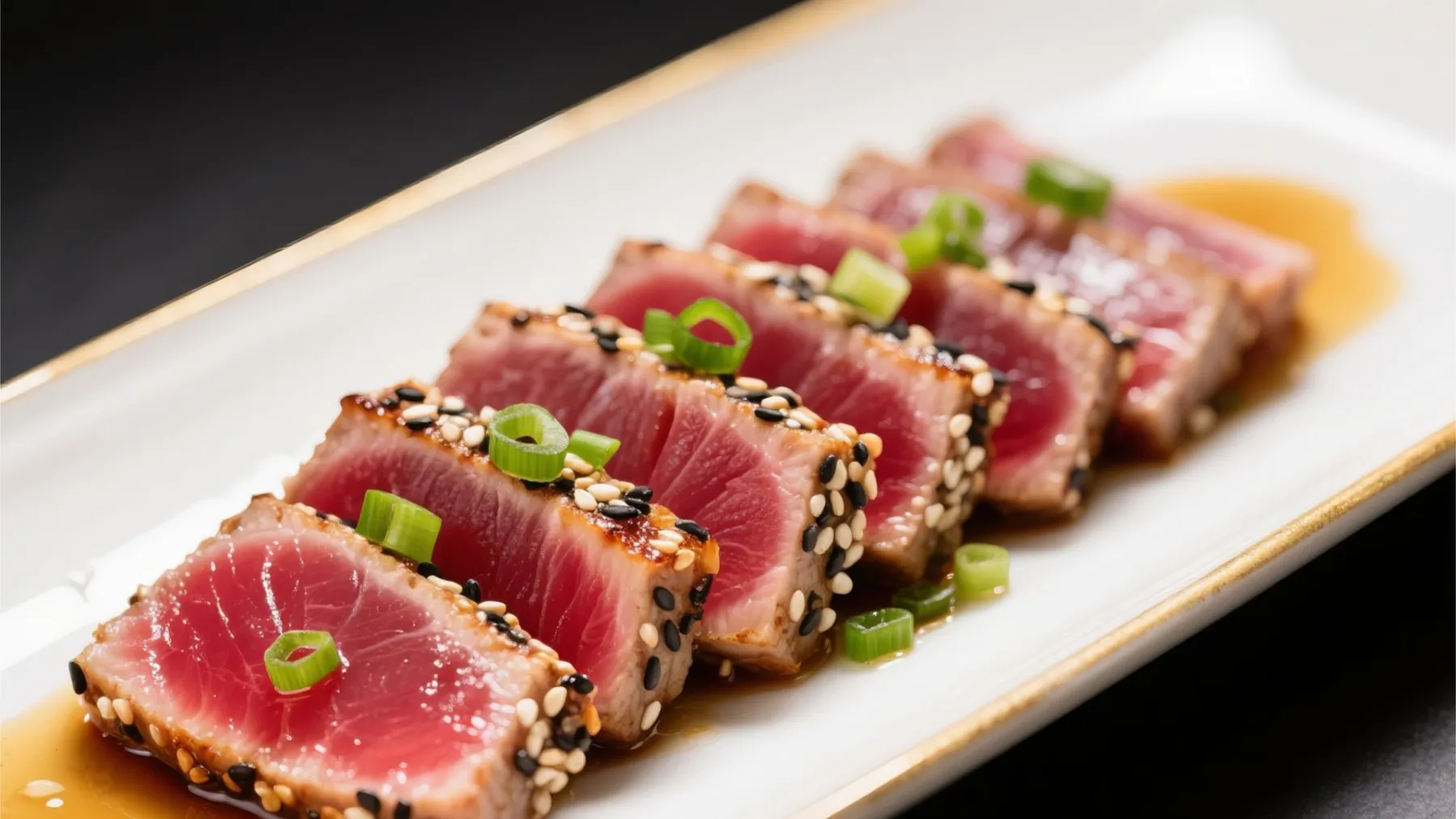
Ten seconds a side, a sharp knife and fresh tuna from the market. The whole technique is in the discipline,...

Neuroscientists say the brain has forgotten boredom, and Instagram serves us other people's plans as personal punishment. This isn't a...
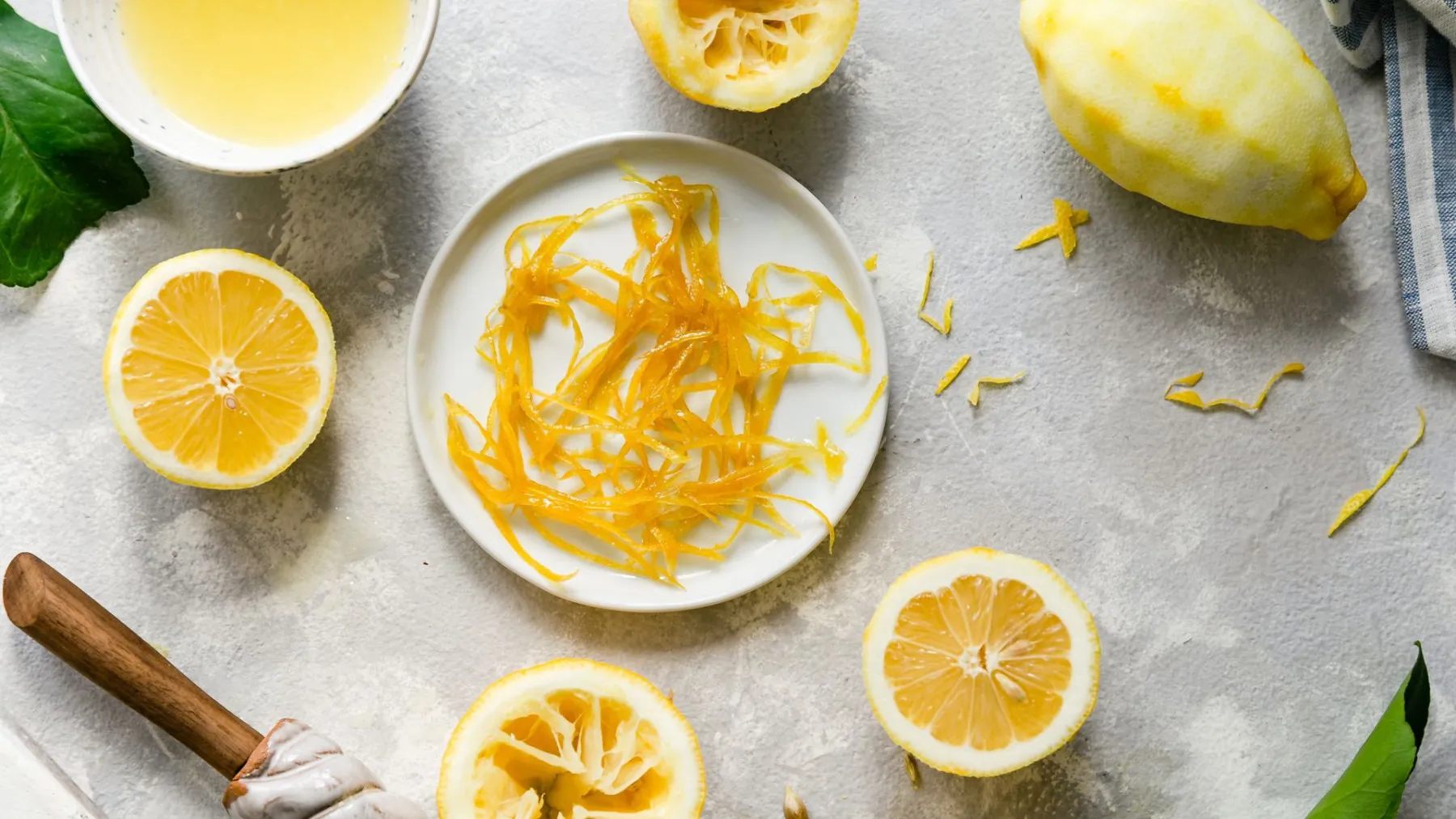
The juice goes into the tea, the rest into the bin. Mistake. The peel, the leaves, even the syrup -...

Same dilemma: you eat clean, but your body is not working. Endocrinologist Dr. Iris Mercedes de Luna says the mistake...
A disease you can stop before it even starts - but only in a country whose health system does not...
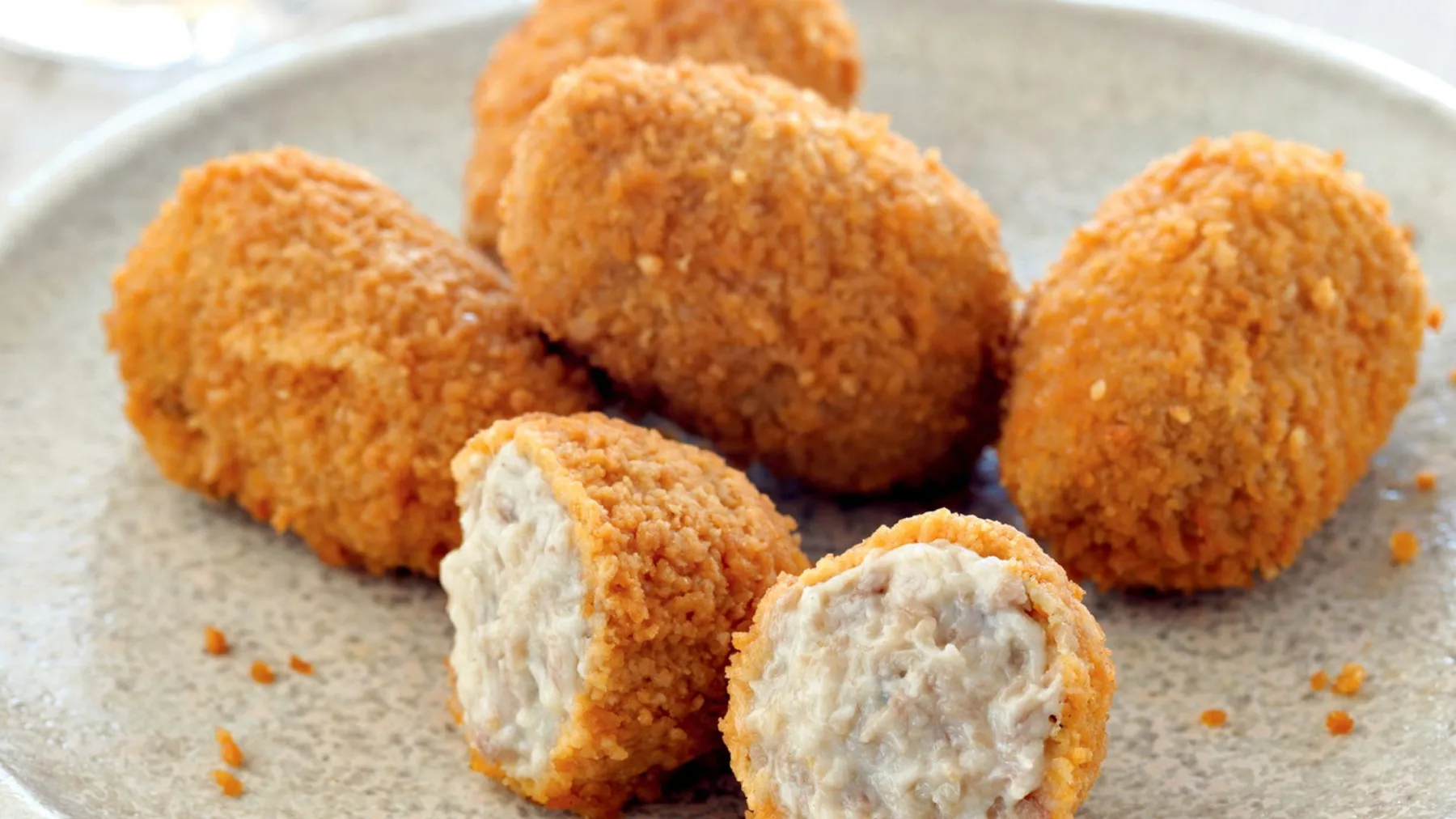
Spain's MasterChef just published a book of family recipes - and one of them isn't Spanish, isn't Italian, isn't Balkan....

The pop icon has announced a new album for July - but the question is how a 67-year-old body holds...